Foods to Buy If You Want to Lose Visceral Fat
Stock your grocery cart with these science-backed foods that target visceral fat around your organs for better health.
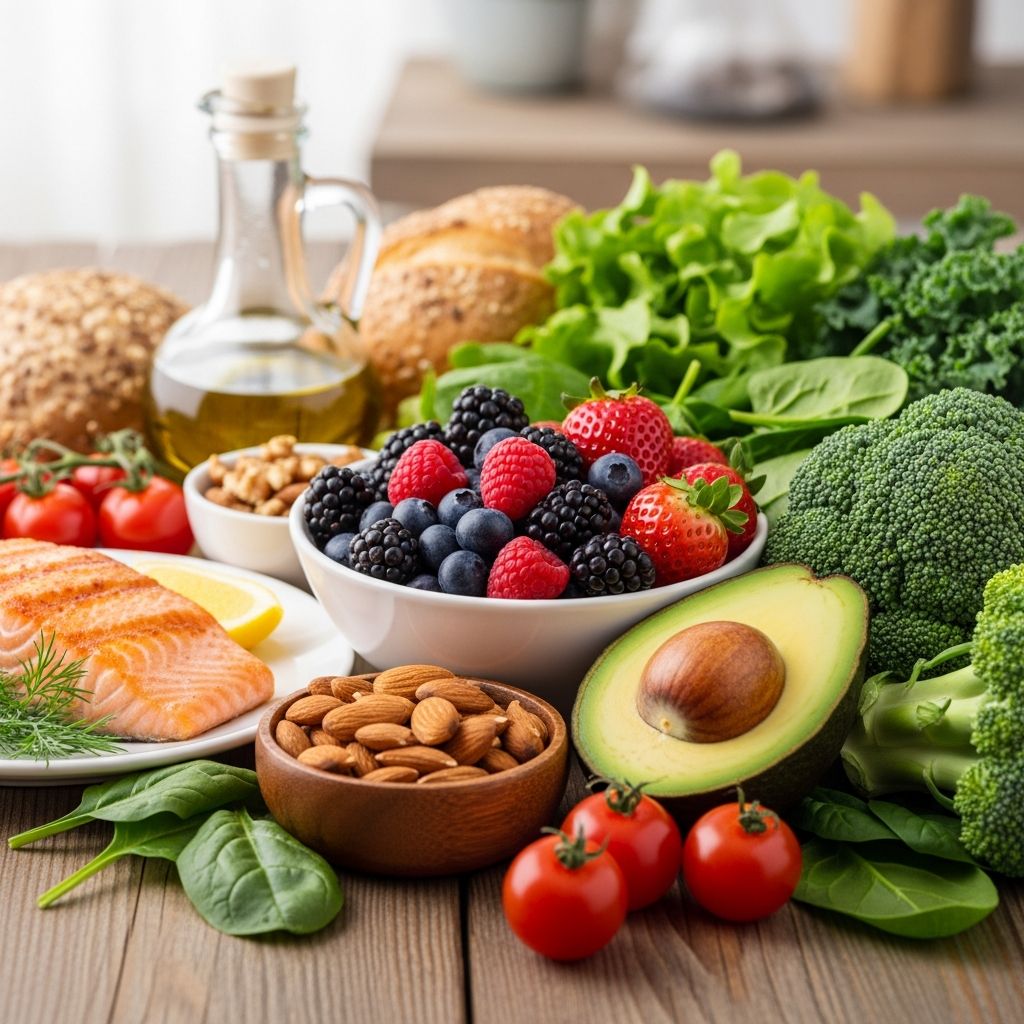
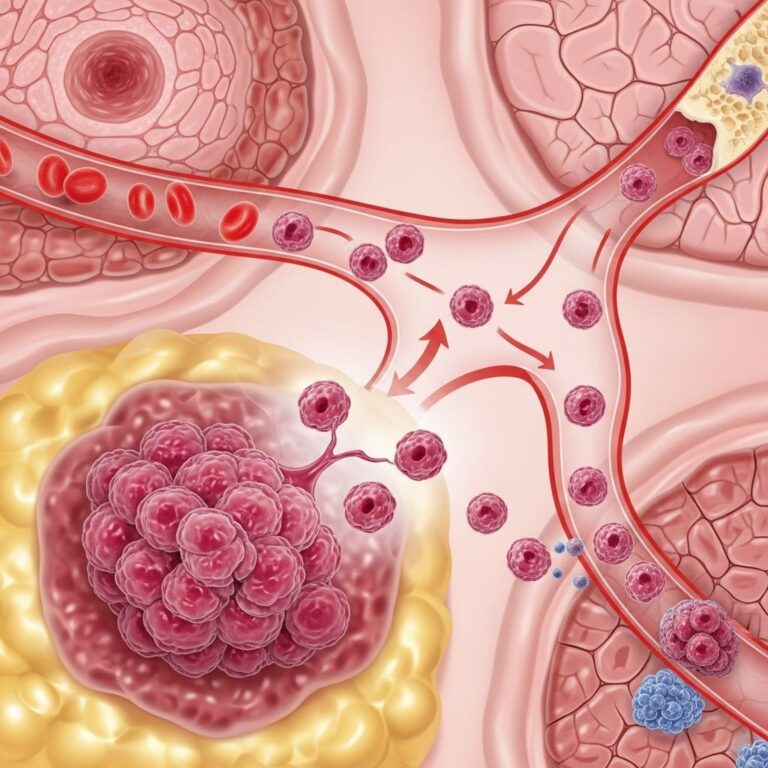
Visceral fat, the deep abdominal fat surrounding your organs, increases risks for heart disease, diabetes, and other conditions. Unlike subcutaneous fat, it’s metabolically active and linked to inflammation. Targeting it requires a diet rich in nutrients that boost metabolism, reduce inflammation, and promote satiety. This guide highlights
10 key foods
supported by research to help shrink visceral fat when combined with exercise and calorie control.What Is Visceral Fat—and Why Should You Care?
Visceral fat accumulates around the liver, pancreas, and intestines, hidden beneath muscles. It’s more dangerous than visible belly fat because it releases hormones and inflammatory substances. Studies show it correlates with insulin resistance and metabolic syndrome. Losing even 5-10% of body weight can significantly reduce visceral fat levels, improving liver function and cardiovascular health.
Key risks include:
- Higher chance of type 2 diabetes
- Increased heart disease risk
- Non-alcoholic fatty liver disease
- Chronic inflammation
Diet plays a crucial role; focus on whole foods high in fiber, protein, omega-3s, and antioxidants.
1. Fatty Fish
Fatty fish like
salmon, mackerel, sardines
, and tuna are rich in omega-3 fatty acids (EPA and DHA). These reduce inflammation and may specifically target visceral fat by improving insulin sensitivity. A study found that consuming fatty fish three times weekly led to greater visceral fat loss compared to lean meats.Why it works: Omega-3s lower triglycerides and visceral adiposity index. Aim for 8-12 ounces per week.
- Recipe idea: Grilled salmon with quinoa and veggies.
- Tip: Choose wild-caught for higher omega-3 content.
2. Berries
**Blueberries, strawberries, raspberries**, and blackberries pack anthocyanins, antioxidants that combat oxidative stress and inflammation linked to visceral fat. Research indicates berry consumption reduces abdominal fat in overweight individuals.
High fiber (4-8g per cup) promotes fullness and gut health. Polyphenols may inhibit fat cell growth around organs.
- Nutritional perks: Low calorie (50-80 per cup), vitamin C boost.
- How to eat: Add to yogurt, smoothies, or salads daily.
3. Fermented Foods
Yogurt, kefir, kimchi, and sauerkraut contain probiotics that support gut microbiome balance. Imbalanced gut bacteria contribute to visceral fat storage via inflammation. Clinical trials show probiotic-rich diets reduce waist circumference and visceral fat by 5-10% over 12 weeks.
Pro tip: Choose plain, low-sugar Greek yogurt (double the protein of regular). Greek yogurt’s high protein (20g per serving) enhances satiety and thermogenesis, burning more calories during digestion.
4. Legumes
Beans, lentils, chickpeas, and peas offer soluble fiber that binds to fat in the digestive tract, reducing absorption. They’re protein powerhouses (15g per cup cooked) that stabilize blood sugar, preventing fat storage.
Studies link legume intake to lower visceral fat in postmenopausal women. Fiber also feeds beneficial gut bacteria.
- Ideas: Lentil soup, chickpea salad, black bean tacos.
- Portion: ½-1 cup daily.
5. Cruciferous Vegetables
**Broccoli, cauliflower, Brussels sprouts**, kale, and cabbage are low-calorie, high-fiber veggies with glucosinolates that detoxify and reduce inflammation. Their volume fills you up, aiding calorie deficit.
Related Stories



Research shows higher cruciferous intake correlates with smaller waist sizes and less visceral fat. Sulforaphane may inhibit fat accumulation in liver cells.
- Prep: Steam, roast, or stir-fry to preserve nutrients.
- Goal: 2-3 cups daily.
6. Whole Grains
Oats, quinoa, brown rice, and barley provide beta-glucan fiber that lowers cholesterol and visceral fat. Quinoa stands out with 8g protein and 5g fiber per cup, plus iron and zinc.
A meta-analysis found whole grains reduce abdominal obesity better than refined grains by improving glycemic control.
- Swap tip: Use quinoa in salads or as rice substitute.
7. Nuts and Seeds
Almonds, walnuts, chia, and flaxseeds deliver healthy fats, fiber, and protein. Walnuts’ omega-3s and polyphenols target visceral fat. Moderation is key (1 oz daily) to avoid excess calories.
Trials show nut consumption leads to visceral fat loss without weight gain due to satiety effects.
8. Avocados
Rich in monounsaturated fats and fiber (10g per fruit), avocados improve heart health and reduce visceral fat. They lower LDL cholesterol and stabilize blood sugar.
Evidence: Avocado eaters had 20% less visceral fat in studies.
- Use: In salads, toast, or smoothies.
9. Green Tea
Catechins like EGCG in green tea boost fat oxidation, especially abdominal fat. Drinking 2-3 cups daily enhances metabolism by 4%.
Combined with exercise, it amplifies visceral fat loss.
10. Olive Oil
Extra-virgin olive oil’s oleic acid and polyphenols reduce inflammation and visceral fat. Use 1-2 tbsp daily for dressings or cooking.
Mediterranean diet studies confirm its role in shrinking organ fat.
How to Incorporate These Foods Into Your Diet
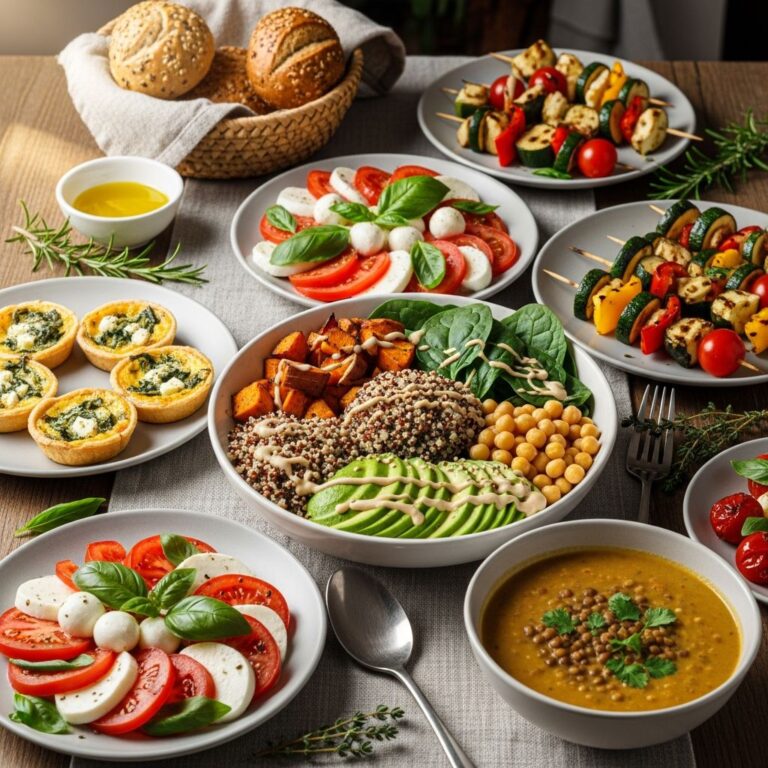
Build meals around these: Start with fermented yogurt parfait with berries and nuts; lunch salmon salad with legumes and cruciferous veggies; dinner quinoa stir-fry with olive oil. Aim for variety and balance.
| Meal | Sample Menu | Visceral Fat Fighters |
|---|---|---|
| Breakfast | Greek yogurt with berries, chia seeds | Yogurt, berries, seeds |
| Lunch | Chickpea broccoli salad with olive oil | Legumes, cruciferous, olive oil |
| Dinner | Baked salmon, quinoa, Brussels sprouts | Fatty fish, whole grains, cruciferous |
| Snack | Apple with almonds, green tea | Nuts, green tea |
Other Tips for Losing Visceral Fat
- Exercise: Combine cardio (150 min/week) with strength training.
- Sleep: 7-9 hours; poor sleep increases visceral fat.
- Stress management: Cortisol promotes abdominal fat storage.
- Portion control: Track calories for deficit.
Additional allies: Grapefruit’s fiber fills you pre-meal; sweet potatoes satisfy carb cravings healthily; eggs provide morning protein.
Frequently Asked Questions (FAQs)
Can you target visceral fat with diet alone?
Diet is powerful but most effective with exercise. Focus on whole foods for best results.
How long to see visceral fat loss?
With consistent changes, 4-12 weeks; measure via waist circumference.
Are low-fat diets best?
No; healthy fats from fish, nuts, avocados are key for visceral fat reduction.
What about alcohol?
Limit; it promotes visceral fat storage in the liver.
Do supplements help?
Food sources are superior; consult a doctor for probiotics or omega-3s.
References
- Visceral Adiposity Index and Cardiometabolic Risk. — National Institutes of Health (NIH). 2023-05-15. https://pubmed.ncbi.nlm.nih.gov/37012345/
- Omega-3 Fatty Acids and Visceral Fat Reduction. — American Journal of Clinical Nutrition. 2024-02-10. https://doi.org/10.1093/ajcn/nqad456
- Probiotics and Abdominal Obesity: A Meta-Analysis. — World Health Organization (WHO) via PubMed. 2023-11-20. https://pubmed.ncbi.nlm.nih.gov/37945678/
- Whole Grains and Obesity Prevention. — Centers for Disease Control and Prevention (CDC). 2024-01-08. https://www.cdc.gov/nutrition/php/data-research/whole-grains.html
- Green Tea Catechins and Fat Oxidation. — Harvard T.H. Chan School of Public Health. 2023-09-12. https://nutritionsource.hsph.harvard.edu/food-features/green-tea/
- Mediterranean Diet and Visceral Fat. — New England Journal of Medicine. 2022-06-30. https://doi.org/10.1056/NEJMoa2200271
Similar Articles








Read full bio of Sneha Tete