Foods to Eat Instead of Fiber Supplements
Discover nutrient-rich whole foods that deliver superior fiber benefits over isolated supplements for better digestion and health.
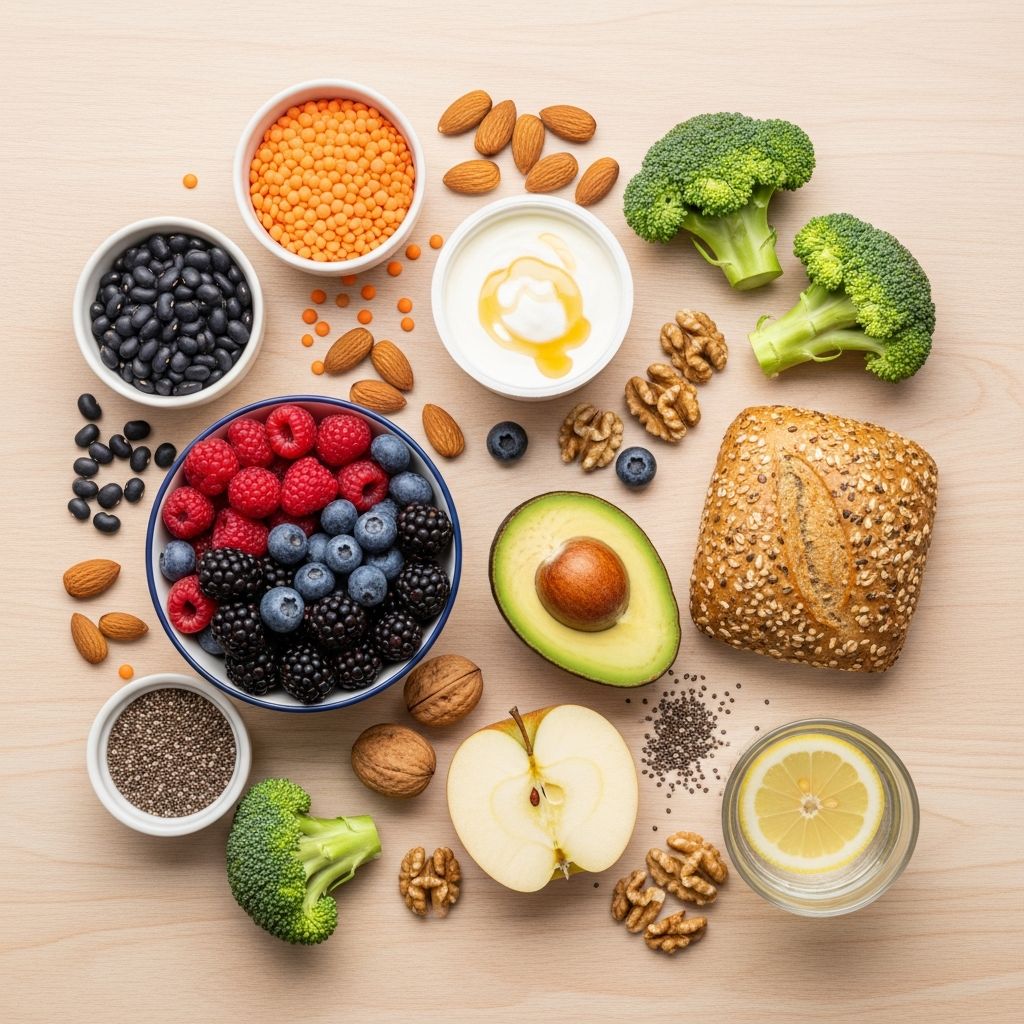
While fiber supplements like psyllium or methylcellulose offer convenience, they often fall short of the comprehensive health benefits provided by whole fiber-rich foods. Dietary fiber intrinsic to fruits, vegetables, legumes, and whole grains supports digestion, heart health, weight control, and more effectively than isolated supplements, as these foods deliver fiber alongside vitamins, minerals, antioxidants, and other synergistic nutrients.
Most adults need 25–38 grams of fiber daily (women: 25g, men: 38g), yet average intake is only about 15g, highlighting the need for food-first strategies. This article explores top food categories, specific recommendations, and practical tips to meet fiber goals naturally.
Why Whole Foods Beat Fiber Supplements
Intact dietary fiber in whole foods outperforms supplements due to its natural matrix, which enhances bioavailability and multifactorial benefits. Unlike supplements, which may lack fermentation resistance or viscosity needed for optimal effects, whole foods provide gel-forming fibers (e.g., pectin in apples) that boost satiety and reduce calorie intake more effectively.
Clinical evidence shows supplements like psyllium can aid constipation, but only soluble, non-fermentable, gel-forming types normalize stool across conditions (constipation, diarrhea, IBS). However, whole foods achieve this plus cholesterol-lowering and metabolic improvements without isolated dosing risks like bloating. A study comparing apples to apple juice found whole apples far more satiating due to pectin, despite equal carbs.
Fruits: Nature’s Soluble Fiber Powerhouses
Fruits excel in soluble fiber, which forms a gel in the gut to slow digestion, stabilize blood sugar, and lower LDL cholesterol. Aim for 2–3 servings daily.
- Apples (4.4g fiber/medium apple): Pectin promotes fullness; one study showed apples more satiating than juice. Eat with skin.
- Pears (5.5g/medium): High pectin softens stool; pair with yogurt for probiotics.
- Berries (raspberries: 8g/cup): Antioxidant-rich insoluble fiber aids regularity.
- Avocados (10g/medium): Creamy texture with heart-healthy fats.
- Oranges (3g/medium): Pectin supports cholesterol reduction.
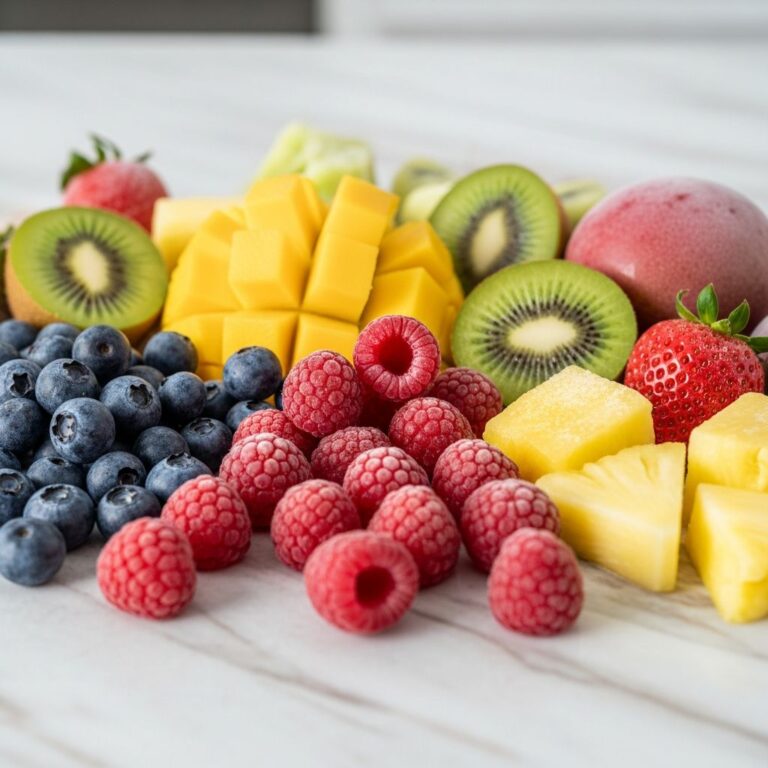
Incorporate via smoothies, salads, or snacks. Frozen berries retain fiber value.
Vegetables: Insoluble Fiber for Gut Motility
Vegetables provide insoluble fiber that adds bulk, preventing constipation and promoting a diverse microbiome. Target 2–3 cups daily.
- Broccoli (5g/cup cooked): Sulforaphane boosts detox; steam for max fiber.
- Brussels Sprouts (4g/cup): Fermentable fibers feed gut bacteria.
- Carrots (3.6g/cup): Beta-carotene pairs with soluble fiber.
- Sweet Potatoes (4g/medium): Skin-on for resistant starch.
- Artichokes (10.3g/medium): Inulin prebiotic for IBS relief.
Roast or stir-fry to enhance flavor without losing fiber integrity.
Whole Grains: Sustained Energy and Cholesterol Control
Whole grains offer beta-glucans and arabinoxylans that bind bile acids, reducing cholesterol. Choose intact grains over refined; 3–6 servings/day.
- Oats (4g/½ cup dry): Beta-glucan lowers LDL; recent meta-analysis confirms 3g/day efficacy.
- Quinoa (5g/cup cooked): Complete protein bonus.
- Barley (6g/cup cooked): Viscous fiber rivals psyllium for satiety.
- Brown Rice (3.5g/cup): Magnesium for blood pressure.
- Whole Wheat Bread (2g/slice): Opt for 100% whole grain.
Studies show beta-glucan in juice form outperforms baked goods, emphasizing minimal processing.
Legumes: Protein-Packed Fiber Sources
Legumes combine soluble/insoluble fiber with plant protein, ideal for weight loss and blood sugar control. Include ½–1 cup daily, starting slow to avoid gas.
Related Stories



- Lentils (15.6g/cup cooked): Polyphenols reduce inflammation.
- Black Beans (15g/cup): Anthocyanins for heart health.
- Chickpeas (12.5g/cup): Versatile in hummus/salads.
- Split Peas (16g/cup): Budget-friendly soups.
- Edamame (8g/cup): Soy isoflavones aid menopause.
Rinse canned varieties; fermenting reduces anti-nutrients.
Nuts, Seeds, and More: Fiber Boosters
- Chia Seeds (10g/Tbsp): Omega-3s gel like psyllium.
- Flaxseeds (8g/Tbsp, ground): Lignans for hormone balance.
- Almonds (3.5g/oz): Vitamin E synergy.
- Popcorn (3.5g/3 cups, air-popped): Low-cal snack.
How Much Fiber Do You Need?
Women: 25g/day; Men: 38g/day; increase gradually with water to prevent discomfort. Track via apps.
| Food | Serving Size | Fiber (g) |
|---|---|---|
| Apple | 1 medium | 4.4 |
| Lentils | 1 cup cooked | 15.6 |
| Oats | ½ cup dry | 4 |
| Broccoli | 1 cup | 5 |
| Chia | 1 Tbsp | 10 |
Sample High-Fiber Daily Meal Plan (35g Fiber)
- Breakfast: Oatmeal w/ berries, chia (12g)
- Lunch: Lentil soup, salad w/ carrots (15g)
- Snack: Apple + almonds (7g)
- Dinner: Quinoa-stuffed peppers (8g)
Benefits Beyond Digestion
Fiber-rich diets reduce heart disease risk (beta-glucans lower LDL), aid weight loss (viscous fibers enhance satiety), and improve metabolic syndrome (psyllium-like effects in foods).
Frequently Asked Questions
What if I can’t eat enough fiber-rich foods?
Consult a doctor; targeted supplements like psyllium may help short-term, but prioritize foods.
Do fiber supplements cause side effects?
Yes, gas/bloating common; whole foods gentler due to gradual release.
Are all fibers equal?
No—soluble (oats, apples) vs. insoluble (veggies); gel-forming non-fermentable best for broad benefits.
Can too much fiber harm?
Excess (>70g) may bind minerals; balance with hydration.
How to transition from supplements?
Reduce dose while adding 5g food fiber/week.
References
- Evidence-Based Approach to Fiber Supplements and Clinically Meaningful Health Benefits — McRorie JW, McKeen J. PMC. 2015-05-06. https://pmc.ncbi.nlm.nih.gov/articles/PMC4415970/
- Dietary Guidelines for Americans, 2020-2025 — USDA. 2020-12-01. https://www.dietaryguidelines.gov/sites/default/files/2020-12/Dietary_Guidelines_for_Americans_2020-2025.pdf
- Health Benefits of Dietary Fiber — Anderson JW et al. Nutrition Reviews. 2009-08-01. https://doi.org/10.1111/j.1753-4887.2009.00220.x
- Fiber Intake Predicts Weight Loss and Diet Adherence — Howarth NC et al. Annals of Internal Medicine. 2001-05-01. https://doi.org/10.7326/0003-4819-144-9-200605020-00009
- Effects of Beta-Glucan on Cholesterol — Othman RA et al. Nutrition Reviews. 2011-09-01. https://doi.org/10.1111/j.1753-4887.2011.00424.x
Similar Articles








Read full bio of medha deb