Foods To Eat To Live To 100: 8 Essential Blue Zone Staples
Discover the plant-powered foods and Blue Zone eating habits that help people live to 100 and beyond.
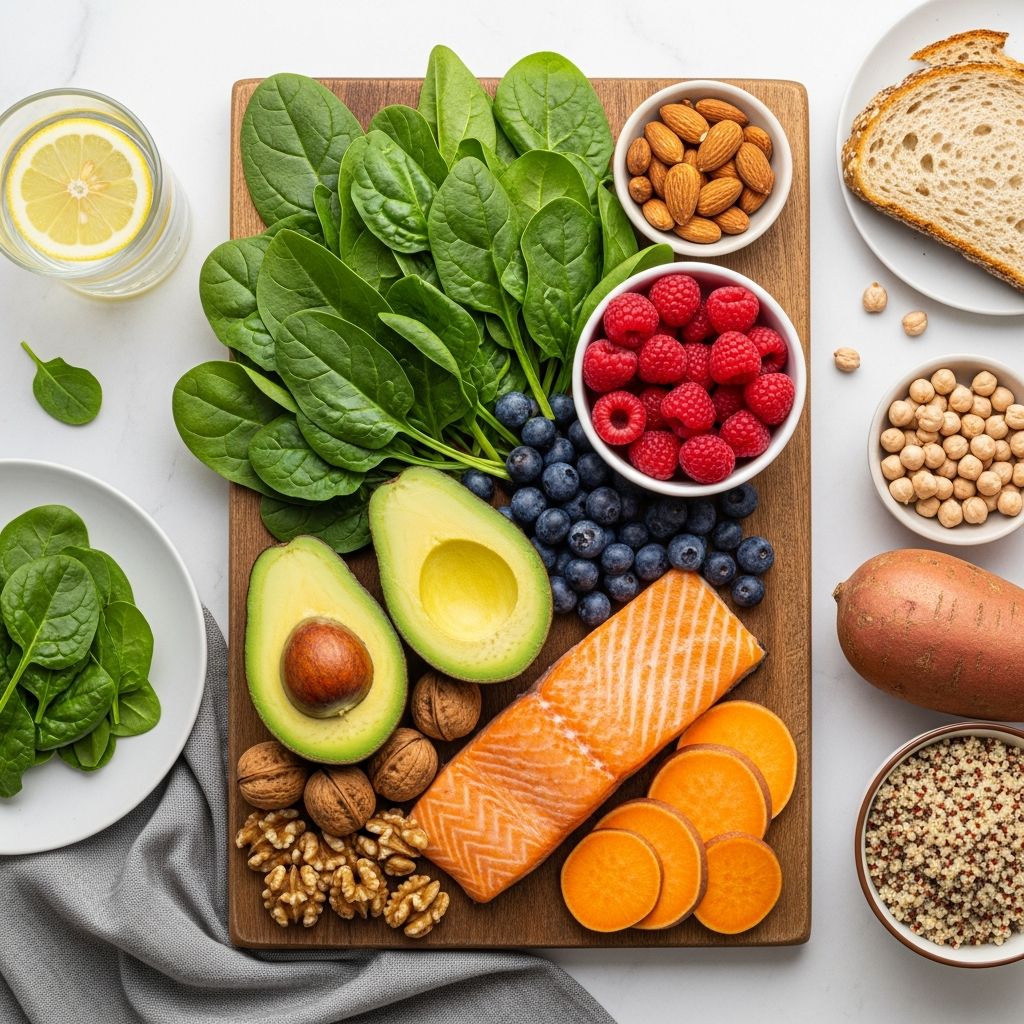
People in Blue Zones—regions with the highest concentrations of centenarians—follow simple, plant-forward eating patterns that emphasize whole foods, beans, greens, and nuts. These diets, studied extensively by researchers like Dan Buettner, contribute to exceptional longevity by reducing chronic disease risk and supporting overall vitality.
What Are Blue Zones?
Blue Zones are five regions identified for producing disproportionate numbers of people who live to 100 or older: Okinawa (Japan), Sardinia (Italy), Nicoya (Costa Rica), Ikaria (Greece), and Loma Linda (California). Despite cultural differences, their diets share common threads—a 95-100% plant-based foundation with beans as a daily staple, minimal processed foods, and natural portion control.
Adopting these habits can mimic their outcomes. Studies show Blue Zone-style eating lowers mortality risk by promoting heart health, stable blood sugar, and anti-inflammatory effects.
Blue Zone Eating Principles
Centenarians prioritize whole, in-season foods over processed items. Key principles include:
- 95-100% plant-based: Vegetables, fruits, whole grains, and legumes dominate meals.
- Beans daily: At least ½-1 cup provides protein and fiber.
- Nuts regularly: 1-2 handfuls daily for healthy fats and protein.
- Minimal animal products: Used sparingly for flavor, not as mains.
- Low sugar: Under 28g daily (7 tsp), far below averages.
- Water primary: 7+ glasses daily, plus moderate tea, coffee, or wine.
- 80% rule (Hara Hachi Bu): Stop eating when 80% full, practiced in Okinawa.
1. Beans
Beans are the cornerstone of Blue Zone diets, eaten daily by nearly all centenarians. In Sardinia, fava beans; in Nicoya, black beans; in Loma Linda, lentils—all provide complete proteins, fiber, and antioxidants that stabilize blood sugar and reduce cholesterol.
Why beans promote longevity: A cup daily correlates with 8 extra years of life, per Blue Zone research. They lower heart disease risk by 20-30% and support gut health via prebiotics.
- Sardinian fava beans: Boiled with garlic and herbs for simple minestrone.
- Nicoyan black beans: Slow-cooked with corn in ‘gallo pinto’.
- Okinawan soybeans: Fermented into miso or natto.
Incorporate beans by swapping meat in soups, salads, or sides. Aim for variety: lentils, chickpeas, pinto beans.
2. Greens
Leafy greens like spinach, kale, chard, and beet greens appear in every Blue Zone meal, often raw or lightly cooked. Ikarians favor wild horta (foraged greens); Okinawans eat sweet potato greens.
Health benefits: Greens are nutrient powerhouses with vitamins A, C, K, folate, and polyphenols that fight inflammation and oxidative stress—key aging accelerators. Eating 1-2 cups daily slashes mortality by 15-20%.
Incorporate via:
- Ikarian salads with dandelion greens and lemon-olive oil.
- Sardinian minestrone packed with cabbage and chard.
- Nicoyan smoothies with moringa or purslane.
3. Sweet Potatoes
Okinawans consume sweet potatoes as a staple carb, replacing rice. Purple varieties are rich in anthocyanins, fiber, and vitamin A, supporting immune function and digestion.
Longevity edge: Low glycemic index prevents blood sugar spikes; antioxidants protect cells. Okinawan men eat 5x more sweet potatoes than Americans, correlating with low cancer rates.
Prep tips: Bake whole, mash into soups, or slice for snacks. Choose colorful varieties for max antioxidants.
4. Nuts
All Blue Zones snack on almonds, pistachios, or walnuts—1-2 handfuls daily. These provide monounsaturated fats, protein, and vitamin E that lower LDL cholesterol and inflammation.
Evidence: Nut eaters have 20% lower cardiovascular death risk. In Adventist Blue Zones, nuts replace processed snacks.
Related Stories



- Sardinia: Almonds in festivity breads.
- Ikaria: Walnuts in honey treats.
- Nicoya: Local macadamia-like nuts.
5. Olive Oil
Extra-virgin olive oil (EVOO) is Ikaria and Sardinia’s ‘elixir.’ Used generously (2-3 tbsp daily), its oleocanthal mimics ibuprofen’s anti-inflammatory effects.
Benefits: Reduces heart disease by 30%, protects brain health. Drizzle on everything—salads, veggies, beans.
6. Whole Grains
Barley, oats, quinoa, and corn form meal bases. Sardinians eat barley-based ‘pasta’; Nicoyans, corn tortillas.
High fiber aids digestion, controls weight. Whole grains cut diabetes risk by 25%.
7. Fruit
Fresh, in-season fruit ends meals. Lemons in Ikaria, papaya in Nicoya—low-sugar options packed with fiber and vitamins.
8. Fermented Foods
Okinawan turmeric tea, Sardinian cheeses, Nicoyan corn drinks boost gut microbiome, linked to lower inflammation and better immunity.
Foods to Limit or Avoid
Blue Zone diets minimize:
- Meat: 5x/year max, small portions.
- Dairy/Eggs: Occasional flavoring.
- Sugar/Refined carbs: <7 tsp/day; avoid sodas, pastries.
- Processed meats: Classified carcinogenic; linked to higher mortality.
Sample Blue Zone Daily Meal Plan
| Meal | Foods | Blue Zone Inspiration |
|---|---|---|
| Breakfast | Oatmeal with nuts, berries, sweet potato | Loma Linda/Okinawa |
| Lunch | Bean soup, greens salad, whole grain bread, olive oil | Sardinia/Ikaria |
| Snack | Handful nuts, fruit | All Zones |
| Dinner | Minestrone with beans/greens, fermented side | Nicoya |
How to Start a Blue Zone Diet
- Add beans daily: Start with ½ cup.
- Greens half-plate: Every meal.
- Swap snacks: Nuts over chips.
- Use EVOO: As primary fat.
- Practice Hara Hachi Bu: Eat mindfully.
Frequently Asked Questions (FAQs)
What is the #1 food for longevity?
Beans—eaten daily in all Blue Zones for protein, fiber, and disease prevention.
Can I eat meat on a Blue Zone diet?
Yes, sparingly—5 times/year max, in small celebratory portions.
How much olive oil daily?
2-3 tablespoons, focusing on extra-virgin for anti-inflammatory benefits.
Do Blue Zones drink alcohol?
Moderate red wine (1-2 glasses/day) in Sardinia/Ikaria, but water is primary.
Is fermented food essential?
Highly beneficial for gut health; include yogurt, kimchi, or miso.
References
- What the World’s Longest-Living People Eat — Northern Nevada Health System. 2024-02-27. https://northernnevadahealth.com/what-worlds-longest-living-people-eat/
- Healthy habits of people who live to 100 — Healthy Food. 2023. https://www.healthyfood.com/advice/healthy-habits-of-people-who-live-to-100/
- Blue Zones Lessons for Living Longer — National Geographic (Dan Buettner research summary). 2019-11-12. https://www.nationalgeographic.com/books/article/dan-buettner-blue-zones-lessons-living-longer
- Legume Consumption and Risk of Coronary Heart Disease — American Journal of Clinical Nutrition (DOI). 2015. https://doi.org/10.3945/ajcn.115.111359
- Mediterranean Diet and Telomere Length — British Medical Journal. 2014-07-10. https://www.bmj.com/content/349/bmj.g6674
Similar Articles








Read full bio of Sneha Tete