Omega-3 Supplements: What To Eat To Boost Absorption
Boost omega-3 benefits by pairing supplements with nutrient-rich foods like fatty fish, nuts, seeds, and greens for optimal heart and brain health.
Omega-3 fatty acids, particularly
EPA
(eicosapentaenoic acid) andDHA
(docosahexaenoic acid), play crucial roles in heart health, reducing inflammation, and supporting brain function. While supplements provide a convenient source, combining them with specific foods enhances absorption, balances nutrient intake, and maximizes benefits. The body’s ability to convert plant-basedALA
(alpha-linolenic acid) to EPA and DHA is limited, making dietary synergy essential.Why Pair Foods With Omega-3 Supplements?
Omega-3 supplements like fish oil or algal oil deliver concentrated EPA and DHA, but they work best within a nutrient-rich diet. Foods high in healthy fats improve fat-soluble omega-3 absorption, while antioxidants and other nutrients prevent oxidation and support overall efficacy. The Federal Government’s Dietary Guidelines for Americans recommends at least 8 ounces of seafood weekly, emphasizing choices rich in EPA and DHA like salmon and mackerel. Research shows marine omega-3s from food and supplements can reduce triglycerides by about 15% and lower risks of coronary events.
Pairing supplements with whole foods addresses gaps: supplements may lack co-factors like vitamin E for stability, and plant sources provide ALA for conditional needs. Mayo Clinic notes fish oil’s anti-inflammatory effects are amplified by dietary sources, potentially reducing rheumatoid arthritis symptoms. Harvard’s Nutrition Source stresses eating fatty fish 1-2 times weekly over relying solely on pills, as food forms offer broader protection.
Fatty Fish: The Gold Standard for EPA and DHA
Fatty fish are the richest natural sources of
EPA
andDHA
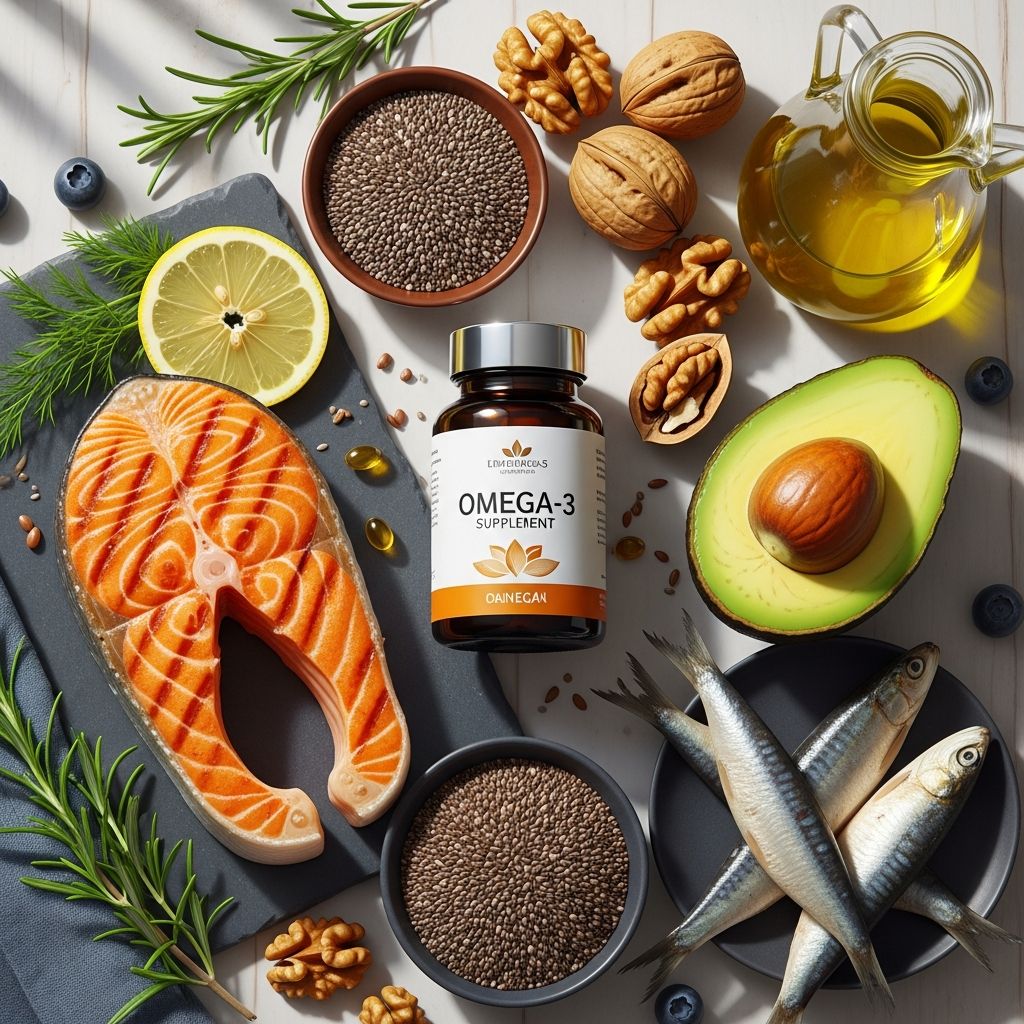
, directly bioavailable forms of omega-3s. When taking supplements, incorporate these 1-2 times weekly to complement intake without excess. Salmon, mackerel, sardines, and trout provide 1,000-2,000 mg EPA/DHA per serving, aligning with American Heart Association recommendations for heart patients.- Wild-caught salmon: Up to 2,000 mg EPA/DHA per 3-oz serving; bake or grill to preserve oils.
- Mackerel: High in omega-3s (1,000+ mg/serving); choose Atlantic varieties low in mercury.
- Sardines: Affordable, canned in water or olive oil; 1,500 mg per can.
- Trout: Freshwater option with 1,000 mg; pairs well with veggies.
- Tuna (albacore): Moderate source; limit to avoid mercury buildup.
Studies like the REDUCE-IT trial show high-EPA interventions reduce cardiovascular events, but everyday fish enhances supplement effects. Avoid frying to prevent omega-3 degradation.
Plant-Based Omega-3 Sources: ALA Powerhouses
For vegetarians or those limiting fish,
ALA
from plants converts (inefficiently) to EPA/DHA. Pair algal oil supplements with these for comprehensive coverage. Flaxseed, chia, and walnuts provide fiber and antioxidants, aiding absorption.- Flaxseeds: 2,300 mg ALA per tablespoon; grind for bioavailability; add to smoothies.
- Chia seeds: 5,000 mg ALA per ounce; form gels in yogurt or puddings.
- Walnuts: 2,500 mg ALA per ounce; snack handful daily.
- Hemp seeds: Balanced omega-3/6; sprinkle on salads.
- Canola oil: Use for cooking; better ALA ratio than other oils.
A 2020 review confirms algal oils as vegan DHA sources, sustainable alternatives to fish oil. Combine with supplements for 250-500 mg daily EPA/DHA equivalent.
Healthy Fats to Enhance Absorption
Omega-3s are fat-soluble; pair with monounsaturated and polyunsaturated fats for up to 3x better uptake. Avocado, olive oil, and nuts create an optimal medium.
Related Stories



- Avocados: Creamy fats boost supplement efficacy; add to salads with fish.
- Extra-virgin olive oil: Drizzle on veggies; anti-inflammatory polyphenols.
- Nuts (almonds, pistachios): Provide vitamin E to prevent oxidation.
Mayo Clinic highlights fish oil’s triglyceride-lowering paired with dietary fats.
Antioxidant-Rich Fruits and Vegetables
Oxidation degrades omega-3s; antioxidants like vitamins C and E preserve them. Leafy greens and berries counteract free radicals.
- Spinach and kale: ALA sources plus magnesium for heart rhythm.
- Berries (blueberries, strawberries): Vitamin C enhances stability.
- Broccoli: Sulforaphane supports anti-inflammatory effects.
- Bell peppers: High vitamin C for collagen and omega-3 synergy.
NIH notes cod liver oil’s vitamins A/D, but excess risks; balance with produce.
Whole Grains and Legumes for Balance
Fiber-rich options regulate digestion, preventing supplement GI side effects. They provide B vitamins for energy metabolism.
- Oats: Beta-glucan lowers cholesterol alongside omega-3s.
- Quinoa: Complete protein with magnesium.
- Beans and lentils: Plant ALA boosters.
Sample Meal Plan: Integrating Omega-3 Foods With Supplements
| Meal | Omega-3 Foods | Supplements Pairing Tip |
|---|---|---|
| Breakfast | Chia pudding with walnuts, berries | Take algal oil capsule with fat. |
| Lunch | Salmon salad with spinach, avocado | Fish oil post-meal for absorption. |
| Snack | Flaxseed crackers, almonds | Midday boost. |
| Dinner | Baked mackerel, quinoa, broccoli | Krill oil with olive oil dressing. |
This plan meets 250-500 mg EPA/DHA daily, per guidelines.
Potential Interactions and Precautions
High doses (>3g) increase bleeding risk; consult doctors if on blood thinners. Allergies to fish warrant algal/krill alternatives. Children/pregnant women: prioritize low-mercury fish.
Frequently Asked Questions (FAQs)
What is the best time to take omega-3 supplements with food?
With meals containing fats for optimal absorption; split doses if high.
Can vegetarians benefit from omega-3 supplements?
Yes, algal oil provides DHA/EPA; pair with ALA foods like flax.
Do omega-3 supplements reduce heart disease risk?
Evidence shows reduced MI/CHD death; best with diet.
Are there side effects when pairing foods with supplements?
Rare; fishy aftertaste minimized by food. Monitor triglycerides.
How much seafood weekly with supplements?
8 oz varied types, per Dietary Guidelines.
References
- Omega-3 Supplements: What You Need To Know — National Center for Complementary and Integrative Health (NCCIH), NIH. 2023-10-05. https://www.nccih.nih.gov/health/omega3-supplements-what-you-need-to-know
- Fish Oil — Mayo Clinic Staff. 2024-01-15. https://www.mayoclinic.org/drugs-supplements-fish-oil/art-20364810
- Omega-3 Fatty Acids: An Essential Contribution — Harvard T.H. Chan School of Public Health Nutrition Source. 2024-08-20. https://nutritionsource.hsph.harvard.edu/what-should-you-eat/fats-and-cholesterol/types-of-fat/omega-3-fats/
Similar Articles








Read full bio of medha deb