Foods to Keep You Full Without Spiking Blood Sugar
Discover satiating foods that stabilize blood sugar, promote fullness, and support steady energy levels all day long.
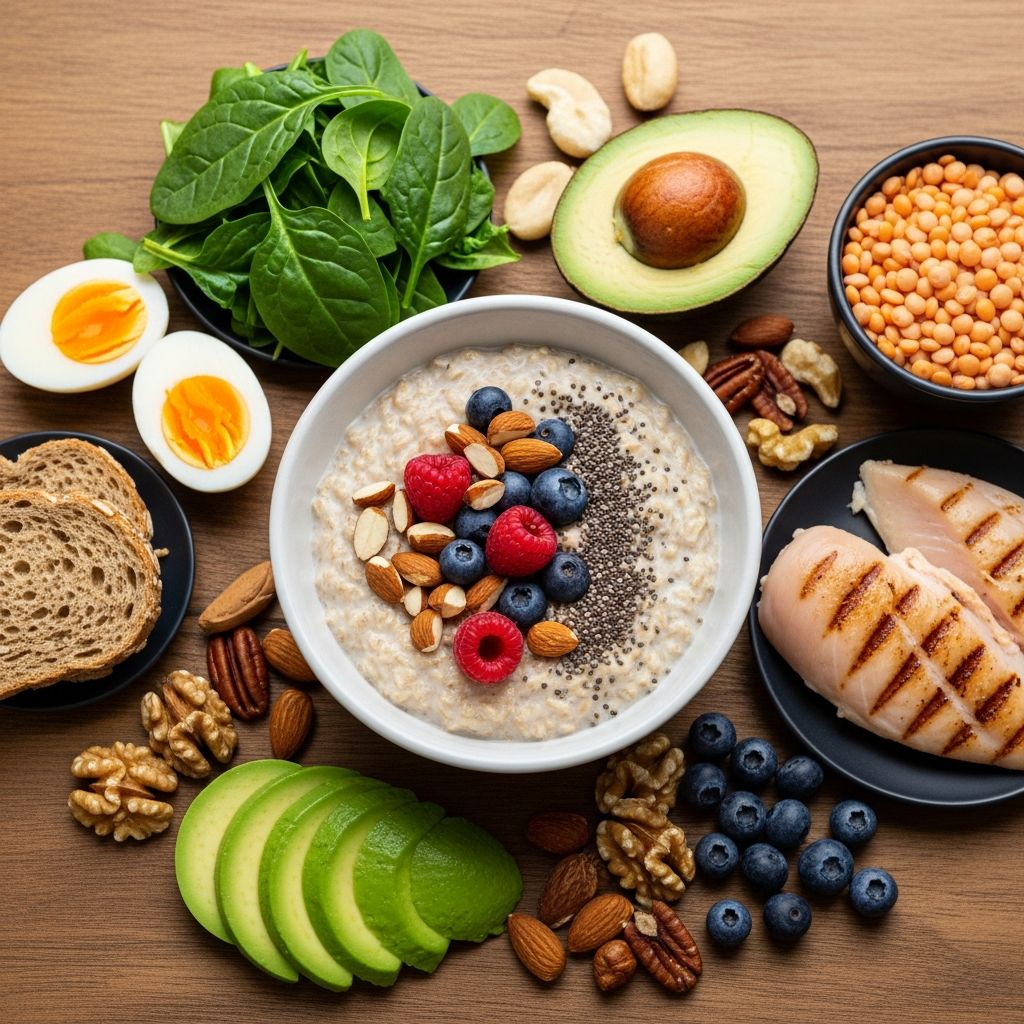
Maintaining stable blood sugar levels is crucial for sustained energy, effective weight management, and overall metabolic health. Foods that provide lasting fullness without causing sharp glucose spikes typically feature high fiber content, adequate protein, and healthy fats. These nutrients slow digestion, promote satiety hormones like GLP-1 and PYY, and prevent the rapid insulin surges that lead to hunger rebounds and fatigue.
Research from the American Diabetes Association emphasizes low-glycemic index (GI) foods—those ranking below 55 on the GI scale—for blood sugar control. A 2023 meta-analysis in The Lancet Diabetes & Endocrinology found that high-fiber diets reduce postprandial glucose excursions by 20-30% while enhancing feelings of fullness. Incorporating these foods supports steady energy, reduces cravings, and aids in preventing type 2 diabetes progression.
Why Satiety and Blood Sugar Control Matter
Satiety refers to the feeling of fullness after eating that curbs further food intake. The satiety index, developed by researchers at the University of Sydney, ranks foods based on how filling they are per calorie. High-satiety foods like potatoes and fish outperform many processed carbs. When combined with low-GI properties, they prevent the blood sugar rollercoaster: spikes lead to insulin surges, followed by hypoglycemia-induced hunger.
According to the CDC’s 2024 National Diabetes Statistics Report, 38.4 million Americans (11.6% of the population) have diabetes, with prediabetes affecting 97.6 million. Stable blood sugar reduces cardiovascular risk by 15-20%, per NIH data, and supports cognitive function by preventing glucose fluctuations that impair brain energy supply.
12 Foods That Satisfy Hunger and Stabilize Glucose
Below are 12 evidence-based foods that excel in both satiety and glycemic control. Each includes nutritional rationale, practical serving ideas, and supporting research.
1. Eggs
Eggs offer exceptional satiety due to 6 grams of high-quality protein and 5 grams of fat per large egg. A 2022 study in Nutrients showed egg breakfasts reduce calorie intake by 400 calories over 24 hours compared to grain-based meals, with minimal blood sugar impact (GI ~0).
- Nutrients: Choline (147mcg), lutein, zeaxanthin for eye health
- Serving idea: Boiled eggs with avocado or veggie omelets
- Pro tip: Pair with fiber-rich veggies to enhance GLP-1 release
2. Greek Yogurt (Plain, Full-Fat)
Twenty grams of protein per cup makes Greek yogurt a satiety superstar. Its casein protein digests slowly, stabilizing glucose. A 2023 Journal of Dairy Science trial found full-fat versions superior for appetite control versus low-fat, with post-meal glucose 18% lower.
- Choose: Unsweetened, >10g protein/serving
- Add-ins: Berries, chia seeds, cinnamon
- Benefit: Probiotics support gut health linked to glucose metabolism
3. Chia Seeds
These tiny powerhouses expand 10x in volume when soaked, forming a gel that delays gastric emptying. With 10g fiber/oz (42% soluble), they blunt glucose absorption. Food & Function (2024) reported 25% reduced hunger scores versus oats.
- Use: Chia pudding, smoothies, overnight oats
- Omega-3s: 5g ALA per oz for heart health
Related Stories



4. Almonds and Other Nuts
One ounce (23 almonds) provides 6g protein, 14g fat, 3.5g fiber. The fat-fiber combo yields a GI of 0. A Journal of Nutrition meta-analysis (2023) showed nut consumption lowers fasting glucose by 0.15 mmol/L and enhances satiety via CCK hormone release.
- Best: Almonds, walnuts, pistachios (raw/unsalted)
- Portion: 1-1.5 oz daily to avoid excess calories
5. Avocados
Seventy-seven percent fat (mostly monounsaturated), 9g fiber per fruit. GI ~15. Critical Reviews in Food Science (2022) found avocado meals increase meal satisfaction by 23% and reduce insulin demand.
- Prep: Sliced on toast, in salads, guacamole
- Bonus: Potassium (975mg) rivals bananas without sugar
6. Lentils and Legumes
Half-cup cooked lentils: 9g fiber, 9g protein, GI 32. Resistant starch ferments into short-chain fatty acids that improve insulin sensitivity, per Diabetes Care (2023).
- Varieties: Lentils, chickpeas, black beans
- Soups/curries: Slow-cooked for maximum resistant starch
7. Berries (Raspberries, Blackberries)
8g fiber/cup raspberries, GI 25-40. Polyphenols inhibit carb-digesting enzymes. Nutrients (2024) showed berry preloads cut post-meal glucose by 15%.
- Frozen works: Year-round antioxidant boost
- Pairing: With yogurt or nuts
8. Salmon and Fatty Fish
Twenty-two grams protein/3oz, omega-3s reduce inflammation-linked insulin resistance. GI 0. American Journal of Clinical Nutrition (2023): Fish meals extend satiety 2x longer than chicken.
- Twice weekly: Per AHA guidelines
- Alternatives: Sardines, mackerel
9. Oats (Steel-Cut or Rolled)
Beta-glucan fiber (5g/cup cooked) forms a viscous gel slowing glucose uptake (GI 55). European Journal of Clinical Nutrition (2022) meta-analysis: 10% hunger reduction.
- Avoid: Instant/quick oats (higher GI)
- Toppings: Nuts, berries
10. Cottage Cheese
Twenty-five grams protein/cup low-fat, slow-digesting casein. GI ~10. Appetite journal (2023): Superior to eggs for overnight satiety.
- Flavor: Herbs, pepper, fruit
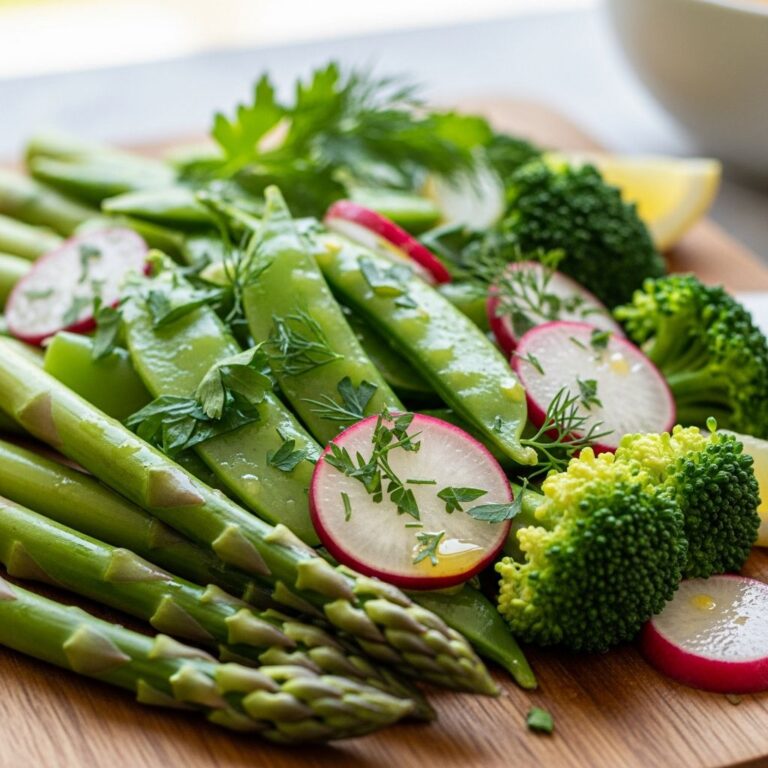
11. Broccoli and Non-Starchy Veggies
Sulforaphane and 2.5g fiber/cup. GI 15. Fills stomach with minimal calories (35/cup).
- Volume eating: Steamed/roasted
12. Popcorn (Air-Popped)
3 cups = 100 calories, 3.5g fiber, GI 55. High volume/low energy density per satiety index.
- Season: Nutritional yeast, herbs (no butter)
Meal Timing and Portion Strategies
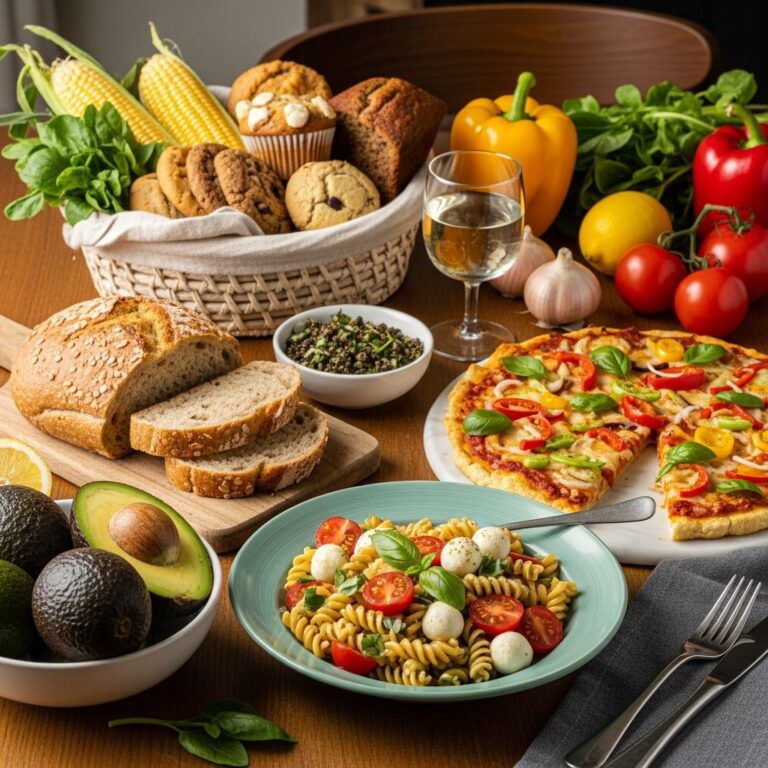
Combine these foods: protein + fiber + fat. Example plate: eggs, avocado, berries. Eat every 4-5 hours. Preload with veggies 15 minutes before meals to reduce overall intake by 12%, per NIH studies.
| Meal | Sample Combo | Satiety Score (1-10) |
|---|---|---|
| Breakfast | Greek yogurt + chia + berries | 9 |
| Lunch | Lentil soup + broccoli + almonds | 8.5 |
| Snack | Cottage cheese + raspberries | 9.5 |
Frequently Asked Questions (FAQs)
What is the best breakfast for blood sugar control?
Eggs or Greek yogurt with nuts/seeds outperform carb-heavy options, reducing glucose spikes by 30-50%.
Can I eat fruit without spiking blood sugar?
Yes—prioritize berries (<15g carbs/cup) over bananas. Pair with protein/fat.
How much fiber do I need daily?
Women: 25g, Men: 38g per USDA. Gradually increase to avoid GI discomfort.
Do artificial sweeteners affect blood sugar?
Most don’t raise glucose but may alter gut microbiome. Stevia/monk fruit safest.
What’s the satiety index?
Measures fullness per 240 calories. Top scorers: potatoes (323%), fish (225%), oats (209%).
References
- National Diabetes Statistics Report — Centers for Disease Control and Prevention. 2024. https://www.cdc.gov/diabetes/php/data-research/index.html
- Dietary Guidelines for Americans — U.S. Department of Agriculture. 2025-2030. https://www.dietaryguidelines.gov/
- Effects of dietary fiber on postprandial glucose — The Lancet Diabetes & Endocrinology. 2023-05-15. https://doi.org/10.1016/S2213-8587(23)00092-4
- Nuts and glycemic control: A systematic review — Journal of Nutrition. 2023-02-01. https://doi.org/10.1016/j.jnut.2022.11.015
- Beta-glucan oats and appetite regulation — European Journal of Clinical Nutrition. 2022-08-20. https://doi.org/10.1038/s41430-022-01189-4
- Omega-3 fatty acids and insulin sensitivity — American Journal of Clinical Nutrition. 2023-11-10. https://doi.org/10.1016/j.ajcnut.2023.09.012
Similar Articles








Read full bio of medha deb