Foods To Lower Blood Pressure: A Comprehensive Guide
Discover nutrient-rich foods and practical tips to naturally manage and lower high blood pressure through diet.
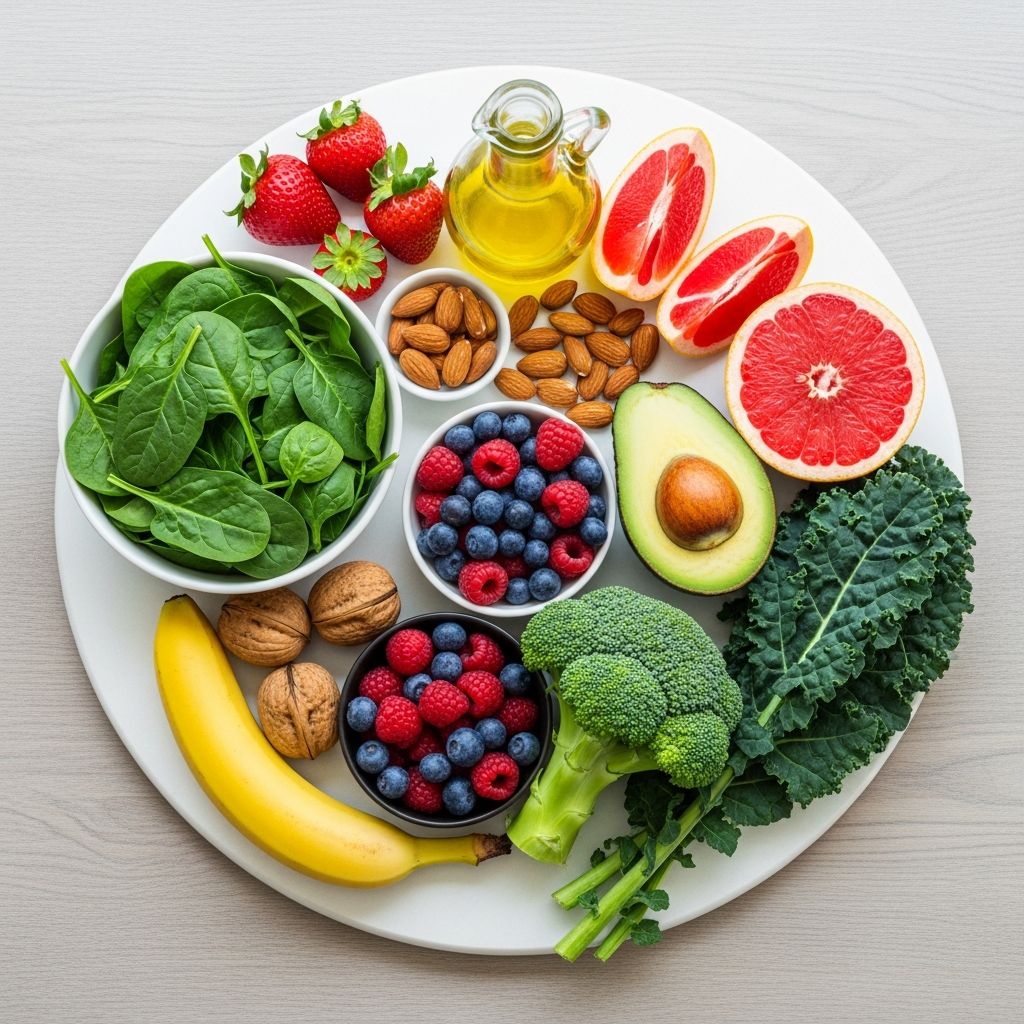
High blood pressure, or hypertension, affects millions worldwide and increases the risk of heart disease and stroke. Fortunately, incorporating specific foods into your diet can help lower blood pressure naturally by providing essential nutrients like potassium, magnesium, nitrates, and fiber. This guide draws from established eating plans like the DASH diet to outline effective food choices, backed by research from authoritative sources such as the National Heart, Lung, and Blood Institute (NHLBI) and the American Heart Association (AHA).
What is High Blood Pressure?
High blood pressure occurs when the force of blood against artery walls is consistently too high, often without noticeable symptoms. It is defined as readings above 130/80 mmHg. Risk factors include age, family history, poor diet, lack of exercise, and excess sodium intake. Untreated, it can lead to serious complications like heart attacks and kidney damage. Lifestyle changes, particularly dietary adjustments, are first-line recommendations for management.
The Role of Diet in Managing Blood Pressure
Diet plays a pivotal role in blood pressure control. Reducing sodium, increasing potassium, and consuming nitrate-rich foods help relax blood vessels and improve blood flow. Studies show that diets rich in fruits, vegetables, whole grains, and low-fat dairy can lower systolic blood pressure by 5-11 mmHg, comparable to some medications. The DASH diet, developed by the NHLBI, emphasizes these foods and has been proven effective in clinical trials.
Key Nutrients That Help Lower Blood Pressure
Certain nutrients counteract sodium’s effects and promote vascular health. Here’s a breakdown:
- Potassium: Balances sodium levels, relaxes blood vessel walls, and aids kidney function in excreting excess salt. Aim for 4,700 mg daily.
- Magnesium: Relaxes blood vessels and supports heart rhythm. Target 300-400 mg per day.
- Calcium: Helps blood vessels contract and relax properly. Low-fat dairy is a prime source.
- Fiber: Produces short-chain fatty acids that lower blood pressure. Adults need 25-35 grams daily.
- Omega-3 Fatty Acids: Reduce inflammation and plaque buildup in arteries.
- Nitrates: Convert to nitric oxide, dilating blood vessels for better flow.
Foods Rich in Potassium
Potassium-rich foods are foundational for blood pressure management. They help flush out sodium and ease tension in artery walls.
- Bananas: A portable snack with about 422 mg per medium fruit. Eat one daily for a quick boost.
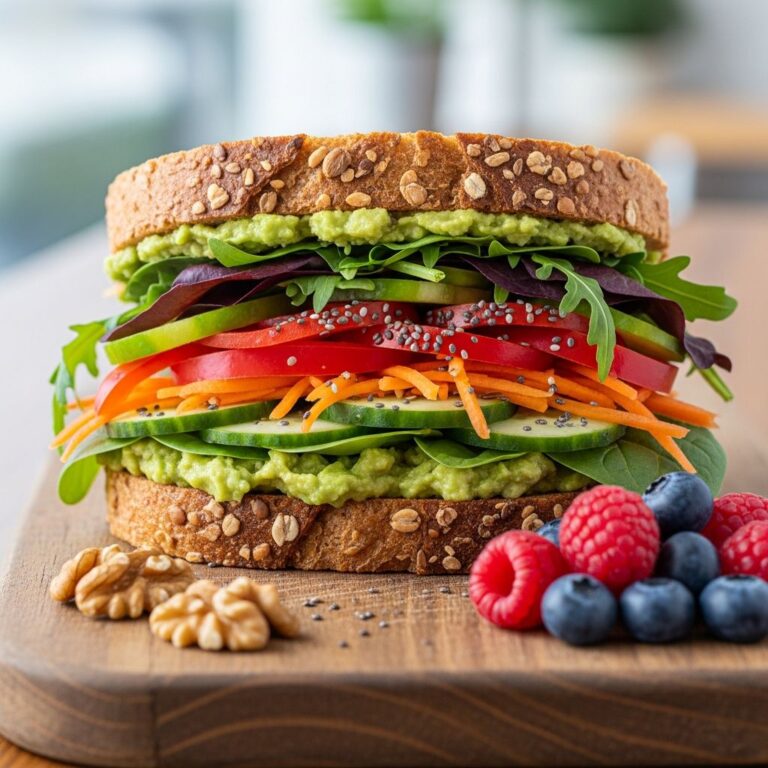
- Avocados: Provide 708 mg per half, plus healthy fats. Add to salads or toast.
- Sweet Potatoes: One medium baked sweet potato offers 542 mg, with skin for extra fiber.
- Spinach: Cooked spinach delivers 558 mg per cup. Sauté as a side.
- Oranges and Dried Apricots: Oranges have 237 mg each; dried apricots pack 1,162 mg per cup.
Incorporate these into meals: Try a banana-avocado smoothie or baked sweet potato with spinach.
Related Stories



Foods High in Magnesium
Magnesium deficiency is linked to hypertension. Boost intake with these options.
- Leafy Greens: Spinach (157 mg per cup cooked), kale, and Swiss chard.
- Nuts and Seeds: Almonds (80 mg per ounce), pumpkin seeds (168 mg per ounce), chia seeds.
- Whole Grains: Brown rice, oats (rolled oats: 138 mg per cup cooked), quinoa.
- Legumes: Black beans (120 mg per cup) and kidney beans.
A handful of almonds or oatmeal breakfast provides substantial amounts without excess calories.
Calcium-Packed Foods for Vascular Health
Calcium supports smooth muscle function in blood vessels.
- Low-Fat Dairy: Greek yogurt (200 mg per cup), milk, cottage cheese.
- Leafy Greens: Kale and collard greens (180 mg per cup cooked).
- Fortified Foods: Plant milks and cereals.
Opt for unsweetened Greek yogurt topped with berries for a calcium-potassium combo.
Fiber-Rich Foods to Support Gut and Heart Health
Soluble fiber lowers blood pressure via gut bacteria metabolites.
- Whole Grains: Oats (beta-glucan fiber lowers systolic/diastolic pressure), brown rice, whole wheat bread.
- Fruits and Veggies: Berries (4g per half cup), apples with skin, broccoli.
- Legumes: Beans and lentils (15g fiber per cup).
Start days with oatmeal topped with berries for 10g+ fiber.
Omega-3 Sources for Anti-Inflammatory Benefits
These fats slow arterial plaque formation.
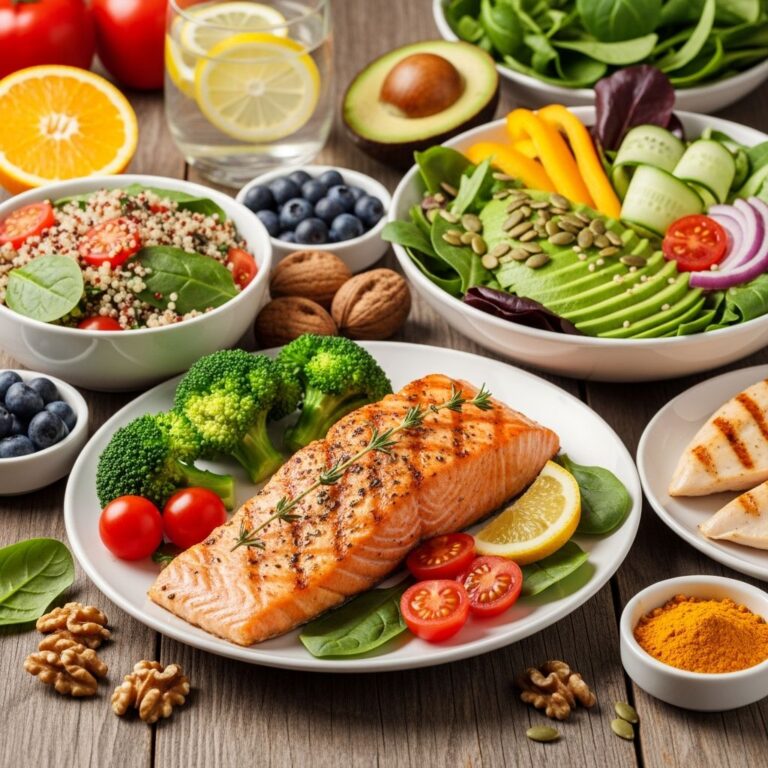
- Fatty Fish: Salmon, tuna, mackerel, sardines (twice weekly).
- Nuts/Seeds: Walnuts, flaxseeds, chia seeds.
- Legumes: Soybeans.
Broil salmon with veggies for a heart-healthy meal.
Nitrate Powerhouses
Nitrates naturally dilate vessels.
- Leafy Greens: Arugula, spinach.
- Beets: Beetroot or juice lowers systolic pressure.
- Berries: Blueberries, strawberries (anthocyanins aid reduction).
Blend beet juice into smoothies; caution with blood thinners due to vitamin K in greens.
The DASH Diet: A Proven Plan
The DASH diet, endorsed by NHLBI, Mayo Clinic, and AHA, lowers blood pressure effectively.
| Food Group | Servings/Day (2,000 cal) | Example Serving |
|---|---|---|
| Vegetables | 4-5 | 1 cup raw leafy greens or ½ cup cooked |
| Fruits | 4-5 | 1 medium fruit or ½ cup fresh |
| Grains (½ whole) | 7-8 | 1 slice wholemeal bread or ½ cup cooked rice |
| Low-fat Dairy | 2-3 | 1 cup milk or yogurt |
| Lean Meats/Fish | ≤2 | 3 oz cooked |
| Nuts/Seeds/Legumes | 4-5/week | ⅓ cup nuts or ½ cup beans |
Limit sodium to 2,300 mg (ideally 1,500 mg), sweets, and saturated fats.
Plant-Based Proteins for Prevention
Recent AHA-funded research shows 20g daily plant protein reduces hypertension risk by 16%.
- Beans, lentils, chickpeas, edamame, nuts, tofu, oats, quinoa.
These provide fiber and minerals synergistically.
Sample Meal Plan
- Breakfast: Oatmeal with bananas, berries, chia seeds.
- Lunch: Spinach salad with beets, pistachios, feta, vinaigrette.
- Dinner: Grilled salmon, sweet potato, broccoli.
- Snacks: Greek yogurt with kiwi, handful almonds.
Frequently Asked Questions (FAQs)
Q: How quickly do these foods lower blood pressure?
A: Benefits can appear in 2 weeks with consistent DASH adherence, per NHLBI studies.
Q: Can I eat these if on blood thinners?
A: Consult your doctor; high vitamin K greens may interact.
Q: What’s the sodium limit on DASH?
A: 2,300 mg/day or less, ideally 1,500 mg for hypertension.
Q: Are supplements better than food?
A: Whole foods provide synergistic nutrients; prioritize diet over pills.
Q: Does alcohol affect this diet?
A: Limit to 1 drink/day women, 2 for men; excess raises pressure.
Additional Tips
Combine diet with 150 min weekly exercise, stress management, and weight control for optimal results. Track blood pressure and consult healthcare providers.
References
- Foods That Can Lower Your Blood Pressure Naturally — Northwestern Medicine. 2023. https://www.nm.org/healthbeat/healthy-tips/foods-that-can-lower-your-blood-pressure-naturally
- 10 Foods That Help Lower Blood Pressure Naturally — National Council on Aging. 2023. https://www.ncoa.org/article/10-foods-that-help-lower-your-blood-pressure-naturally/
- DASH diet – healthy eating that helps lower blood pressure — Patient.info. 2023. https://patient.info/features/heart-health/dash-diet-healthy-eating-that-helps-lower-blood-pressure
- Plant-based proteins could help prevent high blood pressure — Patient.info (American Heart Association reviewed). 2025-08-07. https://patient.info/features/heart-health/plant-based-proteins-could-help-prevent-high-blood-pressure
- How can lifestyle changes help lower blood pressure? — Patient.info. 2023. https://patient.info/heart-health/high-blood-pressure-hypertension/lifestyle
- DASH Eating Plan — National Heart, Lung, and Blood Institute (NHLBI), NIH. 2023. https://www.nhlbi.nih.gov/education/dash-eating-plan
- DASH diet: Healthy eating to lower your blood pressure — Mayo Clinic. 2023. https://www.mayoclinic.org/healthy-lifestyle/nutrition-and-healthy-eating/in-depth/dash-diet/art-20048456
- How to Manage High Blood Pressure — American Heart Association. 2023. https://www.heart.org/en/health-topics/high-blood-pressure/changes-you-can-make-to-manage-high-blood-pressure
Similar Articles








Read full bio of Sneha Tete