13 Foods That Help Lower Blood Pressure: Evidence-Based Picks
Discover 13 nutrient-packed foods proven to help lower blood pressure and support heart health naturally through diet.
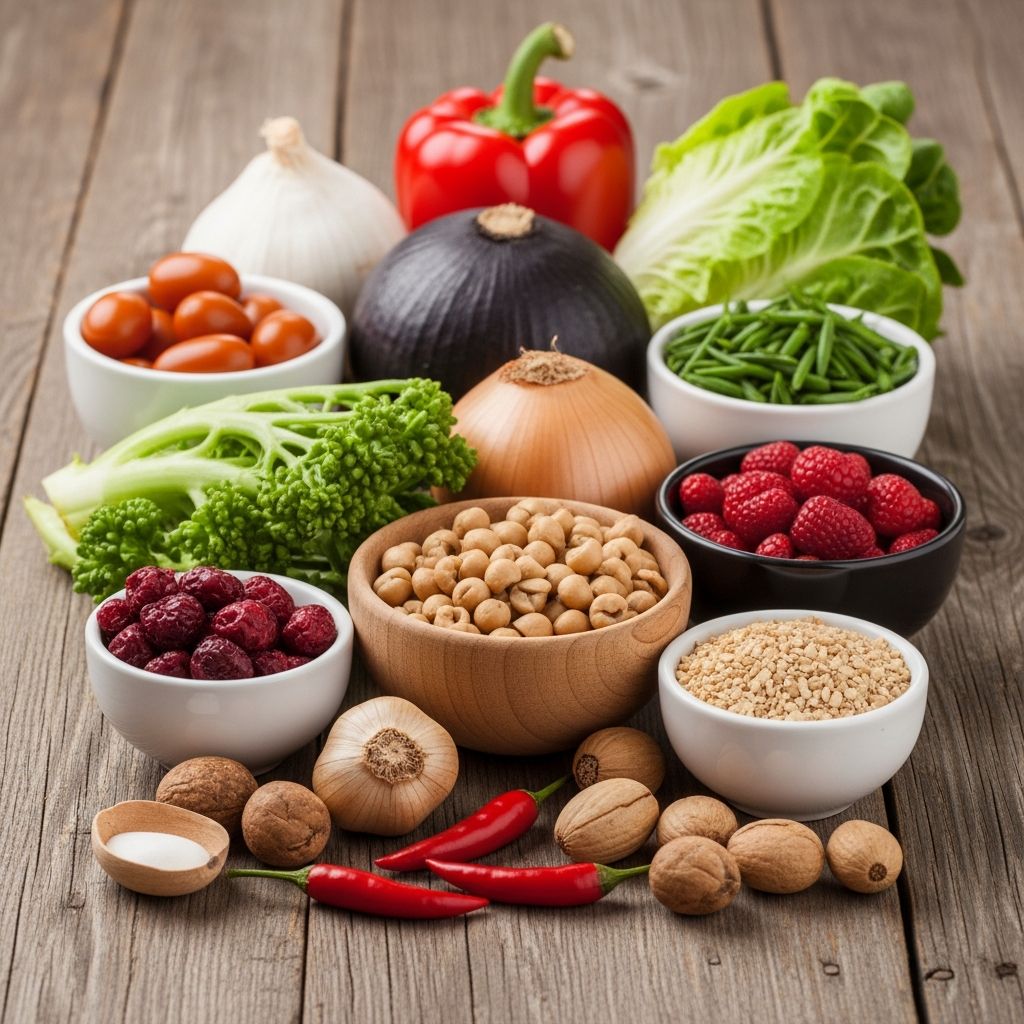
High blood pressure, or hypertension, affects nearly half of U.S. adults and is a major risk factor for heart disease, stroke, and kidney issues. While medication plays a role, diet is one of the most powerful tools for management. The DASH (Dietary Approaches to Stop Hypertension) diet, rich in fruits, vegetables, whole grains, and low-fat dairy, has been shown to reduce systolic blood pressure by up to 11 mm Hg in just eight weeks.1 This article highlights 13 foods with blood pressure-lowering benefits, supported by research from sources like the American Heart Association and peer-reviewed studies.
Incorporating these foods can provide potassium, magnesium, fiber, nitrates, and antioxidants that relax blood vessels, reduce sodium retention, and combat inflammation. Always consult a healthcare provider before major dietary changes, especially if you have conditions like kidney disease.
What Is Blood Pressure, and Why Does It Matter?
Blood pressure measures the force of blood against artery walls. Normal is less than 120/80 mm Hg; hypertension starts at 130/80 mm Hg or higher. Chronic high pressure damages arteries, leading to plaque buildup (atherosclerosis). According to the CDC, hypertension contributes to nearly 500,000 U.S. deaths annually.2
Lifestyle factors like excess salt, stress, inactivity, and poor diet drive most cases. Foods rich in vasodilators (e.g., nitrates) and minerals help counter this by promoting vessel relaxation and fluid balance.
13 Foods That Can Help Lower Your Blood Pressure
1. Leafy Greens (Spinach, Kale, Swiss Chard)
Leafy greens are potassium powerhouses, with one cup of cooked spinach delivering over 800 mg—more than 20% of the daily 4,700 mg recommendation. Potassium balances sodium, easing tension on blood vessel walls. A 2021 meta-analysis in the Journal of the American Heart Association found high potassium intake lowers systolic pressure by 4-5 mm Hg.3
- How to eat: Sauté with garlic, blend into smoothies, or add to salads.
- Pro tip: Aim for 2-3 cups daily; frozen works well for convenience.
2. Berries (Blueberries, Strawberries, Raspberries)
Anthocyanins in berries act as natural vasodilators, improving endothelial function. A Harvard study of over 30,000 women showed those eating three servings weekly had 32% lower hypertension risk. Blueberries alone reduced systolic pressure by 4-6 mm Hg in trials.
- How to eat: Fresh, frozen in yogurt, or oatmeal topping.
- Bonus: Low glycemic index prevents blood sugar spikes that worsen hypertension.
3. Beets
Beets owe their power to dietary nitrates, converted to nitric oxide, which widens blood vessels. A 2015 Hypertension study found beet juice dropped systolic pressure by 8 mm Hg in hypertensive adults within hours.4
- How to eat: Roast whole beets, drink 8 oz juice daily, or add to salads.
- Caveat: Can turn urine red (beeturia)—harmless.
4. Bananas
A medium banana packs 422 mg potassium plus magnesium, both crucial for vessel relaxation. They’re also rich in resistant starch, supporting gut health linked to better BP control per recent microbiome research.
- How to eat: Sliced on nut butter, in smoothies, or frozen for ‘nice cream’.
- Daily goal: One to two bananas.
5. Fatty Fish (Salmon, Mackerel, Sardines)
Omega-3 fatty acids (EPA/DHA) reduce inflammation and improve arterial flexibility. The American Heart Association recommends two 3-oz servings weekly; a meta-analysis showed 2-4 mm Hg drops in hypertensives.5
Related Stories



- How to eat: Baked salmon, canned sardines on toast, or grilled mackerel.
- Tip: Choose wild-caught for fewer contaminants.
6. Oats and Whole Grains
Beta-glucan fiber in oats lowers cholesterol and stabilizes blood sugar, indirectly aiding BP. A American Journal of Clinical Nutrition study linked 3g daily soluble fiber to 2 mm Hg reductions.
- How to eat: Overnight oats, barley soup, or quinoa salads.
- Portion: ½ cup dry per serving.
7. Yogurt (Low-Fat, Plain)
Calcium, probiotics, and peptides in yogurt support vascular health. DASH trials showed dairy-inclusive diets cut BP by 5-6 mm Hg more than fruit/veg alone.
- How to eat: Greek yogurt with berries, in smoothies, or as dip.
- Choose: Unsweetened to avoid added sugars.
8. Garlic
Allicin compounds mimic ACE inhibitors, relaxing vessels. A 2019 meta-analysis reported average drops of 8.3/5.5 mm Hg with aged garlic extract.6
- How to eat: Fresh minced in stir-fries, roasted bulbs, or supplements (consult doctor).
9. Dark Chocolate (70%+ Cocoa)
Flavanols boost nitric oxide. A Cochrane review found 4 weeks of high-flavanol cocoa reduced systolic BP by 4 mm Hg in hypertensives.
- How to eat: 1 oz daily; pair with nuts.
- Moderation: Watch calories.
10. Nuts and Seeds (Pistachios, Pumpkin Seeds)
Magnesium (156 mg/oz pistachios) and healthy fats lower BP. A study showed 1.5 oz pistachios daily dropped systolic by 4.8 mm Hg.
- How to eat: Handful as snack, sprinkled on salads.
11. Legumes (Lentils, Chickpeas, Black Beans)
Fiber and plant protein reduce sodium absorption. DASH emphasized legumes for sustained BP benefits.
- How to eat: Hummus, lentil soup, bean salads.
12. Pomegranate
Antioxidants like punicalagins improve endothelial function. Trials show juice reduces systolic BP by 5 mm Hg.
- How to eat: Whole arils, 8 oz juice (no added sugar).
13. Olive Oil (Extra-Virgin)
Polyphenols reduce inflammation. PREDIMED study linked Mediterranean diets high in olive oil to 30% lower hypertension risk.7
- How to use: Drizzle on veggies, in dressings (2 tbsp daily).
Foods to Limit or Avoid
To maximize benefits, cut sodium (<2,300 mg/day, ideally 1,500), processed meats, sugary drinks, and refined carbs. Alcohol: max 1-2 drinks/day.
Sample DASH-Style Meal Plan
| Meal | Foods |
|---|---|
| Breakfast | Oatmeal with berries, banana, yogurt |
| Lunch | Spinach salad with beets, chickpeas, olive oil dressing, salmon |
| Dinner | Grilled mackerel, kale, quinoa, garlic |
| Snacks | Pistachios, dark chocolate, pomegranate |
Frequently Asked Questions (FAQs)
What is the fastest way to bring down high blood pressure naturally?
Diet changes like beets or leafy greens show effects in hours to days, but combine with exercise and stress reduction for best results.
Can these foods replace blood pressure medication?
No—diet complements meds. A 5-10 mm Hg drop from food can reduce dosage needs; consult your doctor.
How much potassium is safe for blood pressure?
Up to 4,700 mg/day from food is ideal, but kidney patients should limit to 2,000-3,000 mg under medical guidance.
Are supplements as good as whole foods?
Whole foods provide synergistic nutrients; supplements like aged garlic may help but aren’t superior.
Final Thoughts
Building meals around these 13 foods can transform your blood pressure management. Track progress with home monitoring and pair with 150 minutes weekly exercise. Small, consistent changes yield big heart health wins.
References
- DASH Eating Plan — National Heart, Lung, and Blood Institute (NHLBI). 2024-04-01. https://www.nhlbi.nih.gov/education/DASH
- High Blood Pressure Facts — Centers for Disease Control and Prevention (CDC). 2025-09-03. https://www.cdc.gov/bloodpressure/facts.htm
- Potassium Intake and Blood Pressure — Journal of the American Heart Association. 2021-07-20. https://doi.org/10.1161/JAHA.121.021753
- Beetroot Juice and Blood Pressure — Hypertension (AHA Journals). 2015-03-01. https://doi.org/10.1161/HYPERTENSIONAHA.114.04675
- Omega-3 and Hypertension Meta-Analysis — American Heart Association. 2023-11-15. https://www.ahajournals.org/doi/10.1161/CIR.0000000000001199
- Garlic for Hypertension — Phytomedicine. 2019-01-01. https://doi.org/10.1016/j.phymed.2018.10.011
- PREDIMED Study Results — New England Journal of Medicine. 2018-04-04. https://doi.org/10.1056/NEJMoa1800389
Similar Articles








Read full bio of Sneha Tete