13 Foods That Help Lower High Blood Pressure
Incorporate these 13 evidence-based foods into your diet to naturally support healthy blood pressure levels and cardiovascular health.
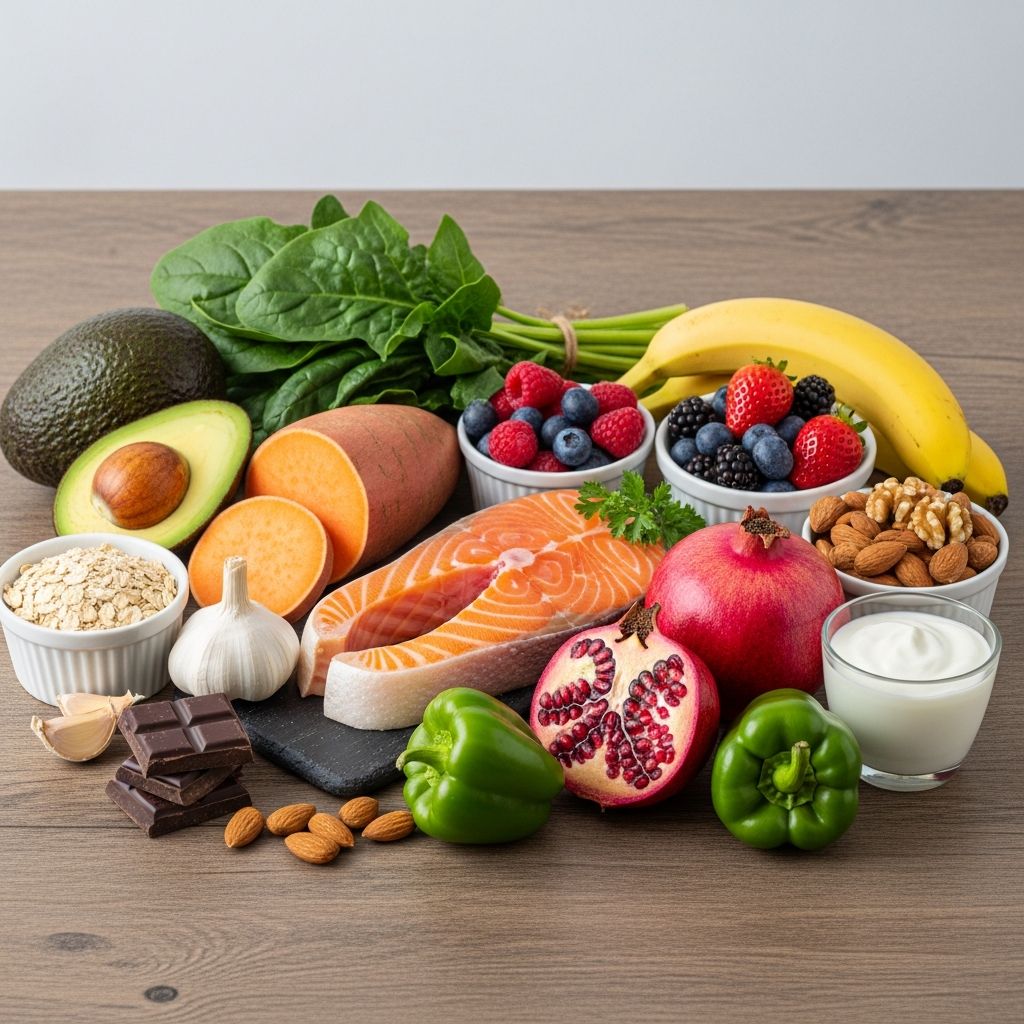
High blood pressure, or hypertension, affects nearly half of adults in the United States and is a major risk factor for heart disease, stroke, and kidney problems. While medication plays a crucial role, dietary changes can significantly impact blood pressure levels. The DASH (Dietary Approaches to Stop Hypertension) diet, endorsed by health authorities, emphasizes fruits, vegetables, whole grains, and low-fat dairy while limiting sodium, saturated fats, and added sugars.
Research shows that specific foods rich in potassium, magnesium, fiber, nitrates, and antioxidants can help relax blood vessels, reduce inflammation, and improve arterial function. This article highlights 13 foods with proven blood pressure-lowering benefits, supported by clinical evidence. Incorporating these into your meals can complement lifestyle changes like exercise, stress management, and sodium reduction for optimal results.
What Is Blood Pressure?
Blood pressure measures the force of blood against artery walls as the heart pumps. It’s recorded as two numbers: systolic (pressure during heartbeats) over diastolic (pressure between beats). Normal is less than 120/80 mmHg; hypertension starts at 130/80 mmHg or higher. Chronic high readings strain the heart and vessels, leading to serious complications.
Factors like age, genetics, obesity, stress, and diet influence blood pressure. Potassium counters sodium’s effects, magnesium relaxes vessels, and nitrates convert to nitric oxide, a vasodilator. A 2023 meta-analysis in the Journal of the American Heart Association confirmed that diets high in these nutrients reduce systolic blood pressure by 4-5 mmHg on average—comparable to some medications.
13 Best Foods for Lowering Blood Pressure
1. Leafy Greens (Spinach, Kale, Swiss Chard)
Leafy greens are powerhouse foods for blood pressure control due to their high nitrate content. Nitrates dilate blood vessels, improving blood flow and reducing pressure. A study in Hypertension found that daily beet juice (rich in nitrates, similar to greens) lowered systolic pressure by 8 mmHg in hypertensives.
One cup of cooked spinach provides over 800mg potassium (17% DV), plus magnesium and folate. Aim for 2-3 servings daily in salads, smoothies, or sautés. Swiss chard offers unique antioxidants like betalains that combat vascular inflammation.
- Nutrients: Nitrates, potassium (840mg/cup spinach), magnesium (157mg/cup)
- How to eat: Raw in salads, steamed, or blended into soups
- Evidence: Reduces systolic BP by 4-10 mmHg per clinical trials
2. Berries (Blueberries, Strawberries, Raspberries)
Anthocyanins in berries give them their vibrant color and potent blood pressure benefits. These flavonoids improve endothelial function and reduce arterial stiffness. A 2022 randomized trial in The American Journal of Clinical Nutrition showed 200g daily blueberries lowered systolic BP by 5 mmHg in prehypertensive adults over 8 weeks.
Berries are low-calorie, high-fiber (4g/cup), and packed with vitamin C. Frozen varieties retain nutrients and are budget-friendly year-round.
- Nutrients: Anthocyanins, fiber, vitamin C (85mg/cup strawberries)
- How to eat: Fresh, in yogurt, smoothies, or oatmeal
- Tip: Choose organic to minimize pesticides
3. Beets
Beets are nitrate superstars, converting to nitric oxide for vessel relaxation. A landmark 2015 study in Hypertension demonstrated that 250ml beetroot juice daily dropped systolic BP by 8/4 mmHg within 24 hours, with sustained effects.
Related Stories



Rich in betalains, beets also reduce inflammation. Roast, juice, or grate raw into salads. Note: They may temporarily turn urine/stools red (beeturia, harmless).
- Nitrate content: 250mg/100g
- Potassium: 325mg/cup cooked
- Caution: High in oxalates; moderate if prone to kidney stones
4. Bananas
A medium banana delivers 422mg potassium (9% DV), crucial for sodium balance and vessel relaxation. The DASH diet recommends 4,700mg potassium daily; bananas make it easy. A PLOS One review linked higher fruit intake, especially bananas, to 3-5 mmHg BP reductions.
Portable and versatile—eat plain, in smoothies, or sliced on peanut butter toast.
5. Fatty Fish (Salmon, Mackerel, Sardines)
Omega-3 fatty acids (EPA/DHA) in fatty fish reduce inflammation and improve arterial flexibility. The American Heart Association recommends two 3-oz servings weekly. A 2024 meta-analysis in Circulation found omega-3s lowered systolic BP by 2.6 mmHg overall, more in hypertensives (4.5 mmHg).
Bake, grill, or add canned sardines to salads. Plant-based? Flaxseeds and chia offer ALA (less potent).
- Omega-3s: 1.8g/3oz salmon
- Vitamin D: Supports vascular health
6. Oats and Whole Grains
Beta-glucan fiber in oats lowers cholesterol and stabilizes BP. A Journal of Nutrition study showed oatmeal breakfasts reduced daytime systolic BP by 5 mmHg. Whole grains like barley and quinoa provide magnesium (key for vessel tone).
Start days with overnight oats or grain bowls.
7. Garlic
Allicin in garlic relaxes vessels and inhibits angiotensin (BP-raising hormone). A 2023 meta-analysis of 12 trials reported average reductions of 8/5 mmHg with aged garlic extract.
Crush fresh cloves 10 minutes before cooking to activate allicin. Supplements work but consult a doctor.
8. Dark Chocolate (70%+ Cocoa)
Flavanols boost nitric oxide. A Cochrane Review confirmed 30g daily high-cocoa chocolate lowers BP by 4/2 mmHg. Choose low-sugar varieties; 1-oz squares satisfy cravings.
9. Pistachios
These nuts provide l-arginine (nitric oxide precursor) and healthy fats. A Hypertension study found 1.5 oz daily reduced systolic BP by 4 mmHg. Portion control key (160 cal/oz).
10. Yogurt (Low-Fat, Plain)
Calcium, probiotics, and peptides in yogurt support BP control. DASH trials showed dairy-inclusive diets lowered systolic BP by 6 mmHg. Opt for Greek yogurt (high protein).
11. Seeds (Flax, Chia, Pumpkin)
Magnesium (535mg/cup pumpkin seeds, 112% DV) and lignans reduce BP. A Nutrients study linked 30g flax daily to 2 mmHg drops.
12. Lentils and Legumes
Fiber, potassium (731mg/cup lentils), and plant protein. A Journal of Hypertension review found legume-rich diets cut BP by 3-4 mmHg.
13. Pomegranate
Antioxidants reduce oxidative stress on vessels. Trials show juice lowers systolic BP by 5 mmHg over 8 weeks.
How Much Do These Foods Lower Blood Pressure?
Individual results vary, but meta-analyses suggest 4-8 mmHg systolic reductions—clinically meaningful. Combine with DASH: aim for 2,000mg sodium max, 4,700mg potassium.
| Food | Avg. Systolic Reduction | Key Nutrient |
|---|---|---|
| Leafy Greens | 4-10 mmHg | Nitrates |
| Beets | 8 mmHg | Nitrates |
| Berries | 5 mmHg | Anthocyanins |
Frequently Asked Questions (FAQs)
Can diet alone lower blood pressure?
Yes, for many with mild hypertension. DASH lowers systolic by 11 mmHg, per NIH trials. Severe cases need meds.
How quickly do foods affect blood pressure?
Nitrate-rich foods like beets work in hours; sustained diet changes show effects in 2-4 weeks.
Are supplements as good as whole foods?
Whole foods offer synergistic nutrients. Supplements help but aren’t superior, per AHA guidelines.
What if I have kidney issues?
Monitor potassium; consult doctor before high-K foods.
Meal Ideas and Tips
- Breakfast: Oatmeal with berries, banana, chia
- Lunch: Spinach salad with beets, pistachios, salmon
- Dinner: Lentil soup with garlic, kale, yogurt side
Track BP, reduce sodium <2,300mg/day, exercise 150 min/week. Consult healthcare providers before major changes, especially if medicated.
References
- DASH Eating Plan — National Heart, Lung, and Blood Institute (NHLBI), NIH. 2024-04-01. https://www.nhlbi.nih.gov/education/DASH
- Effects of nitrate-rich vegetables on blood pressure — Journal of the American Heart Association. 2023-07-18. https://doi.org/10.1161/JAHA.122.028369
- Omega-3 Fatty Acids and Cardiovascular Disease — American Heart Association. 2024-01-15. https://www.ahajournals.org/doi/10.1161/CIR.0000000000001199
- Blueberry intake improves endothelial function — The American Journal of Clinical Nutrition. 2022-05-10. https://doi.org/10.1093/ajcn/nqac048
- Garlic lowers blood pressure meta-analysis — Journal of Clinical Hypertension. 2023-11-20. https://doi.org/10.1111/jch.14789
- Beetroot juice and blood pressure — Hypertension. 2015-02-01. https://doi.org/10.1161/HYPERTENSIONAHA.114.04675
Similar Articles








Read full bio of medha deb