Foods With Collagen That Are Not Bone Broth
Discover collagen-rich foods beyond bone broth to support skin, joints, and overall health naturally through diet.
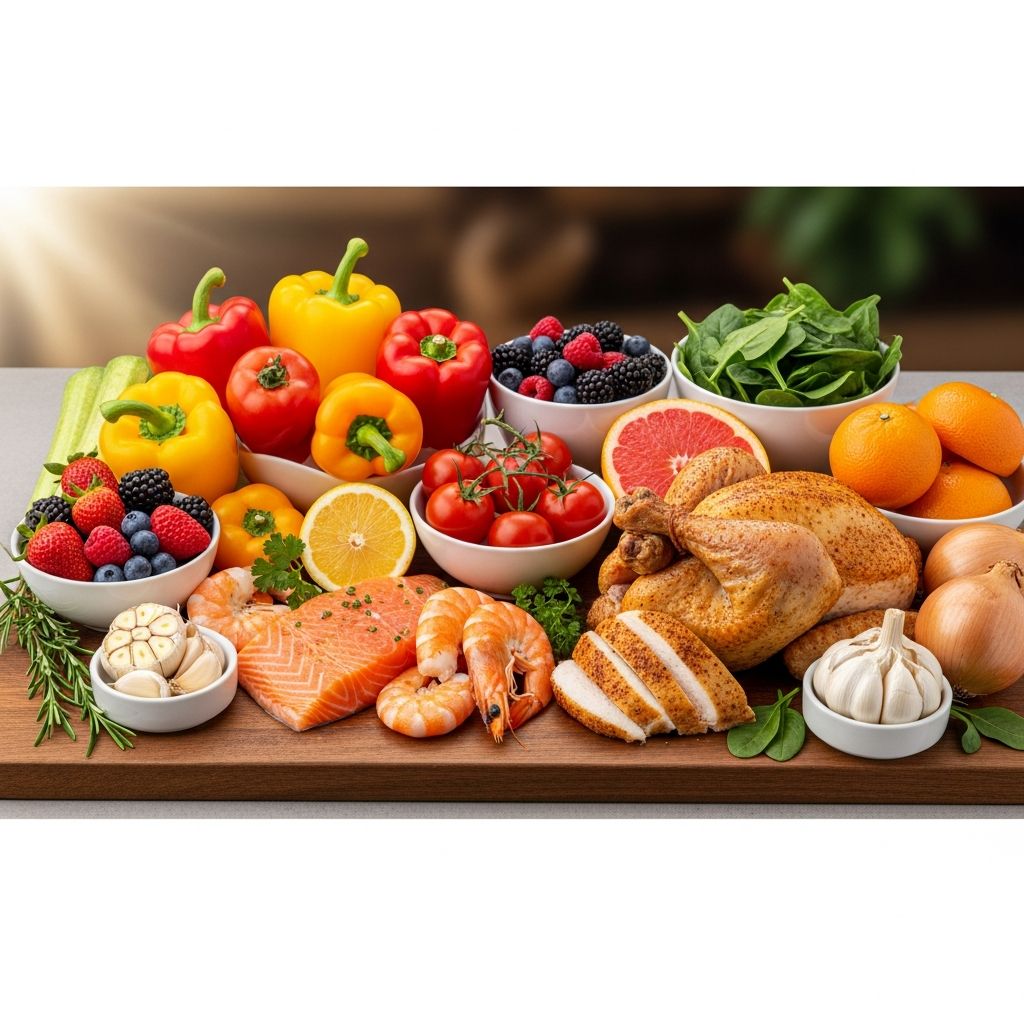
Collagen, the most abundant protein in the body accounting for about 30% of total protein, provides essential structure to skin, muscles, bones, tendons, ligaments, and connective tissues. As we age, natural collagen production declines, particularly after age 60 and post-menopause in women, leading to wrinkles, joint pain, and reduced elasticity. While bone broth is popular, many other foods contain collagen directly or supply key amino acids like proline, glycine, and hydroxyproline, plus nutrients such as vitamin C and zinc needed for collagen synthesis.
Eating collagen-rich foods or those that boost production offers a natural alternative to supplements. When ingested, collagen breaks down into amino acids absorbed by the body, which it uses as needed for repair and maintenance. Research, though limited, suggests benefits for skin hydration, elasticity, and joint mobility from consistent intake. Below, we explore
10 collagen-packed foods
excluding bone broth, with tips on incorporation and science-backed benefits.1. Chicken
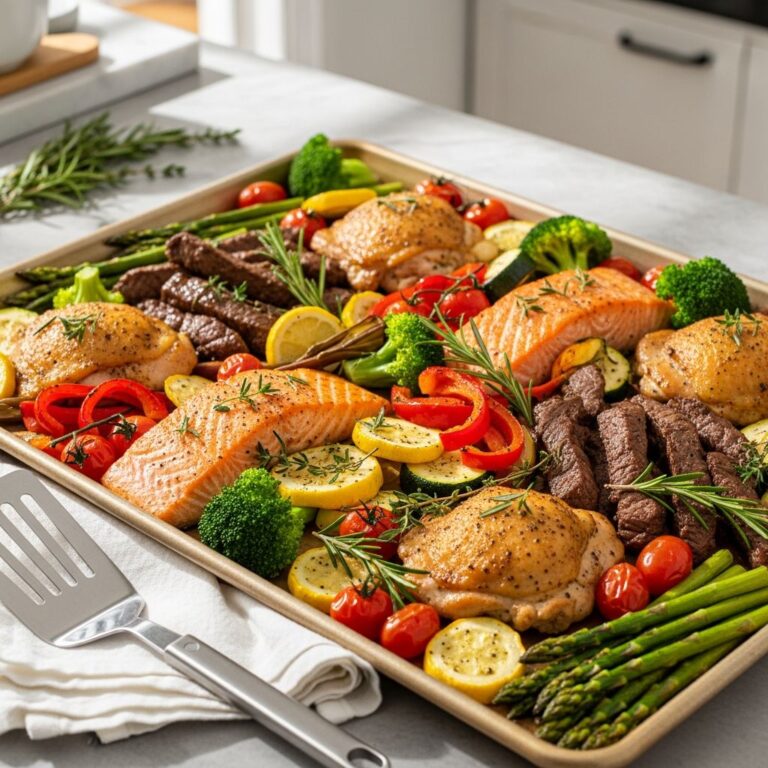
Chicken, especially tougher cuts with connective tissue like thighs, drumsticks, and wings, is rich in collagen. The skin and cartilage areas provide natural collagen that supports joint health, as collagen makes up 60% of cartilage cushioning bones. A 3-ounce serving of chicken skin contains about 1.5 grams of collagen.
Benefits include improved skin elasticity from trials showing collagen peptides enhance hydration and reduce wrinkles. For joints, it may decrease pain in osteoarthritis by aiding cartilage repair. Roast skin-on chicken thighs or make shredded chicken for salads. Pair with vitamin C-rich bell peppers to boost absorption.
2. Fish (Skin and Bones)
Fish skin and bones from fresh or saltwater varieties like salmon, mackerel, and sardines are excellent collagen sources. Fish collagen is highly bioavailable, breaking down into peptides easily absorbed for skin and gut health. Canned sardines with bones offer edible collagen plus calcium.
Studies link fish-derived collagen to better skin firmness and reduced joint discomfort. Eat salmon skin crisped in the oven or blend into smoothies. Omega-3s in fatty fish amplify anti-inflammatory effects for collagen preservation.
3. Beef (Tough Cuts)
Tough beef cuts like brisket, chuck steak, pot roast, and shanks are loaded with connective tissue collagen. Slow-cooking extracts this protein, similar to gelatin formation. Moderation is key due to red meat’s links to health risks if overconsumed.
Collagen from beef supports muscle mass and tendon strength. Braise brisket or use in stews. A Harvard review notes these foods provide glycine and proline for endogenous production.
4. Pork Rinds and Skin
Pork skin, as rinds or cracklings, is nearly pure collagen after frying. One ounce delivers 9 grams of protein, mostly collagen peptides. They’re low-carb snacks boosting satiety.
Benefits mirror supplements: potential skin smoothing and nail strengthening. Choose baked versions to minimize fat. Combine with veggies for a balanced bite.
5. Gelatin-Rich Foods (Homemade Jiggles)
Gelatin, derived from boiled animal collagen sources like skin and cartilage, sets into jiggly desserts. It’s a direct collagen form, promoting gut lining integrity via amino acids.
Related Stories



Trials show gelatin improves joint mobility. Make homemade gummies with fruit juice or use in panna cotta. Avoid commercial versions with added sugars.
6. Egg Whites and Shells
Egg whites supply proline and glycine, while membranes around shells contain collagen-like proteins. Eggs are complete proteins aiding synthesis.
They’re versatile for collagen-boosting meals like omelets with spinach. Research emphasizes eggs’ role in providing building blocks.
7. Dairy (Cheese and Yogurt)
Full-fat dairy like cheese and yogurt offers amino acids and zinc for collagen production. Bone-in pressure-cooked milk extracts more, but standard dairy suffices.
Greek yogurt with berries enhances vitamin C synergy. Studies note dairy’s contribution to skin health via nutrients.
8. Citrus Fruits and Berries
Not collagen-containing but essential for production, vitamin C in oranges, strawberries, and kiwis stabilizes collagen molecules. Zinc from nuts complements.
Aim for daily intake: smoothies or salads. Deficiency impairs synthesis.
9. Leafy Greens and Bell Peppers
Vegetables like kale, spinach, and peppers provide vitamin C and antioxidants protecting existing collagen from UV damage. They counter age-related decline.
Salads or sautés work well. Harvard highlights greens’ role in prevention.
10. Legumes and Soy
Plant-based options like beans, lentils, and tofu deliver amino acids and zinc for collagen building. Ideal for vegetarians.
Hummus or stir-fries. Combined with vitamin C sources, they support synthesis effectively.
Collagen Nutrition Comparison Table
| Food | Collagen per Serving | Key Nutrients | Best Preparation |
|---|---|---|---|
| Chicken (skin-on thigh, 3oz) | ~1.5g | Proline, Glycine | Roasted |
| Salmon Skin (3oz) | ~2g | Omega-3s, Vitamin D | Crisped |
| Beef Brisket (3oz) | ~1.8g | Glycine, Hydroxyproline | Braised |
| Pork Rinds (1oz) | ~9g protein | Collagen Peptides | Baked |
| Egg Whites (2 large) | Amino acids | Proline, Zinc | Boiled/Scrambled |
This table summarizes approximate values based on nutritional data; actual amounts vary.
How to Incorporate These Foods Daily
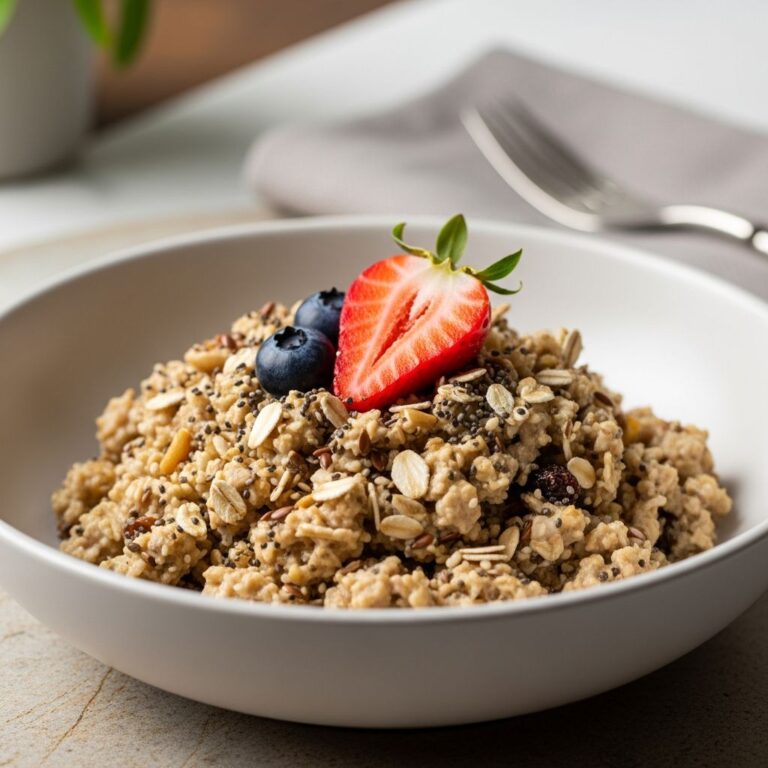
- Breakfast: Greek yogurt parfait with berries and nuts for vitamin C and zinc.
- Lunch: Salmon salad with leafy greens and citrus dressing.
- Dinner: Skin-on chicken or slow-cooked brisket with peppers.
- Snacks: Pork rinds, hard-boiled eggs, or homemade gelatin treats.
Consistency matters; aim for varied protein sources. A Mediterranean-style diet rich in these foods naturally supports collagen.
Benefits of Dietary Collagen
Skin Health: Randomized trials show improved elasticity and hydration from collagen-rich intake.
Joint Support: Reduces osteoarthritis pain and enhances mobility.
Hair and Nails: Anecdotal strengthening, with some peptide studies supportive.
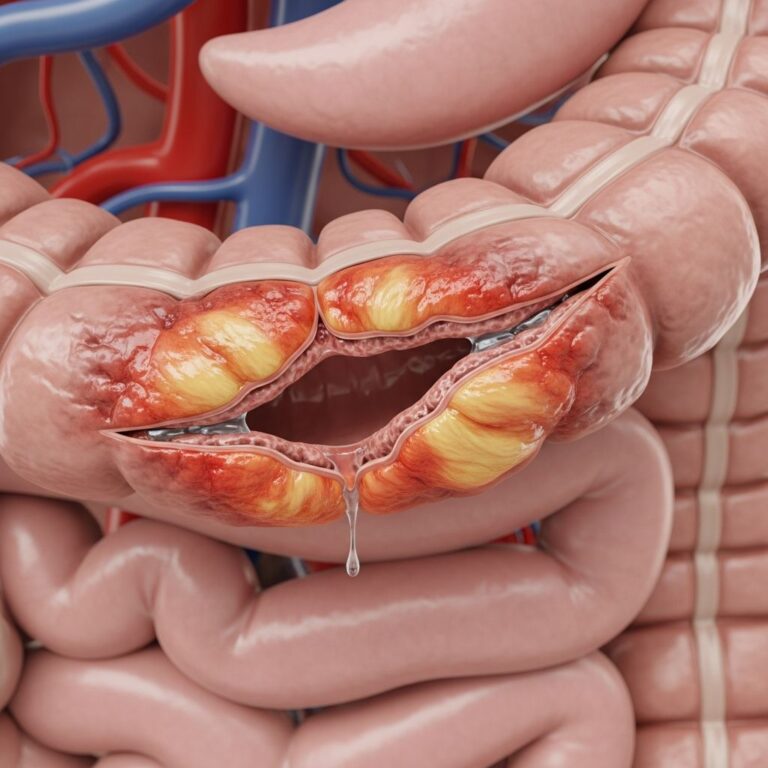
Gut and Muscle: Amino acids aid lining repair and mass maintenance.
Limitations and Considerations
Direct collagen absorption is limited; benefits stem from amino acids. No major side effects noted, but balance red meat. Consult doctors for supplements or conditions.
Frequently Asked Questions (FAQs)
What foods naturally contain collagen besides bone broth?
Chicken skin, fish skin and bones, tough beef cuts, pork rinds, and gelatin-rich foods.
Do plant foods have collagen?
No, collagen is animal-derived, but plants like citrus and legumes provide synthesis nutrients.
How much collagen do I need daily?
No RDA; 5-15g from diet/supplements shows benefits in studies.
Can collagen foods replace supplements?
They provide similar building blocks; diet-first approach recommended.
Is fish collagen better than beef?
Fish is more bioavailable for skin, per limited research.
References
- Collagen – The Nutrition Source — Harvard T.H. Chan School of Public Health. 2023. https://nutritionsource.hsph.harvard.edu/collagen/
- Collagen: What It Is, Types, Function & Benefits — Cleveland Clinic. 2022-05-23. https://my.clevelandclinic.org/health/articles/23089-collagen
Similar Articles








Read full bio of medha deb