Foods With Electrolytes: Complete Guide To Natural Hydration
Discover the best foods and drinks packed with electrolytes like potassium, sodium, and magnesium to stay hydrated and energized.
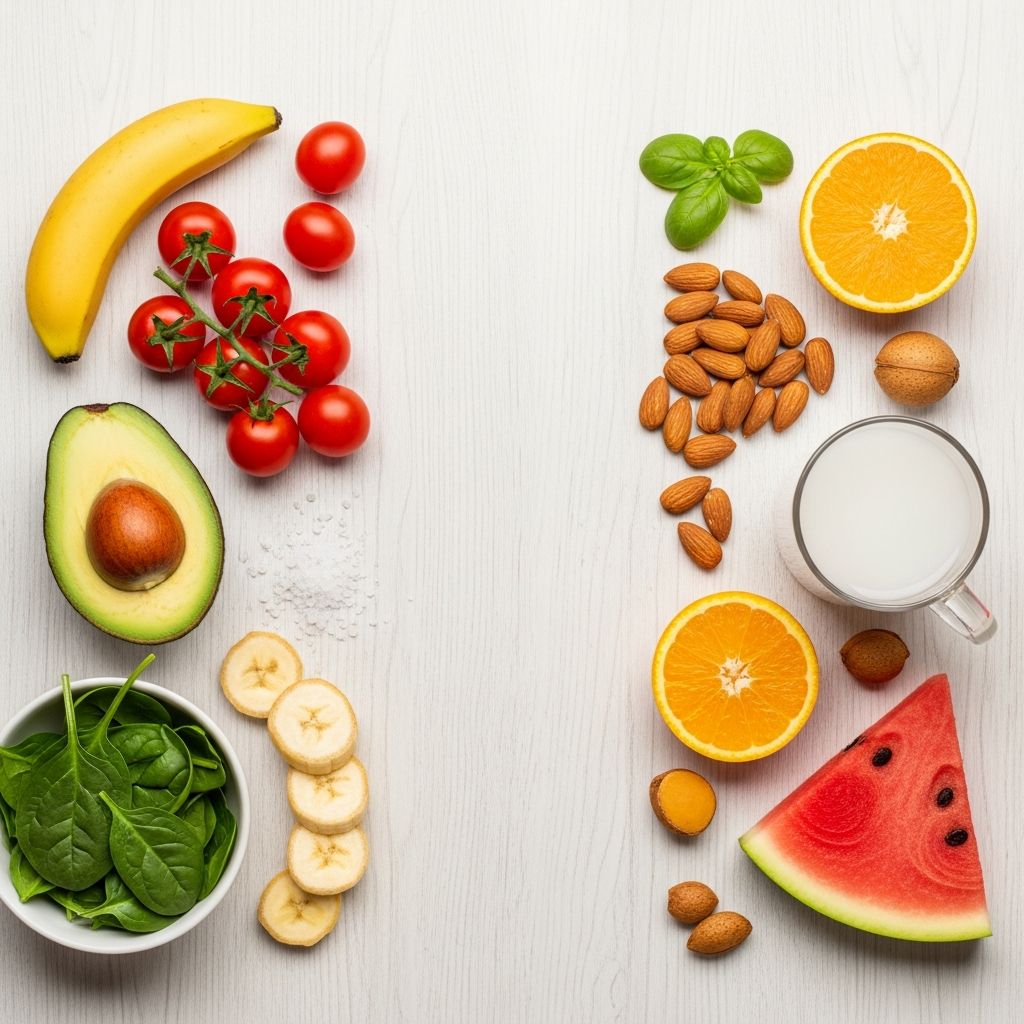
Electrolytes are vital minerals that help regulate fluid balance, nerve signals, muscle contractions, and hydration in the body. Key electrolytes include sodium, potassium, calcium, magnesium, chloride, phosphate, and bicarbonate. Getting these from food is the most natural way to maintain balance, especially after exercise, illness, or in hot weather.
What Are Electrolytes?
Electrolytes are minerals that carry an electric charge when dissolved in water, enabling essential bodily functions like heartbeat regulation, blood pressure control, and nutrient transport across cells. The body loses them through sweat, urine, vomiting, or diarrhea, making replenishment crucial. A balanced diet typically provides enough without supplements for most people.
Why You Need Electrolytes
These minerals power nerve and muscle function, maintain pH levels, and ensure proper hydration. Imbalances can cause fatigue, cramps, irregular heartbeat, or confusion. Athletes, those with illnesses, or older adults may need extra attention to intake.
Foods High in Electrolytes
Incorporate these nutrient-dense foods to boost your electrolyte levels naturally. Focus on whole foods over processed ones for optimal benefits.
Leafy Greens
Spinach, kale, and collard greens are powerhouse sources of magnesium and calcium. A cup of cooked spinach delivers about 157 mg magnesium and 245 mg calcium, supporting bone health and muscle relaxation.
Other Vegetables
- Avocados: Packed with 975 mg potassium per medium fruit, plus magnesium.
- Sweet Potatoes: One medium baked sweet potato offers 542 mg potassium and phosphorus.
- Potatoes (with skin): High in potassium (926 mg), phosphorus, and magnesium.
- Squash: Rich in potassium and magnesium for hydration support.
Fruits
- Bananas: Classic potassium source with 422 mg per medium banana.
- Dried Apricots: 1,162 mg potassium per ½ cup.
- Prunes: Excellent for potassium and magnesium.
- Oranges: Provide potassium and some calcium.
Dairy Products
Yogurt, cheese, and milk supply calcium (300 mg per cup yogurt), plus sodium, magnesium, and phosphorus. Choose low-fat options for heart health.
Nuts and Seeds
- Almonds: 80 mg magnesium per ounce.
- Cashews: Phosphorus and magnesium.
- Pumpkin Seeds: High magnesium content.
- Nut Butters: Convenient magnesium sources.
Beans and Lentils
Kidney beans (713 mg potassium per ½ cup), lentils, soybeans, and calcium-set tofu provide magnesium, potassium, and phosphorus. Great for plant-based diets.
Fortified Breakfast Cereals
Wheat- and oat-based cereals often contain magnesium; some are fortified with calcium. Pair with milk for added electrolytes.
Drinks with Electrolytes
Beverages can quickly restore electrolytes, especially post-workout.
- Coconut Water: Naturally low-sugar with potassium, magnesium, sodium, calcium.
- Milk: Calcium and potassium rich.
- Orange Juice: Potassium and calcium.
- Soy Milk: Magnesium and potassium.
- Tomato Juice: Sodium source.
- Sports Drinks: Formulated for athletes, but use sparingly.
Daily Electrolyte Needs
| Electrolyte | Adult Males (mg/day) | Adult Females (mg/day) |
|---|---|---|
| Potassium | 3,400 | 2,600 |
| Calcium | 1,000 (19-50); 1,200 (71+) | 1,000 (19-50); 1,200 (51+) |
| Magnesium | 400-420 | 310-320 |
| Phosphorus | 700 | 700 |
| Sodium | 500 min; <2,000 | 500 min; <2,000 |
Related Stories



Needs increase during pregnancy, lactation, or intense activity.
Signs of Electrolyte Imbalance
- Muscle cramps or weakness.
- Fatigue and headaches.
- Irregular heartbeat.
- Nausea, confusion, or seizures in severe cases.
- Seek medical help if symptoms persist.
How to Get Electrolytes from Food
Eat a varied diet with fruits, veggies, dairy, nuts, and legumes. Stay hydrated but avoid over-diluting with plain water. Limit processed foods high in sodium but low in other electrolytes.
Electrolytes for Athletes and Recovery
During prolonged exercise, sweat losses require replenishment. Whole foods like bananas with yogurt or coconut water work well before supplements.
Special Considerations
- Older Adults: Reduced absorption; focus on balanced diet.
- Illness: Oral rehydration for diarrhea/vomiting.
- High Blood Pressure: Monitor sodium; prioritize potassium-rich foods.
Frequently Asked Questions (FAQs)
What are the best foods for electrolytes?
Leafy greens, bananas, avocados, yogurt, nuts, and coconut water top the list for natural potassium, magnesium, and more.
Do I need electrolyte supplements?
Most don’t; a balanced diet suffices unless you’re an athlete or ill. Consult a doctor.
Can too many electrolytes be harmful?
Excess sodium risks high blood pressure; balance is key. Avoid unnecessary powders.
Are sports drinks necessary?
Only for intense, prolonged activity; food sources are healthier daily.
How much water with electrolytes?
Hydrate adequately; electrolytes help retain fluids without imbalance.
References
- Electrolytes in food: Foods high in electrolytes — Medical News Today. 2023-10-25. https://www.medicalnewstoday.com/articles/electrolytes-food
- Diet, hydration best way to get electrolytes — UCLA Health. 2023-06-12. https://www.uclahealth.org/news/article/diet-hydration-best-way-get-electrolytes
- Water and Electrolytes – Recommended Dietary Allowances — National Center for Biotechnology Information (NCBI). 1989-01-01. https://www.ncbi.nlm.nih.gov/books/NBK234935/
Similar Articles








Read full bio of medha deb