Foods With Less Protein Than You Might Think
Discover surprising foods that pack less protein punch than expected, perfect for low-protein diets in kidney health and metabolic management.
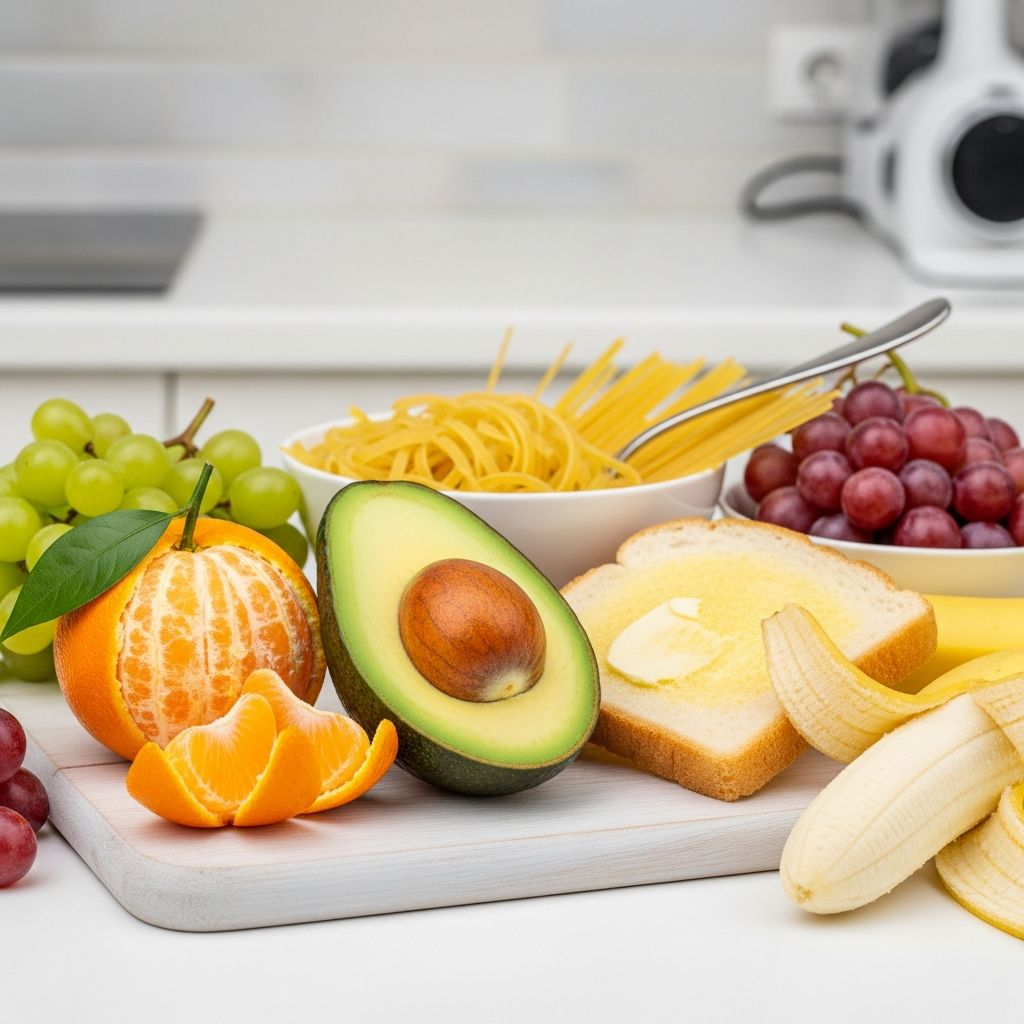
Protein is vital for muscle repair, immune function, and overall health, but not all foods deliver as much as we assume. Surprisingly, many staples like fruits, vegetables, and certain grains contain far less protein than popularly believed, making them excellent choices for low-protein diets prescribed for conditions like chronic kidney disease (CKD), phenylketonuria (PKU), or diabetic neuropathy. This article explores these under-the-radar low-protein options, helping you build satisfying meals without overloading on protein. Whether managing kidney function or simply diversifying your plate, understanding true protein content empowers better choices.
Why Focus on Low-Protein Foods?
A low-protein diet reduces urea buildup in the blood, easing kidney workload and potentially delaying failure in CKD patients. For those with impaired protein metabolism, like PKU, limiting intake prevents toxic amino acid accumulation. Even healthy individuals benefit from balance, as excess protein strains kidneys over time. Guidelines emphasize replacing meats with veggies and grains, keeping protein under 10% of calories only under medical supervision to avoid deficiencies. Plant-based options shine here: low in saturated fat, high in fiber, cholesterol-free, and providing essential amino acids with variety.
Key benefits include sustained energy, better appetite control, and heart health from fiber-rich plants. However, consult a doctor or dietitian—protein needs vary by age, activity, and health.
Fruits: Sweet, Low-Protein Powerhouses
Fruits often get overlooked as mere desserts, but they’re protein paupers. Apples (0.3g per medium fruit), grapes (0.7g per cup), berries (1g per cup strawberries), and citrus like oranges (1.2g each) deliver vitamins, antioxidants, and hydration with negligible protein. Bananas (1.3g medium) and pears (0.6g) add natural sweetness and potassium, crucial for kidney diets without excess phosphorus.
- Apples and pears: Crisp, fibrous, ideal for snacks or salads—pair with low-protein rice milk for smoothies.
- Grapes and berries: Antioxidant-rich; freeze for popsicles using water base.
- Tropical picks like pineapple (0.9g cup): Enzyme-packed for digestion.
Incorporate generously: fruit salads bulk meals, replacing high-protein add-ins. A veggie-fruit stir-fry with minimal tofu stretches portions satisfyingly.
Vegetables: The True Low-Protein Stars
Vegetables form the backbone of low-protein eating, often under 1g protein per serving. Carrots (0.6g cup), celery (0.7g stalks), mushrooms (1.8g cup—still low), onions (1.1g medium), parsley (fresh herb boost, 1g tablespoon), and bell peppers (1g cup) shine. Leafy greens like lettuce (0.9g cup) and cucumber (0.7g cup) add crunch without calories or protein.
- Cruciferous veggies (broccoli 2.4g cup cooked—moderate, use sparingly): Nutrient-dense but watch portions.
- Root veggies like potatoes (2g small—low overall): Bake or mash with herbs.
- Mushrooms as meat swaps: Umami flavor in stir-fries cuts meat needs.
Strategies: Bulk soups with these, using broth or low-protein bouillon. A celery-apple salad with thin meat slices feels hearty.
Grains and Starches: Filling Without the Protein Load
Refined grains like white rice (2.7g cup cooked) and pasta (5g cup—opt for low-protein versions at 2-3g) provide bulk. Bread varies: white (2.5g slice) trumps whole grain (4g) for low-protein goals. Potatoes, despite 2g per small, count low when skinned and portioned.
Related Stories



| Grain/Portion | Protein (g) | Best Uses |
|---|---|---|
| White rice (1 cup cooked) | 2.7 | Sides, soups, stir-fries |
| Low-protein pasta (1 cup) | 2-3 | Casseroles, salads |
| White bread (1 slice) | 2.5 | Sandwiches with veggies |
| Potato (small baked) | 2 | Mains with toppings |
Modify recipes: Swap half meat in casseroles for rice/pasta, reducing protein from 33g to 15g per serving.
Low-Protein Dairy Alternatives and Fats
Plant milks like rice milk (minimal protein) replace dairy (high phosphorus/protein). Margarine, oils, and sorbet add flavor/fat for satiety without protein. Coffee/tea sans milk: zero protein.
- Rice milk in smoothies or cereal.
- Healthy fats: Avocado (2g half—moderate), olive oil dressings.
Moderate Protein Foods: Use Sparingly
These (3-7g/serving) fit occasionally: Low-fat dairy alternatives, eggs (small amounts), nuts (measured). Low-protein breads/pastas available online/grocery.
Foods to Limit or Avoid
High-protein traps: Red meat, poultry, eggs, dairy, beans, nuts—keep as sides. Check labels for hidden sources.
Sample Low-Protein Recipes and Tips
Build meals around low-protein bases:
- Sandwich: Thin meat slices, heaps of lettuce/cucumber/celery/apple on low-protein bread.
- Soup: Veggie broth with rice/pasta, mushrooms/onions.
- Main: Veggie stir-fry kebabs with tiny meat bits; pasta casserole (modified: 1/2 lb meat, extra veggies/noodles—15g protein/serving).
- Snacks: Fruit, veggie sticks/guac, low-protein muffins, rice milk smoothies, popsicles.
Tips: Dice mushrooms for ‘meat,’ add Parmesan sparingly for flavor, bulk with starches/fats. Grocery hack: Label-scan for protein grams.
Who Needs a Low-Protein Diet?
Prescribed for CKD (delays failure), PKU (prevents brain damage), urea cycle disorders. Emerging: Diabetic neuropathy benefits. Not for healthy folks without guidance—risks malnutrition.
Frequently Asked Questions (FAQs)
What are the best low-protein fruits and veggies?
Apples, grapes, carrots, celery, mushrooms, onions, bell peppers—under 1-2g per serving.
Can I meet protein needs on a plant-based low-protein diet?
Yes, with variety: beans/lentils sparingly provide amino acids; focus on grains/veggies.
How do I make meals filling without much protein?
Bulk with rice/pasta/veggies, add fats/herbs; use small meat as condiment.
Is white rice better than brown for low-protein?
Yes, lower protein (2.7g vs. 5g/cup); but vary for nutrients.
Should everyone limit protein?
No—only under medical advice for specific conditions to avoid deficiencies.
This guide reveals how everyday foods like fruits, veggies, and grains offer less protein than assumed, enabling flavorful, kidney-friendly eating. Prioritize balance, consult pros, and enjoy diverse plates.
References
- Low protein diet: Foods to eat, foods to avoid, recipes, and safety — Medical News Today. 2019-04-11. https://www.medicalnewstoday.com/articles/325197
- Low Protein Diet and Chronic Kidney Disease — National Kidney Foundation. 2023-05-15. https://www.kidney.org/sites/default/files/low_protein_diet_and_ckd.pdf
- Low-protein diet | Low-protein eating with a metabolic disorder — Nutricia Metabolics. 2024-02-20. https://www.nutriciametabolics.com/en-eg/metabolic-disorders/about/about.low-protein-diet/
Similar Articles








Read full bio of Sneha Tete