Foods With More Antioxidants Than Blueberries
Discover superfoods that outshine blueberries in antioxidant power for better health and vitality.
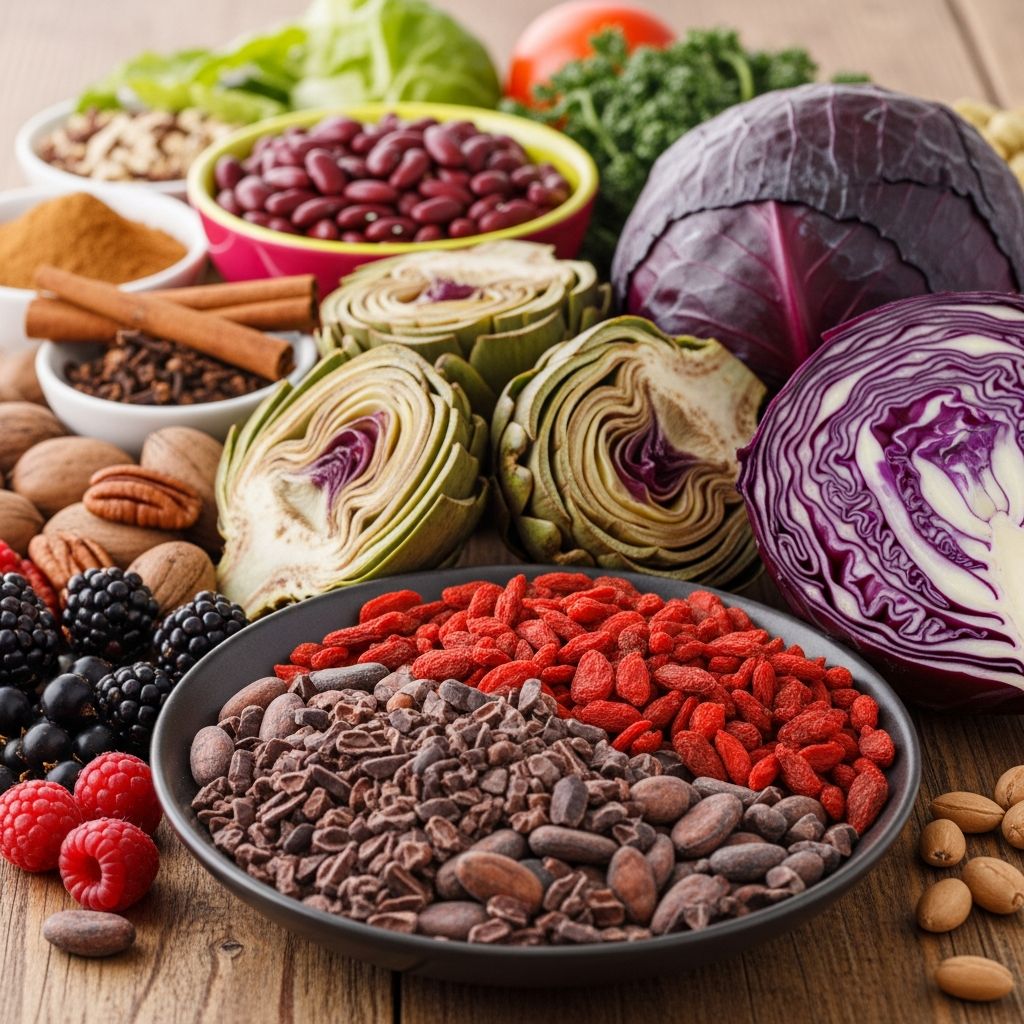
Blueberries are celebrated as antioxidant powerhouses, but several foods surpass them in total antioxidant capacity, measured by the ORAC scale. These superfoods offer superior protection against oxidative stress, supporting heart health, immunity, and longevity.
What Are Antioxidants and Why Do They Matter?
Antioxidants are compounds that neutralize free radicals—unstable molecules that damage cells, accelerate aging, and contribute to chronic diseases like cancer, heart disease, and diabetes. The ORAC (Oxygen Radical Absorbance Capacity) scale quantifies this ability in µmol TE/100g. Blueberries score around 4,669–9,621, but top foods exceed 10,000–290,000.
A comprehensive study analyzing over 3,100 foods found spices, herbs, berries, nuts, and vegetables lead in antioxidant content. Diverse intake enhances synergy, improving endothelial function, reducing inflammation, and lowering LDL cholesterol.
Superfoods That Beat Blueberries
Here are standout foods with higher ORAC scores and proven benefits, drawn from peer-reviewed data and nutritional analyses.
Açaí Berries
Açaí berries top the list with an ORAC score of approximately 102,700 µmol TE/100g for freeze-dried powder—over 10 times blueberries. Rich in anthocyanins and flavonoids, they combat oxidative stress, support cellular health, and may improve cardiovascular function.
- Key Nutrients: Anthocyanins, vitamin A, fiber.
- Health Benefits: Reduces inflammation; protects against heart disease.
- How to Use: Add powder to smoothies, yogurt, or oatmeal (1–2 tsp daily).
Goji Berries
Goji berries score up to 25,300 µmol TE/100g, packed with zeaxanthin, carotenoids, and vitamin C. Used in Traditional Chinese Medicine for millennia, they boost immunity, eye health, and may lower blood sugar.
- Key Nutrients: Zeaxanthin, polysaccharides, iron.
- Health Benefits: Supports vision; anti-aging properties via free radical scavenging.
- How to Use: Soak and eat as snacks, brew into tea, or mix into trail mix.
Pecans
Pecans deliver 17,940 µmol TE/100g, rivaling fruits with polyphenols, gamma-tocopherol, and healthy fats. They raise blood antioxidant levels, reduce LDL cholesterol, and promote brain health.
- Key Nutrients: Vitamin E, magnesium, plant sterols.
- Health Benefits: Lowers heart disease risk; supports neurological protection.
- How to Use: Sprinkle on salads, blend into pesto, or enjoy raw (1 oz daily).
| Food | ORAC Score (µmol TE/100g) | Top Antioxidants | Daily Serving Suggestion |
|---|---|---|---|
| Açaí (freeze-dried) | 102,700 | Anthocyanins, flavonoids | 1 tsp powder |
| Goji Berries | 25,300 | Zeaxanthin, vitamin C | 1–2 tbsp dried |
| Pecans | 17,940 | Polyphenols, vitamin E | 1 oz (28g) |
Artichokes
Artichokes boast high antioxidants, especially chlorogenic acid, with ORAC around 9,416–higher in cooked forms. They aid digestion, reduce cancer risk, and protect against type 2 diabetes and heart disease.
- Key Nutrients: Fiber, cynarin, folate.
- Health Benefits: Lowers LDL oxidation; supports liver detox.
- How to Use: Steam hearts for salads or dip in hummus.
Cloves
Cloves reign supreme at over 290,000 µmol TE/100g, thanks to eugenol—an anti-inflammatory, antimicrobial powerhouse. A pinch amplifies any dish’s antioxidant profile.
- Key Nutrients: Eugenol, manganese.
- Health Benefits: Fights inflammation; oral health support.
- How to Use: Add to teas, curries, or baked goods (1/4 tsp).
Other Top Contenders
- Dark Chocolate (85%+ cacao): Flavonols improve cognitive and heart health; ORAC ~20,000+.
- Raspberries: Anthocyanins reduce inflammation and cancer risk; ORAC 5,065–higher than blueberries in some measures.
- Kale & Red Cabbage: Anthocyanins and vitamin C bolster immunity and reduce heart disease.
- Spices like Sumac: Quercetin and anthocyanins for flavor and defense.
- Moringa & Camu Camu: Quercetin, ultra-high vitamin C (2,800 mg/100g).
Related Stories



ORAC Scores Comparison Table
| Food | ORAC (µmol TE/100g) | Blueberries (Reference) |
|---|---|---|
| Cloves | 290,283 | 4,669–9,621 |
| Açaí Powder | 102,700 | – |
| Goji Berries | 25,300 | – |
| Pecans | 17,940 | – |
| Artichokes | 9,416 | – |
| Dark Chocolate | ~20,816 | – |
Scores from comprehensive databases; note variability by preparation.
How to Incorporate These Superfoods
Aim for variety: Combine berries, nuts, veggies, and spices daily. Recommended intakes include 75–90 mg vitamin C, 15 mg vitamin E, aligning with whole foods over supplements. Sample day:
- Breakfast: Smoothie with açaí, goji, spinach.
- Lunch: Salad with pecans, artichokes, red cabbage.
- Snack: Dark chocolate and raspberries.
- Dinner: Kale stir-fry with cloves, sumac.
Processing affects antioxidants—prefer raw, frozen, or minimally cooked.
Health Benefits Backed by Science
These foods reduce oxidative damage: Anthocyanins lower blood pressure; polyphenols cut cholesterol; zeaxanthin protects eyes. A Nutrition Journal analysis confirms spices and berries excel. Human studies show pecans raise blood antioxidants; artichokes aid diabetes prevention.
Frequently Asked Questions (FAQs)
Do these foods really have more antioxidants than blueberries?
Yes, per ORAC data: Cloves (290k+), açaí (102k) far exceed blueberries’ 4k–9k.
Are ORAC scores the best measure?
ORAC indicates capacity but bioavailability matters; combine with human trials for full picture.
Can I get enough from diet alone?
Absolutely—variety trumps supplements for synergy.
Are there risks with high-antioxidant foods?
Moderate nuts for calories; spices in small amounts. Consult doctors for conditions.
How much should I eat daily?
1–2 servings per food group; e.g., 1 oz nuts, 1 cup berries.
Conclusion
While blueberries shine, diversifying with açaí, goji, pecans, artichokes, cloves, and more maximizes antioxidant intake for peak health. Prioritize whole foods for lasting benefits.
References
- 6 Superfoods With More Antioxidants Than Blueberries — Claudia’s Concept. 2024. https://claudiasconcept.com/6-superfoods-with-more-antioxidants-than-blueberries-according-to-nutrition-expert/
- 14 Healthy Foods High in Antioxidants — Healthline (Medically reviewed by Katherine Marengo LDN, R.D.). 2024-02-14. https://www.healthline.com/nutrition/foods-high-in-antioxidants
- Top 20 Foods High In Antioxidants — St. John’s Health. N/A. https://www.stjohns.health/documents/content/top-20-foods-high-in-antioxidants.pdf
- The total antioxidant content of more than 3100 foods — PMC/NCBI (Carlsen et al., Nutrition Journal). 2010. https://pmc.ncbi.nlm.nih.gov/articles/PMC2841576/
- Antioxidant content in foods — USDA ORAC Database (historical reference, foundational for modern scales). 2010. https://pmc.ncbi.nlm.nih.gov/articles/PMC2841576/
Similar Articles








Read full bio of Sneha Tete