Foods With More Antioxidants Than Green Tea
Discover powerhouse foods that surpass green tea's antioxidant levels for superior health protection and disease prevention.
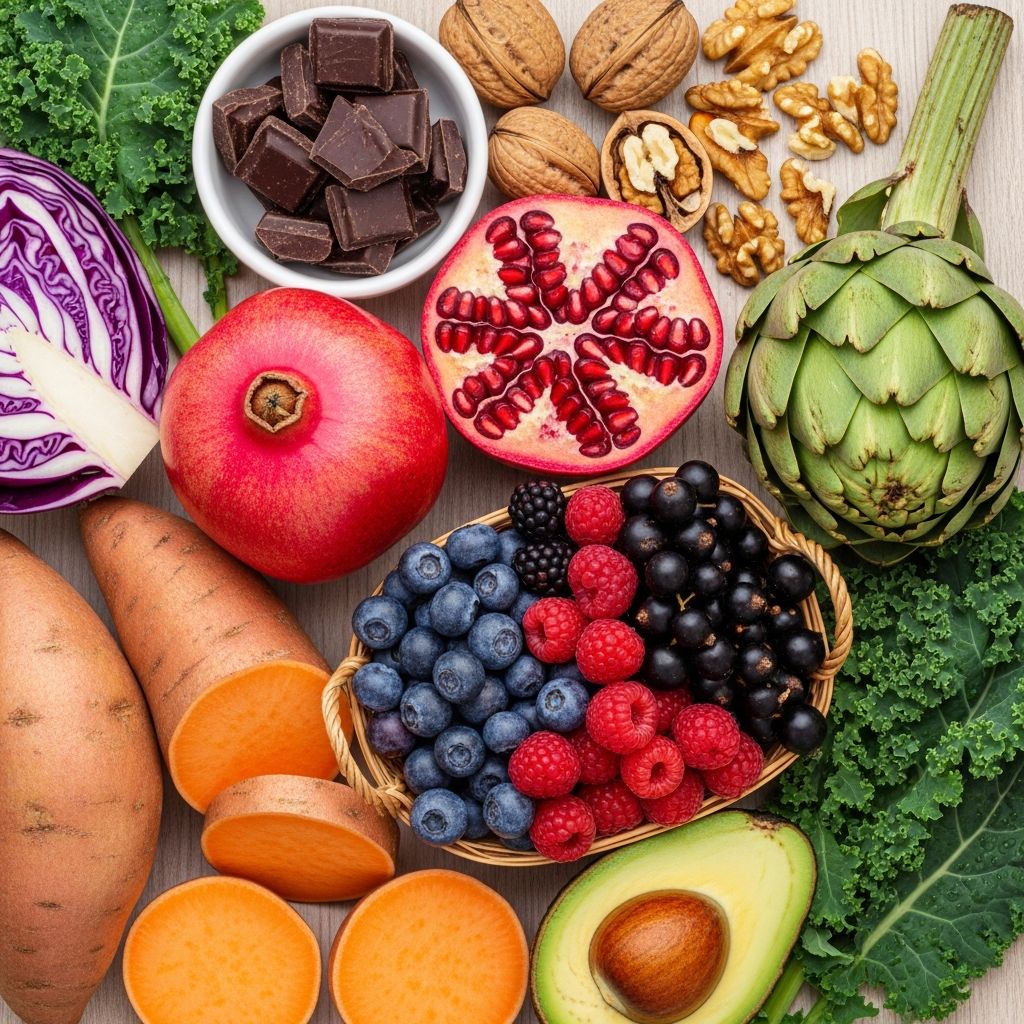
Green tea is celebrated for its rich antioxidant profile, particularly catechins like EGCG, which combat oxidative stress linked to chronic diseases. However, numerous everyday foods outshine it in total antioxidant capacity, measured by ORAC (Oxygen Radical Absorbance Capacity) or similar assays. Incorporating these superfoods can amplify your defense against free radicals, supporting heart health, brain function, and cancer prevention.
This article highlights 12 foods with superior antioxidant levels, drawing from peer-reviewed data and nutritional analyses. These selections prioritize variety across food groups for easy dietary integration.
1. Pecans
Pecans, native to North America, deliver a potent antioxidant punch alongside healthy fats, minerals like manganese, and fiber. Studies show pecans elevate blood antioxidant levels, potentially lowering LDL cholesterol oxidation—a key heart disease risk factor.
One ounce (28g) of pecans provides over 5,000 ORAC units, surpassing green tea’s ~1,250 per cup. Their polyphenols, including ellagic acid, reduce inflammation. Moderate intake is key due to calorie density (196 kcal per ounce); aim for a handful daily in salads or as snacks.
- Key Antioxidants: Polyphenols, vitamin E, flavonoids.
- Health Perks: Cholesterol management, anti-inflammatory effects.
- Prep Tip: Raw or lightly roasted to preserve antioxidants.
2. Blueberries
Low-calorie blueberries pack anthocyanins, the pigments fueling their deep blue hue and high ORAC score (~4,600 per 100g). Animal and test-tube research links them to delayed brain aging, reduced inflammation, and lower heart disease markers like LDL and blood pressure.
Wild varieties edge out cultivated ones, but both exceed green tea. A daily cup supports memory, skin health, and immunity.
- Key Antioxidants: Anthocyanins, vitamin C.
- Health Perks: Neuroprotection, cardiovascular support.
- Prep Tip: Fresh, frozen, or in smoothies—avoid overcooking.
3. Strawberries
Strawberries offer vitamin C (98mg per cup) and ellagitannins, ranking high on antioxidant lists with ~4,300 ORAC per 100g. They neutralize free radicals, bolstering immunity and skin elasticity.
Research associates strawberry intake with reduced cancer risk and improved blood sugar control, outperforming green tea in polyphenol diversity.
- Key Antioxidants: Ellagitannins, pelargonidin.
- Health Perks: Anti-cancer, glycemic control.
- Prep Tip: Eat whole for maximum fiber benefits.
4. Artichokes
Artichokes shine with chlorogenic acid and cynarin, antioxidants that may slash risks of cancer, diabetes, and heart disease. Cooked artichoke hearts yield ~4,600 ORAC per 100g, topping green tea.
Rich in fiber (10g per medium artichoke), they aid digestion and liver health. Preparation impacts potency—steaming preserves more than boiling.
- Key Antioxidants: Chlorogenic acid, silymarin.
- Health Perks: Liver protection, blood sugar regulation.
- Prep Tip: Steam or grill for optimal nutrient retention.
5. Goji Berries
These vibrant red berries from Asia boast zeaxanthin and polysaccharides, with dried goji hitting ~3,200 ORAC per 100g—far above green tea. They’re linked to eye health and immune boosting.
Related Stories



Traditional Chinese medicine praises them; modern studies confirm anti-aging potential via reduced oxidative damage.
- Key Antioxidants: Zeaxanthin, beta-carotene.
- Health Perks: Vision support, longevity.
- Prep Tip: Soak dried berries or add to trail mix.
6. Raspberries
Raspberries deliver ellagic acid and anthocyanins (~4,000 ORAC per 100g), with reviews showing cancer-suppressing effects in black varieties. They curb inflammation and heart risks.
Fiber-rich (8g per cup), they’re ideal for gut health. Human trials are ongoing, but preclinical data is promising.
- Key Antioxidants: Ellagic acid, quercetin.
- Health Perks: Anti-cancer, anti-inflammatory.
- Prep Tip: Fresh or pureed in yogurt.
7. Kale
Nutrient powerhouse kale offers vitamins A, C, K, and anthocyanins in red varieties (~1,770 ORAC per 100g raw, higher cooked). It protects cells from UV damage and inflammation.
Low-calorie (33 kcal per cup), it’s versatile for salads or chips.
- Key Antioxidants: Kaempferol, quercetin.
- Health Perks: Bone health, detoxification.
- Prep Tip: Massage leaves to reduce bitterness.
8. Red Cabbage
Purple-hued red cabbage rivals kale with anthocyanins and vitamin C (~2,500 ORAC per 100g). It fights inflammation, heart disease, and cancers while firming skin.
Cooking method matters—raw maximizes antioxidants.
- Key Antioxidants: Anthocyanins, sulforaphane.
- Health Perks: Immune boost, cancer prevention.
- Prep Tip: Shred for slaws or ferment into sauerkraut.
9. Beans
Red kidney and pinto beans top charts with flavonoids (~8,000 ORAC per 100g cooked), per St. John’s Health data. They stabilize blood sugar and reduce cholesterol.
Plant protein kings, pair with rice for complete meals.
- Key Antioxidants: Flavonoids, saponins.
- Health Perks: Diabetes management, heart health.
- Prep Tip: Soak overnight to enhance digestibility.
10. Beets
Beets’ betalains (~1,700 ORAC per 100g) detoxify and lower colon cancer risk in studies. They boost stamina and blood flow.
- Key Antioxidants: Betalains, manganese.
- Health Perks: Athletic performance, detoxification.
- Prep Tip: Roast to concentrate flavors.
11. Spinach
Spinach’s lutein and zeaxanthin shield eyes from UV (~1,200 ORAC per 100g, but dense nutrients amplify impact). It’s mineral-rich and ultra-low calorie.
- Key Antioxidants: Lutein, zeaxanthin.
- Health Perks: Eye health, anemia prevention.
- Prep Tip: Sauté with garlic.
12. Okra
Okra pods brim with polyphenols and vitamins (~1,500 ORAC per 100g), cutting cholesterol and protecting brain/heart. Mucilage aids digestion.
- Key Antioxidants: Polyphenols, vitamin C.
- Health Perks: Gut health, hypertension control.
- Prep Tip: Stir-fry or pickle.
Why Antioxidants Matter More Than You Think
Antioxidants neutralize free radicals, mitigating oxidative stress behind aging, cancer, and heart disease. While green tea excels in catechins, diverse food sources provide broader phytonutrients. Aim for a rainbow diet; ORAC isn’t the sole metric—bioavailability counts.
| Food | ORAC/100g (approx.) | Green Tea (per cup) |
|---|---|---|
| Pecans | 17,900 | 1,250 |
| Blueberries | 4,600 | 1,250 |
| Artichokes | 4,600 | 1,250 |
| Beans (kidney) | 8,000 | 1,250 |
Note: ORAC values vary by source/prep; data synthesized from studies.
Frequently Asked Questions (FAQs)
What foods have the highest antioxidants?
Pecans, wild blueberries, kidney beans, and artichokes lead lists, often doubling green tea’s capacity.
Can I get enough antioxidants without green tea?
Absolutely—diversify with berries, nuts, and veggies for superior, synergistic effects.
Are cooking methods important for antioxidants?
Yes; steaming/raw preserves more than boiling/frying.
Do supplements beat whole foods?
No—whole foods offer fiber and bioavailability supplements lack.
How much should I eat daily?
5-9 servings of fruits/veggies; focus on variety for 10,000+ ORAC intake.
References
- 14 Healthy Foods High in Antioxidants — Healthline (Ryan Raman, MS, RD). 2024-02-14. https://www.healthline.com/nutrition/foods-high-in-antioxidants
- Top 20 Foods High In Antioxidants — St. John’s Health. N/A. https://www.stjohns.health/documents/content/top-20-foods-high-in-antioxidants.pdf
- The total antioxidant content of more than 3100 foods, beverages — PMC (NCBI). 2010. https://pmc.ncbi.nlm.nih.gov/articles/PMC2841576/
- More powerful than green tea: 7 antioxidant foods & drinks — 1mg. 2025-12-05. https://www.1mg.com/articles/web-stories/more-powerful-than-green-tea-7-antioxidant-foods-drinks/
- 9 Catechin-Filled Foods for People who Don’t Like Green Tea — Clean Eating Magazine. N/A. https://www.cleaneatingmag.com/clean-diet/food-health-news/10-ways-to-get-your-catechin-fill/
- Which Beverages are Better than Green Tea? — NutritionFacts.org. N/A. https://nutritionfacts.org/video/better-than-green-tea/
Similar Articles








Read full bio of medha deb