Foods With More Fiber Than Apples: Complete Guide
Discover nutritious foods with superior fiber content for better digestive health.
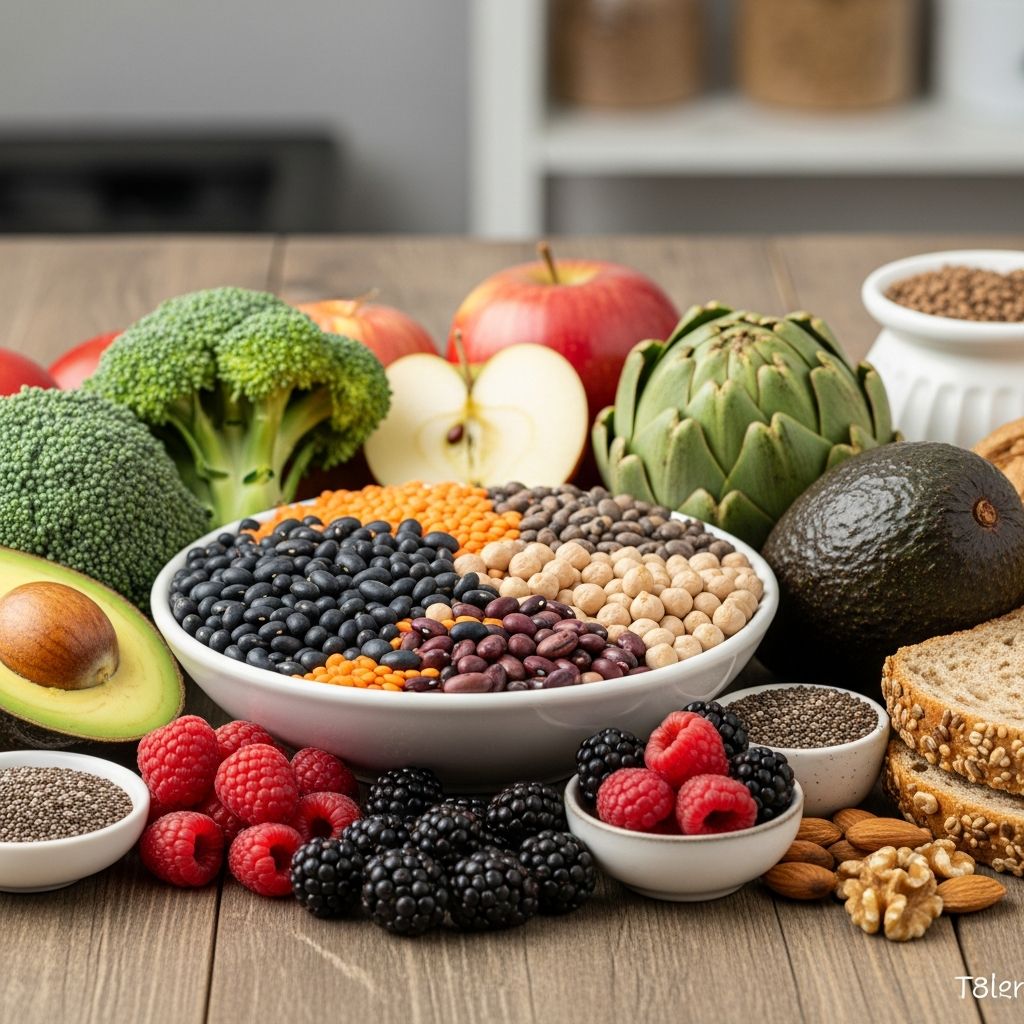
Foods With More Fiber Than Apples: A Complete Nutritional Guide
While apples are often celebrated as a go-to source of dietary fiber, with a medium apple containing approximately 1.4 grams of fiber with skin, many other readily available foods significantly outpace this nutritional profile. Understanding which foods offer superior fiber content can help you optimize your digestive health and meet your daily fiber requirements more efficiently. This comprehensive guide explores numerous foods that contain more fiber than apples, providing practical information to support your nutritional goals.
Why Fiber Matters
Dietary fiber plays a crucial role in maintaining optimal health. It supports digestive function, helps regulate blood sugar levels, promotes healthy cholesterol levels, and contributes to overall wellness. The recommended daily fiber intake for adults is 25 to 38 grams, depending on age and gender. Despite these recommendations, most people consume significantly less fiber than advised. By incorporating high-fiber foods into your diet, you can more easily achieve these targets and experience the associated health benefits.
High-Fiber Vegetables
Vegetables represent one of the most nutrient-dense categories of high-fiber foods. Most vegetables offer substantial fiber content while remaining relatively low in calories, making them excellent choices for those seeking to increase dietary fiber without excessive caloric intake.
Artichokes: The Fiber Champion
Artichokes stand out as exceptional fiber sources, providing approximately 9.6 grams of fiber per cooked cup. This makes them roughly seven times more fiber-rich than a medium apple. Artichokes also deliver essential nutrients including vitamins, minerals, and antioxidants that support cardiovascular health and digestive function.
Brussels Sprouts and Green Peas
Brussels sprouts, cruciferous vegetables related to broccoli, contain 6.4 grams of fiber per cooked cup, more than four times the fiber content of an apple. Green peas offer 6.5 grams of fiber per cup and provide additional benefits including antioxidants, vitamins, and polyphenols with anti-inflammatory properties. Both vegetables make excellent side dishes or salad additions.
Sweet Potatoes
Sweet potatoes contain 6.4 grams of fiber per cooked cup, rivaling Brussels sprouts in fiber content. Their naturally sweet flavor makes them versatile for various culinary applications, from simple baked preparations to creative bread substitutes and nacho bases.
Additional Vegetable Options
Broccoli provides 2.5 grams of fiber per half-cup cooked serving, while carrots offer 3.6 grams per cup. These familiar vegetables integrate easily into existing meal plans and pair well with numerous dishes, supporting consistent fiber intake throughout the week.
Legumes: Protein and Fiber Powerhouses
Legumes—including beans, lentils, and peas—represent some of the most fiber-dense foods available. Beyond exceptional fiber content, legumes provide plant-based protein, making them particularly valuable for vegetarians and vegans.
Lentils and Split Peas
Lentils deliver 7.8 to 12.6 grams of fiber per cooked cup, depending on variety, making them approximately 6 to 9 times more fiber-rich than apples. Split peas contain 8.2 grams per half-cup cooked serving. Both are economical, versatile ingredients suitable for soups, curries, dhals, and grain-based dishes. Lentils specifically provide high polyphenol content with associated cardiovascular benefits.
Beans and Chickpeas
Kidney beans supply 5.7 grams of fiber per half-cup cooked serving, while black beans offer 12.4 grams per cup. Chickpeas contain 4 to 6.2 grams per cup, depending on preparation method. These legumes feature prominently in international cuisines and integrate seamlessly into tacos, salads, grain bowls, soups, and hummus preparations.
Grains and Seeds: Whole-Food Fiber Sources
Whole grains and seeds provide concentrated fiber alongside essential vitamins, minerals, and antioxidants. These foods support sustained energy levels and promote digestive health through both soluble and insoluble fiber.
Oats and Quinoa
Oats contain 10.4 grams of fiber per 100 grams of whole grain rolled oats, and they’re specifically rich in beta glucan, a soluble fiber that helps manage blood sugar and cholesterol levels. Quinoa, a pseudo-cereal, provides 8 grams of fiber per cooked cup while offering complete protein, magnesium, folate, vitamin B1, and phosphorus.
Seeds: Nutrient-Dense Fiber Sources
Chia seeds offer exceptional fiber density, containing 4.1 grams per tablespoon or approximately 7.7 to 10 grams per ounce. These tiny seeds also provide protein, healthy omega-3 fatty acids, minerals, and antioxidants. Sunflower seeds deliver reliable fiber content while being easy to incorporate into salads, yogurt bowls, trail mix, or consumed as standalone snacks.
High-Fiber Fruits Beyond Apples
While some fruits are lower in fiber than apples, certain varieties significantly exceed apple fiber content, offering delicious ways to boost dietary intake.
Raspberries: The Fiber-Fruit Leader
Raspberries contain 8 grams of fiber per cup, making them approximately six times more fiber-rich than apples. These berries also deliver abundant vitamin C and antioxidants, making them ideal additions to yogurt, smoothies, and breakfast bowls. Their concentrated sweetness and nutritional density make them a superior choice to apples for fiber supplementation.
Avocados
Avocados represent exceptional whole-food nutrition, providing 10 grams of fiber per medium fruit or 5.1 grams per cup. Beyond fiber, avocados deliver healthy monounsaturated fats, vitamin C, potassium, magnesium, vitamin E, and various B vitamins. Their versatility in salads, sandwiches, and dips like guacamole makes them accessible to diverse palates.
Additional Fruit Options
Pears, another classic fruit choice, provide comparable or slightly higher fiber than apples depending on size and preparation. Coconut offers 5.8 grams of fiber per cup, while kiwi fruit provides 3.4 grams per cup along with vitamin C. Strawberries contain 1.7 grams per cup, and bananas deliver approximately 1.1 grams per half-small fruit, though green bananas contain resistant starch functioning as fiber.
Nuts and Nut Products
Almonds and almond-based products provide convenient, portable fiber sources. One ounce of almonds contains 3.5 grams of fiber, while almond flour offers 2.1 grams per quarter cup. These foods support sustained satiety and integrate well into baking and snacking routines.
Specialty Foods and Alternatives
Popcorn
Air-popped popcorn provides surprisingly substantial fiber—approximately 5.8 grams per three cups—making it a fun, accessible way to increase daily intake. The fiber-to-calorie ratio makes air-popped versions superior to buttered or sugared varieties.
Flour Alternatives
Dark rye flour contains 5.4 grams of fiber per quarter cup, and bulgur wheat serves as a nutrient-packed grain base substitute for rice or couscous. These alternatives support higher fiber intake through simple dietary modifications.
Creating a High-Fiber Diet Plan
Key Principles
- Incorporate diverse fiber sources—vegetables, legumes, whole grains, and fruits—for optimal nutrition
- Prioritize whole foods over supplements when possible for maximum nutrient absorption
- Increase fiber gradually to allow digestive adjustment and minimize discomfort
- Maintain adequate hydration to support digestive function
- Balance fiber intake with consideration of overall calories and nutrients per portion
Sample Daily Fiber Sources
| Meal | Food Item | Fiber Content (grams) |
|---|---|---|
| Breakfast | 100g rolled oats | 10.4 |
| Morning Snack | 1 tablespoon chia seeds | 4.1 |
| Lunch | 1 cup cooked lentils | 12.6 |
| Afternoon Snack | 1 cup raspberries | 8.0 |
| Dinner | 1 cup cooked artichoke | 9.6 |
| Daily Total | — | 44.7 |
Frequently Asked Questions
Q: How much fiber should I consume daily?
A: The recommended daily fiber intake is 25 grams for women and 38 grams for men, according to dietary guidelines. Individual needs may vary based on age, health status, and activity level, so consulting a healthcare provider for personalized recommendations is advisable.
Q: Can I get too much fiber?
A: While rare, excessive fiber intake without adequate hydration can cause digestive discomfort including bloating and constipation. Increasing fiber gradually while maintaining proper water consumption minimizes these risks.
Q: Are high-fiber supplements as effective as whole foods?
A: Whole foods provide additional nutrients, antioxidants, and beneficial compounds alongside fiber, making them superior to supplements for overall health benefits. Supplements may be helpful when dietary adjustments prove insufficient.
Q: Which foods provide both soluble and insoluble fiber?
A: Most whole foods contain both fiber types. Oats are particularly rich in soluble fiber, while legumes and vegetables provide balanced amounts of both, supporting comprehensive digestive health.
Q: How does fiber support weight management?
A: Fiber promotes satiety—the feeling of fullness—which naturally reduces overall caloric intake. This mechanism supports healthy weight management alongside fiber’s metabolic benefits.
Q: Can children eat high-fiber foods?
A: Yes, children benefit from appropriate fiber intake based on age-specific recommendations. Introducing varied high-fiber foods early establishes healthy dietary patterns and supports digestive development.
Conclusion
Numerous foods significantly exceed apples in fiber content while delivering diverse nutritional benefits. From fiber-rich vegetables like artichokes and Brussels sprouts to legumes including lentils and chickpeas, to fruits such as raspberries and avocados, abundant options support meeting daily fiber recommendations. Incorporating variety across food categories ensures balanced nutrition while maintaining dietary interest. By understanding fiber content across different foods, you can strategically plan meals that support digestive health, sustained energy, and overall wellness. Begin by selecting a few new foods from each category and gradually expand your fiber-rich repertoire for lasting dietary success.
References
- 22 High Fiber Foods – Fruits, Vegetables, and More — Healthline. 2024. https://www.healthline.com/nutrition/22-high-fiber-foods
- 29 High-Fiber Foods That Support Digestive Health — ZOE. 2024. https://zoe.com/learn/high-fiber-foods
- The Ultimate High-Fiber Grocery List — WebMD. 2024. https://www.webmd.com/cholesterol-management/features/fiber-groceries
- High-fiber foods — Mayo Clinic. 2023. https://www.mayoclinic.org/healthy-lifestyle/nutrition-and-healthy-eating/in-depth/high-fiber-foods/art-20050948
- 16 High-Fiber Fruits That Can Improve Your Gut Health — GoodRx. 2024. https://www.goodrx.com/well-being/gut-health/high-fiber-fruits
Similar Articles








Read full bio of medha deb