Foods With More Iron Than Red Meat: 7 Essential Options
Discover plant-based powerhouses and seafood that pack more iron punch than red meat—boost your intake smarter.
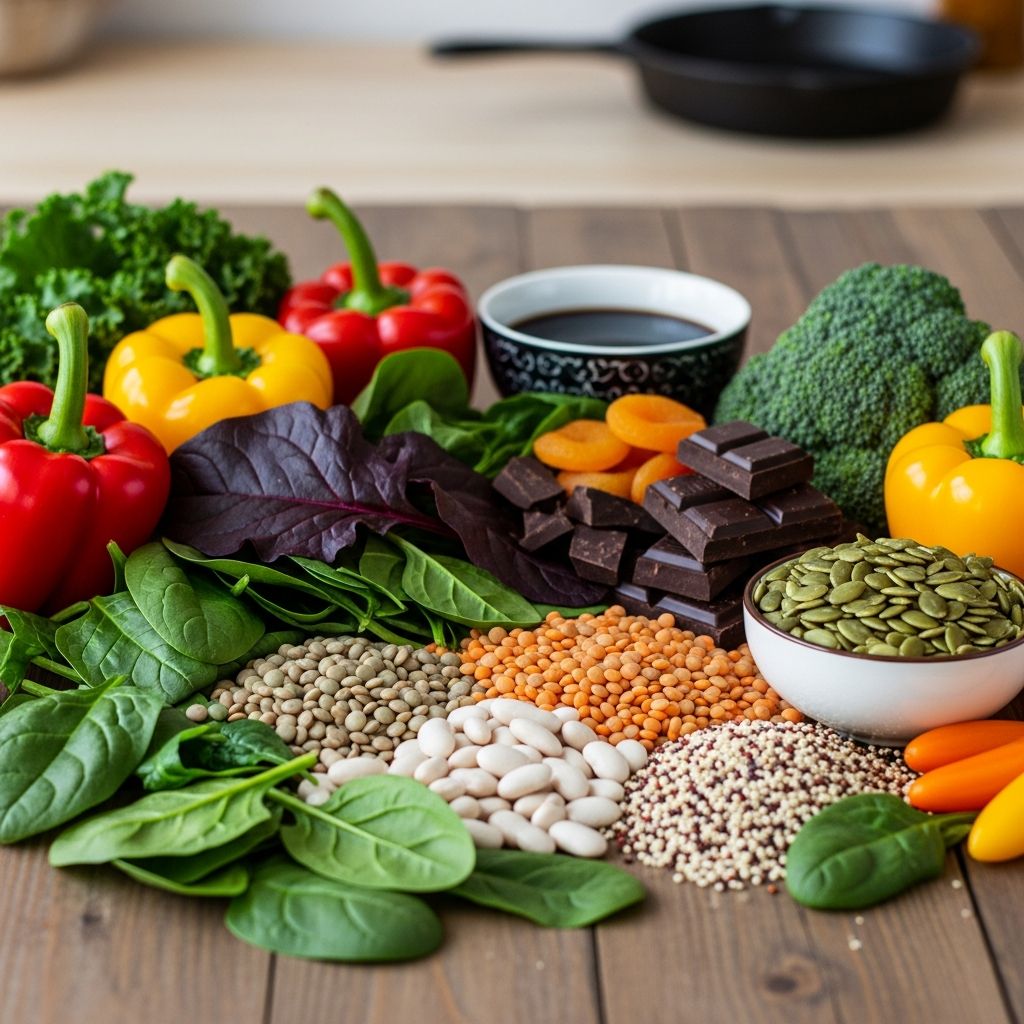
Red meat has long been celebrated as an iron powerhouse, but several surprising foods actually deliver more iron per serving. Whether you’re vegetarian, reducing meat intake, or just diversifying your diet, these options can help meet your needs without relying solely on steak or burgers. Iron is essential for oxygen transport, energy production, and preventing anemia—this guide highlights top contenders backed by nutritional data.
What Is Iron and Why Do You Need It?
Iron is a vital mineral that forms part of hemoglobin in red blood cells, carrying oxygen from lungs to tissues. Deficiency affects over 25% of people worldwide, causing fatigue, weakness, and pale skin. Adult men need 8 mg daily, women 18 mg (pre-menopause) or 8 mg (post), dropping to 8 mg for pregnancy in later trimesters per USDA guidelines.
There are two types: heme iron from animal sources (15-35% absorbed) and non-heme iron from plants (2-20% absorbed). Pair non-heme with vitamin C to boost uptake; avoid tea, coffee, or calcium near meals as they inhibit it.
Foods With More Iron Than Red Meat
Beef offers about 2.7 mg iron per 3 oz cooked, but these foods exceed that in comparable servings. Focus on variety for balanced nutrition.
1. Fortified Breakfast Cereals
Many cereals pack 18 mg iron per 1 cup serving—over 6x beef’s amount—thanks to fortification. Choose whole-grain options low in added sugar for fiber and sustained energy. Absorption improves with vitamin C-rich fruits like strawberries. Example: A 30g serving hits 100% Daily Value (DV) for many adults.
- Pro tip: Pair with milk or yogurt, but time calcium away from iron-focused meals.
- Daily boost: Start mornings with fortified oats or bran flakes.
2. Oysters
Three ounces of oysters deliver 8 mg iron—nearly 3x beef—plus zinc and B12. They’re heme iron, highly bioavailable. Sustainable farming makes them accessible; steam or grill to retain nutrients.
- Nutrition bonus: Low-calorie (80 kcal/3 oz), high protein.
- Cook idea: Oyster stew with tomatoes for vitamin C synergy.
3. White Beans or Lentils
One cup canned white beans provides 8 mg or 6 mg for boiled lentils—triple beef. Legumes offer protein, fiber, folate. Soak and cook to reduce phytates blocking absorption.
- Versatile: Soups, salads, dal.
- Varieties: Kidney beans (7.55 mg/half cup), chickpeas (6.25 mg/half cup).
4. Spinach
Boiled spinach yields 6 mg per cup (raw: 2.7 mg/100g). Non-heme but vitamin C-rich, enhancing its own uptake. Also loaded with antioxidants, vitamin K.
- Prep: Sauté with lemon juice.
- Caution: Oxalates slightly reduce absorption—eat moderately.
5. Tofu
Firm tofu gives 6 mg per cup (3.4 mg/half cup)—ideal for plant-based diets. Provides 22g protein, isoflavones for heart health. Fermented soy boosts bioavailability.
- Uses: Stir-fries, scrambles.
- Bonus: Calcium, magnesium.
6. Sesame Seeds
One ounce offers 4 mg—sesame tahini adds creaminess to dishes. Nuts/seeds like pumpkin (0.9 mg/oz), chia also contribute.
- Sprinkle on salads, yogurt.
- High in healthy fats.
Related Stories



7. Cooked Tomatoes or Broccoli
Tomatoes: 4 mg/cup cooked; broccoli: 1 mg/cup but 112% DV vitamin C. Both boost overall iron absorption in meals.
- Pairing: Tomato sauce over lentil pasta.
How Much Iron Do You Need?
| Group | RDA (mg/day) |
|---|---|
| Men (19+) | 8 |
| Women (19-50) | 18 |
| Women (51+) | 8 |
| Pregnancy | 27 (first trimester), 10 (later) |
| Lactation | 9 |
| Children (4-8) | 10 |
Source data aligns with USDA; vegetarians may need 1.8x more due to non-heme lower absorption.
Boosting Iron Absorption
- Vitamin C synergy: Citrus, bell peppers, strawberries multiply non-heme uptake 2-3x.
- Avoid inhibitors: Calcium (dairy), polyphenols (tea/coffee), phytates (unsoaked grains)—space 1-2 hours from iron meals.
- Cooking tip: Cast-iron skillets add 1-2 mg per meal.
- Diversity: Mix heme/non-heme for optimal results.
Sample Iron-Rich Meal Plan
| Meal | Foods | Iron (mg) |
|---|---|---|
| Breakfast | Fortified cereal + strawberries | 18+ |
| Lunch | Spinach salad w/ white beans, tomatoes | 14 |
| Snack | Sesame seeds + orange | 5 |
| Dinner | Tofu stir-fry w/ broccoli | 7 |
| Total | – | 44 |
Exceeds RDAs; adjust portions as needed.
Frequently Asked Questions (FAQs)
Can vegetarians get enough iron without red meat?
Yes, via fortified foods, legumes, spinach, tofu. Focus on absorption enhancers; monitor with blood tests.
Is heme iron always better?
Higher absorption yes, but non-heme from diverse plants suffices with planning. Oysters bridge both worlds.
What if I suspect iron deficiency?
See a doctor for ferritin tests; supplements only if prescribed—excess harms organs.
Are dried fruits iron-rich?
Yes, raisins (1 mg/¼ cup), apricots—concentrated but watch sugar.
Does cooking affect iron content?
Boiling spinach concentrates it; tomatoes release more when cooked.
References
- 11 Foods High in Iron — GoodRx. 2024-01-15. https://www.goodrx.com/well-being/diet-nutrition/foods-high-in-iron
- 12 Healthy Foods That Are High in Iron — Healthline. 2023-11-20. https://www.healthline.com/nutrition/healthy-iron-rich-foods
- 15 Foods High in Iron: Get Your Daily Values Effectively — NASM Blog. 2024-05-10. https://blog.nasm.org/foods-high-in-iron
- Foods high in iron — healthdirect.gov.au. 2025-03-01. https://www.healthdirect.gov.au/foods-high-in-iron
- 5 Foods High in Iron and Why You Need It — WebMD. 2024-08-12. https://www.webmd.com/diet/foods-high-in-iron
- Iron in foods — HealthLink BC. 2024-02-28. https://www.healthlinkbc.ca/healthlinkbc-files/iron-foods
Similar Articles








Read full bio of medha deb