13 Foods With More Iron Than Spinach To Boost Iron Levels
Discover powerhouse foods that pack more iron than spinach to boost your intake and combat deficiency effectively.
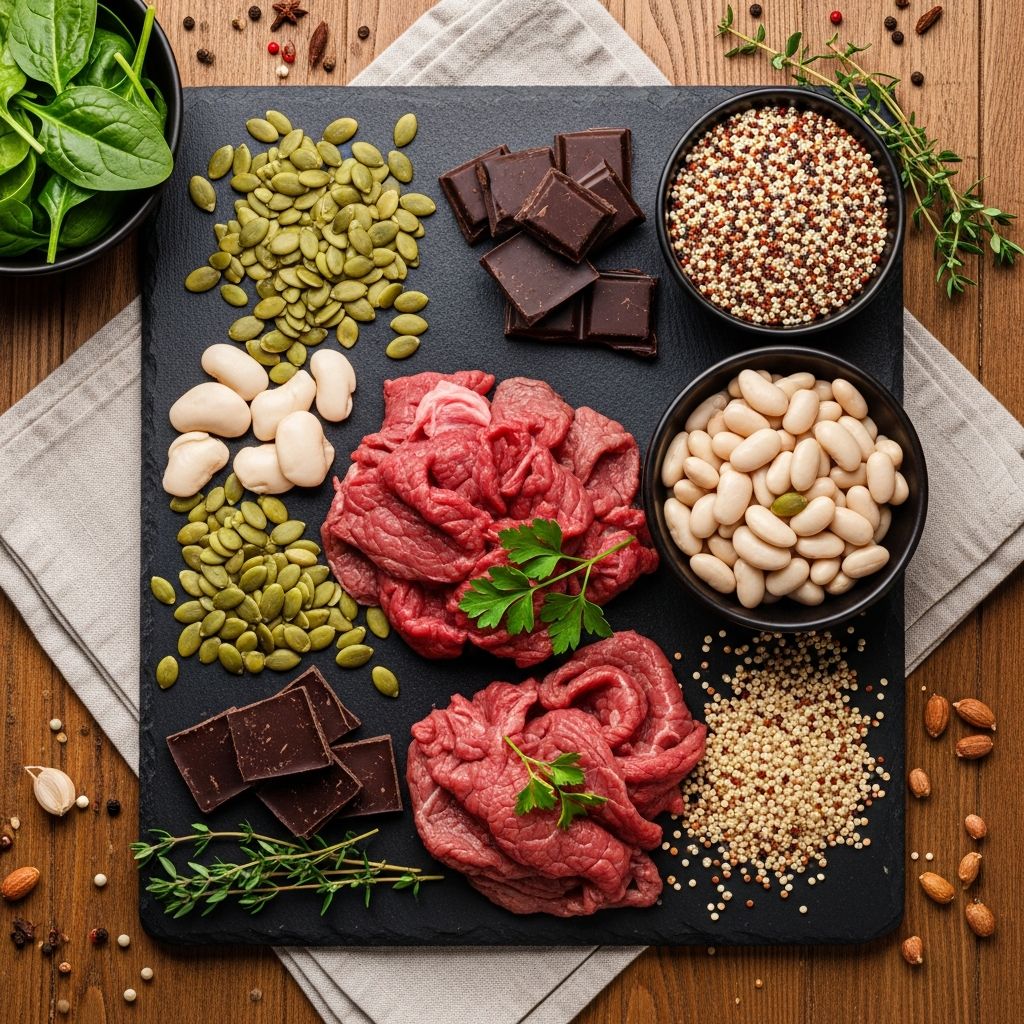
Spinach has long been celebrated as an iron powerhouse, thanks to Popeye’s famous affinity for it, but several other foods surpass it in iron content per serving. While a cup of cooked spinach provides about 6.43 mg of iron, options like organ meats, shellfish, legumes, and seeds offer even higher amounts, making them superior choices for boosting iron levels, especially for those at risk of deficiency such as women, athletes, and vegetarians. Incorporating these into your diet can help meet the recommended daily allowance (RDA)—8 mg for men and 18 mg for premenopausal women—while providing additional nutrients like protein, fiber, and vitamins that enhance absorption and overall health.
Why Iron Matters
Iron is essential for producing hemoglobin, which transports oxygen throughout the body, supporting energy levels, immune function, and cognitive health. Deficiency, affecting up to 25% of people worldwide, leads to fatigue, weakness, and anemia. There are two types: heme iron from animal sources, absorbed at 15-35% efficiency, and non-heme from plants, absorbed at 2-20%. Pairing non-heme sources with vitamin C-rich foods like citrus improves uptake, while avoiding tea, coffee, and calcium during meals prevents inhibition.
Animal-Based Iron Powerhouses
Animal products dominate the top iron sources due to their bioavailable heme form. These are ideal for quick replenishment, particularly post-blood donation or during pregnancy.
Liver (Beef or Chicken)
Chicken or beef liver tops the list, delivering over 10 mg of iron per 100g—far exceeding spinach’s 2.7 mg per 100g raw. A 3-ounce serving of beef liver provides 5 mg (28% DV), plus vitamin B12 for red blood cell formation and folate. It’s nutrient-dense but consume in moderation due to high vitamin A; aim for 2-3 ounces weekly in pâté, stir-fries, or smoothies.
Oysters and Shellfish
Oysters pack 8 mg per 100g (44% DV), outpacing spinach significantly. A 3.5-ounce serving of clams offers 3 mg (17% DV), mussels similarly high. Rich in zinc for immunity, they’re perfect grilled, in stews, or raw. Other shellfish like mussels provide comparable benefits with omega-3s for heart health.
Red Meat and Poultry
Lean beef offers 2.7 mg per 3 ounces (15% DV), turkey dark meat 2.4 mg. These heme sources absorb efficiently; grass-fed options add antioxidants. Grill, roast, or add to salads for versatile intake.
Plant-Based Iron Boosters
For vegetarians and vegans, these non-heme options shine when combined with vitamin C. Legumes and seeds provide sustained energy with fiber and protein.
Lentils
One cup cooked lentils yields 6.6 mg (37% DV), surpassing spinach. High in protein (18g per cup) and fiber, they’re budget-friendly in soups, curries, or salads. Soak and cook with tomatoes for better absorption.
Soybeans and Tofu
Soybeans deliver more iron than spinach per serving; half-cup tofu provides 3.4 mg (19% DV) and 22g protein. Isoflavones support heart health and menopause relief. Use in stir-fries, scrambles, or smoothies.
Chickpeas (Garbanzo Beans)
One cup cooked chickpeas offers 4.7 mg iron, plus folate and fiber for digestion. Roast for snacks, blend into hummus, or add to stews.
Pumpkin Seeds
A ounce (28g) provides 2.5 mg (14% DV), with magnesium and zinc. Sprinkle on yogurt, salads, or eat roasted.
Related Stories



Sesame Seeds
Tiny but mighty, 1 ounce sesame seeds has 4.1 mg iron, plus calcium. Tahini dips or seed toppings amplify meals.
Grains and Pseudograins
Quinoa
One cup cooked quinoa supplies 2.8 mg (16% DV), gluten-free complete protein with antioxidants. Use as rice substitute in bowls or pilafs.
Other Notable Mentions
- Dark Chocolate (70%+ cocoa): 3 mg per 1-ounce (17% DV), antioxidants for heart health. Enjoy 1-2 squares daily.
- White Beans: 1 cup cooked: 6.62 mg, 17g protein. Ideal in chilis or salads.
- Red Kidney Beans: 5.2 mg per cup, filling fiber for weight management.
- Broccoli: 1 mg per cup with 112% DV vitamin C for absorption.
Iron Content Comparison Table
| Food | Serving Size | Iron (mg) | % DV | Compared to Spinach (6.43 mg/cup cooked) |
|---|---|---|---|---|
| Beef Liver | 3 oz | 5 | 28% | Lower per oz but heme superior |
| Oysters | 3.5 oz | 8 | 44% | Higher |
| Lentils (cooked) | 1 cup | 6.6 | 37% | Higher |
| Tofu | 1/2 cup | 3.4 | 19% | Higher per comparable serving |
| Pumpkin Seeds | 1 oz | 2.5 | 14% | Higher density |
| Quinoa (cooked) | 1 cup | 2.8 | 16% | Lower but complete protein |
| Spinach (cooked) | 1 cup | 6.43 | 36% | Baseline |
DV based on 18 mg RDA for women.
Maximizing Iron Absorption
Enhance uptake by pairing plant irons with vitamin C (e.g., lentils with bell peppers). Avoid inhibitors like dairy, tea, or high-fiber meals simultaneously. Cook in cast iron pans to add trace iron. Those with absorption issues (e.g., celiac) consult doctors for supplements.
Who Needs More Iron?
Pregnant women (27 mg RDA), menstruating individuals, vegetarians, athletes, and blood donors benefit most. Symptoms of low iron include fatigue, pale skin, shortness of breath—test ferritin levels if suspected.
Sample Meal Plan
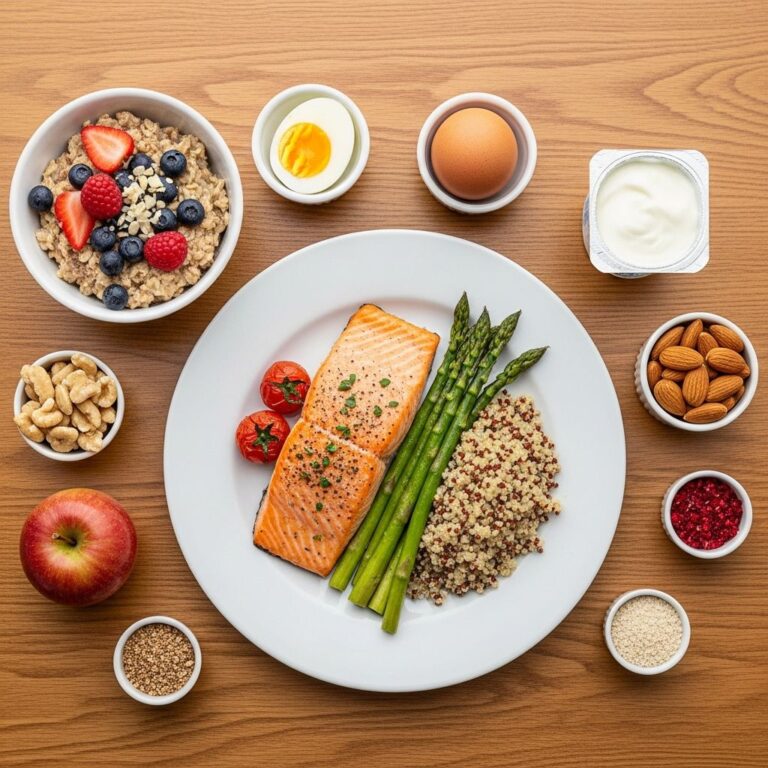
- Breakfast: Quinoa porridge with pumpkin seeds and strawberries.
- Lunch: Chickpea salad with spinach, tomatoes, oysters.
- Dinner: Lentil curry with tofu and broccoli.
- Snack: Dark chocolate and sesame seeds.
Frequently Asked Questions (FAQs)
What foods have more iron than spinach?
Liver, oysters, lentils, soybeans, pumpkin seeds, quinoa, dark chocolate, sesame seeds, and chickpeas provide higher iron per serving.
Is spinach a good source of iron?
Yes, but non-heme iron absorbs poorly without vitamin C; better options exist for efficiency.
How much iron do I need daily?
8 mg men/postmenopausal women, 18 mg premenopausal, 27 mg pregnant.
Can vegetarians get enough iron?
Absolutely, via legumes, seeds, quinoa; pair with vitamin C.
Does cooking affect iron content?
Cooking spinach concentrates iron; cast iron cookware boosts it further.
References
- 11 Foods have more iron than Spinach — Times of India. 2024-09-01. https://timesofindia.indiatimes.com/life-style/food-news/11-foods-have-more-iron-than-spinach/articleshow/111636957.cms
- 12 Healthy Foods That Are High in Iron — Healthline. 2023-10-15. https://www.healthline.com/nutrition/healthy-iron-rich-foods
- Iron-Rich Foods Dietitians Want You to Add to Your Plate — Prevention. 2024-11-20. https://www.prevention.com/food-nutrition/healthy-eating/a68961706/iron-rich-foods/
- Iron-Rich Foods | Red Cross Blood — American Red Cross. 2025-01-10. https://www.redcrossblood.org/donate-blood/blood-donation-process/before-during-after/iron-blood-donation/iron-rich-foods.html
- Iron Rich Foods — Cedars-Sinai. 2022-05-01. https://www.cedars-sinai.org/content/dam/cedars-sinai/programs-and-services/blood-donor/documents/iron-rich-foods.pdf
Similar Articles








Read full bio of medha deb