Foods With More Magnesium Than Almonds: 12 Best Sources
Discover 12 nutrient-packed foods that deliver more magnesium than almonds to support muscle function, energy, and bone health.
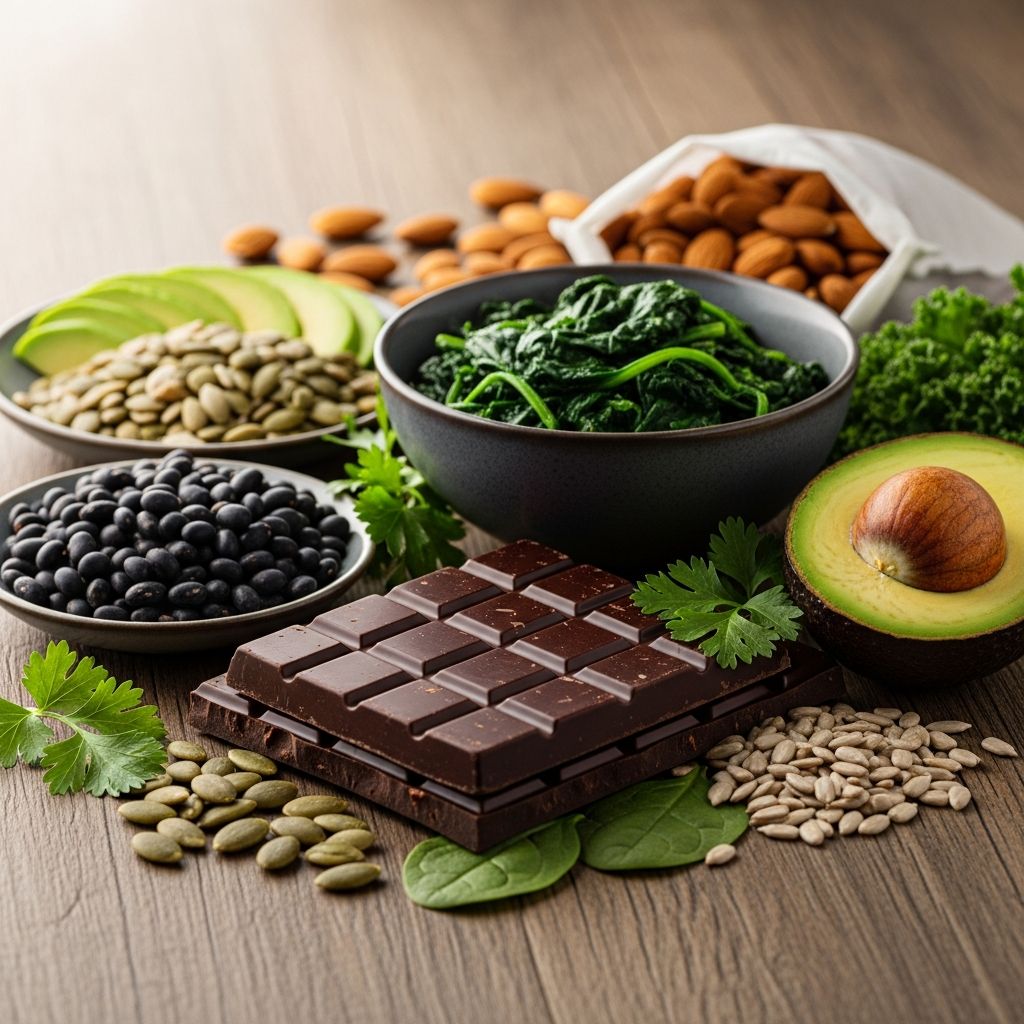
Almonds are a popular go-to for magnesium, offering about 80 mg per 1-ounce serving, which covers roughly 19% of the daily value (DV) for adults. But several everyday foods pack even more magnesium punch per comparable serving, helping you meet the recommended 310–420 mg daily intake more easily. Magnesium supports over 300 biochemical reactions, including muscle and nerve function, energy production, blood sugar control, and bone health.
Incorporating these magnesium powerhouses can enhance sleep quality, reduce migraine frequency, and lower risks of hypertension and type 2 diabetes, according to the National Institutes of Health (NIH). This article highlights 12 foods with superior magnesium content to almonds, complete with nutritional perks, serving suggestions, and a comparison table.
Why You Need Magnesium—and How Much
Magnesium is an essential mineral involved in protein synthesis, blood pressure regulation, and DNA maintenance. Deficiency affects up to 50% of Americans, leading to fatigue, cramps, and irregular heartbeat. The Recommended Dietary Allowance (RDA) is 310–320 mg for women and 400–420 mg for men aged 19–51, rising slightly for older adults and pregnancy.
Food sources are ideal over supplements to avoid gastrointestinal side effects from excess intake (over 350 mg supplemental daily). Pair magnesium-rich foods with vitamin D and calcium for optimal absorption, as found in NIH studies.
12 Foods With More Magnesium Than Almonds
These selections beat almonds’ 80 mg per ounce, based on USDA data via MyFoodData and peer-reviewed analyses. Each includes %DV, key co-nutrients, and meal ideas.
1. Pumpkin Seeds (Pepitas)
Roasted pumpkin seeds top the list with 168 mg magnesium per 1 oz (40% DV)—more than double almonds. They’re loaded with iron, zinc, and antioxidants that combat oxidative stress. A 2023 NIH review links their magnesium to improved sleep and reduced inflammation.
- Serving tip: Sprinkle 1 oz on salads or yogurt for 40% DV.
- Bonus: Supports prostate health and immunity.
2. Chia Seeds
One ounce delivers 111 mg (26% DV), plus omega-3s, fiber (11 g), and protein. Chia forms a gel in liquids, aiding digestion and satiety. Healthline notes their role in blood sugar stabilization.
- Serving tip: Mix into smoothies or overnight oats.
- Bonus: Heart-healthy fats lower LDL cholesterol.
3. Boiled Spinach (or Other Leafy Greens)
Half a cup boiled spinach provides 78–157 mg (19–37% DV), rich in vitamins A, C, K, folate, and iron. Cooking concentrates magnesium; raw forms work too but in larger volumes. WebMD highlights anti-inflammatory benefits.
- Serving tip: Sauté with garlic or blend into soups.
- Bonus: Eye health and cancer risk reduction.
4. Cashews
One ounce roasted cashews offers 83–74 mg (20–18% DV), with monounsaturated fats, copper, and magnesium for bone density. Studies show nuts improve cholesterol in diabetics.
- Serving tip: Snack handful or add to stir-fries.
- Bonus: Blood sugar control.
Related Stories



5. Black Beans
Half cup cooked yields 60 mg (14% DV), packed with 7 g fiber, 8 g protein, and folate. Legumes like these slow digestion for steady energy, per GoodRx.
- Serving tip: In salads, tacos, or chili.
- Bonus: Gut health and weight management.
6. Edamame (Soybeans)
Half cup shelled provides 50 mg (12% DV) in just 65 calories, with 11 g protein and fiber. Soy’s isoflavones support heart health and may lower cancer risk.
- Serving tip: Steam as appetizer or add to poke bowls.
- Bonus: Low-cal protein boost.
7. Fortified Soy Milk
One cup offers 61 mg (15% DV), plus potassium and plant iron. Ideal for vegans; choose unsweetened to avoid added sugars.
- Serving tip: In lattes, cereal, or smoothies.
- Bonus: Bone-supporting calcium if fortified.
8. Baked Potato (with Skin)
One medium (3.5 oz) russet potato gives 43 mg (10% DV), with vitamin C and fiber. Skin maximizes nutrients; baking preserves more than boiling.
- Serving tip: Top with yogurt and chives.
- Bonus: Immune support.
9. Quinoa (or Buckwheat)
One cup cooked quinoa: 64–86 mg (15–20% DV); complete protein with B vitamins. Pseudograins like buckwheat excel for gluten-free diets.
- Serving tip: Base for grain bowls.
- Bonus: Reduces heart disease risk factors.
10. Avocado
Half cup (one medium) provides 58 mg (14% DV), with potassium, healthy fats, and vitamin K. Monounsaturated fats benefit heart health.
- Serving tip: On toast or in guacamole.
- Bonus: Blood pressure regulation.
11. Dark Chocolate (70–85% Cocoa)
One ounce: 64 mg (15% DV), with flavonoids for artery health. Limit to 1 oz to manage calories.
- Serving tip: Melt into oatmeal or eat plain.
- Bonus: Mood enhancement via antioxidants.
12. Fatty Fish like Salmon
3 oz cooked salmon: 30 mg (7% DV), but pairs with 22 g protein, omega-3s, and selenium. Regular intake cuts chronic disease risk.
- Serving tip: Grilled with greens.
- Bonus: Brain and heart protection.
Magnesium Content Comparison Table
| Food | Serving Size | Magnesium (mg) | % DV | vs. Almonds (80 mg/1 oz) |
|---|---|---|---|---|
| Pumpkin Seeds | 1 oz | 168 | 40% | +110% |
| Chia Seeds | 1 oz | 111 | 26% | +39% |
| Boiled Spinach | ½ cup | 78–157 | 19–37% | Equal to +96% |
| Cashews | 1 oz | 83 | 20% | +4% |
| Black Beans | ½ cup | 60 | 14% | -25% (larger serve) |
| Edamame | ½ cup | 50 | 12% | Low-cal alt |
| Soy Milk (Fortified) | 1 cup | 61 | 15% | +vol |
| Baked Potato | 3.5 oz | 43 | 10% | Filling carb |
| Quinoa | 1 cup cooked | 64–86 | 15–20% | Protein-rich |
| Avocado | ½ cup | 58 | 14% | Healthy fat |
| Dark Chocolate | 1 oz | 64 | 15% | Treat option |
| Salmon | 3 oz | 30 | 7% | Omega-3 boost |
| Almonds | 1 oz | 80 | 19% | Benchmark |
Data from USDA MyFoodData, NIH. %DV based on 420 mg for men.
Easy Ways to Add More Magnesium to Your Diet
Aim for variety: Start day with chia oatmeal, lunch with spinach salad and quinoa, snack on pumpkin seeds, dinner with salmon and black beans. Cooking tip: Boil greens to boost bioavailability; eat potato skins. Vegans: Prioritize seeds, beans, soy. Track intake via apps like Cronometer.
Who Might Need Extra Magnesium?
Athletes, pregnant people, those with GI disorders (e.g., Crohn’s), or on diuretics may need more. Symptoms of low magnesium: muscle twitches, fatigue, nausea. Consult a doctor before supplementing.
Frequently Asked Questions (FAQs)
Can you get enough magnesium from food alone?
Yes, a balanced diet with these foods meets RDA for most. NIH states whole foods provide co-factors for better absorption than pills.
What’s the best time to eat magnesium-rich foods?
Evening servings may aid sleep; spread throughout day for steady levels.
Are there side effects from too much dietary magnesium?
Rare from food; excess water-soluble magnesium causes loose stools. RDA caps prevent issues.
Do cooking methods affect magnesium content?
Minimal loss; boiling concentrates leafy greens, baking preserves potatoes.
Is magnesium from plants as good as from animal sources?
Equally bioavailable; phytates in plants slightly hinder but fiber aids overall.
References
- Magnesium: Fact sheet for consumers — Office of Dietary Supplements, National Institutes of Health. 2022-03-03. https://ods.od.nih.gov/factsheets/Magnesium-Consumer/
- Foods High in Magnesium — WebMD. 2024-01-15. https://www.webmd.com/diet/foods-high-in-magnesium
- 10 Magnesium-Rich Foods — Healthline (Medically reviewed). 2024-01-24. https://www.healthline.com/nutrition/10-foods-high-in-magnesium
- 13 Foods High in Magnesium — GoodRx. 2023-11-20. https://www.goodrx.com/well-being/diet-nutrition/foods-high-in-magnesium
- 25 Magnesium-Rich Foods — Cleveland Clinic. 2023-05-10. https://health.clevelandclinic.org/foods-that-are-high-in-magnesium
Similar Articles








Read full bio of medha deb