Foods With More Magnesium Than Dark Chocolate
Discover nutrient-packed foods that surpass dark chocolate in magnesium content to boost your daily intake effectively.
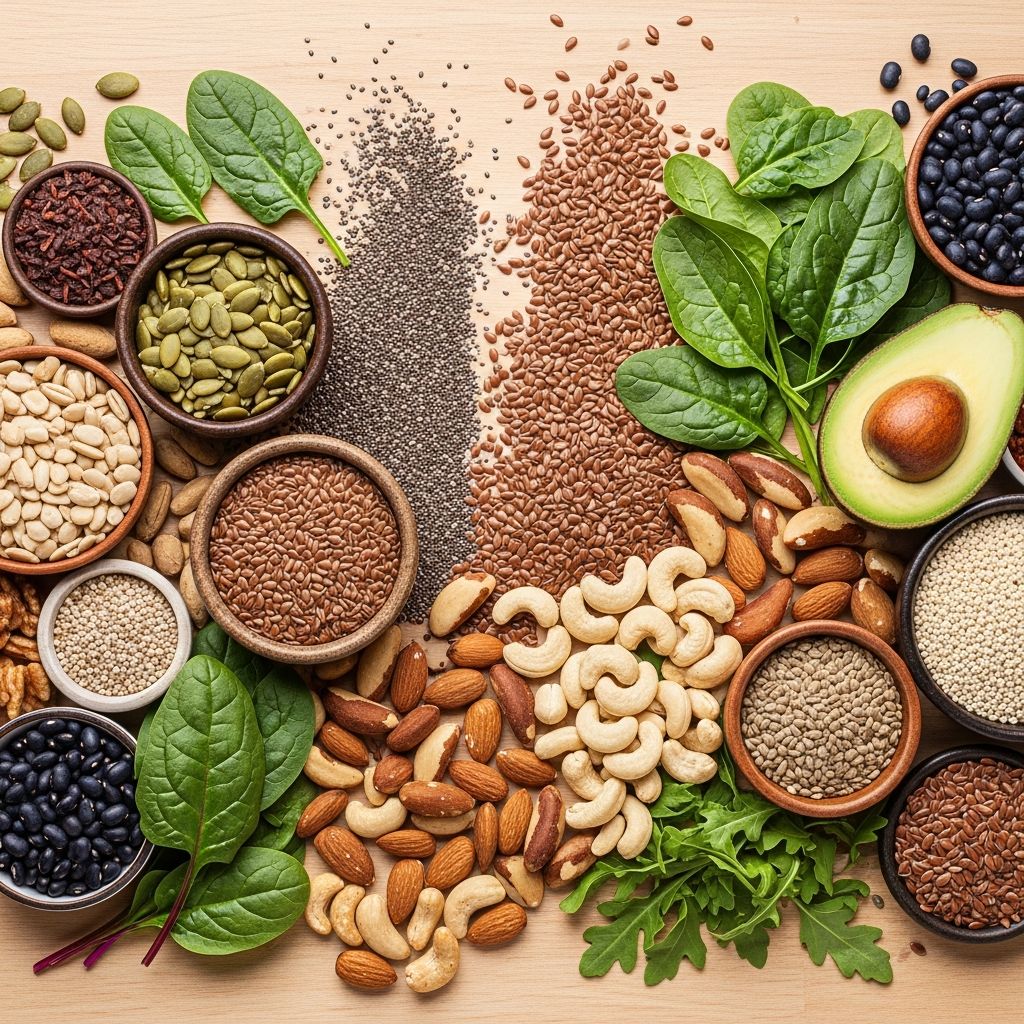
Dark chocolate offers about 65 mg of magnesium per 1-ounce (28 g) serving, covering roughly 15% of the daily value (DV), but several everyday foods provide even higher amounts to support muscle function, energy production, and bone health. Incorporating these magnesium-rich options can help meet the recommended daily intake of 310 6420 mg for adults, depending on age and sex.
Why You Need Magnesium
Magnesium is an essential mineral involved in over 300 biochemical reactions in the body, including protein synthesis, muscle and nerve function, blood glucose control, and blood pressure regulation. Deficiency, affecting up to 50% of people in some populations, may lead to fatigue, muscle cramps, irregular heartbeat, and weakened bones. Foods surpassing dark chocolate’s magnesium content offer a delicious way to prevent these issues while providing fiber, healthy fats, and antioxidants.
Pumpkin Seeds
Pumpkin seeds, or pepitas, top the list with 159 6168 mg of magnesium per 30 g (1 oz) serving, exceeding dark chocolate by over 140% and supplying 37 640% DV. These seeds are also packed with iron, zinc, and omega-3 fatty acids, supporting immune health and reducing inflammation. Roast them for a crunchy snack or sprinkle on salads and yogurt. A 30 g handful delivers sustained energy without spiking blood sugar.
Chia Seeds
Chia seeds provide 114 mg per 30 g, about 27% DV, outpacing dark chocolate significantly. Renowned for their gel-like texture when soaked, they offer omega-3s, fiber, and protein ideal for puddings, smoothies, or baking. Their high antioxidant content combats oxidative stress, promoting heart health and digestion.
Spinach and Leafy Greens
Boiled spinach delivers 157 6158 mg per cup (180 g), a whopping 37% DV, far more than dark chocolate. Other greens like kale and Swiss chard follow suit, rich in vitamins A, C, K, iron, and folate. These low-calorie powerhouses protect against cancer and support eye health. Sauté, blend into smoothies, or add to soups for an easy boost.
Almonds
Almonds contain 80 mg per 30 g (1 oz), roughly 19% DV, beating dark chocolate handily. Loaded with vitamin E, fiber, and monounsaturated fats, they improve cholesterol levels and blood sugar control, especially beneficial for diabetes management. Enjoy them raw, toasted, or as almond butter on toast.
Cashews
Cashews pack 75 683 mg per 30 g, providing 18 620% DV. Creamy and versatile, they offer copper, magnesium, and heart-healthy fats. Studies link nut consumption like cashews to lower heart disease risk. Use in stir-fries, curries, or as a dairy-free cream base.
Quinoa
This pseudograin supplies 86 6120 mg per cooked cup, around 20 628% DV, surpassing chocolate. Complete protein with all essential amino acids, plus B vitamins, iron, and fiber, quinoa aids muscle repair and satiety. Rinse, cook like rice, and use in salads, bowls, or as a pilaf side.
Black Beans and Legumes
Black beans provide 120 mg per cooked cup (about 28% DV), with lentils and chickpeas similarly high. High in protein, fiber, and folate, they stabilize blood sugar and promote gut health. Rinse canned versions or cook dried for soups, tacos, or salads.
Related Stories



Edamame
Shelled edamame offers around 100 mg per half-cup cooked, exceeding chocolate levels. As young soybeans, it’s protein-rich (17 g per cup) with iron and low calories. Steam and season for snacks or add to stir-fries and poke bowls.
Avocado
One medium avocado yields 58 mg (14% DV), close but paired with potassium and healthy fats for superior nutrition. It supports heart health and absorption of fat-soluble vitamins. Mash on toast, slice into salads, or blend into dressings.
Fatty Fish Like Salmon
Cooked salmon provides 30 mg per 100 g (7% DV), but larger portions or frequent intake accumulate benefits alongside omega-3s and protein. Grill, bake, or poach for anti-inflammatory effects reducing heart disease risk.
Other Standouts: Buckwheat, Bananas, and More
Buckwheat offers 86 mg per cooked cup (20% DV), gluten-free with manganese and fiber. Bananas contribute 37 mg each (9% DV) with potassium for blood pressure control. Whole grains like brown rice (72 mg per ½ cup) and trail mix round out options.
How Much Magnesium Do You Need?
Adults require 310 6320 mg daily for women and 400 6420 mg for men, increasing during pregnancy or lactation. Athletes or those with conditions like diabetes may need more. Aim for food sources first, as they provide co-nutrients for better absorption.
| Food | Serving Size | Magnesium (mg) | % DV |
|---|---|---|---|
| Pumpkin Seeds | 30 g | 159 6168 | 37 640% |
| Spinach (boiled) | 1 cup (180 g) | 157 6158 | 37% |
| Chia Seeds | 30 g | 114 | 27% |
| Almonds | 30 g | 80 | 19% |
| Dark Chocolate | 28 g | 65 | 15% |
Benefits of Magnesium-Rich Foods
- Energy Production: Aids ATP creation for cellular energy.
- Bone Health: Works with calcium and vitamin D for density.
- Heart Support: Regulates rhythm and lowers hypertension risk.
- Mental Health: Reduces migraine frequency and improves sleep.
- Muscle Function: Prevents cramps and supports recovery.
Tips to Boost Intake
- Snack on a trail mix of pumpkin seeds, almonds, and dark chocolate.
- Start days with chia pudding or spinach smoothies.
- Swap white rice for quinoa or brown rice.
- Add avocado to sandwiches and salads daily.
- Incorporate legumes 3 64 times weekly.
Potential Risks and Considerations
Excess magnesium from food is rare due to self-regulation, but supplements can cause diarrhea or interact with medications. Those with kidney issues should consult doctors. Bioavailability varies; pair with vitamin D for optimal absorption.
Frequently Asked Questions (FAQs)
What food has the most magnesium?
Pumpkin seeds lead with 159 6168 mg per 30 g, followed by spinach and chia seeds.
Are bananas high in magnesium?
Yes, one large banana has 37 mg (9% DV), a good but not top source.
How can I get 100% daily magnesium from food?
Combine sources like 30 g pumpkin seeds (40%), spinach cup (37%), and almonds for full coverage without supplements.
Which fruit is highest in magnesium?
Avocados top fruits at 58 mg per medium, with bananas at 37 mg; dried figs offer even more per quarter cup.
Is dark chocolate a good magnesium source?
It’s decent at 65 mg per oz (15% DV) but outdone by seeds, greens, and nuts.
References
- Foods high in magnesium 6 healthdirect.gov.au. 2023. https://www.healthdirect.gov.au/foods-high-in-magnesium
- 10 Magnesium-Rich Foods That Are Super Healthy 6 Healthline. 2024-01-24. https://www.healthline.com/nutrition/10-foods-high-in-magnesium
- Foods With the Magnesium Your Body Needs 6 Dartmouth-Hitchcock. N/A. https://www.dartmouth-hitchcock.org/stories/article/foods-magnesium-your-body-needs
- Healthy foods high in magnesium 6 Medical News Today. 2023. https://www.medicalnewstoday.com/articles/318595
- 9 food sources of magnesium 6 Laboratoire Dielen. N/A. https://www.dielen.fr/en/conseils/9-aliments-sources-de-magnesium/
Similar Articles








Read full bio of medha deb