Foods With More Omega-3s Than Salmon: 8 Top Alternatives
Discover powerhouse foods that pack more omega-3 fatty acids than salmon for optimal heart and brain health.
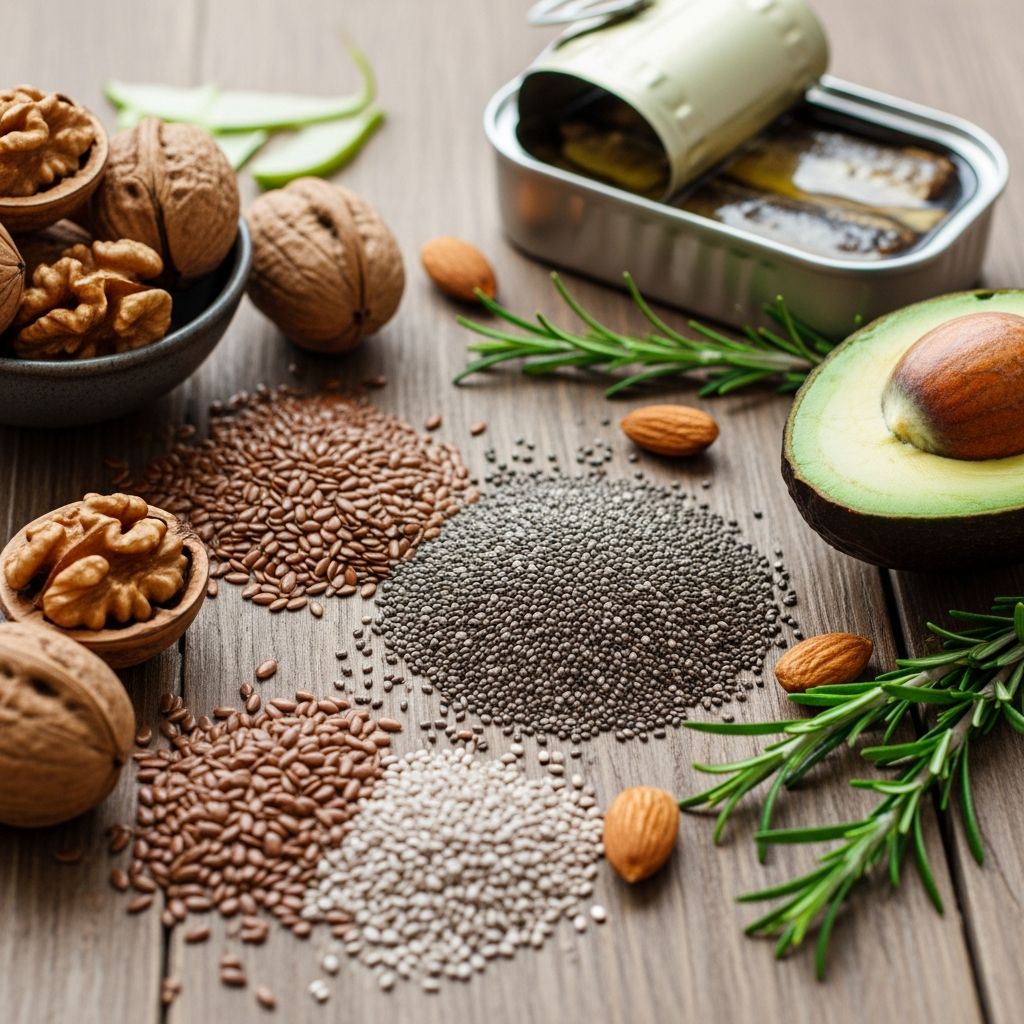
Salmon is celebrated for its omega-3 fatty acids, but several foods deliver even higher amounts of these essential nutrients vital for heart health, brain function, and reducing inflammation. Omega-3s come in EPA and DHA forms from animal sources and ALA from plants, with EPA and DHA being more bioavailable. This article highlights top options exceeding salmon’s typical 2,150 mg per 100g serving, backed by nutritional data.
What Are Omega-3 Fatty Acids?
Omega-3 fatty acids are polyunsaturated fats crucial for cell membrane structure, hormone production, and genetic function. The three main types are alpha-linolenic acid (ALA) from plants, eicosapentaenoic acid (EPA), and docosahexaenoic acid (DHA) from marine sources. While the body converts some ALA to EPA and DHA, the process is inefficient (under 15%), making direct sources preferable.
Health benefits include lowered triglycerides, reduced blood pressure, improved arterial function, and decreased risk of heart disease, dementia, and depression. The National Institutes of Health recommends 250-500 mg daily of EPA and DHA for adults, higher for specific conditions.
Why Look Beyond Salmon?
Salmon offers about 2,150 mg EPA+DHA per 100g, but options like mackerel provide over twice that. Variety prevents over-reliance on one fish, mitigates mercury risks (salmon is low but not zero), and includes plant-based choices for vegans. Affordable, accessible alternatives ensure sustainable omega-3 intake.
Seafood Superstars With More Omega-3s Than Salmon
1. Mackerel (4,580 mg per 100g)
Mackerel, a small oily fish, tops the list with 4,580 mg EPA+DHA per 100g serving—over double salmon’s content. A 3.5-oz portion delivers 500% DV vitamin B12 and 133% selenium, supporting immunity and thyroid health. Low in mercury, it’s ideal for regular consumption.
- How to eat: Grill fresh fillets, smoke for salads, or add to pasta.
- Pro tip: Atlantic mackerel is safest; avoid king mackerel due to mercury.
2. Herring (2,150-3,300 mg per 100g)
Herring matches or exceeds salmon, with up to 3.3g per 100g in smoked kippers (5.2g per 160g fillet). Rich in protein, B12, and vitamin D, it supports bone health and mood. Often sold pickled or smoked, it’s budget-friendly.
- Recipes: Herring salads, pâtés, or breakfast kippers with eggs.
- Benefit: 1.7g+ per 3-oz serving aids anti-aging via antioxidants.
3. Oysters (Up to 2,000+ mg per 100g)
Oysters provide around 0.6-2,000 mg omega-3s per 100g, surpassing salmon in some analyses, plus rare ALA from shellfish. Exceptional in zinc (up to 600% DV), copper, and B12, they boost immunity and libido. Pacific oysters are mercury-low.
- Serving ideas: Raw on the half-shell, grilled, or in stews.
- Caution: Source from clean waters to avoid contamination.
4. Anchovies (2,053 mg per 100g)
Tiny anchovies pack 2,053 mg per 100g or 1.2g per 2-oz. High in niacin, selenium, and calcium (if boned), they’re versatile flavor boosters. Low-calorie and sustainable.
Related Stories



- Uses: Pizza topping, Caesar dressing, or pasta umami.
- Watch: High sodium in canned; rinse if needed.
5. Sardines (1,463-3,000 mg per 100g)
Sardines offer 1,463 mg per 100g drained or up to 3g per tin. Whole eaten, they provide 370% DV B12, 96% selenium, and calcium from bones. Affordable canned option.
- Ideas: On toast, salads, or fishcakes.
- Edge over salmon: Shelf-stable and cheaper.
Plant-Based Powerhouses
For vegetarians, ALA-rich foods convert less efficiently but contribute volume. These often exceed salmon’s total omega-3 when measured broadly.
6. Chia Seeds (17,500 mg ALA per 100g)
Chia seeds boast 17g ALA per 100g, dwarfing salmon. Hydrate into pudding or sprinkle on yogurt for fiber and protein bonuses.
7. Flaxseeds/Flax Oil (22,800 mg ALA per 100g)
Ground flax or oil leads with 22g ALA/100g. Add to smoothies; oil for dressings. Lignans aid hormone balance.
8. Walnuts (9,000 mg ALA per 100g)
A handful (30g) gives 2.5g ALA. Antioxidant-rich for brain health; snack or top oats.
Other Plants: Hemp Seeds, Soybeans, Purslane
Hemp: 8-10g ALA/100g; soybeans: 1.3g/100g; greens like purslane add trace ALA.
Omega-3 Comparison Table
| Food | Omega-3 per 100g (mg) | Type | Key Nutrients |
|---|---|---|---|
| Mackerel | 4,580 | EPA+DHA | B12, Selenium |
| Herring | 2,150-3,300 | EPA+DHA | Vit D, Protein |
| Oysters | ~2,000 | EPA+DHA+ALA | Zinc, B12 |
| Anchovies | 2,053 | EPA+DHA | Calcium, Niacin |
| Sardines | 1,463-3,000 | EPA+DHA | B12, Calcium |
| Salmon | 2,150 | EPA+DHA | Vit D, Selenium |
| Chia Seeds | 17,500 (ALA) | ALA | Fiber, Protein |
| Flaxseeds | 22,800 (ALA) | ALA | Lignans |
| Walnuts | 9,000 (ALA) | ALA | Antioxidants |
Note: EPA/DHA values from USDA data via sources; ALA higher but less converted.
Tips for Boosting Omega-3 Intake
- Combine sources: Fish 2-3x/week, seeds daily.
- Choose wild-caught/low-mercury fish.
- Grind seeds for absorption.
- Fortified foods: Eggs, milk from grass-fed.
- Supplements if deficient, but food first.
Potential Risks and Considerations
Fish allergies, mercury (limit large predators), or blood-thinning effects with meds. Vegans may need algae oil for DHA. Consult doctors for personalized advice.
Frequently Asked Questions (FAQs)
What foods have more omega-3 than salmon?
Mackerel, herring, oysters, anchovies, sardines, chia seeds, flaxseeds, and walnuts exceed salmon’s EPA/DHA or total omega-3.
Are plant omega-3s as good as fish?
ALA from plants converts poorly to EPA/DHA (<15%), so prioritize fish but use plants for volume.
How much omega-3 do I need daily?
250-500 mg EPA+DHA; up to 1g for heart health per NIH.
Is canned fish high in omega-3?
Yes, sardines/herring retain most; draining reduces slightly.
Can I get omega-3 from vegetables?
Purslane, spinach, Brussels sprouts offer ALA traces.
References
- 12 Foods That Are Very High in Omega-3 — Healthline. 2025-05-12. https://www.healthline.com/nutrition/12-omega-3-rich-foods
- Top 12 Foods Rich in Omega-3 Fatty Acids — ZOE. N/A. https://zoe.com/learn/omega-3-foods
- Top 10 sources of omega-3 — BBC Good Food. N/A. https://www.bbcgoodfood.com/health/nutrition/best-sources-omega-3
- Omega-3 Fats in Fish and Seafood — National Lipid Association. N/A. https://www.lipid.org/sites/default/files/omega-3_fats1.pdf
- Omega-3 Fatty Acids – Consumer — NIH Office of Dietary Supplements (.gov). 2022-07-15. https://ods.od.nih.gov/factsheets/Omega3FattyAcids-Consumer/
Similar Articles








Read full bio of medha deb