Foods With More Vitamin A Than Butternut Squash
Discover nutrient-packed foods that surpass butternut squash in vitamin A content for better eye health and immunity.
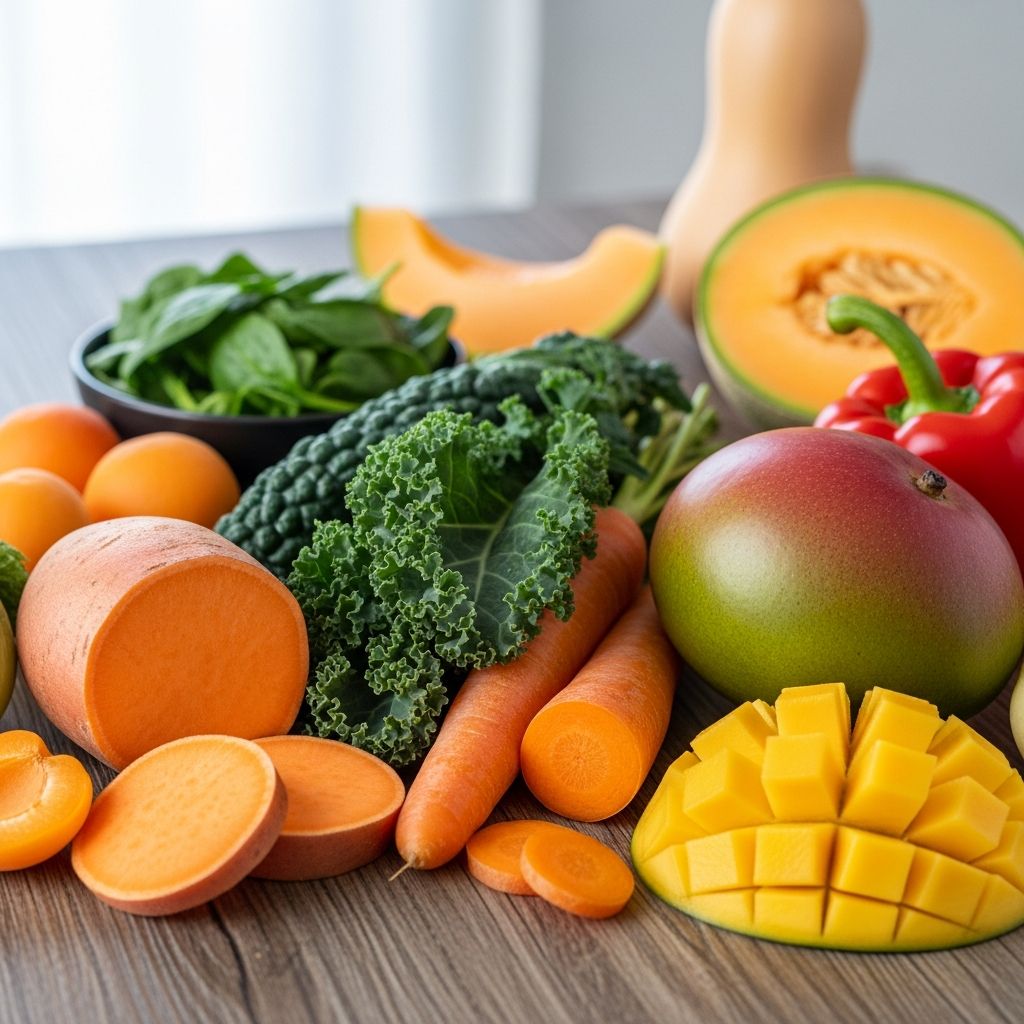
Butternut squash is a popular fall favorite, prized for its creamy texture and impressive nutrient profile. One cup of cooked butternut squash delivers about 22,000 IU of vitamin A, fulfilling over 400% of the daily value for adults. Yet, several everyday foods pack even more of this essential fat-soluble vitamin, vital for vision, immune function, reproduction, and cellular growth.
Vitamin A exists in two forms: preformed retinol from animal sources like liver and dairy, and provitamin A carotenoids (e.g., beta-carotene) from plants like carrots and greens, which the body converts as needed. The RDA is 900 mcg RAE (3,000 IU) for men and 700 mcg RAE (2,333 IU) for women aged 19+. While preformed vitamin A risks toxicity at high doses, carotenoids are safer.
Incorporating these high-vitamin A foods can protect against diseases, support eye health, and enhance immunity, especially through varied fruits and vegetables. Below, we highlight 11 foods surpassing butternut squash’s vitamin A content, with serving sizes, nutritional breakdowns, and health perks.
1. Beef Liver
Beef liver tops the list as a vitamin A powerhouse. A 3-ounce serving of pan-fried beef liver provides 6,582 mcg RAE (731% DV), dwarfing butternut squash. It’s also rich in protein, iron, B12, and folate, making it a nutrient-dense choice for anemia prevention and energy.
- Vitamin A: 6,582 mcg RAE per 3 oz (731% DV)
- Calories: 192
- Protein: 23g
- Health perks: Boosts immunity, night vision; supports red blood cell formation
Enjoy pan-fried with onions or in pâté. Limit to once weekly to avoid excess vitamin A or copper overload.
2. Sweet Potato
Baked sweet potato with skin yields 1,403 mcg RAE (156% DV) per medium spud, outpacing squash. Its beta-carotene converts efficiently, and cooking enhances bioavailability.
- Vitamin A: 1,403 mcg RAE per 1 whole (156% DV)
- Calories: 103
- Fiber: 4g
- Health perks: Antioxidant protection, stable blood sugar; skin health
Bake, mash, or roast. Pair with healthy fats like olive oil for better absorption.
3. Spinach
Frozen boiled spinach offers 573 mcg RAE (64% DV) per ½ cup, with lutein and zeaxanthin for eye health beyond vitamin A. Leafy greens like spinach are top provitamin A sources.
- Vitamin A: 573 mcg RAE per ½ cup boiled (64% DV)
- Calories: 30
- Iron: 3.5mg
- Health perks: Reduces oxidative stress, supports vision
Sauté, blend into smoothies, or add to salads raw (though cooking boosts absorption).
4. Kale
One cup cooked kale delivers around 1,000 mcg RAE, exceeding squash. It’s loaded with carotenoids and antioxidants.
- Vitamin A: ~1,000 mcg RAE per cup cooked
- Calories: 36
- Vitamin K: 1,062mcg
- Health perks: Bone health, anti-inflammation
Massage for salads or bake into chips.
5. Pumpkin
Cooked pumpkin provides high beta-carotene, often surpassing squash at ~953 mcg RAE per cup.
- Vitamin A: 953 mcg RAE per cup
- Calories: 49
- Fiber: 3g
Use in soups, pies, or roasted.
Related Stories



6. Carrots
½ cup cooked carrots: 459 mcg RAE (51% DV), classic for beta-carotene.
- Vitamin A: 459 mcg RAE
- Calories: 27
Raw, juiced, or steamed.
7. Cantaloupe
½ cup cantaloupe: 135 mcg RAE (15% DV), but larger servings beat squash easily.
- Vitamin A: 135 mcg RAE
- Calories: 27
- Hydration: 90% water
Perfect summer snack.
8. Red Bell Peppers
½ cup raw: 117 mcg RAE (13% DV), vitamin C aids absorption.
- Vitamin A: 117 mcg RAE
Crunchy in salads or stir-fries.
9. Mango
One whole mango: 112 mcg RAE (12% DV), tropical delight.
- Vitamin A: 112 mcg RAE
- Vitamin C: 67mg
Fresh or in smoothies.
10. Eggs
One large hard-boiled egg: 75 mcg RAE (8% DV), with lutein.
- Vitamin A: 75 mcg RAE
- Protein: 6g
Versatile for any meal.
11. Fortified Milk
1 cup skim milk: 149 mcg RAE (17% DV).
- Vitamin A: 149 mcg RAE
- Calcium: 300mg
Daily staple.
Comparing Vitamin A Content
| Food | Serving | Vitamin A (mcg RAE) | % DV |
|---|---|---|---|
| Beef Liver | 3 oz | 6,582 | 731% |
| Sweet Potato | 1 whole | 1,403 | 156% |
| Spinach (boiled) | ½ cup | 573 | 64% |
| Butternut Squash | 1 cup cooked | 1,132 | 126% |
| Carrots | ½ cup | 459 | 51% |
This table shows select comparisons; liver and sweet potatoes far exceed squash.
Vitamin A Benefits and Risks
Vitamin A supports immune function, vision (via rhodopsin), growth, and reproduction. Plant sources protect against chronic diseases. Excess preformed vitamin A (>3,000 mcg/day) risks toxicity (nausea, liver damage); pregnant women should cap at 770 mcg. Carotenoids pose no such risk.
Tips to Maximize Absorption
- Eat with fats: Beta-carotene is fat-soluble.
- Cook veggies: Heat boosts bioavailability.
- Vary sources: Mix animal and plant for balance.
- Avoid excess supplements: Food first.
Frequently Asked Questions (FAQs)
What is the daily vitamin A requirement?
900 mcg RAE for men, 700 mcg for women.
Can you get too much vitamin A from food?
Yes from preformed sources like liver; no from carrots.
Are carrots really good for eyes?
Yes, via beta-carotene supporting retinal health.
Vegetarian vitamin A sources?
Sweet potatoes, spinach, carrots, mangoes.
Key Takeaways
Upgrade your diet with these vitamin A champs for superior nutrition. Prioritize variety for health without excess.
References
- Vitamin A – The Nutrition Source — Harvard T.H. Chan School of Public Health. 2023. https://nutritionsource.hsph.harvard.edu/vitamin-a/
- Vitamin A and Carotenoids – Health Professional Fact Sheet — Office of Dietary Supplements, NIH. 2024-04-23. https://ods.od.nih.gov/factsheets/VitaminA-HealthProfessional/
- Pros and Cons of Dietary Vitamin A and Its Precursors in Poultry — PMC (NCBI). 2023-05-15. https://pmc.ncbi.nlm.nih.gov/articles/PMC10215127/
Similar Articles








Read full bio of Sneha Tete