Foods With More Vitamin A Than Carrots: 12 Best Sources
Discover nutrient-packed foods that surpass carrots in vitamin A content for better eye health and immunity.
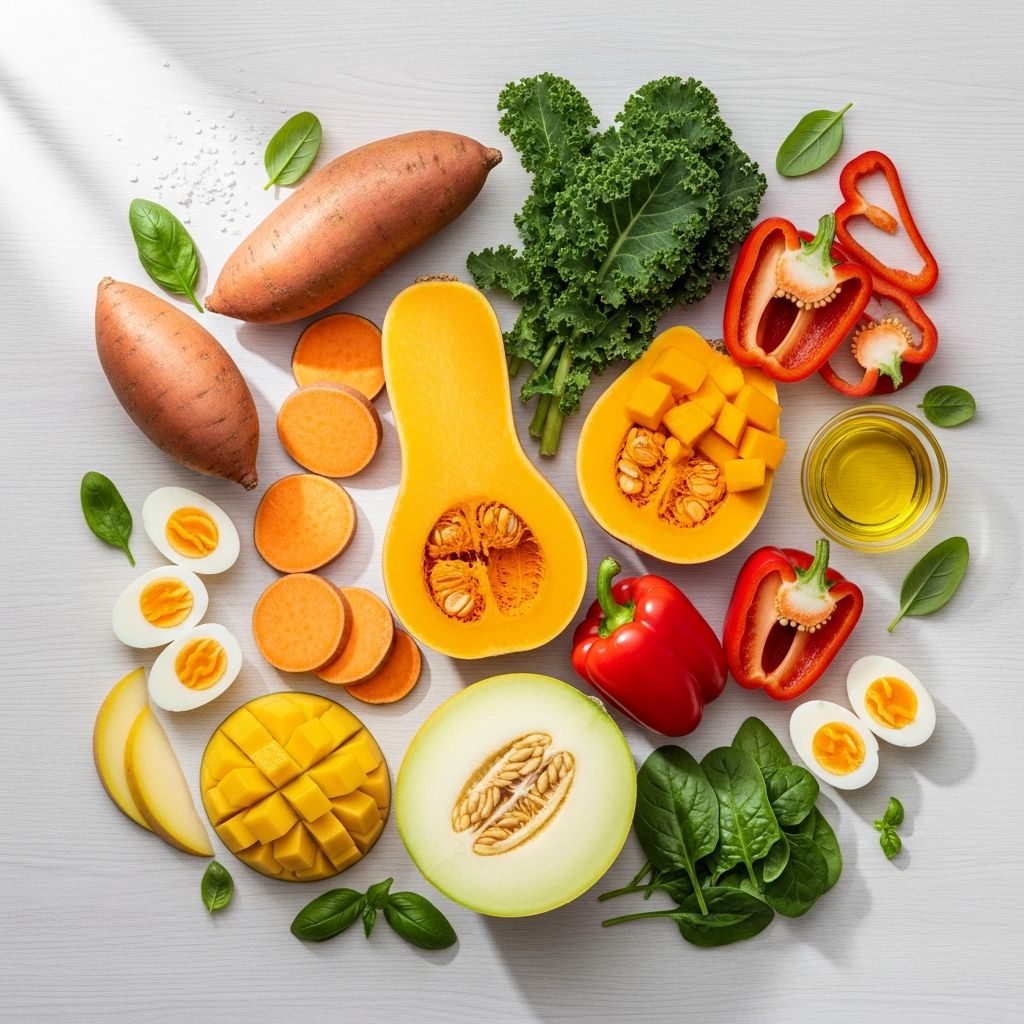
Carrots are famously linked to vitamin A due to their bright orange color and beta-carotene content, but numerous other foods provide even higher amounts of this essential nutrient. Vitamin A, a fat-soluble vitamin crucial for vision, immune function, reproduction, and skin health, exists in two forms: preformed retinol from animal sources and provitamin A carotenoids like beta-carotene from plants. Half a cup of raw carrots offers about 459 mcg of provitamin A, or 51% of the daily value (DV). Yet, options like beef liver and sweet potatoes far exceed this, delivering over 1,000 mcg per serving.
Incorporating these vitamin A-rich foods into your diet supports overall health without supplements. This article highlights 12 standout foods surpassing carrots, detailing their content, benefits, and preparation tips. Backed by nutritional data, these choices promote eye health, bolster immunity, and enhance cellular growth.
What Is Vitamin A and Why Do You Need It?
Vitamin A is vital for maintaining healthy vision, particularly night vision, through rhodopsin production in the retina. It strengthens the immune system by supporting white blood cell function and mucosal barriers against infections. This nutrient aids reproduction, fetal development, and skin integrity by promoting cell differentiation and growth.
Deficiency risks include night blindness, dry eyes, increased infection susceptibility, and skin issues. The recommended DV is 900 mcg RAE (retinol activity equivalents) for adult men and 700 mcg for women. Excess preformed vitamin A from supplements can cause toxicity, but food sources are safer due to regulated absorption.
Provitamin A from plants converts to retinol as needed, minimizing overdose risk. Pair plant sources with fats like olive oil for better absorption, as beta-carotene is fat-soluble.
12 Foods With More Vitamin A Than Carrots
These foods deliver superior vitamin A compared to carrots’ 459 mcg per half-cup raw. Focus on colorful vegetables and quality animal products for maximum benefits.
1. Beef Liver
Beef liver tops the list as the richest source, with 3 ounces pan-fried providing 6,582 mcg of preformed vitamin A—731% DV. This nutrient powerhouse also offers iron, B12, and protein. Consume occasionally (a few times monthly) to avoid excess, especially from grass-fed sources lower in heavy metals.
Health perks: Enhances vision, immunity, and energy metabolism. Pair with onions for a savory dish.
2. Sweet Potatoes
One baked sweet potato yields 1,403 mcg provitamin A (156% DV), outpacing carrots. Loaded with fiber, potassium, and antioxidants, it’s versatile for baking, mashing, or fries.
Pro tip: Bake with skin on; drizzle olive oil for absorption. Supports heart health and stable blood sugar.
3. Pumpkin
Half a cup canned pumpkin supplies 953 mcg (106% DV). Rich in fiber and low-calorie, it’s ideal for soups, pies, or smoothies year-round.
Benefits: Aids digestion, weight management, and eye health. Roast fresh pumpkin for deeper flavor.
4. Spinach
Half a cup boiled spinach delivers 573 mcg (64% DV), despite its green hue—thanks to beta-carotene. Also high in iron, folate, and vitamin K.
Related Stories



How to eat: Sauté with garlic and olive oil; add to salads or smoothies for iron absorption boost.
5. Butternut Squash
One cup baked butternut squash provides 1,140 mcg RAE (127% DV). Its sweet flavor shines in roasts, soups, and curries.
Key benefits: Supports immune function and skin repair with vitamin C synergy.
6. Kale
One cup cooked kale offers 172 mcg RAE (19% DV), but larger servings exceed carrots. Nutrient-dense with antioxidants.
Prep ideas: Massage for salads or bake into chips.
7. Collard Greens
One cup cooked collards yield 722 mcg RAE (80% DV). Southern staple packed with calcium and fiber.
Tip: Slow-cook with smoked turkey for flavor.
8. Pickled Herring
Three ounces provide 219 mcg preformed vitamin A (24% DV), the top seafood option. Omega-3s benefit heart health.
Serve: On rye bread or in salads.
9. Ricotta Cheese
One cup ricotta contains 263 mcg (29% DV). Creamy and low-fat, perfect for toast or lasagna.
Bonus: High in calcium for bones.
10. Milk
One cup (fat-free or whole) offers 149 mcg (17% DV), fortified for accessibility.
Use: In cereals, lattes, or smoothies.
11. Sweet Red Pepper
Half a cup raw sweet red pepper gives 117 mcg (13% DV). Vitamin C enhances iron uptake.
Ideas: Raw in salads or roasted.
12. Mango
One whole mango provides 112 mcg (12% DV). Tropical sweetness with digestive enzymes.
Enjoy: Fresh, in salsas, or smoothies.
Other Notable Sources
- Eggs: 1 large hard-boiled egg: 75 mcg (8% DV).
- Black-eyed peas: 1 cup boiled: 66 mcg (7% DV).
- Dried apricots: 10 halves: 63 mcg (7% DV).
- Broccoli: Half-cup: 60 mcg (7% DV).
Colorful plants like these signal high carotenoids. Cooking certain veggies like carrots boosts beta-carotene bioavailability.
Benefits of Vitamin A
Vision Health
Vitamin A forms rhodopsin for low-light vision; deficiency causes xerophthalmia.
Immune Support
Maintains skin/mucosal barriers and T-cell production against pathogens.
Skin and Cellular Health
Promotes epithelial turnover, reducing acne and dryness.
Reproduction and Growth
Essential for sperm production, fetal development, and bone growth.
How Much Vitamin A Do You Need?
Adults: 700-900 mcg RAE daily. Pregnant women need more (770 mcg); upper limit 3,000 mcg preformed to avoid toxicity symptoms like nausea or liver damage. Food sources rarely cause issues.
| Group | RDA (mcg RAE) |
|---|---|
| Men (19+) | 900 |
| Women (19+) | 700 |
| Pregnant | 770 |
| Lactating | 1,300 |
Boosting Absorption
- Eat with healthy fats: Olive oil, avocado.
- Cook veggies: Heat breaks cell walls for carotenoids.
- Avoid excess alcohol/fiber: Impede uptake.
Potential Risks and Precautions
Hypervitaminosis A from supplements causes headaches, dizziness. Vegans rely on provitamin A; monitor intake. Consult doctors if pregnant or with liver issues.
Recipe Ideas
- Sweet Potato Mash: Bake, mash with butter, cinnamon.
- Spinach Pumpkin Soup: Blend boiled spinach, pumpkin, broth.
- Liver Pâté: Blend cooked liver, herbs, serve on crackers.
- Mango Kale Smoothie: Blend with yogurt, milk.
Frequently Asked Questions (FAQs)
What foods have the most vitamin A?
Beef liver leads with 6,582 mcg per 3 oz, followed by sweet potatoes and pumpkin.
Is vitamin A in carrots the best source?
No, carrots provide 51% DV per half-cup, but liver and sweet potatoes offer far more.
Can you get too much vitamin A from food?
Rarely; plant provitamin A self-regulates, unlike supplements.
Are cooking carrots better for vitamin A?
Yes, cooking increases beta-carotene availability.
Which fruits are high in vitamin A?
Mango, cantaloupe, apricots exceed small amounts in carrots.
References
- 14 Vitamin A Foods That Beat Carrots — VibrantDoc/Parade. 2023-10-15. https://vibrantdoc.com/parade/14-vitamin-a-foods/
- 20 Foods That Are High in Vitamin A — Healthline. 2024-05-20. https://www.healthline.com/nutrition/foods-high-in-vitamin-a
- Nine Vegetables Healthier When Cooked — Health Research Institute (HRI). 2023-08-10. https://www.hri.org.au/health/your-health/nutrition/nine-vegetables-that-are-healthier-for-you-when-cooked
- Vitamin A and Carotenoids – Health Professional Fact Sheet — Office of Dietary Supplements, NIH (.gov). 2024-11-01. https://ods.od.nih.gov/factsheets/VitaminA-HealthProfessional/
- Nutrient Recommendations: Vitamin A — National Academies Press (.edu). 2023-06-15. https://nap.nationalacademies.org/read/11537/chapter/11
Similar Articles








Read full bio of medha deb