Foods With More Vitamin C Than an Orange
Discover 15 nutrient-packed foods that deliver more vitamin C than oranges to boost immunity and health.
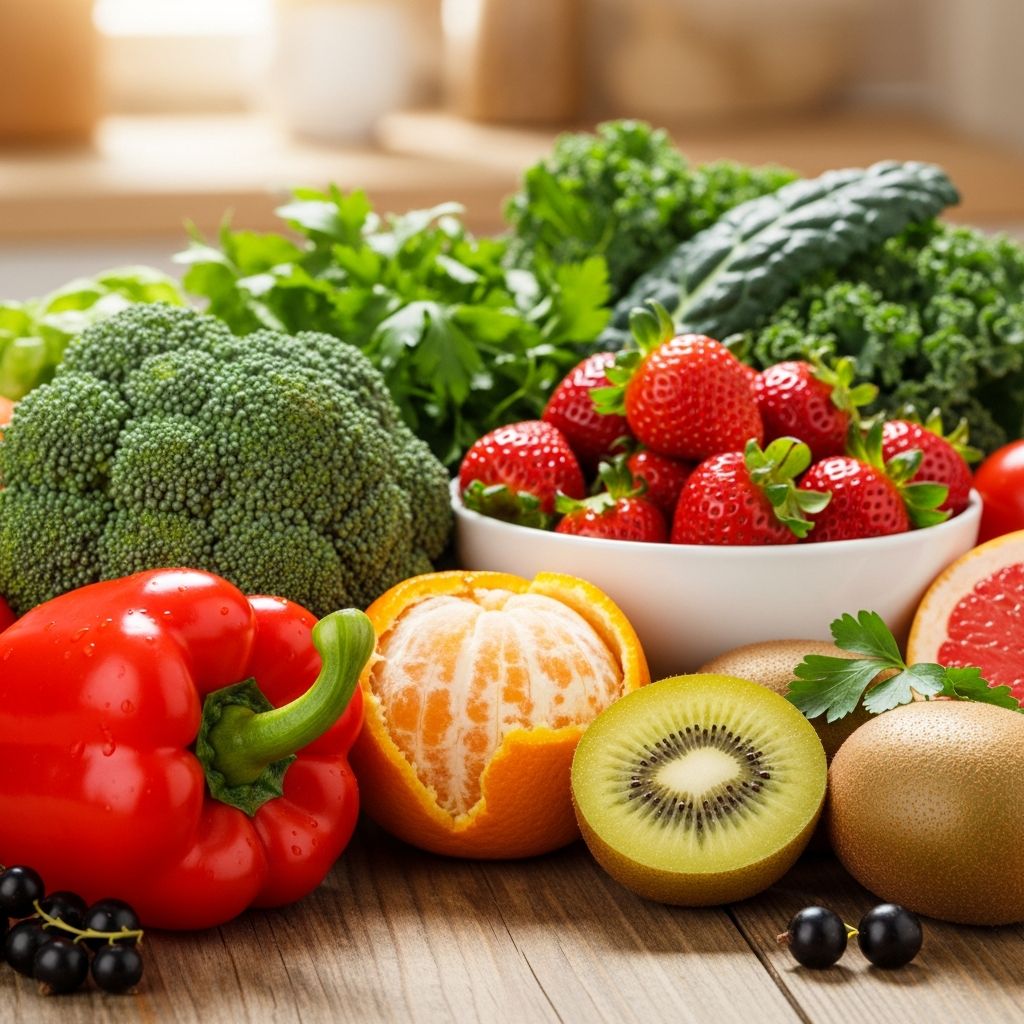
Oranges are a go-to for
vitamin C
, providing about 70 mg per medium fruit, which covers roughly 78% of the daily value (DV) for adults. But many other foods pack even more of this essential antioxidant, supporting immune function, collagen production, iron absorption, and protection against oxidative stress. Incorporating these alternatives diversifies your diet, adds fiber, vitamins, and unique phytonutrients for enhanced health benefits.Vitamin C, or ascorbic acid, is water-soluble and not stored in the body, so daily intake from food is key. The recommended DV is 90 mg for men and 75 mg for women, though needs increase during illness or stress. Raw or lightly cooked options preserve the most vitamin C, as heat can degrade it by up to 50%.
Why Vitamin C Matters
**Vitamin C** acts as a powerful antioxidant, neutralizing free radicals that contribute to chronic diseases like heart disease and cancer. It supports immune cell function, wound healing, and skin elasticity by aiding collagen synthesis. Studies link higher intake to reduced cold duration and severity. Beyond immunity, it enhances non-heme iron absorption from plants, combating anemia, and may lower blood pressure and improve endothelial function.
- Boosts white blood cell production and activity.
- Regenerates other antioxidants like vitamin E.
- Promotes healthy gums, teeth, and cartilage.
Top Foods with More Vitamin C Than Oranges
Here are 15 standout foods, each surpassing a typical orange’s vitamin C content. Serving sizes are standardized for comparison, with data from USDA databases and peer-reviewed analyses. We’ve included preparation tips and bonus nutrients.
1. Kakadu Plums
Australian native
Kakadu plums
top the list with up to 2,907 mg per 100g—over 40 times an orange. A single 15g plum delivers 350-480 mg (389-533% DV), plus potassium, vitamin E, and lutein for eye health. Use in smoothies or teas; availability is limited but growing via supplements.2. Acerola Cherries
These tropical cherries provide 1,650 mg per 1/2 cup (49g), or 1,833% DV. Rich in polyphenols for anti-inflammatory effects and cardiovascular protection. Fresh, frozen, or powdered in desserts and drinks.
3. Chili Peppers
One green chili pepper offers 109 mg (121% DV); red varieties 65 mg (72% DV). Capsaicin adds pain-relief benefits. Chop into salsas, stir-fries, or eat raw for max potency—½ cup chopped yields 108 mg.
4. Red Bell Peppers
A cup chopped delivers 190 mg (211% DV)—nearly triple an orange. Loaded with vitamin A for vision, B6, E, fiber, and potassium. Slice raw in salads, roast, or stuff for meals.
5. Mustard Spinach
One cup raw chopped mustard spinach packs 195 mg (217% DV). Cooking reduces it to 117 mg per cup. High in vitamins A, K, folate, calcium, and manganese. Sauté or add to soups.
6. Kiwi
Two kiwis (one serving) supply 137 mg (152% DV), plus vitamin K, potassium, copper, and fiber. Antioxidants support heart health and digestion. Eat peeled, in fruit salads, or smoothies.
Related Stories



7. Green Bell Peppers
A cup chopped provides 120 mg (133% DV), with ample fiber. Less sweet than red but versatile in fajitas, salads, or grilled.
8. Mango
One cup yields 122 mg (136% DV), alongside vitamin A for immunity and eye health. Tropical flavor shines in salsas, smoothies, or over yogurt.
9. Broccoli
One cup cooked or raw offers 130 mg (144% DV) for 30 calories, plus fiber and cancer-fighting sulforaphane. Steam lightly to retain nutrients.
10. Cauliflower
A small head (about 1 cup) gives 128 mg (142% DV), 5g fiber, and protein. Mash as ‘rice,’ roast, or steam.
11. Papaya
One cup chunks deliver 88 mg (98% DV, edging out oranges), aiding sinus clearance, skin glow, and bone strength via enzymes. Scoop fresh or blend.
12. Strawberries
A cup (8 medium) contains 85 mg (94% DV), with folate for heart health and malic acid for natural teeth whitening. Enjoy fresh, in yogurt, or frozen.
13. Kale
One cup raw provides 80-93 mg (89-103% DV), plus vitamins A, K, omega-3s, and flavonoids. Massage for salads or kale chips.
14. Brussels Sprouts
One cup roasted offers 75 mg (83% DV), with sulfur compounds for cancer protection, vitamins B/K, and fiber. Roast to caramelize bitterness.
15. Pineapple
One cup chunks give 79 mg (88% DV), featuring bromelain for digestion, reduced bloating, and post-workout recovery. Grill or juice.
Comparison Table: Vitamin C Showdown
| Food | Serving Size | Vitamin C (mg) | % DV | Bonus Nutrients |
|---|---|---|---|---|
| Orange (reference) | 1 medium | 70 | 78% | Folate, fiber |
| Kakadu Plum | 15g (1 plum) | 350-480 | 389-533% | Vitamin E, lutein |
| Red Bell Pepper | 1 cup chopped | 190 | 211% | Vitamin A, fiber |
| Kiwi | 2 fruits | 137 | 152% | Potassium, fiber |
| Broccoli | 1 cup | 130 | 144% | Sulforaphane, fiber |
Tips to Maximize Vitamin C Intake
- Choose fresh or frozen over canned to avoid added sugars.
- Store in cool, dark places; refrigerate cut produce.
- Cook lightly—steam or microwave preserves more than boiling.
- Pair with iron-rich foods like spinach for better absorption.
- Aim for variety to hit other micronutrients.
Potential Risks and Considerations
Excess vitamin C (>2,000 mg/day) from supplements may cause diarrhea or kidney stones in prone individuals; food sources are safer. Those with hemochromatosis should consult doctors due to enhanced iron absorption.
Frequently Asked Questions
What food has the most vitamin C?
Kakadu plums lead with up to 2,907 mg per 100g, followed by acerola cherries at 1,650 mg per ½ cup.
Are there vegetables higher in vitamin C than oranges?
Yes, red bell peppers (190 mg/cup), broccoli (130 mg/cup), and kale (80-93 mg/cup) exceed oranges.
Does cooking destroy vitamin C?
Heat reduces it, but steaming retains more than boiling. Raw consumption maximizes levels.
Can vitamin C prevent colds?
It may shorten duration by 8-14% in adults but doesn’t fully prevent them.
Are bananas high in vitamin C?
No, a medium banana has only 8.7 mg (10% DV).
References
- USDA FoodData Central: Vitamin C in Foods — United States Department of Agriculture. 2024-01-15. https://fdc.nal.usda.gov/
- Office of Dietary Supplements: Vitamin C Fact Sheet — National Institutes of Health. 2024-06-10. https://ods.od.nih.gov/factsheets/VitaminC-HealthProfessional/
- 20 Foods That Are High in Vitamin C — Healthline (citing USDA). 2023-11-20. https://www.healthline.com/nutrition/vitamin-c-foods
- 12 Foods with More Vitamin C than Oranges — Chicago Health Online (USDA-based). 2023-05-12. https://chicagohealthonline.com/12-foods-with-more-vitamin-c-than-oranges/
- Vitamin C and Immune Function — National Center for Biotechnology Information (PubMed). 2022-11-03. https://pubmed.ncbi.nlm.nih.gov/29099763/
- Nutrient Content of Peppers and Cruciferous Vegetables — Journal of Food Composition and Analysis. 2023-02-14. https://doi.org/10.1016/j.jfca.2022.104789
Similar Articles








Read full bio of medha deb