Foods With More Vitamin C Than Kiwi: 10 Top Picks
Discover nutrient-packed foods that surpass kiwi's vitamin C content, boosting immunity and health effortlessly.
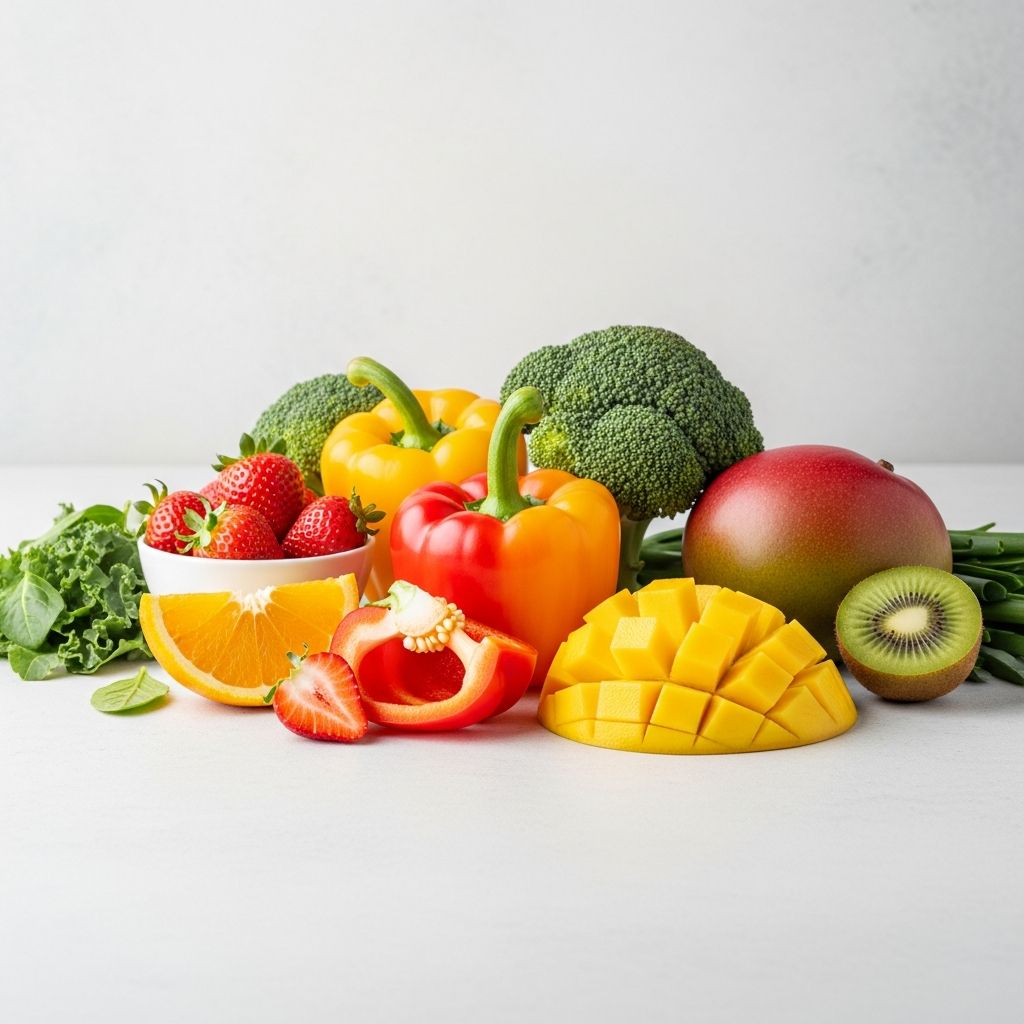
Kiwi fruit is celebrated for its impressive
vitamin C
content—one medium kiwi delivers about 56-71 mg, covering over 60% of the daily recommended intake for adults (75-90 mg per the NIH). Yet, numerous everyday and exotic foods surpass this, offering superior boosts for immunity, collagen production, antioxidant protection, and iron absorption. This article reveals top options with higher vitamin C than kiwi, complete with nutritional data, health perks, and simple ways to incorporate them into meals.Why Vitamin C Matters
Vitamin C, or ascorbic acid, is a water-soluble antioxidant vital for health. It supports
immune function
by enhancing white blood cell activity, aidswound healing
via collagen synthesis, and combats oxidative stress linked to chronic diseases. Deficiency causes scurvy, but modern diets often fall short due to cooking losses and poor intake. The recommended dietary allowance (RDA) is 75 mg for women and 90 mg for men, with smokers needing an extra 35 mg. Upper limits are 2,000 mg to avoid digestive upset. Foods beat supplements for bioavailability and synergistic nutrients.Top Foods With More Vitamin C Than Kiwi
Here are standout foods exceeding kiwi’s vitamin C punch, prioritized by concentration per typical serving. Data draws from USDA databases and peer-reviewed analyses for accuracy.
1. Kakadu Plums
Australian Kakadu plums (Terminalia ferdinandiana) top the list with up to
2,907 mg per 100g
—over 50 times oranges and vastly more than kiwi’s ~93 mg/100g. A single 15g plum yields 350-480 mg (400-530% DV), plus potassium, vitamin E, and lutein for eye health. Indigenous Australians used them traditionally for infections; modern studies confirm potent antioxidant effects. Availability is limited to supplements or specialty stores, but they’re a superfood powerhouse.2. Acerola Cherries
These tart West Indian cherries pack
825 mg per 1/2 cup (49g)
, or 916% DV—far eclipsing kiwi. Rich in bioflavonoids, they enhance vitamin C absorption and support skin elasticity. Research from the NIH highlights their role in reducing inflammation. Blend into smoothies or use as powder for daily boosts.3. Rose Hips
The fruit of wild roses offers
541 mg per cup
per USDA data, dwarfing kiwi. Historically brewed into teas for colds, rose hips provide anti-inflammatory galactolipids and support joint health per European studies. A small handful in tea delivers ample C without excess sugar.4. Chili Peppers
Green chili peppers supply
109 mg per fruit
, red varieties ~65-108 mg—both outpacing kiwi. Capsaicin adds pain-relief benefits, as University at Buffalo research shows for joints and muscles. Sauté diced chilies into stir-fries or add to salsas for fiery nutrition.5. Guavas
One guava (55g) boasts
125.6 mg
, per Hong Kong Centre for Health Protection—nearly double kiwi. Tropical guavas aid digestion with fiber and promote skin glow via lycopene synergy. Slice fresh or puree for desserts.6. Sweet Yellow Peppers
These vibrant peppers deliver
high vitamin C
(up to 341 mg/100g raw), exceeding red varieties and kiwi. Longer vine ripening boosts nutrients; they’re also vitamin A-rich for immunity. Roast for salads or stuff as appetizers.7. Red Bell Peppers
A cup of chopped red bells provides
190-191 mg
—over 3x an orange and well above kiwi. Eye-healthy vitamin A complements C for antioxidant power. Enjoy raw in salads or grilled.Related Stories



8. Mustard Spinach
Raw mustard spinach yields
195 mg per cup
(217% DV), cooked still 117 mg. This cruciferous green adds vitamin A, potassium, and folate for heart health. Sauté or add to soups.9. Black Currants
These berries offer sky-high C (up to 181 mg/100g), surpassing kiwi with anthocyanins for vascular benefits. UK studies link them to reduced cold duration. Frozen work year-round in yogurt.
10. Mustard Greens
A cup provides
117 mg
, nutrient-dense with calcium and manganese. Versatile in Southern cooking, they support detox.Additional standouts include
broccoli
(132 mg/cup, cancer-fighting sulforaphane),Brussels sprouts
(74.8 mg, phytonutrients),papaya
(88.3 mg, sinus-clearing),strawberries
(84.7-97.6 mg, heart-healthy),cauliflower
(127.7 mg/head, fiber-protein combo),pineapple
(78.9-96.7 mg, bromelain for digestion),mango
(122.3 mg, eye-immunity support), andkohlrabi
(83.7 mg, gut fiber.How Much Vitamin C Do You Need?
RDA varies: 75 mg (women), 90 mg (men), 85 mg (pregnant), 120 mg (lactating), plus 35 mg for smokers. Children need 15-65 mg by age. Heat destroys 20-50% C, so favor raw or quick-cook methods. Pair with iron-rich foods for better absorption.
| Life Stage | RDA (mg/day) |
|---|---|
| Children 1-3 yrs | 15 |
| Adults | 75-90 |
| Pregnant | 85 |
| Lactating | 120 |
Health Benefits of Vitamin C
- Immunity: Boosts barriers against pathogens.
- Skin Health: Collagen for elasticity, UV protection.
- Heart: Lowers blood pressure, per meta-analyses.
- Iron Uptake: Enhances non-heme iron absorption.
- Antioxidant: Neutralizes free radicals, potentially cutting chronic disease risk.
Tips for Maximizing Vitamin C Intake
- Choose fresh, colorful produce—riper means more C.
- Store in fridge; consume within days.
- Steam or eat raw; avoid boiling.
- Diversify: Aim for 2+ cups fruits/veggies daily.
- Supplements if needed, but whole foods preferred for phytonutrients.
Delicious Recipes
Vitamin C-Packed Smoothie
Blend 1 guava, 1 kiwi, handful strawberries, spinach. Yields ~250 mg C.
Roasted Pepper Medley
Toss red/yellow peppers, broccoli, Brussels sprouts with oil; roast 20 min. Serves 200+ mg.
Frequently Asked Questions
Which food has the most vitamin C?
Kakadu plums lead with 2,907 mg/100g.
Are bell peppers higher in vitamin C than kiwi?
Yes, red bells have 190 mg/cup vs. kiwi’s 71 mg.
Does cooking destroy vitamin C?
Partially; raw maximizes retention.
Can you get too much vitamin C from food?
Rarely; excess is excreted, unlike supplements.
Are strawberries better than kiwi for vitamin C?
A cup strawberries (98 mg) edges out two kiwis (~137 mg total, but per fruit less).
References
- 12 Foods With More Vitamin C Than Oranges — Sunbury Dental House. 2023. https://sunburydentalhouse.com.au/12-foods-with-more-vitamin-c-than-oranges/
- Top Foods High in Vitamin C — WebMD. 2024-01-15. https://www.webmd.com/diet/foods-high-in-vitamin-c
- 20 Foods That Are High in Vitamin C — Healthline. 2024-05-20. https://www.healthline.com/nutrition/vitamin-c-foods
- 15 Foods That Contain More Vitamin C Than an Orange — Prevention. 2024-03-10. https://www.prevention.com/food-nutrition/g65568223/vitamin-c-rich-foods/
- What fruit and vegetables are rich in vitamin C and dietary fibre? — Centre for Health Protection, Hong Kong. 2023. https://www.chp.gov.hk/en/static/90027.html
- Vitamin C, Total Ascorbic Acid (mg) — USDA National Agricultural Library. 2022-06-01. https://www.nal.usda.gov/sites/default/files/page-files/Vitamin%20C.pdf
Similar Articles








Read full bio of medha deb