Foods With More Vitamin D Than Salmon: Surprising Sources
Discover surprising foods that pack more vitamin D than salmon to boost your intake and support bone health effectively.
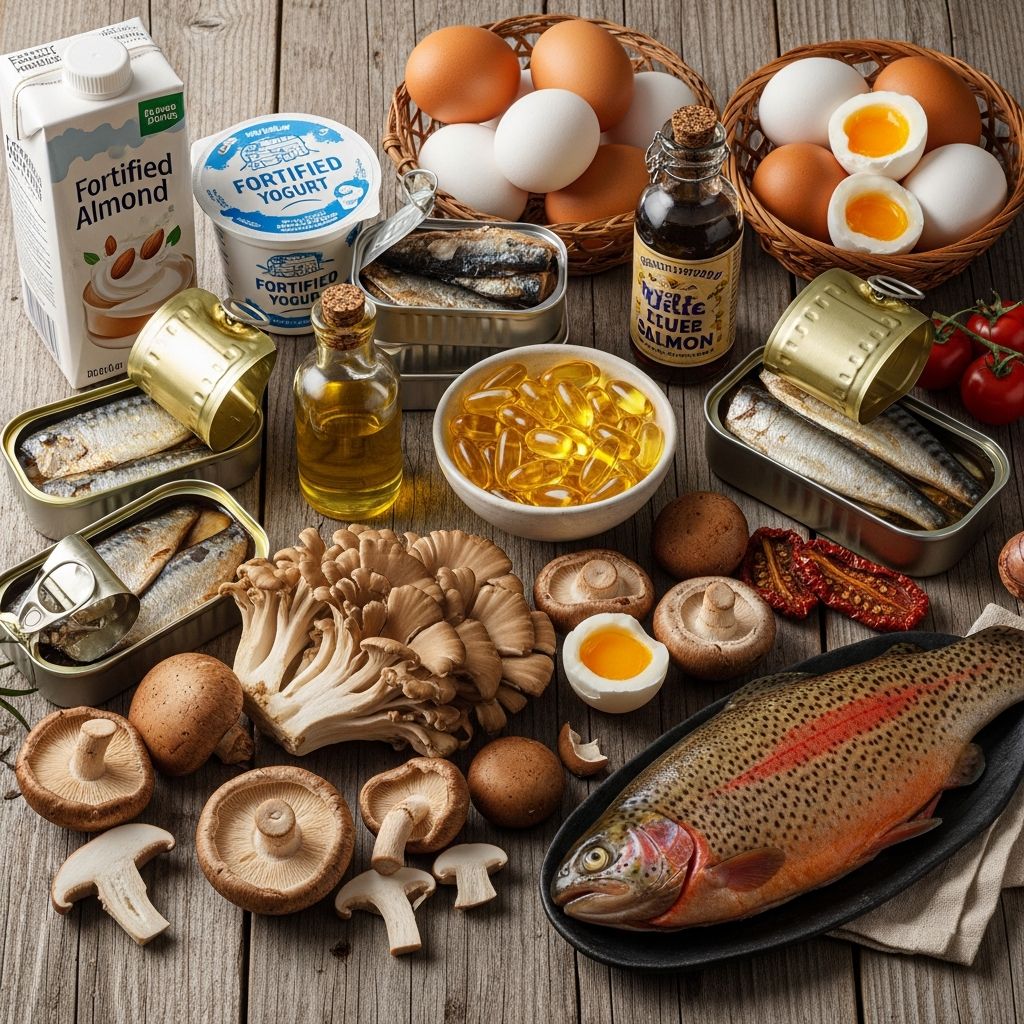
Salmon is often hailed as a top source of vitamin D, offering around 570 IU per 3-ounce serving of sockeye salmon, which covers about 71% of the daily value (DV) for adults. However, several foods surpass this, providing even higher concentrations to help meet the recommended 600-800 IU daily intake for bone health, immunity, and muscle function.
This article highlights unexpected powerhouse foods with superior vitamin D levels, backed by nutritional data. Incorporating these can diversify your diet, especially for those avoiding fish or seeking plant-based options.
Why Vitamin D Matters
Vitamin D, the ‘sunshine vitamin,’ regulates calcium absorption for strong bones and teeth, supports immune function, and reduces inflammation. Deficiency affects over 40% of Americans, linking to osteoporosis, fatigue, and weakened immunity.
While sunlight synthesizes vitamin D, dietary sources are crucial in low-sun areas or for darker skin tones. Few foods naturally contain it, mainly animal products, but fortification and UV-exposed plants expand options. The NIH recommends 600 IU daily for ages 1-70, rising to 800 IU for those over 70.
Mushrooms: The Ultimate Plant-Based Powerhouse
UV-exposed mushrooms like maitake, portobello, and chanterelle can exceed salmon’s vitamin D. Wild or commercially UV-treated mushrooms produce vitamin D2 when exposed to sunlight or UVB light, rivaling or surpassing animal-derived D3.
- Chanterelle mushrooms: 111 IU per 100g, but UV exposure boosts to over 1,000 IU.
- Maitake: Up to 1,123 IU per 100g when UV-treated, nearly double salmon.
- Portobello: A 100g serving UV-exposed provides 1,110 IU, exceeding salmon’s 570 IU per 85g.
Place mushrooms gills-up in sunlight for 15-30 minutes to activate vitamin D. They suit vegans and offer fiber, antioxidants, and low calories.
Fortified Foods: Everyday Boosters
Fortified staples like milk, orange juice, and cereals often deliver more vitamin D per serving than salmon, making them accessible.
| Food | Vitamin D per Serving | % DV |
|---|---|---|
| Fortified cow’s milk (1 cup) | 115-120 IU | 15% |
| Fortified almond/soy milk (1 cup) | 100-150 IU | 13-19% |
| Fortified orange juice (1 cup) | 100 IU | 13% |
| Fortified cereal (1 serving) | 40-200 IU | 5-25% |
Check labels, as fortification varies. These provide consistent intake without fishy taste.
Fatty Fish Alternatives That Outshine Salmon
While salmon shines, other fatty fish pack more punch per serving.
- Mackerel: 643 IU per 100g, over salmon’s 570 IU per 85g equivalent.
- Herring: Fresh Atlantic herring offers 167 IU per 100g; pickled 113 IU, but watch sodium.
- Sardines (canned): 193 IU per 100g, convenient and omega-3 rich.
- Trout (rainbow): 645 IU per 85g serving.
- Tuna (canned): Solid white tuna provides 200 IU per 100g.
These deliver D3, the most bioavailable form, plus heart-healthy fats.
Egg Yolks and Organ Meats
Egg yolks contain 37 IU each, modest alone but additive. Liver, like beef, offers 1.2 IU per 100g, but cod liver oil explodes with 450 IU per teaspoon (56% DV).
Related Stories



Opt for pasture-raised eggs for higher levels. Cod liver oil suits supplements but consult doctors for dosing.
Other Surprising Sources
- Tofu (fortified): Up to 140 IU per serving, ideal for plant-based diets with iron and calcium.
- Cheese (some varieties): Swiss cheese has 6 IU per ounce.
- Beef liver: 50 IU per 100g.
Vegetables like spinach or mushrooms claim trace amounts, but evidence is limited; focus on proven high sources.
How Much Vitamin D Do You Need?
Adults need 600 IU (15 mcg) daily; upper limit 4,000 IU. Factors like age, skin color, obesity, and location affect needs. Test levels via bloodwork if at risk.
Signs of Vitamin D Deficiency
- Fatigue and muscle weakness
- Bone pain or frequent fractures
- Hair loss
- Impaired wound healing
- Frequent infections
Boosting Intake Beyond Diet
Combine food with 10-30 minutes midday sun exposure (arms/legs/face). Supplements (D3 preferred) if deficient, per doctor advice.
Recipes to Maximize Vitamin D
UV-Exposed Mushroom Stir-Fry
Sauté UV-treated portobellos, spinach, fortified tofu, and garlic. Serves 2; ~500 IU per serving.
Sardine Avocado Toast
Top whole-grain toast with canned sardines, avocado, egg yolk. ~400 IU.
Frequently Asked Questions (FAQs)
Do fruits and vegetables contain vitamin D?
Plant foods naturally lack vitamin D, except UV-exposed mushrooms. Fortified juices or plant milks provide it.
Is vitamin D in salmon the best form?
D3 in salmon is highly absorbable, but D2 from mushrooms works similarly.
Can I get enough vitamin D from food alone?
Possible with varied sources, but sun/supplements often needed.
Are fortified foods as good as natural sources?
Yes, both raise blood levels effectively.
Who needs more vitamin D?
Older adults, dark-skinned individuals, obese people, limited sun exposure.
References
- Vitamin D – Health Professional Fact Sheet — Office of Dietary Supplements, NIH. 2022-10-13. https://ods.od.nih.gov/factsheets/VitaminD-HealthProfessional/
- 9 Healthy Foods That Are High in Vitamin D — Healthline. 2026-01-04. https://www.healthline.com/nutrition/9-foods-high-in-vitamin-d
- 13 Best Foods High in Vitamin D — GoodRx. N/A. https://www.goodrx.com/conditions/vitamin-d-deficiency/best-food-sources-for-vitamin-d
- Top 5 Foods With Vitamin D — ISDIN. N/A. https://www.isdin.com/us/blog/lifestyle/top-5-foods-that-contain-vitamin-d/
- Vitamin D-rich food chooser — The Royal Osteoporosis Society. N/A. https://theros.org.uk/information-and-support/bone-health/vitamin-d-for-bones/vitamin-d-rich-food-chooser/
Similar Articles








Read full bio of medha deb