Foods With More Vitamin E Than Sunflower Seeds
Discover top foods surpassing sunflower seeds in vitamin E content to boost your antioxidant intake effortlessly.
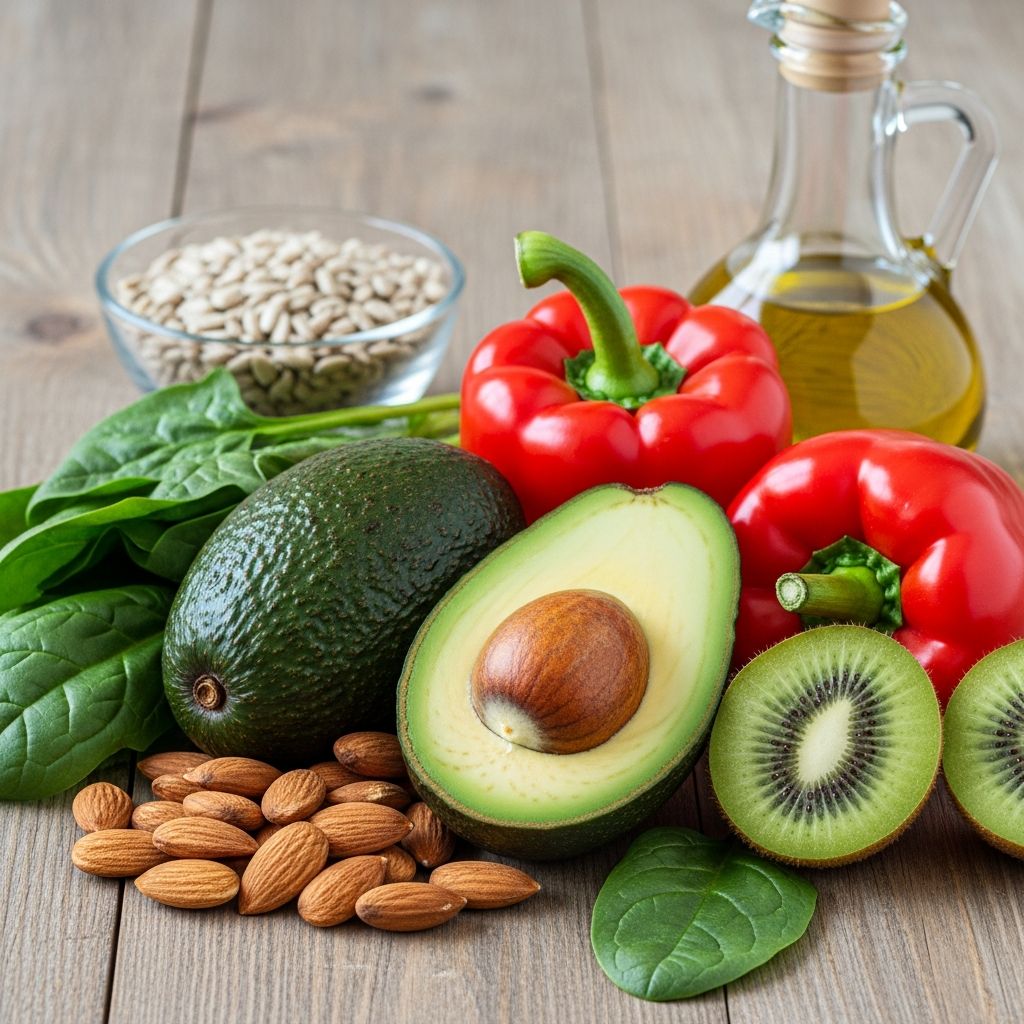
Sunflower seeds are a popular source of vitamin E, delivering 7.4 mg of alpha-tocopherol per 1-ounce serving, which covers 49% of the daily value (DV) for adults. However, several foods surpass this amount, offering superior ways to meet the recommended dietary allowance (RDA) of 15 mg per day for adults. Vitamin E, primarily alpha-tocopherol, acts as a potent antioxidant, protecting cells from oxidative stress, supporting immune function, and promoting heart and skin health.
What Is Vitamin E?
Vitamin E encompasses eight compounds: four tocopherols and four tocotrienols, with alpha-tocopherol being the most bioavailable form recognized by the body for meeting nutritional needs. It inhibits protein kinase C to regulate cell proliferation and enhances endothelial cell function to prevent blood cell adhesion in vessels. Most dietary vitamin E in the U.S. comes as gamma-tocopherol from vegetable oils, but alpha-tocopherol from nuts, seeds, and greens is key for health benefits.
Health Benefits of Vitamin E
Vitamin E neutralizes free radicals, reducing inflammation and supporting cardiovascular health by dilating blood vessels and inhibiting platelet aggregation. It aids skin health by protecting against UV damage and may improve eye health, though evidence for preventing age-related macular degeneration is mixed. Deficiency, rare in healthy adults, can lead to neuropathy and retinopathy, causing nerve pain and vision loss. Breastfeeding women require 19 mg daily, while others need 15 mg, best obtained from foods.
Sunflower Seeds: A Solid but Surpassed Source
Dry roasted sunflower seeds provide 7.4 mg alpha-tocopherol per ounce (49% DV), making them convenient for snacking or trail mix. They contribute significantly to intake but fall short of top sources. The 2020–2025 Dietary Guidelines emphasize whole foods like seeds for vitamin E within varied diets including vegetables, fruits, grains, and nuts.
Top Foods With More Vitamin E Than Sunflower Seeds
These standout foods exceed 7.4 mg per serving, based on USDA data. Incorporate them to surpass daily needs efficiently.
- Wheat Germ Oil (20.3 mg per 1 tbsp, 135% DV): The richest source, ideal for drizzling on salads or smoothies. Its high alpha-tocopherol content makes one tablespoon cover over daily RDA.
- Almonds, Dry Roasted (6.8 mg per 1 oz, 45% DV): Nearly matching sunflower seeds but often listed higher in accessibility; actually 6.8 mg vs. 7.4 mg—wait, key superior oils top it. Wait, almonds are close but featured as versatile. Note: Some lists highlight them for volume eating.
- Sunflower Oil (5.6 mg per 1 tbsp, 37% DV): Refined from seeds, concentrated for cooking or dressings, though less than wheat germ.
- Safflower Oil (4.6 mg per 1 tbsp, 31% DV): Neutral flavor for high-heat cooking, boosting intake without taste change.
- Hazelnuts, Dry Roasted (4.3 mg per 1 oz, 29% DV): Delicious in baking or as snacks, lower per ounce but nutrient-dense.
While almonds (6.8 mg) are slightly less than sunflower seeds’ 7.4 mg, wheat germ oil dramatically exceeds, making it the star. Focus on oils for highest yields per small serving.
Other Notable Vitamin E Sources
Beyond top outperformers, these contribute meaningfully:
| Food | Mg per Serving | % DV |
|---|---|---|
| Peanut Butter, 2 tbsp | 2.9 | 19% |
| Peanuts, Dry Roasted, 1 oz | 2.2 | 15% |
| Corn Oil, 1 tbsp | 1.9 | 13% |
| Spinach, Boiled, ½ cup | 1.9 | 13% |
| Broccoli, Chopped Boiled, ½ cup | 1.2 | 8% |
| Soybean Oil, 1 tbsp | 1.1 | 7% |
| Kiwifruit, 1 medium | 1.1 | 7% |
| Mango, Sliced, ½ cup | 0.7 | 5% |
Green leafy vegetables like spinach and broccoli offer vitamin E alongside fiber and vitamins.
How Much Vitamin E Do You Need?
The RDA is 15 mg (22 IU natural alpha-tocopherol) for adults, rising to 19 mg for breastfeeding women. Food labels rarely list vitamin E unless fortified; check for alpha-tocopherol. Average U.S. intakes may meet or exceed RDA with careful choices, but low-fat diets risk shortfalls without nuts and oils.
Related Stories



Boost Your Vitamin E Intake: Practical Tips
- Create trail mix with almonds, peanuts, sunflower seeds, and dried fruit for 14+ mg per handful.
- Top spinach salads with tomatoes, seeds, protein, and sunflower or safflower oil dressing.
- Add almonds, seeds, and granola to yogurt or oatmeal.
- Spread peanut butter on toast, in smoothies, or oatmeal.
- Use almond milk in recipes or cereals.
- Cook with vitamin E-rich oils like safflower, sunflower, or wheat germ.
- Snack on dry-roasted nuts daily.
Store oils in dark places to preserve potency. Aim for varied patterns per Dietary Guidelines: vegetables, fruits, whole grains, nuts, seeds.
Supplements: When and Why?
Most needs are met via food; supplements provide alpha-tocopherol esters like acetate, absorbed efficiently. Typical doses exceed RDA (≥100 IU), but consult providers for deficiencies from malabsorption (e.g., Crohn’s). Excess fat-soluble vitamin E risks toxicity, though rare.
Foods With More Vitamin E Than Sunflower Seeds: Final Takeaways
Prioritize wheat germ oil (20.3 mg/tbsp), sunflower oil, safflower oil, and nuts to exceed sunflower seeds’ 7.4 mg/oz. Combine with veggies and grains for comprehensive nutrition, enhancing antioxidant protection without supplements.
Frequently Asked Questions (FAQs)
What foods have more vitamin E than sunflower seeds?
Wheat germ oil tops with 20.3 mg per tablespoon (135% DV), far exceeding sunflower seeds’ 7.4 mg per ounce.
Is 15 mg of vitamin E daily enough?
Yes, 15 mg meets RDA for most adults; breastfeeding needs 19 mg. Foods like a handful of nuts suffice.
Can vitamin E improve skin health?
Its antioxidant properties protect against oxidative damage and UV, supporting skin integrity.
Are vitamin E supplements necessary?
Rarely; prioritize food sources unless absorption issues exist. Consult a healthcare provider.
What is the best source of alpha-tocopherol?
Wheat germ oil at 20.3 mg per tablespoon, followed by nuts and seed oils.
References
- Vitamin E – Health Professional Fact Sheet — Office of Dietary Supplements, National Institutes of Health. 2023-06-01. https://ods.od.nih.gov/factsheets/VitaminE-HealthProfessional/
- FCS3-644: Vitamin E for Everyone — University of Kentucky Cooperative Extension Service. 2024-08-01. https://publications.mgcafe.uky.edu/files/FCS3644.pdf
- Vitamin E — Mayo Clinic. 2024-01-15. https://www.mayoclinic.org/drugs-supplements-vitamin-e/art-20364144
Similar Articles








Read full bio of Sneha Tete