Foods With More Vitamin K Than Broccoli: 7 Best Sources
Discover powerhouse foods surpassing broccoli in vitamin K content to boost bone health, clotting, and heart function effortlessly.
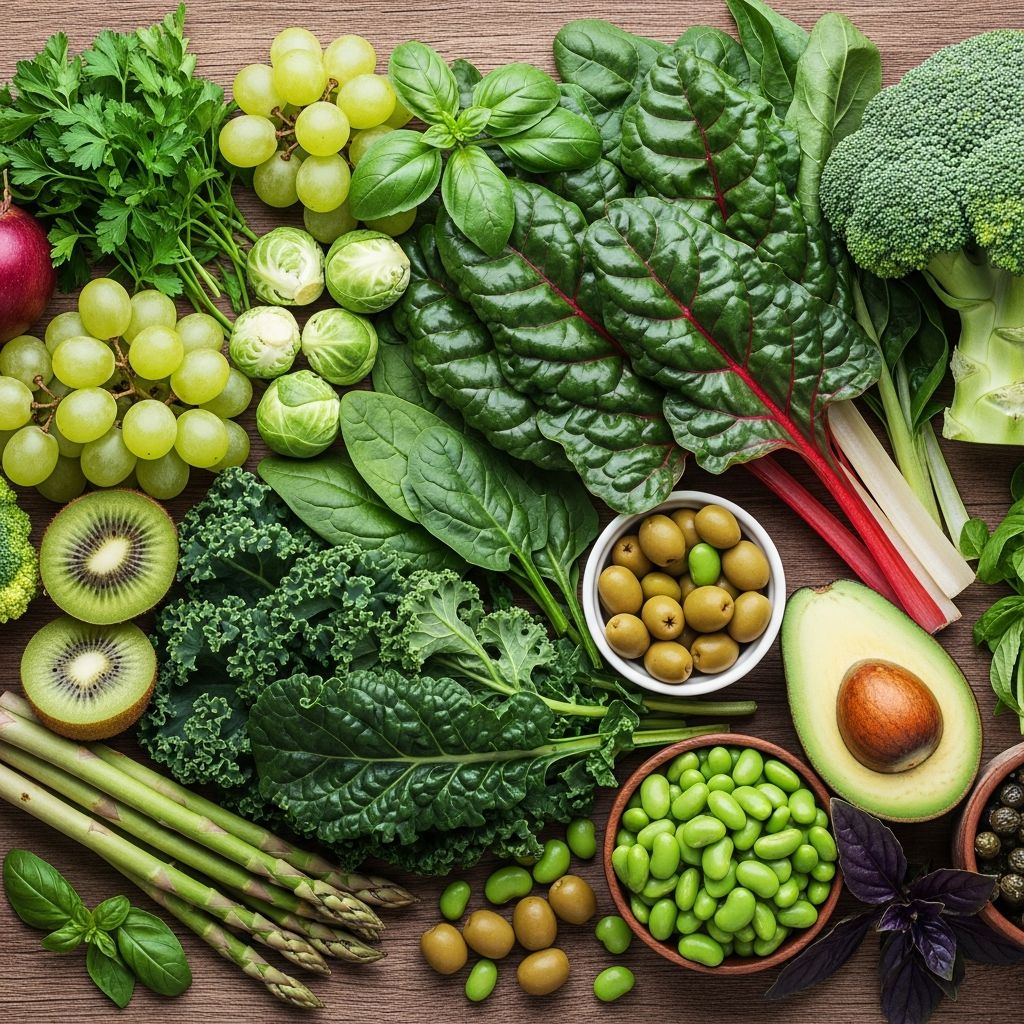
Broccoli is a nutritional standout, offering about 85-110 mcg of vitamin K per ½ cup cooked serving, but several foods surpass it dramatically. These vitamin K powerhouses support critical functions like blood clotting, bone mineralization, and cardiovascular health. This article highlights top options exceeding broccoli’s levels, backed by reliable nutrition data.
What Is Vitamin K and Why Do You Need It?
Vitamin K is a fat-soluble nutrient essential for synthesizing proteins that regulate blood clotting and support bone metabolism. It activates osteocalcin, a protein that binds calcium to bones, reducing fracture risk, and matrix Gla protein, which prevents arterial calcification to protect heart health.
- Blood clotting: Vitamin K enables production of clotting factors, preventing excessive bleeding.
- Bone health: Higher intake links to denser bones and lower osteoporosis risk.
- Heart protection: It inhibits vascular calcification, supporting cardiovascular function.
Daily needs are 90 mcg for women and 120 mcg for men, easily met through diet. There are two main forms: K1 (phylloquinone) from plants and K2 (menaquinone) from fermented foods and animal products. Both contribute, but K2 may excel for bone and heart benefits.
Key note for warfarin users: Consistent vitamin K intake is crucial, as it antagonizes the blood thinner. Sudden changes can alter medication efficacy—consult your doctor.
Top Foods Higher in Vitamin K Than Broccoli
Leafy greens dominate, delivering 400-500+ mcg per ½ cup cooked, far exceeding broccoli’s benchmark. Here’s a curated list with precise amounts and tips.
1. Kale (565 mcg per ½ cup cooked)
Kale reigns supreme, packing over six times broccoli’s vitamin K. This superfood also provides calcium, potassium, and folate for comprehensive nutrition. Sauté with olive oil to enhance absorption, as vitamin K is fat-soluble.
- Prep idea: Massage raw kale with lemon juice for salads or blend into smoothies.
- Bonus: High in antioxidants for anti-inflammatory effects.
2. Collard Greens (530 mcg per ½ cup boiled)
These Southern staples offer robust vitamin K alongside calcium for bone strength. Studies associate low vitamin K with osteoporosis; collards help counter this.
- Recipe: Braise with garlic and vinegar for a tangy side.
- Pro tip: Frozen collards retain nutrients and cook quickly.
3. Spinach (444 mcg per ½ cup cooked)
Cooked spinach triples the vitamin K of raw, hitting 444 mcg per serving—over four times broccoli. It’s loaded with vitamins A, C, iron, and folate.
- Use: Wilt into pasta or eggs for easy integration.
- Fact: ½ cup cooked meets over 300% daily needs.
4. Turnip Greens (425 mcg per ½ cup cooked)
Related Stories



Popular in Southeastern cuisine, turnip greens boost vitamin K and calcium. Related mustard and beet greens also excel.
- Pairing: Simmer with smoked turkey for flavor.
- Versatile: Use in soups or as a bed for grilled fish.
5. Brussels Sprouts (156-200 mcg per cup)
These cruciferous gems outpace broccoli at 156 mcg per cup cooked. Roast for caramelized flavor and maximum nutrient retention.
- Method: Toss with balsamic and nuts.
- Benefit: Fiber aids digestion alongside vitamin K.
6. Natto (Fermented Soybeans, 850+ mcg per 100g)
A Japanese delicacy rich in K2, natto provides over 1,000% daily value per serving—vastly superior to broccoli. Its sticky texture packs probiotics too.
- Intro tip: Mix with rice or soy sauce for beginners.
- Edge: K2 form targets bone and artery health effectively.
7. Mustard Greens and Beet Greens (High, 400+ mcg per ½ cup)
These peppery greens rival top performers, with mustard greens at high levels per USDA data.
- Prep: Sauté with onions for wilting.
Comparison Table: Vitamin K Showdown
| Food | Serving Size | Vitamin K (mcg) | Vs. Broccoli (85-110 mcg) |
|---|---|---|---|
| Kale | ½ cup cooked | 565 | 5x+ |
| Collard Greens | ½ cup boiled | 530 | 5x+ |
| Spinach | ½ cup cooked | 444 | 4x+ |
| Turnip Greens | ½ cup cooked | 425 | 4x+ |
| Brussels Sprouts | 1 cup | 156 | 1.5x+ |
| Natto | 100g | 850+ | 8x+ |
| Broccoli | ½ cup cooked | 85-110 | – |
Other Notable Sources
Beyond greens, incorporate these for variety:
- Asparagus: 72 mcg per ½ cup—nearly matches broccoli; grill with oil.
- Sauerkraut: 56 mcg per ½ cup; fermented for gut health.
- Soybeans/Edamame: 47 mcg per cup; K2 source.
- Avocado: 32 mcg per fruit; aids absorption with fats.
- Pomegranate: 14 mcg per ½ cup; antioxidant boost.
Health Benefits of High Vitamin K Foods
Consuming these exceeds basic needs, offering protective effects. Research links adequate vitamin K to 20-30% lower hip fracture risk and improved bone density. For heart health, K2 reduces calcification by 50% in some studies.
- Osteoporosis prevention: Activates bone proteins.
- Cardiovascular support: Prevents stiff arteries.
- Anti-inflammatory: Pairs with antioxidants in greens.
Tips for Incorporating More Vitamin K
Aim for consistency over excess, as vitamin K flushes quickly. Pair with healthy fats like olive oil or avocado for 20-40% better absorption.
- Cook greens lightly to preserve nutrients.
- Rotate sources to avoid oxalate interference in spinach.
- Salad idea: Kale, Brussels, avocado, pine nuts.
- Smoothie: Spinach, natto, berries.
Special Considerations for Blood Thinners
Warfarin users should maintain steady intake. High-K foods like kale (very high: 800+ mcg/cup frozen) require monitoring. UIHC categorizes: very high (kale, collards), high (broccoli, Brussels), medium (iceberg lettuce). Track via apps and inform your doctor.
Frequently Asked Questions (FAQs)
What foods have more vitamin K than broccoli?
Kale (565 mcg), collards (530 mcg), spinach (444 mcg), turnip greens (425 mcg), and natto (850+ mcg) top the list per ½ cup servings.
Is broccoli high in vitamin K?
Yes, at 85-110 mcg per ½ cup cooked, but leafy greens provide far more.
Can I eat vitamin K foods on warfarin?
Yes, but keep intake consistent. Consult your healthcare provider for personalized advice.
Raw or cooked greens for vitamin K?
Cooked concentrates vitamin K; ½ cup cooked spinach = 444 mcg vs. less raw.
Vegetarian sources of vitamin K2?
Natto and fermented soy; K1 converts somewhat, but natto excels.
Meal Plan: Vitamin K Boost Day
| Meal | Key Foods | Est. Vitamin K (mcg) |
|---|---|---|
| Breakfast | Spinach omelet + avocado | 500 |
| Lunch | Kale salad w/ Brussels + nuts | 700 |
| Dinner | Collards + natto rice bowl | 900 |
| Total | – | 2,100+ |
Exceeds daily needs easily with variety.
References
- The Top 15 Foods High in Vitamin K — Healthline. 2017-06-17. https://www.healthline.com/health/foods-high-in-vitamin-k
- 13 Foods High in Vitamin K to Add to Your Diet — GoodRx. N/A. https://www.goodrx.com/well-being/diet-nutrition/vitamin-k-foods
- Warfarin, your diet, and vitamin K foods — University of Iowa Health Care (.edu). N/A. https://uihc.org/educational-resources/warfarin-your-diet-and-vitamin-k-foods
- Vitamin K in Foods — American Heart Association (.org). N/A. https://www.heart.org/-/media/Files/Health-Topics/Atrial-Fibrillation/warfarin-card.pdf
- 21 Foods High in Vitamin K — Cleveland Clinic. N/A. https://health.clevelandclinic.org/foods-high-in-vitamin-k
Similar Articles








Read full bio of Sneha Tete