Foods With More Vitamin K Than Kale: Top Alternatives
Discover surprising foods packed with more vitamin K than kale to supercharge your bone health and wellness routine.
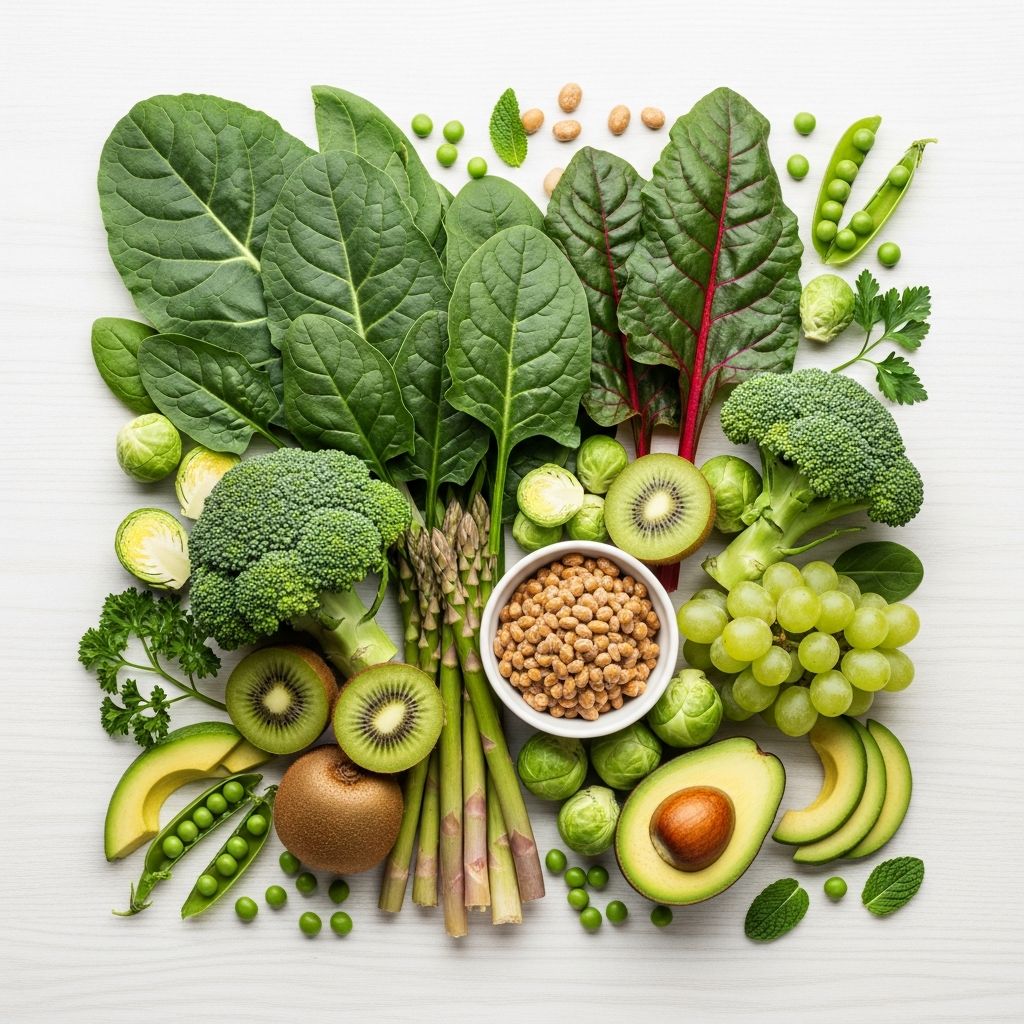
Kale has long been celebrated as a superfood, delivering about 113 micrograms of vitamin K per raw cup serving, which covers over 100% of the daily value for most adults. However, several other foods surpass kale’s vitamin K content, offering even greater nutritional punch for bone health, blood clotting, and cardiovascular support. This article uncovers these superior sources, explains vitamin K’s vital roles, and provides practical ways to incorporate them into your diet.
What Is Vitamin K and Why Do You Need It?
Vitamin K is a fat-soluble nutrient essential for blood coagulation, bone mineralization, and preventing arterial calcification. It exists in two main forms: K1 (phylloquinone), abundant in plant foods like leafy greens, and K2 (menaquinone), found in fermented foods and animal products. The recommended daily intake is 90 mcg for women and 120 mcg for men, though needs may vary for those on blood thinners like warfarin.
Beyond clotting, vitamin K supports osteocalcin production for strong bones and matrix Gla protein to keep arteries flexible, reducing heart disease risk. Deficiencies are rare in balanced diets but can occur with poor absorption or certain medications. Pairing vitamin K-rich foods with healthy fats enhances uptake.
Top Foods With More Vitamin K Than Kale
While raw kale provides 113 mcg per cup, cooked versions and alternatives like collards deliver far more per serving. Here’s a breakdown of standout options, ranked by vitamin K density.
1. Collard Greens
Boiled frozen collard greens top the list with 442 mcg in just half a cup—nearly four times kale’s raw amount and 530 mcg per half cup cooked. These Southern staples are rich in fiber, antioxidants, and vitamins A and C. Sauté with garlic and olive oil or add to soups for a nutrient boost. One cup frozen, boiled collards exceeds 800 mcg, ideal for warfarin monitoring.
2. Turnip Greens
Turnip greens shine with 426 mcg per half cup boiled from frozen, outpacing kale significantly. Cooked versions provide 265 mcg per half cup, loaded with calcium and folate. Enjoy raw in salads, sautéed as a side, or braised. Their peppery flavor complements meats and grains.
3. Spinach
Raw spinach offers 145 mcg per cup (121% DV), but frozen boiled spinach hits 1 cup for over 800 mcg. Half a cup cooked delivers 445 mcg. Versatile in smoothies, salads, or sautés, spinach’s milder taste makes it beginner-friendly for vitamin K loading.
4. Natto
This fermented soybean dish is a K2 powerhouse at 283 mcg per ounce (238% DV), with 998 mcg per 100g. Natto’s sticky texture and strong flavor make it a Japanese delicacy, but it’s unmatched for heart and bone benefits. Mix with rice or blend into dressings if new to it.
5. Swiss Chard
Raw Swiss chard provides 398 mcg per leaf (332% DV) or 830 mcg per 100g. Half a cup raw offers 150 mcg. Its earthy taste pairs well in stir-fries, wraps, or pasta. Rainbow stems add color and extra antioxidants.
Related Stories



6. Beet Greens
Often discarded, cooked beet greens pack 349 mcg per half cup (290% DV). Sauté or steam these vibrant leaves for a kale-beating boost alongside betalains for detox support.
Other High Performers: Mustard Greens, Dandelion Greens, and More
- Mustard Greens: 210 mcg per half cup cooked (over 100% DV).
- Dandelion Greens: 214 mcg per half cup raw.
- Brussels Sprouts: 156 mcg per cup cooked, 109 mcg per half cup.
- Broccoli: 110 mcg per half cup cooked (92% DV).
These cruciferous options extend vitamin K beyond leaves, with Brussels sprouts and broccoli offering 91-92% DV per serving.
Surprising Non-Green Sources of Vitamin K
Vitamin K isn’t exclusive to greens. Animal products and others provide K2 for diverse diets.
| Food | Vitamin K per Serving | % DV |
|---|---|---|
| Beef Liver (1 slice) | 72 mcg | 60% |
| Chicken Breast (3 oz cooked) | 51 mcg / 13 mcg | 43% |
| Organ Meats | Varies, high K2 | High |
| Soybean Oil (1 tbsp) | ~25% DV | 20%+ |
| Carrot Juice | Impressive amount | High |
Kiwi (71 mcg per cup), figs (23 mcg dried per cup), pomegranate (14 mcg per half cup), cashews (9.7 mcg per oz), and avocados (32 mcg each) round out plant-based surprises. Use oils for dressings to amplify greens’ absorption.
Health Benefits of Vitamin K-Rich Foods
Incorporating these foods supports multiple systems. For bones, K2 activates proteins reducing osteoporosis risk. Heart health improves via reduced calcification. Blood clotting prevents excessive bleeding, crucial for surgery or injury.
Antioxidants in greens combat inflammation, while fats in nuts and avocados aid absorption. Studies link high intake to lower fracture rates and better vascular function, especially in older adults.
How to Add More Vitamin K to Your Diet
Start small: Swap kale for collards in salads or smoothies. Aim for consistency over excess, especially on warfarin—track intake.
- Blend spinach or turnip greens into green smoothies with banana and almond milk.
- Roast Brussels sprouts with soybean oil.
- Top salads with avocado, cashews, and chicken.
- Try natto on toast for adventurous eaters.
Cooking concentrates vitamin K in leaves, but raw options work too. Store greens fresh or frozen to preserve nutrients.
Recipe Ideas Featuring Top Vitamin K Foods
Collard Green Stir-Fry
Sauté 2 cups chopped collards with garlic, olive oil, and chicken breast. Serves 2; ~600 mcg vitamin K.
Turnip Green Soup
Boil turnip greens with onions, broth, and potatoes. Blend smooth; high in K1 and fiber.
Natto Avocado Toast
Spread natto on whole-grain toast, top with avocado slices for K1 and K2 synergy.
Precautions and Considerations
High vitamin K can interact with anticoagulants like warfarin, stabilizing INR but requiring consistent intake. Consult doctors for dosing. Those with kidney issues may need moderation due to oxalates in greens. No upper limit exists for healthy adults, but balance with variety.
Frequently Asked Questions (FAQs)
What food has the most vitamin K?
Collard greens and natto lead, with over 400-500 mcg per half cup cooked.
Is kale high in vitamin K?
Yes, 113 mcg raw per cup, but many greens exceed it when cooked.
Can too much vitamin K harm you?
Unlikely for most; main concern is warfarin users needing steady levels.
Are there vitamin K supplements?
Available, but food sources are preferable for synergy with other nutrients.
How does cooking affect vitamin K?
Boiling concentrates it in greens, increasing per-serving amounts.
References
- Healthy Foods High in Vitamin K — WebMD. 2023. https://www.webmd.com/diet/foods-high-in-vitamin-k
- 13 Foods High in Vitamin K to Add to Your Diet — GoodRx. 2024. https://www.goodrx.com/well-being/diet-nutrition/vitamin-k-foods
- Top 25 Vitamin K Foods, Plus the Many Health Benefits — Elevate Dental Dayton. 2023. https://www.elevatedentaldayton.com/top-25-vitamin-k-foods-plus-the-many-health-benefits/
- Warfarin, your diet, and vitamin K foods — University of Iowa Health Care (.edu). 2024. https://uihc.org/educational-resources/warfarin-your-diet-and-vitamin-k-foods
- Vitamin K Foods: 20 Tasty, Nutritious Options — Healthline. 2024. https://www.healthline.com/nutrition/foods-high-in-vitamin-k
- 21 Foods High in Vitamin K — Cleveland Clinic. 2024. https://health.clevelandclinic.org/foods-high-in-vitamin-k
Similar Articles








Read full bio of medha deb