Foods With The Most Vitamin B12: 8 Best Sources
Discover the top animal and fortified plant-based sources of vitamin B12 to support energy, nerve health, and red blood cell production.
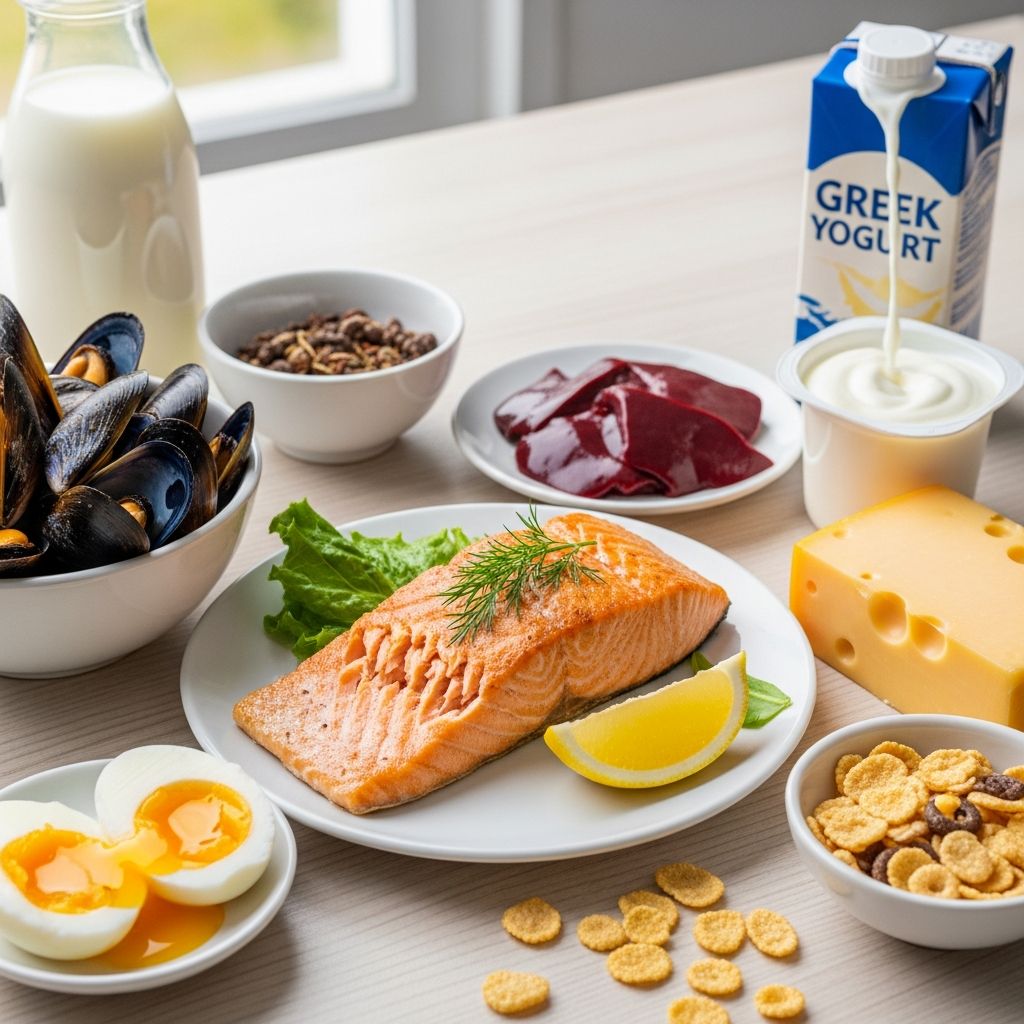
Vitamin B12, also known as cobalamin, is a water-soluble vitamin crucial for red blood cell formation, neurological function, and DNA synthesis. It is naturally found almost exclusively in animal products, making vegans and vegetarians particularly vulnerable to deficiency. The recommended daily allowance (RDA) is 2.4 mcg for adults, but needs increase during pregnancy (2.6 mcg) and lactation (2.8 mcg). Deficiency can lead to fatigue, anemia, nerve damage, and cognitive issues, affecting up to 20% of older adults due to reduced absorption.
Boosting intake through diet is the best approach. Below, we rank the top foods by B12 content per serving, drawing from authoritative data. These sources not only provide high levels of B12 but also offer complementary nutrients like protein, omega-3s, iron, and selenium.
1. Organ Meats (Liver and Kidneys)
Organ meats top the list as the richest natural sources of vitamin B12. Beef liver, cooked and pan-fried (3 ounces or 85g), delivers 70.7 mcg, or 2,944% of the Daily Value (DV). Lamb liver provides about 3,000% DV per 3.5 ounces (100g), alongside high copper, selenium, vitamins A, and B2. Kidneys from lamb, veal, or beef similarly offer around 3,000% DV per 100g serving, exceeding 100% DV for B2 and selenium.
These nutrient powerhouses support energy metabolism and immune function. However, consume in moderation due to potential high cholesterol and vitamin A content—limit to 3 ounces weekly, especially during pregnancy. Grill or pan-fry to preserve B12 without added fats.
2. Clams
Clams are a lean shellfish superstar, offering over 7,000% DV in 20 small clams (190g) or 17 mcg (708% DV) in 3 ounces cooked without shells. A 100g serving provides nearly 200% DV of iron, making it ideal for anemia prevention.
Low in calories yet high in protein, clams support muscle repair and heart health. Steam or boil to retain nutrients; canned varieties work too but check sodium levels. Those with shellfish allergies should avoid.
3. Oysters and Other Shellfish
Eastern wild oysters, cooked (3 ounces), contain 14.9 mcg or 621% DV of B12. Mussels (steamed, 3 ounces) provide 20.4 mcg, and Alaska king crab offers 9.8 mcg. Sardines, often grouped with shellfish for their soft bones, deliver 554% DV per 1-cup (150g) drained canned serving, plus omega-3s for inflammation reduction and heart benefits.
Shellfish are sustainable seafood choices rich in zinc and selenium. Opt for fresh or low-sodium canned to maximize benefits.
4. Beef
Beef is a staple B12 source: a grilled flat iron steak (190g) yields 467% DV, with B2, B3, B6, selenium, and zinc. Ground beef (85% lean, 3 ounces pan-browned) has 2.4 mcg (100% DV). Low-fat cuts grilled or roasted preserve B12 better than frying.
Pair with vegetables for balanced meals. Grass-fed beef may offer additional omega-3s.
5. Fish: Tuna, Trout, and Salmon
Fatty fish excel in B12 and heart-healthy fats. Cooked tuna (100g) provides 453% DV, especially in dark muscle; canned light tuna (3 ounces) offers 2.5 mcg (104% DV). Rainbow trout fillet (100g) has 312% DV plus 1,171 mg omega-3s. Salmon (half fillet, 178g cooked) delivers 208% DV (about 5 mcg for 3 ounces Atlantic) and 4,123 mg omega-3s.
These meet the 1,100–1,600 mg daily omega-3 recommendation for adults. Bake or grill twice weekly for optimal benefits.
6. Dairy Products
Milk (1 cup 2% fat) contains 1.3 mcg (54% DV); plain low-fat yogurt (6 ounces) offers 1.9 mcg (79% DV). Cheese and other dairy provide reliable B12 with calcium and protein. Animal-derived dairy is naturally rich, unlike plant alternatives unless fortified.
Related Stories



Incorporate yogurt parfaits or milk in cereals for easy intake.
7. Eggs
Eggs supply 0.6 mcg per large egg (25% DV), concentrated in the yolk. A three-egg omelet covers over 75% DV. They’re versatile, providing choline for brain health.
Boil or poach to retain nutrients.
8. Fortified Foods for Vegans and Vegetarians
Plant foods lack natural B12, but fortification bridges the gap. Fortified nutritional yeast (¼ cup) ranges 8.3–24 mcg (346–1,000% DV). Breakfast cereals vary—check labels for 25–100% DV per serving. Non-dairy milks, plant yogurts, and some breads are fortified too.
Vegans must rely on these or supplements, as unfortified plants like bananas or tempeh offer 0–0.1 mcg.
| Food | Serving Size | B12 (mcg) | % DV |
|---|---|---|---|
| Beef liver, cooked | 3 oz | 70.7 | 2,944 |
| Clams, cooked | 3 oz | 17 | 708 |
| Oysters, cooked | 3 oz | 14.9 | 621 |
| Nutritional yeast, fortified | ¼ cup | 8.3–24 | 346–1,000 |
| Salmon, cooked | 3 oz | 2.6 | 108 |
| Tuna, canned | 3 oz | 2.5 | 104 |
| Beef, ground | 3 oz | 2.4 | 100 |
| Yogurt, plain low-fat | 6 oz | 1.9 | 79 |
| Milk, 2% | 1 cup | 1.3 | 54 |
| Egg, large | 1 | 0.6 | 25 |
Why You Need Vitamin B12
B12 aids in converting food to energy, maintaining myelin for nerve protection, and preventing megaloblastic anemia. It works with folate for DNA production. Deficiency risks rise with age (15–20% in over-65s), pernicious anemia, GI surgeries, metformin use, or vegan diets without supplementation. Symptoms include weakness, tingling, memory loss, and mood changes. Early blood tests (serum B12 <200 pg/mL) detect issues.
Vegans and Vegetarians: How to Get Enough
Since plants don’t contain B12, fortified foods or supplements (cyanocobalamin, 250 mcg daily or 2,000 mcg weekly) are essential. Nutritional yeast brands like Red Star (333% DV per 1.5 tbsp) or NOW suit plant-based diets. Monitor levels annually.
Supplements: When to Consider
Food-first is ideal, but supplements ensure adequacy for at-risk groups. RDA is easily met via diet for omnivores.
Frequently Asked Questions (FAQs)
What food is highest in B12?
Organ meats like beef liver (2,944% DV per 3 oz) and clams (708% DV per 3 oz).
Which fruits have the most vitamin B12?
No fruits contain B12; it’s absent in plant foods naturally.
Can you get B12 from plants?
No, only from animal products or fortified plants/supplements.
How much B12 per day?
2.4 mcg for adults; higher for pregnant/lactating women.
Signs of B12 deficiency?
Fatigue, anemia, numbness, balance issues—consult a doctor.
References
- Vitamin B12 Foods: 12 Great Sources — Healthline. 2024-02-29. https://www.healthline.com/nutrition/vitamin-b12-foods
- What Does B12 Do? What Are Good Food Sources of B12? — Kaiser Permanente. 2024-06-29. https://mydoctor.kaiserpermanente.org/mas/news/what-does-b12-do-what-are-good-food-sources-of-b12-2406994
- Vitamin B12 – Health Professional Fact Sheet — NIH Office of Dietary Supplements. 2024. https://ods.od.nih.gov/factsheets/VitaminB12-HealthProfessional/
- The Healthiest Food Sources of Vitamin B12 — YouTube (NutritionFacts.org). 2023. https://www.youtube.com/watch?v=oj8qAwgADdM
- B vitamins and folic acid – Vitamins and minerals — NHS. 2024. https://www.nhs.uk/conditions/vitamins-and-minerals/vitamin-b/
- Foods You Should Eat if You Have a B12 Deficiency — WebMD. 2024. https://www.webmd.com/b12-rich-foods
Similar Articles








Read full bio of Sneha Tete