Foods With Vitamin D: 9 Top Sources To Boost Bone Health
Discover the best natural and fortified foods high in vitamin D to support bone health, immunity, and overall wellness.
Vitamin D is a crucial nutrient that supports bone health, immune function, muscle strength, and overall well-being. While sunlight is the primary source, dietary intake from natural and fortified foods plays a vital role, especially in regions with limited sun exposure or for those at risk of deficiency.
What Is Vitamin D?
Vitamin D, often called the “sunshine vitamin,” exists in two main forms: D2 (ergocalciferol) from plant sources and D3 (cholecalciferol) from animal sources and sunlight exposure. It helps the body absorb calcium and phosphorus, essential for strong bones and teeth. Deficiency can lead to rickets in children, osteomalacia in adults, and increased risk of fractures, infections, and chronic diseases.
Why Do You Need Vitamin D?
Adequate vitamin D levels are linked to reduced risk of osteoporosis, autoimmune diseases, certain cancers, and cardiovascular issues. It also supports mental health by potentially lowering depression risk and aids in muscle function to prevent falls, particularly in older adults. The Recommended Dietary Allowance (RDA) is 600 IU (15 mcg) daily for most adults, rising to 800 IU for those over 70.
How Much Vitamin D Do You Need?
According to the National Institutes of Health, adults aged 19-70 need 600 IU per day, while those over 70 require 800 IU. Upper limits are 4,000 IU to avoid toxicity risks like hypercalcemia. Factors like age, skin tone, obesity, and latitude affect needs—darker skin synthesizes less from sun, and higher body fat sequesters vitamin D.
9 Foods High in Vitamin D
Incorporating vitamin D-rich foods into your diet is an effective way to meet requirements. Below are top sources with approximate IU per serving, based on USDA data and health authorities.
1. Salmon
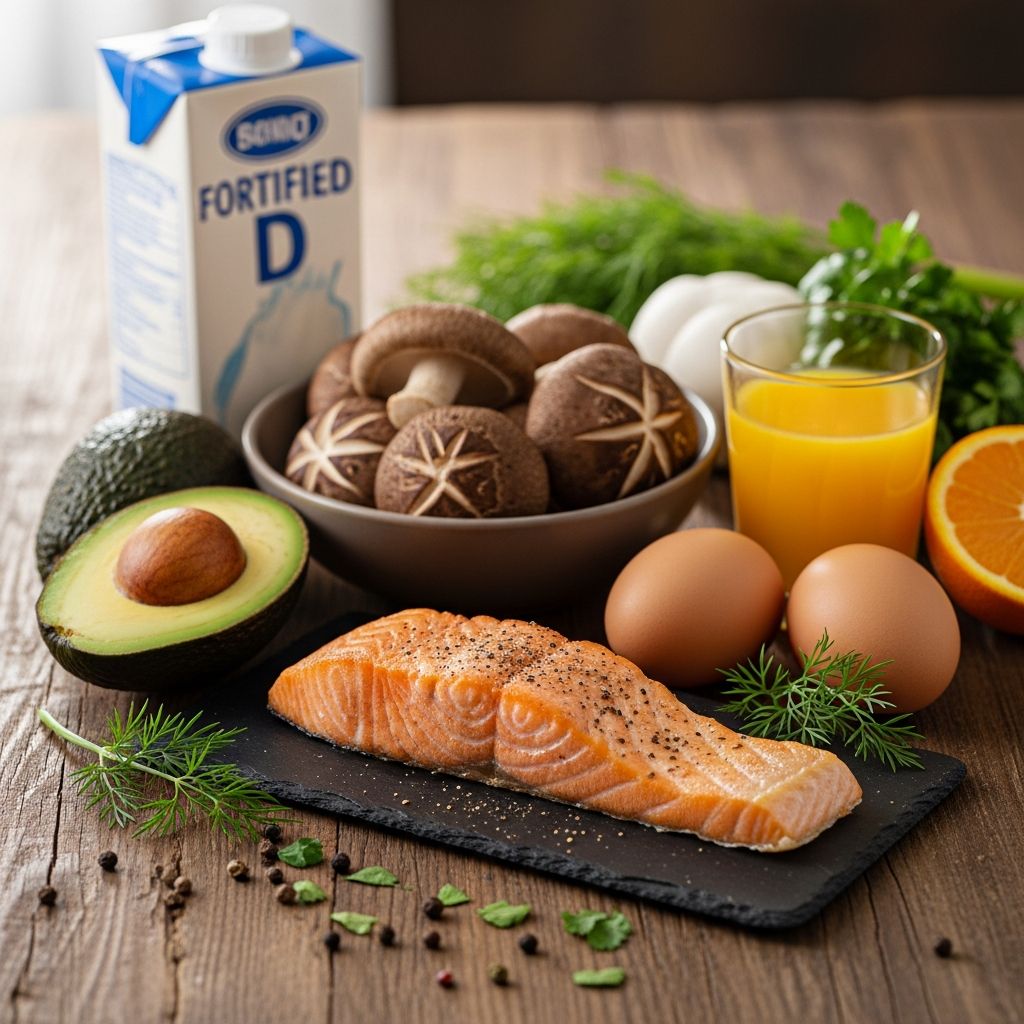
Wild-caught salmon tops the list as one of the richest natural sources. A 3-ounce (85g) serving of sockeye salmon provides 383-570 IU, or 48-71% of the DV, alongside omega-3s for heart health. Farmed varieties offer less (around 250 IU) but are still beneficial. Grill, bake, or poach salmon for meals like salads or tacos.
2. Herring
Fresh Atlantic herring delivers 167 IU per 3.5-ounce (100g) serving (20% DV), while pickled provides 113 IU (14% DV), though watch sodium at 870mg per serving. Herring’s omega-3s support brain health; enjoy smoked or in salads.
3. Sardines
Canned sardines in oil pack 193 IU per 3.5-ounce serving (24% DV) or up to 331 IU per 100g, with edible bones boosting calcium. Affordable and shelf-stable, add to pasta, toast, or eat straight from the can.
4. Canned Tuna
Light canned tuna offers 231 IU per 3 ounces (29% DV), making it a convenient, protein-rich option at about 269 IU per 3.5 ounces. Use in salads, sandwiches, or casseroles; choose low-sodium varieties.
5. Cod Liver Oil
A teaspoon (4.9mL) of cod liver oil supplies 450 IU (56% DV), plus vitamins A and omega-3s. Ideal for non-fish eaters, but consult a doctor due to high potency; take as a supplement.
6. Eggs
Related Stories



Egg yolks contain vitamin D3; one large yolk provides about 40-50 IU (6% DV), with a whole egg around 37 IU. Opt for pastured eggs for higher content. Scramble, boil, or make frittatas for breakfast boosts.
7. Mushrooms
UV-exposed mushrooms like cremini or maitake shine: 1 cup UV-treated cremini yields 1,100 IU (139% DV), morels 136 IU (17% DV). Wild or commercially UV-treated varieties synthesize D2 like humans; sauté or add to stir-fries. Dark-grown ones have little.
8. Fortified Foods
Many products are fortified: cow’s milk (100-120 IU per cup), plant milks (e.g., almond, soy), orange juice (100 IU per cup), cereals, and yogurt. Check labels; essential for vegans and lactose-intolerant individuals.
9. Beef Liver
Beef liver provides 50 IU per 100g (6% DV) or 42 IU per 3 ounces, rich in iron and B12. Consume occasionally (e.g., pâté) due to vitamin A content; avoid excess in pregnancy.
Other Vitamin D Sources
- Red Meat: Beef and pork chops offer modest amounts; 3 ounces ground beef provides some vitamin D alongside protein.
- Cheese: Ricotta has 13 IU per half-cup; other cheeses vary.
- Mackerel: 500-643 IU per 3.5 ounces (65-80% DV).
- Trout/Other Fish: Rainbow trout and tilapia contribute 118-164 IU per serving.
Vitamin D and Calcium
Vitamin D enhances calcium absorption in the gut, critical for bone mineralization. Without sufficient D, calcium intake is ineffective, raising deficiency risks. Pair D-rich foods with calcium sources like dairy or leafy greens for synergy.
How to Get More Vitamin D
- Combine diet with 10-30 minutes midday sun exposure (arms/legs/face) several times weekly, adjusting for skin type and location.
- Consider supplements (D3 preferred) if deficient, tested via bloodwork; consult healthcare providers.
- Prioritize wild fish and UV mushrooms for maximum natural D.
- Read labels on fortified items to track intake.
Takeaway
Fatty fish like salmon, sardines, and tuna are powerhouse natural sources of vitamin D, complemented by eggs, UV-exposed mushrooms, and fortified foods. Aim for the RDA through varied diet and sun; supplements fill gaps. Regular intake supports lifelong health—monitor levels if at risk.
Frequently Asked Questions (FAQs)
What are the best food sources of vitamin D?
Fatty fish (salmon, mackerel, sardines, herring), cod liver oil, UV-exposed mushrooms, egg yolks, and fortified milk/orange juice top the list.
Can you get enough vitamin D from food alone?
It’s challenging for many, as few foods naturally contain high amounts; combine with sun and fortified options or supplements as needed.
Are mushrooms a good vegan source of vitamin D?
Yes, UV-exposed varieties like maitake or cremini provide substantial D2, up to 1,100 IU per cup.
Is vitamin D in egg whites or just yolks?
Primarily in yolks; whites have negligible amounts.
Who needs vitamin D supplements?
Those with limited sun, darker skin, obesity, malabsorption issues, or vegans; get blood tests to confirm.
References
- 9 Healthy Foods That Are High in Vitamin D — Healthline. 2026-01-04. https://www.healthline.com/nutrition/9-foods-high-in-vitamin-d
- 19 Vitamin D-Rich Foods — Schiff Vitamins. N/A. https://www.schiffvitamins.com/blogs/health-wellness/19-vitamin-d-rich-foods
- Foods rich in vitamin D and why it’s important — HealthPartners. N/A. https://www.healthpartners.com/blog/high-vitamin-d-foods/
- Food Sources of Vitamin D — Dietary Guidelines for Americans (USDA). 2024-08. https://www.dietaryguidelines.gov/sites/default/files/2024-08/Food-Sources-Vitamin-D-Standard-508C.pdf
- Vitamin D – Health Professional Fact Sheet — NIH Office of Dietary Supplements. N/A. https://ods.od.nih.gov/factsheets/VitaminD-HealthProfessional/
Similar Articles








Read full bio of Sneha Tete