Foods With Vitamin D: 10 Powerful Sources For Bone Health
Discover the best vitamin D-rich foods to support bone health, immunity, and overall wellness naturally.
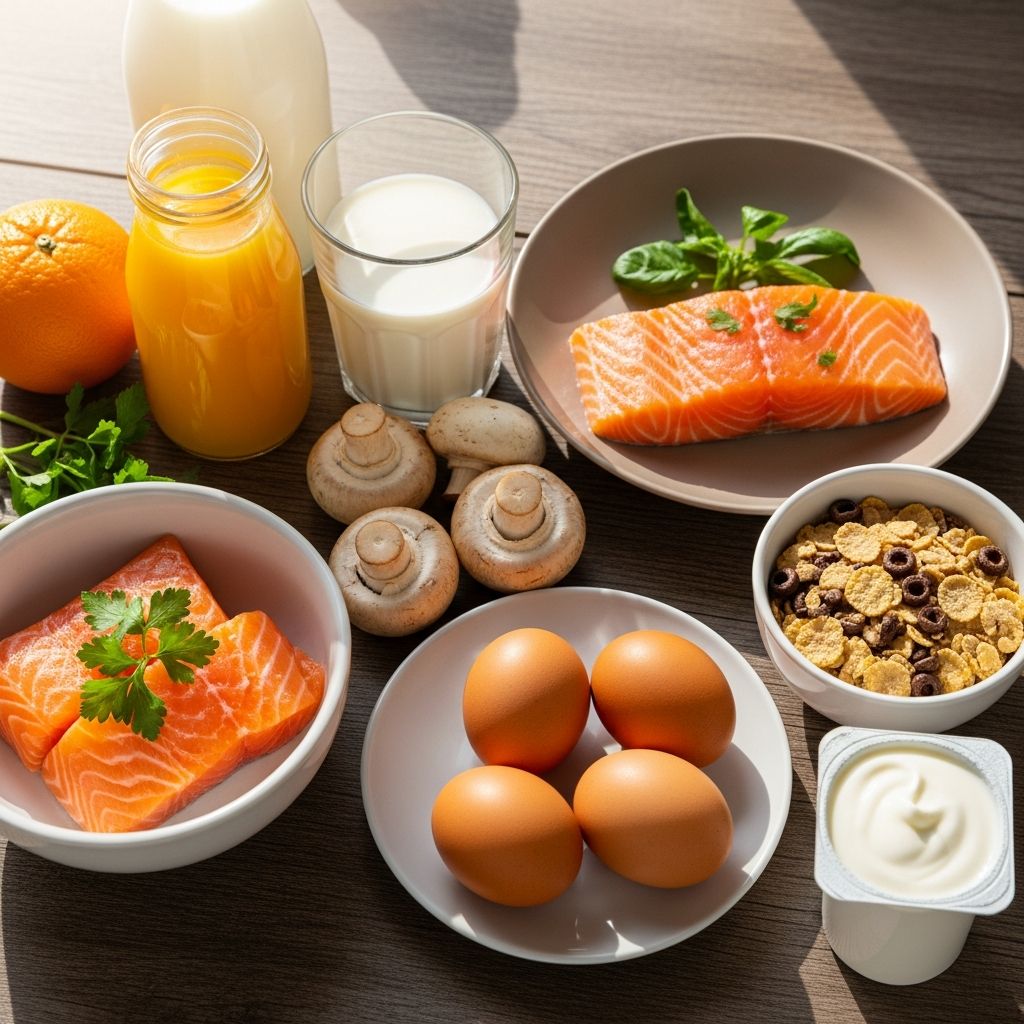
Vitamin D is essential for bone health, immune function, and calcium absorption, yet few foods naturally contain it. Most people get it from sunlight, fortified products, or supplements, but incorporating vitamin D-rich foods can help meet daily needs of 600–800 IU for adults.
What Is Vitamin D?
Vitamin D, often called the “sunshine vitamin,” exists in two forms: D2 (ergocalciferol) from plants and D3 (cholecalciferol) from animal sources and sunlight exposure. It promotes calcium absorption in the gut, maintains bone mineralization, and supports muscle function, immune response, and cell growth. Deficiency affects over 40% of Americans, leading to risks like osteoporosis, rickets, and weakened immunity.
Why Do You Need Vitamin D?
Adequate vitamin D prevents bone loss, reduces fracture risk, and may lower chances of heart disease, diabetes, and certain cancers. It regulates over 200 genes involved in immune modulation and inflammation control. People with limited sun exposure, darker skin, obesity, or malabsorption issues are at higher deficiency risk. The NIH recommends 600 IU daily for ages 1–70, rising to 800 IU for those over 70.
How Much Vitamin D Do You Need?
Recommended Dietary Allowance (RDA) varies by age: 400 IU for infants, 600 IU for children and adults up to 70, and 800 IU for seniors. Upper limit is 4,000 IU daily to avoid toxicity symptoms like hypercalcemia. Food alone rarely suffices, so combine with sun and supplements if needed.
Foods with Vitamin D
Here are the top natural and fortified sources, ranked by vitamin D content per serving. Aim for 2–3 servings of fatty fish weekly for optimal intake.
1. Salmon
Wild-caught sockeye salmon tops the list with 570–645 IU per 3-ounce (85g) serving, covering 70–80% of daily needs. Farmed varieties offer 383–570 IU. Rich in omega-3s for heart health, bake, grill, or poach it. A 3.5-ounce serving provides up to 600 IU.
2. Mackerel
This oily fish delivers 360–500 IU per 3-ounce serving, about 65% DV. High in protein and omega-3s, it’s ideal for reducing inflammation. Choose Atlantic or king varieties; grill or add to salads.
3. Herring
Fresh Atlantic herring provides 167–306 IU per 3.5-ounce serving (20–38% DV). Pickled offers 113 IU but watch sodium at 870mg. Smoked or canned works too; pair with whole grains.
4. Sardines, Canned
Affordable and convenient, canned sardines in oil give 164–331 IU per 3-ounce serving (20–41% DV). Eat bones for extra calcium; great in salads or on toast.
5. Canned Tuna (Light)
Light canned tuna yields 231–269 IU per 3-ounce serving (29–34% DV). Drain oil for lower calories; mix into pasta or sandwiches for easy meals.
6. Cod Liver Oil
A teaspoon (5ml) packs 450 IU (56% DV), plus vitamins A and omega-3s. Use sparingly due to high potency; ideal for non-fish eaters.
7. Egg Yolks
One large egg yolk has 37–41 IU (5–6% DV). Eat 2–3 whole eggs daily for breakfast; frittatas or omelets boost intake.
Related Stories



8. Mushrooms (UV-Exposed)
Wild morels offer 136 IU per cup (17% DV); UV-treated cremini or maitake provide 1,100 IU per cup (138% DV) or 1,000 IU per 100g. Place in sunlight for 15 minutes to activate D2; vegan superstar.
9. Beef Liver
Three ounces cooked liver supplies 42–50 IU (5–6% DV), plus iron, A, and B12. Eat weekly in pâté or stir-fries; nutrient-dense but moderate due to vitamin A.
10. Fortified Milk and Dairy
One cup (240ml) fortified cow’s milk has 100–120 IU (15% DV). Yogurt and ricotta cheese offer 13–80 IU per serving. Choose low-fat; plant milks like almond are often fortified too.
Other Notable Sources
- Trout (Rainbow): 645 IU per 3 ounces.
- Tilapia: 127 IU per 3 ounces.
- Flounder: 118 IU per 3 ounces.
- Red Meat/Pork: Ground beef or pork chops provide modest amounts.
- Fortified Orange Juice: 100 IU per cup.
Vitamin D Content Table
| Food | Serving Size | Vitamin D (IU) | % DV |
|---|---|---|---|
| Salmon (sockeye, wild) | 3 oz | 570–645 | 71–81% |
| Mackerel | 3 oz | 360–500 | 45–63% |
| Herring (Atlantic) | 3.5 oz | 167–306 | 21–38% |
| Sardines (canned) | 3 oz | 164–331 | 21–41% |
| Light tuna (canned) | 3 oz | 231–269 | 29–34% |
| Cod liver oil | 1 tsp | 450 | 56% |
| Egg yolk (large) | 1 | 37–41 | 5–6% |
| Mushrooms (UV cremini, 1 cup) | 1 cup | 1,100 | 138% |
| Beef liver | 3 oz | 42–50 | 5–6% |
| Fortified milk | 1 cup | 100–120 | 13–15% |
Vegetarian and Vegan Vitamin D Sources
Vegetarians can rely on eggs, dairy, and UV-exposed mushrooms. Vegans prioritize maitake mushrooms (1,000+ IU/100g), fortified plant milks, and orange juice. Sun exposure or D2/D3 supplements (lichen-derived D3) fill gaps.
Health Benefits of Vitamin D Foods
Beyond bones, these foods provide omega-3s (fish) for heart protection, protein for muscle repair, and antioxidants. Mushrooms offer unique D2; liver delivers B vitamins for energy.
Sunlight vs. Food Sources
10–30 minutes of midday sun on arms/face 2–3 times weekly produces 10,000 IU, but factors like latitude, skin tone, and sunscreen limit it. Foods ensure steady intake year-round.
Who Needs More Vitamin D?
Breastfed infants, older adults, pregnant/lactating women, those with obesity, or limited sun exposure. Test levels via 25(OH)D blood test; aim for 20–50 ng/mL.
Potential Risks and Interactions
Excess (>4,000 IU/day) risks nausea, kidney stones. Fat malabsorption (e.g., celiac) reduces uptake. Pair with magnesium-rich foods for activation.
Frequently Asked Questions
Which food has the most vitamin D?
UV-exposed mushrooms like cremini can reach 1,100 IU per cup, rivaling salmon at 570–645 IU per 3 ounces.
Are eggs a good source of vitamin D?
Yes, yolks provide 37–41 IU each, making 3–4 eggs a solid contribution.
Do vegetarians get enough vitamin D from food?
Possible with eggs, dairy, and UV mushrooms; fortified foods help.
Is canned fish as good as fresh for vitamin D?
Often yes—canned sardines/tuna match or exceed fresh in convenience and content.
Can you get vitamin D from plants?
Primarily from UV-exposed mushrooms producing D2.
References
- 9 Healthy Foods That Are High in Vitamin D — Healthline. 2026-01-04. https://www.healthline.com/nutrition/9-foods-high-in-vitamin-d
- 19 Vitamin D-Rich Foods — Schiff Vitamins. N/A. https://www.schiffvitamins.com/blogs/health-wellness/19-vitamin-d-rich-foods
- Foods rich in vitamin D and why it’s important — HealthPartners. N/A. https://www.healthpartners.com/blog/high-vitamin-d-foods/
- Food Sources of Vitamin D — Dietary Guidelines for Americans (USDA). 2024-08. https://www.dietaryguidelines.gov/sites/default/files/2024-08/Food-Sources-Vitamin-D-Standard-508C.pdf
- Vitamin D – Health Professional Fact Sheet — NIH Office of Dietary Supplements. N/A. https://ods.od.nih.gov/factsheets/VitaminD-HealthProfessional/
- Foods High in Vitamin D — WebMD. N/A. https://www.webmd.com/vitamins-and-supplements/ss/slideshow-foods-high-in-vitamin-d
Similar Articles








Read full bio of Sneha Tete