Foods You Should Eat Every Week to Lose Weight
Dietitians reveal 10 nutrient-packed foods to eat weekly for sustainable weight loss and better health.
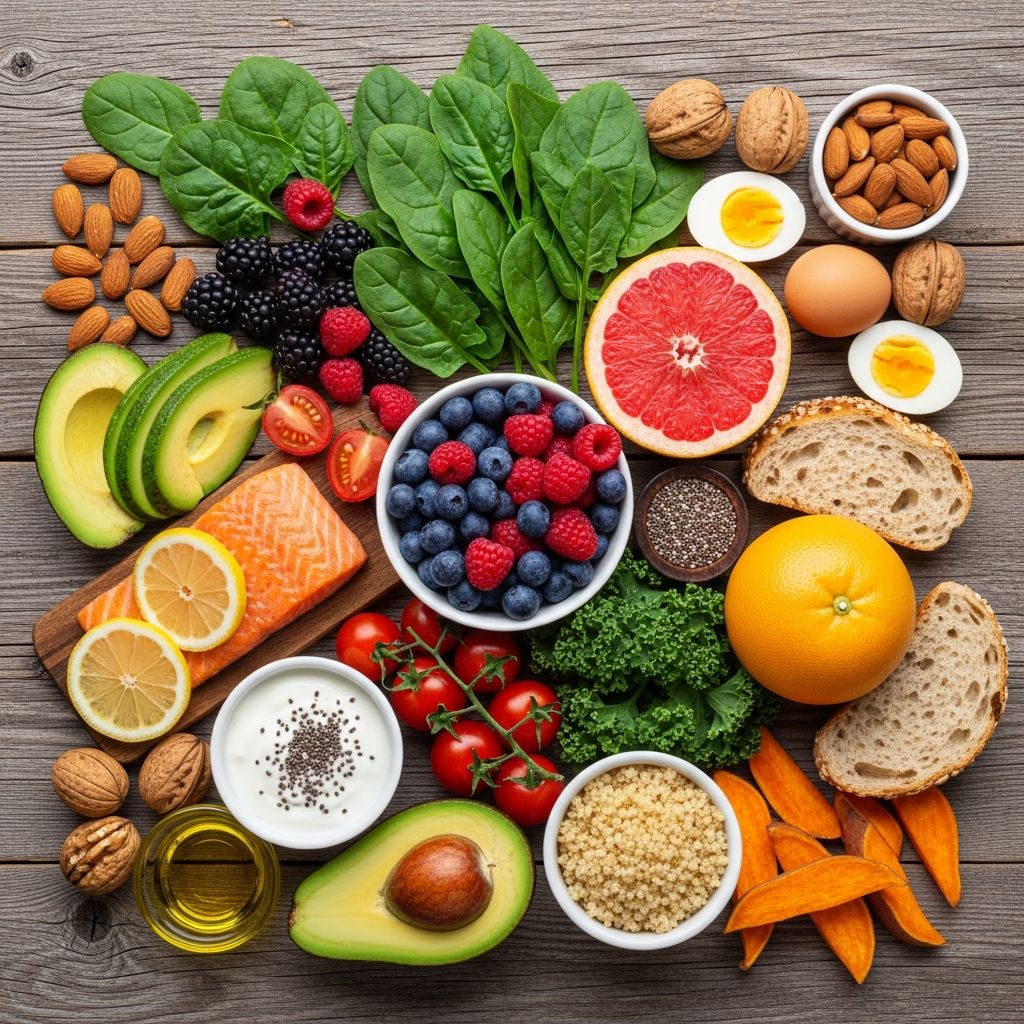
Weight loss doesn’t rely on magic foods, but consistently choosing nutrient-dense options can make a significant difference. Dietitians recommend incorporating these 10 foods weekly to boost satiety, support metabolism, and provide essential nutrients for sustainable results.
What Makes a Food Good for Weight Loss?
The best weight loss foods are low in calories but high in volume, fiber, protein, and healthy fats. These qualities promote fullness, stabilize blood sugar, and reduce overall calorie intake without leaving you hungry. Foods rich in these elements also deliver vitamins, minerals, and antioxidants to support overall health during calorie deficits.
Key characteristics include:
- High fiber: Slows digestion and curbs appetite.
- Quality protein: Preserves muscle and increases satiety hormones.
- Healthy fats: Provides sustained energy and reduces inflammation.
- Low energy density: Allows larger portions for fewer calories.
1. Chia Seeds
Tiny but mighty, chia seeds pack 10 grams of fiber per ounce, forming a gel in your stomach that promotes fullness. They’re also loaded with omega-3 fatty acids, protein, and minerals like calcium, magnesium, and phosphorus. Add them to smoothies, yogurt, or oatmeal for an easy fiber boost that supports weight management.
Studies show chia seeds can reduce appetite and calorie intake when consumed before meals. Their high soluble fiber content helps regulate blood sugar and prevents overeating. Just 1-2 tablespoons daily can make meals more satisfying without adding many calories.
2. Fatty Fish
Fatty fish like salmon, mackerel, sardines, and trout deliver high-quality protein and omega-3 fatty acids that fight inflammation and support metabolic health. Omega-3s improve insulin sensitivity and may enhance fat burning during exercise. Aim for 2-3 servings weekly to optimize thyroid function and reduce obesity risk.
Rich in iodine, fatty fish supports thyroid hormone production essential for metabolism. Research links regular fatty fish consumption to lower body fat percentages and better weight control. Grill, bake, or poach to keep it lean and flavorful.
3. Cruciferous Vegetables
Broccoli, cauliflower, Brussels sprouts, cabbage, and kale offer low-calorie density with high fiber and protein for vegetables. These veggies provide glucosinolates that may reduce cancer risk while their bulk fills you up. A cup of cooked broccoli has just 55 calories but 5 grams of fiber and 4 grams of protein.
Cruciferous vegetables balance low energy density with satiety-promoting nutrients. Steam, roast, or stir-fry them to preserve nutrients and maximize volume in meals. Their versatility makes weekly inclusion simple and delicious.
4. Whole Grains
Quinoa, oats, brown rice, and barley provide fiber, B vitamins, and minerals that enhance metabolism and sustained energy. Beta-glucans in oats increase satiety hormones like PYY and GLP-1. Whole grains also stabilize blood sugar better than refined carbs, preventing hunger spikes.
Research shows whole grain consumers have lower BMI and better weight maintenance. Swap white rice for brown or start days with oatmeal. One cup of cooked quinoa offers 5 grams of fiber and 8 grams of complete protein.
5. Apples
Apples exemplify low-energy-density foods with high water and pectin fiber content. One medium apple delivers 4.5 grams of fiber and just 95 calories, plus antioxidants like quercetin that combat inflammation. Eating whole apples (not juice) maximizes fullness benefits.
Related Stories



Studies confirm apple eaters consume fewer daily calories and lose more weight. Their crunch satisfies snack cravings while polyphenols may boost fat burning. Enjoy sliced with nut butter or as a portable snack.
6. Fermented Foods
Yogurt, kefir, sauerkraut, kimchi, and kombucha support gut health with probiotics that influence weight regulation. Healthy gut bacteria improve metabolism, reduce inflammation, and enhance nutrient absorption. Greek yogurt provides 20 grams of protein per cup for muscle preservation.
Probiotic-rich foods may lower BMI and waist circumference. Choose unsweetened varieties and pair with fruit for balanced snacks. Fermented dairy’s calcium also aids fat metabolism.
7. Pistachios
Among nuts, pistachios shine for weight loss with 6 grams of protein and 3 grams of fiber per ounce, plus heart-healthy fats. Their lower calorie count (160 per ounce) and shelling requirement promote mindful eating and portion control.
Research shows pistachio eaters maintain weight better than other nut consumers. The combination of protein, fiber, and unsaturated fats sustains energy. Limit to 1 ounce daily as part of balanced meals.
8. Eggs
Eggs offer complete protein (6 grams per egg) with all essential amino acids, plus choline for fat metabolism. They’re among the most satiating foods, reducing subsequent calorie intake by up to 400 calories daily. Despite past cholesterol concerns, eggs don’t significantly raise heart disease risk for most.
Breakfast egg eaters lose more weight and body fat. Boil, poach, or scramble for versatile protein sources that stabilize blood sugar.
9. Avocados
Avocados provide monounsaturated fats, fiber (10 grams per fruit), and potassium that promote fullness and heart health. Their creamy texture satisfies without refined carbs. Half an avocado adds 120 calories but sustains you longer than equal-calorie snacks.
Studies link avocado consumption to better weight management and nutrient intake. Use in salads, toast, or smoothies for healthy fat benefits.
10. Dark Chocolate
Choose 70%+ cocoa dark chocolate for flavanols that improve insulin sensitivity and reduce appetite. Small amounts (1 ounce) satisfy sweet cravings while providing antioxidants superior to many fruits. The bitterness curbs overconsumption.
Research shows dark chocolate eaters have lower BMI. Pair with nuts or fruit for balanced treats that support weight goals.
Sample Weekly Meal Plan
| Day | Breakfast | Lunch | Dinner | Snack |
|---|---|---|---|---|
| Monday | Oatmeal + chia seeds + apple | Grilled salmon salad w/ leafy greens | Chicken stir-fry w/ cruciferous veggies | Greek yogurt + berries |
| Tuesday | Eggs + avocado toast | Quinoa bowl w/ roasted broccoli | Baked fatty fish + brown rice | Pistachios + dark chocolate |
| Wednesday | Greek yogurt parfait w/ chia | Turkey wrap w/ fermented slaw | Stir-fried tofu w/ Brussels sprouts | Apple + almond butter |
| Thursday | Smoothie w/ kefir + spinach | Lentil soup + whole grain bread | Salmon cakes + cauliflower rice | Cottage cheese + fruit |
| Friday | Egg muffins w/ veggies | Chickpea salad w/ avocado | Grilled chicken + quinoa tabbouleh | Dark chocolate + nuts |
| Saturday | Oat pancakes + berries | Fish tacos w/ cabbage slaw | Vegetable stir-fry w/ brown rice | Yogurt + chia pudding |
| Sunday | Chia pudding w/ fruit | Quinoa salad w/ roasted veggies | Baked salmon + sweet potatoes | Pistachios + apple |
Frequently Asked Questions (FAQs)
Can I eat these foods every day?
Weekly incorporation provides benefits without boredom. Rotate preparation methods and pair with variety for balanced nutrition.
How much of each food should I eat?
Aim for 2-3 servings of featured foods weekly. Focus on variety and listen to hunger cues rather than strict quantities.
Will these foods guarantee weight loss?
They support weight loss within calorie-controlled, sustainable patterns. Combine with exercise and adequate sleep for best results.
Are there vegetarian alternatives?
Yes! Swap fatty fish for chia/omega-3 algae oil, use tofu/tempeh for eggs/chicken, and emphasize beans/legumes.
Can I eat dark chocolate daily?
Limit to 1 ounce of 70%+ cocoa daily. It satisfies cravings while providing antioxidants, but excess adds calories.
References
- Eat these healthy foods to support your weight loss journey — Knownwell. 2024. https://www.knownwell.co/blog-posts/eat-these-healthy-foods-to-support-your-weight-loss-journey
- 10 Foods You Should Eat Every Week to Lose Weight | Dietitian Q&A — EatingWell (YouTube). 2023-10-01. https://www.youtube.com/watch?v=hTbIHTuznJ4
- Dietary Guidelines for Americans, 2020-2025 — U.S. Department of Health and Human Services / USDA. 2020-12-31. https://www.dietaryguidelines.gov/
- Effects of chia seed supplementation on weight and blood pressure — Nieman DC et al. Journal of Nutrition. 2012-04-11. https://doi.org/10.3945/jn.111.154144
- Omega-3 fatty acids and weight loss — CDC Nutrition Source. 2024. https://www.hsph.harvard.edu/nutritionsource/omega-3-fats/
Similar Articles








Read full bio of medha deb