Winter Foot Care Mistakes To Avoid: 10 Essential Tips
Discover common winter foot care errors and expert tips to keep your feet healthy, warm, and protected during cold months.
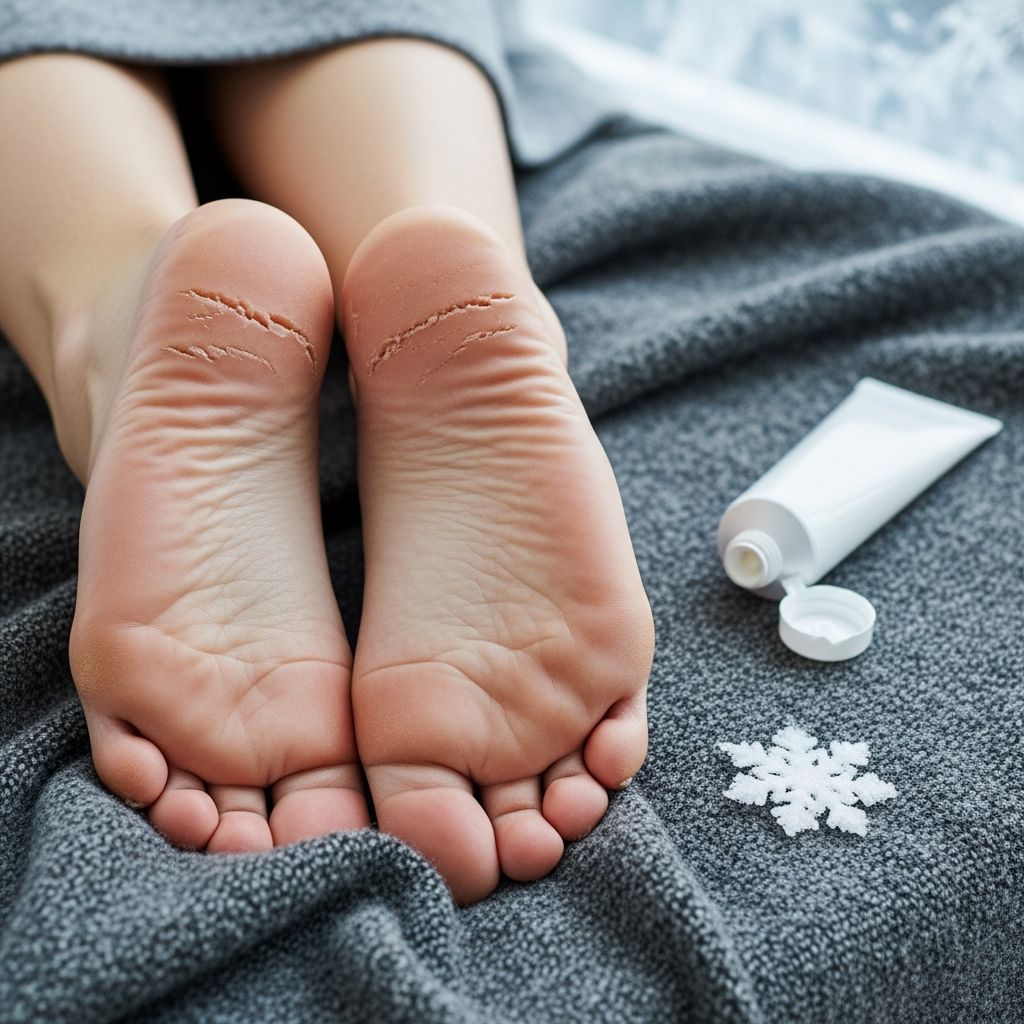
Winter brings challenges for foot health, from dry, cracked skin to slip risks on ice. Many people make common mistakes that lead to discomfort or injury. This article covers key errors and how to prevent them, drawing on podiatry advice for warm, healthy feet all season.
1. Not moisturizing enough
Cold air and indoor heating dry out skin, especially heels, causing painful cracks. Skipping daily moisturizing worsens this, increasing infection risk.
- Apply thick creams or petroleum jelly daily after washing, while skin is damp to lock in moisture.
- Avoid lotion between toes to prevent fungal growth.
- For severe dryness, use ointments overnight with cotton socks.
Regular moisturizing maintains skin barrier, preventing splits that invite bacteria.
2. Wearing the wrong socks
Cotton socks trap moisture, keeping feet damp and cold, raising frostbite or blister risk. Many overlook moisture-wicking options.
- Choose synthetic or wool blends that wick sweat and insulate.
- Layer thin wicking pairs under thicker wool for extra warmth.
- Avoid tight socks that restrict circulation.
Proper socks keep feet dry and warm, essential for outdoor exposure.
3. Ignoring footwear choices
Tight, non-waterproof boots or smooth soles lead to blisters, slips, and cold feet. Bulky shoes without traction amplify fall risks.
- Select waterproof boots with good tread, ankle support, and room for thick socks.
- Ensure wide toe box for circulation; check fit daily as feet swell in cold.
- Keep spare dry shoes indoors or in car to avoid wet footwear.
Right footwear prevents injuries; those with diabetes should inspect daily for issues.
4. Overlooking circulation maintenance
Cold constricts blood vessels, causing numbness or pain. Sedentary habits or smoking exacerbate poor flow to feet.
- Stay active with walks, stretches, or exercises like ankle circles.
- Avoid crossing legs; elevate feet periodically.
- Quit smoking to improve vascular health.
Good circulation wards off chilblains (itchy, swollen toes from cold) and frostbite.
5. Using excessively hot water
Hot baths or showers seem comforting but strip natural oils, drying skin further and risking burns on numb feet.
- Use lukewarm water for washing and soaks.
- Limit soak time to 15 minutes with Epsom salts for relief and circulation boost.
- Pat dry gently; moisturize immediately.
This preserves skin integrity without dehydration.
6. Neglecting slip prevention
Ice and snow cause falls, especially for older adults or those with balance issues. Rushing or poor gait increases danger.
- Walk slowly with short steps, arms out for balance.
- Use handrails; avoid icy patches.
- Clear walkways, use salt or grit.
| Mistake | Risk | Solution |
|---|---|---|
| Smooth soles | Slips on ice | Non-slip treads |
| Fast walking | Falls | Short, deliberate steps |
| Poor lighting | Missed hazards | Illuminate paths |
These strategies reduce injury by up to 50% in slippery conditions.
7. Forgetting to check feet regularly
Cold reduces sensation, hiding cuts, blisters, or color changes signaling problems. Diabetics face higher complication risks.
Related Stories



- Inspect daily for redness, swelling, cracks, or numbness.
- Seek podiatrist for non-healing sores or persistent pain.
- Trim nails straight to avoid ingrown issues from tight boots.
Early detection prevents serious issues like infections.
8. Skipping activity and hydration
Winter inactivity stiffens joints; dehydration dries skin despite cold. Many stay indoors too much.
- Do foot exercises: toe spreads, calf stretches daily.
- Drink water; aim for 8 glasses despite low thirst.
- Warm up gradually before outdoor activities.
Activity maintains flexibility and circulation.
9. Exposing feet to extreme cold too long
Prolonged outdoor time without breaks risks frostbite, especially with wet feet or poor gear.
- Limit exposure; take indoor warm-up breaks.
- Wear multiple layers, starting with wicking base.
- Recognize symptoms: white skin, numbness—warm slowly indoors.
Prevention beats treatment for cold injuries.
10. Dismissing pain or changes
Assuming winter aches are normal delays care for sprains, neuropathy, or vascular issues.
- Consult podiatrist for ongoing pain, swelling post-fall, or skin changes.
- Custom orthotics may aid stability.
Professional input ensures safe winter mobility.
Frequently Asked Questions (FAQs)
What causes cracked heels in winter?
Dry air, heating, and neglected moisturizing lead to splits. Apply urea-based creams daily.
Best socks for cold weather?
Moisture-wicking merino wool; avoid cotton.
How to prevent slips on ice?
Wear treaded boots, walk penguin-style with short steps.
Are hot baths safe for cold feet?
No—use lukewarm to avoid drying skin.
When to see a podiatrist in winter?
For persistent pain, numbness, non-healing wounds, or fall injuries.
Additional Winter Foot Care Tips
Beyond avoiding mistakes:
- Protect nails: Keep trimmed, treat fungal early.
- Sunscreen if snowy—UV reflects off snow.
- Layer clothing to conserve body heat for feet.
Healthy feet support winter activities like walking or skiing pain-free.
References
- Winter Foot Care Tips: Protecting Your Feet in Cold Weather — Comfort Podiatry Group. 2024-01-15. https://www.comfortpodiatrygroup.com/blog/1390042-winter-foot-care-tips-protecting-your-feet-in-cold-weather
- Preventing Falls and Foot Injuries During Winter Weather — HB Podiatry. 2024-02-20. https://www.hbpodiatry.com/blog/1407743-preventing-falls-and-foot-injuries-during-winter-weather
- Seasonal Foot Care Tips: Summer and Winter Edition — The Podiatry Group. 2024-02-02. https://www.thepodiatrygroup.com/2024/02/02/seasonal-foot-care-tips-summer-and-winter-edition/
Similar Articles








Read full bio of Sneha Tete