Foot Detox Debunked: Evidence And 5 DIY Treatment Recipes
Uncover the truth about foot detoxes: claims, science, benefits, and safe alternatives for foot care and relaxation.
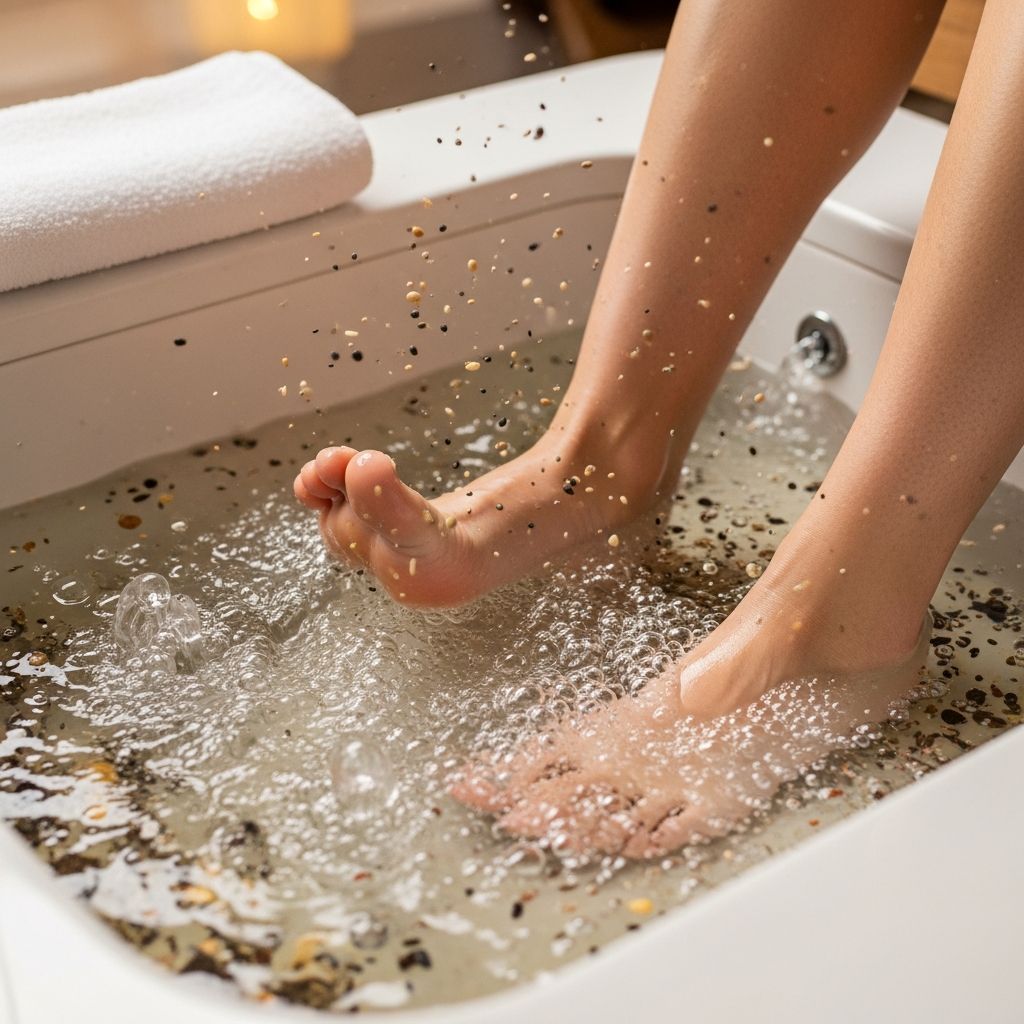
Foot detoxes, including ionic footbaths, pads, and soaks, are marketed as simple ways to purge toxins from the body through the feet. While proponents tout benefits like improved energy and detoxification, scientific research consistently shows no evidence that these methods remove toxins or heavy metals.
These treatments remain popular in spas and at home due to their relaxing effects, but understanding the facts helps separate hype from reality. This article examines how foot detoxes claim to work, reviews the evidence, explores alternatives, and provides safe recipes for foot care.
What Is a Foot Detox?
A
foot detox
refers to various therapies aimed at removing toxins via the feet. Common types include ionic footbaths, detox pads, soaks, scrubs, and masks. The core idea is that the feet, with their many pores and reflexology points, serve as a primary exit for bodily impurities.Proponents argue that modern lifestyles expose us to toxins from pollution, processed foods, and chemicals, overwhelming the liver and kidneys. Foot detoxes supposedly bypass these organs by drawing out heavy metals and waste directly through the skin.
- Ionic footbaths: Feet soak in electrified water that allegedly ionizes to attract oppositely charged toxins.
- Detox pads: Adhesive patches applied overnight to ‘sweat out’ impurities.
- Soaks and scrubs: Warm water with salts, vinegars, or clays to cleanse and exfoliate.
Despite appealing claims, no peer-reviewed studies confirm toxin removal through feet. Color changes in bath water or pads result from rust, salts, or foot grime, not detoxification.
How Does an Ionic Foot Detox Work?
The most popular
ionic foot detox
uses devices like the IonCleanse. An electrode in the water generates ions (H+ and OH-) via electrolysis, creating a charged field. Manufacturers claim this neutralizes toxins of opposite charge, pulling them from the body through foot pores.During a 30-60 minute session, the water often turns brown, orange, or green—proof of detox to believers. However, tests reveal these colors come from electrode corrosion, added salts, or foot sweat, independent of feet presence.
A 2012 NIH-funded study tested IonCleanse rigorously. Phase I ran baths without feet using tap or distilled water, finding elevated potentially toxic elements (PTEs) like lead and arsenic from the machine alone. Phase II involved participants over four sessions: PTEs in foot water didn’t increase beyond baseline, urine showed no stimulated kidney detox, and hair analysis confirmed no systemic changes.
“We found no evidence to suggest that ionic footbaths help promote the elimination of toxic elements from the body.”
Similar findings from Medical News Today and Cleveland Clinic echo this: feet don’t excrete toxins, and devices aren’t medical tools.
Do Foot Detoxes Really Work?
Related Stories



**No, foot detoxes do not remove toxins.** Multiple studies debunk claims:
| Method | Claim | Evidence |
|---|---|---|
| Ionic Footbaths | Pulls toxins via ions | No PTE reduction in water, urine, or hair |
| Detox Pads | Sweats out impurities overnight | Color change from moisture reaction, not toxins |
| Foot Soaks/Scrub | Cleanses via salts/clay | Surface exfoliation only; relaxing but not detox |
Mayo Clinic states plainly: “No trustworthy scientific evidence shows that detox foot pads work.” Color shifts occur from chemical reactions with sweat, not toxin extraction. A Canadian naturopathic study mirrored NIH results, finding no induced toxin release.
Healthline notes limited research but consistent lack of efficacy. Benefits are anecdotal, tied to relaxation rather than detox.
Potential Benefits of Foot Detoxes
While ineffective for detoxification, foot treatments offer proven perks:
- Relaxation: Warm soaks reduce stress, mimicking spa therapy.
- Circulation boost: Heat and massage improve blood flow, easing aches.
- Skin care: Scrubs remove dead cells; salts soften calluses.
- Pain relief: Epsom salts may soothe muscles via magnesium absorption (though debated).
Acupressure or reflexology adds muscle tension release. For most, these match a standard pedicure—pleasant, not curative.
Risks and Side Effects of Foot Detoxes
Foot detoxes are generally safe but carry caveats:
- Open wounds/infections: Avoid soaks to prevent bacterial spread.
- Diabetes/epidermolysis bullosa: Impaired sensation raises burn/injury risk.
- Pregnancy/medical conditions: Consult doctors; ionic devices untested.
- Cost: Home units ($100+) or spa sessions yield no unique benefits over DIY soaks.
Electrode metals may leach, ironically adding trace toxins. Allergic reactions to pads or oils possible.
Foot Detox Alternatives That Work
Skip gimmicks for evidence-based foot health:
- Daily hygiene: Wash, moisturize, trim nails.
- Proper footwear: Breathable shoes prevent fungal issues.
- Exercise: Walking boosts natural circulation.
- **Reflexology:** Licensed massage for targeted relaxation.
The body’s true detox organs—liver, kidneys, lungs, skin—handle impurities efficiently with hydration, diet, and sleep.
Foot Detox Recipes to Try at Home
Enjoy spa-like soaks without myths. Each serves relaxation and clean feet.
1. Epsom Salt Foot Soak
Add 1 cup
Epsom salts
(magnesium sulfate) to warm water basin. Soak 20-30 minutes. Enhances circulation; avoid open wounds.2. Apple Cider Vinegar Soak
Mix 1 cup raw apple cider vinegar in warm water. Soak 20-30 minutes. Deodorizes, balances pH; antifungal properties.
3. Baking Soda and Sea Salt Soak
Dissolve 1 cup sea salt + 1 cup baking soda in warm water. Soak 30 minutes. Softens skin, neutralizes odors.
4. Clay Foot Mask
Apply bentonite clay paste to feet, wrap 10-15 minutes, rinse. Draws surface impurities; follow with lotion.
5. Essential Oil Scrub
Mix sugar/salt with carrier oil + lavender/tea tree drops. Exfoliate gently, rinse. Soothes inflammation.
Customize with herbs like chamomile for calm. Always patch-test oils.
Frequently Asked Questions (FAQs)
What is a foot detox?
A foot detox uses soaks, baths, pads, or devices to supposedly remove toxins through feet. No science supports this.
Do ionic foot baths work?
No. Studies show water color changes from rust/salts, not toxins. No body-wide detox occurs.
Are detox foot pads effective?
No. Mayo Clinic confirms no evidence; discoloration is chemical reaction.
Can I do a foot detox at home?
Yes for relaxation. Use Epsom soaks or scrubs, but don’t expect toxin removal.
Who should avoid foot detoxes?
Those with open sores, diabetes, infections, or pregnancy—consult a doctor.
What are real benefits of foot soaks?
Relaxation, better circulation, cleaner skin, pain relief.
References
- Foot detox: Research, recipes, and alternative treatments — Medical News Today. 2018-02-06. https://www.medicalnewstoday.com/articles/323116
- Objective Assessment of an Ionic Footbath (IonCleanse) — PMC/NIH. 2011-11-01. https://pmc.ncbi.nlm.nih.gov/articles/PMC3228292/
- Does A Foot Detox Work? Know the Facts — Healthline. 2023-07-12. https://www.healthline.com/health/foot-detox
- Why Foot Detoxes Don’t Work — Cleveland Clinic. 2022-08-15. https://health.clevelandclinic.org/foot-detox
- Foot Detox: What Is It and Does It Work? — Healthgrades. 2024-01-10. https://resources.healthgrades.com/right-care/lifestyle-and-wellness/foot-detox-what-is-it-and-does-it-work
- Detox foot pads: Do they really work? — Mayo Clinic. 2023-05-20. https://www.mayoclinic.org/healthy-lifestyle/consumer-health/expert-answers/detox-foot-pads/faq-20057807
Similar Articles








Read full bio of Sneha Tete