Foot Pain and Problems: Causes, Treatment, and Prevention
Comprehensive guide to understanding, treating, and preventing common foot pain and related problems.
Understanding Foot Pain and Common Foot Problems
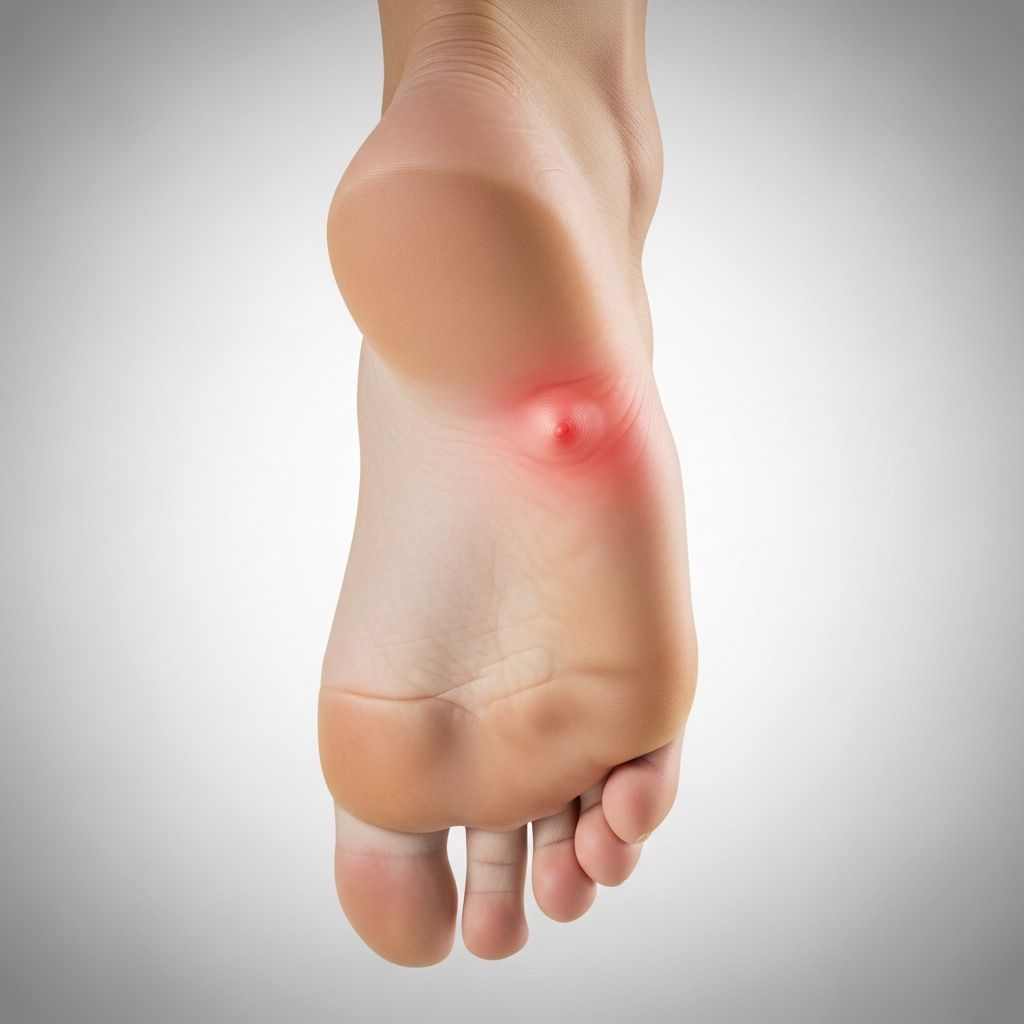
Foot pain affects millions of people worldwide and can significantly impact quality of life, mobility, and daily activities. Our feet are complex structures composed of bones, joints, muscles, tendons, and ligaments that work together to support our body weight and enable movement. When any component of the foot becomes injured, inflamed, or diseased, it can result in pain and dysfunction. Understanding the various causes of foot pain is essential for determining appropriate treatment and prevention strategies.
Foot problems can develop for numerous reasons, including improper footwear, biomechanical issues, repetitive stress, infections, or systemic diseases. Some conditions develop gradually over time, while others may occur suddenly due to injury. Regardless of the cause, persistent foot pain should not be ignored, as it can lead to compensatory movement patterns that affect the ankles, knees, hips, and lower back.
Common Types of Foot Pain
Foot pain can manifest in different areas of the foot, and the location often provides clues about the underlying cause. Different regions of the foot are susceptible to specific types of pain and injury.
Heel Pain
Heel pain is one of the most common foot complaints, affecting people of all ages. Plantar fasciitis is the leading cause of heel pain, occurring when the plantar fascia—a thick band of tissue running along the bottom of the foot—becomes inflamed or irritated. This condition typically causes sharp pain in the heel, especially when taking the first steps in the morning or after prolonged rest. Heel spurs, bony growths on the heel bone, often accompany plantar fasciitis and can contribute to pain severity.
Other causes of heel pain include Achilles tendinitis, which affects the large tendon connecting the calf muscles to the heel bone, and heel bursitis, involving inflammation of the fluid-filled sac cushioning the heel bone. Haglund’s deformity, a bony bump on the back of the heel, can also cause significant discomfort, particularly when wearing certain types of shoes.
Ball of the Foot Pain
Pain in the ball of the foot, known as metatarsalgia, occurs in the area just behind the toes. This condition often results from excessive pressure on the metatarsal heads—the bone bases supporting the toes. Activities requiring repetitive jumping or running, combined with improper footwear, can trigger metatarsalgia. Morton’s neuroma, a thickened nerve tissue between the toes, causes sharp, burning pain in the ball of the foot and is more common in people wearing tight, high-heeled shoes.
Arch Pain
The arch of the foot provides support and helps distribute body weight during movement. Arch pain can develop from flat feet, high arches, or plantar fasciitis. People with flat feet lack adequate arch support, leading to foot strain and pain during prolonged standing or walking. Conversely, high-arched feet concentrate pressure on specific areas, also causing discomfort. Proper arch support through orthotic devices or appropriate footwear can alleviate arch-related pain.
Toe Pain
Bunions are one of the most common toe problems, occurring when the big toe angles toward the second toe, causing a bony prominence on the side of the foot. Bunions can be painful, especially when wearing tight shoes. Hammertoes, where toes bend at the middle joint, create pressure points that cause pain and callus formation. Gout, a form of arthritis caused by uric acid crystal buildup, frequently affects the big toe and causes sudden, severe pain, redness, and swelling.
Related Stories



Causes of Foot Pain and Problems
Understanding the underlying causes of foot pain is crucial for effective treatment and prevention. Multiple factors can contribute to foot problems.
Biomechanical Issues
Biomechanical problems occur when the foot structure or gait pattern is abnormal. Overpronation—excessive inward rolling of the foot during walking—places stress on the plantar fascia and other foot structures. Supination, or underpronation, occurs when the foot rolls outward excessively, concentrating pressure on the outer foot edge. Flat feet and high arches both represent structural variations that can predispose individuals to pain and injury.
Footwear Issues
Shoes that don’t fit properly or lack adequate support are significant contributors to foot pain. High heels shift body weight forward, increasing pressure on the ball of the foot and stressing the Achilles tendon. Tight shoes can compress nerves and soft tissues, while shoes with insufficient cushioning provide inadequate shock absorption. Worn-out athletic shoes fail to provide proper support during physical activity, increasing injury risk.
Overuse and Repetitive Stress
Activities involving repetitive stress on the feet can lead to various pain conditions. Runners, dancers, and athletes frequently experience foot problems due to the repetitive impact and strain placed on foot structures. Gradually increasing activity levels without proper conditioning increases injury risk. Even non-athletic activities like standing for extended periods can cause foot pain and fatigue.
Injury and Trauma
Direct injuries to the foot, including fractures, sprains, and contusions, cause acute pain and disability. Stepping on an uneven surface, twisting the ankle, or dropping objects on the foot can result in significant injury. Even seemingly minor injuries should be evaluated by a healthcare professional to rule out serious damage.
Age-Related Changes
As we age, the fat pads in our feet naturally thin, reducing cushioning and shock absorption. Ligaments and tendons lose elasticity, and joint cartilage degenerates. These age-related changes make feet more susceptible to pain and injury. Arthritis becomes increasingly common with age, affecting the joints throughout the foot and ankle.
Systemic Diseases
Certain medical conditions affect foot health and cause pain. Diabetes can lead to neuropathy—nerve damage causing pain, numbness, and weakness in the feet. Arthritis causes joint inflammation and pain throughout the foot. Gout, thyroid disorders, and other systemic conditions can manifest with foot symptoms. People with circulatory problems may experience foot pain and wounds that heal slowly.
Symptoms Requiring Medical Attention
While many foot problems resolve with conservative home treatment, certain symptoms warrant professional evaluation. Seek medical care if you experience severe pain that limits activities, pain following an injury with swelling or inability to bear weight, persistent pain lasting more than a few weeks, signs of infection including redness, warmth, or drainage, numbness or tingling in the foot, or pain accompanied by fever or unexplained swelling.
Treatment Options for Foot Pain
Treatment approaches for foot pain vary depending on the underlying cause and severity. Many conditions respond well to conservative management before requiring more invasive interventions.
Home Care Strategies
Rest is fundamental to managing foot pain, particularly for acute injuries or overuse conditions. Reducing activity levels and avoiding aggravating movements allow inflammation to subside. Applying ice for 15-20 minutes several times daily reduces swelling and numbs pain in acute conditions. Elevation above heart level helps reduce swelling and improves circulation.
Over-the-counter anti-inflammatory medications such as ibuprofen or naproxen can reduce pain and inflammation. Compression using elastic bandages or compression socks helps control swelling. Gentle stretching and strengthening exercises improve foot flexibility and stability, though these should be performed carefully to avoid exacerbating pain.
Footwear Modifications
Selecting appropriate footwear is critical for managing and preventing foot pain. Shoes should fit properly with adequate toe room, proper arch support, and cushioning in the heel and ball of the foot. Athletic shoes should be replaced regularly when the cushioning becomes compressed. Heels should be kept at a reasonable height—generally less than two inches—to minimize stress on the forefoot and Achilles tendon.
Orthotic Devices
Custom or over-the-counter orthotic devices provide additional support and correct biomechanical abnormalities. Arch supports reduce strain on the plantar fascia. Heel cups cushion the heel and reduce impact forces. Toe spacers separate bunions. Orthotics can be incorporated into shoes or worn as removable inserts, depending on the specific condition and patient needs.
Physical Therapy
Physical therapists design exercise programs to strengthen weak muscles, improve flexibility, and correct movement patterns. Specific exercises target the muscles and tendons causing pain. Manual therapy techniques including massage and joint mobilization provide pain relief and improve function. Physical therapy is particularly effective for chronic conditions and helps prevent recurrence.
Professional Medical Treatments
When conservative treatments don’t provide adequate relief, healthcare providers may recommend additional interventions. Corticosteroid injections reduce inflammation in specific areas such as the plantar fascia or joint spaces. Prescription anti-inflammatory medications may be necessary for severe inflammation. Advanced imaging studies help identify structural problems or damage not visible on regular X-rays.
Surgical Interventions
Surgery is typically considered only after conservative treatments have been attempted for an adequate period. Surgical options include removing bone spurs, repairing ruptured tendons, realigning toe bones to correct deformities, or addressing nerve compression. Surgical outcomes depend on the specific condition and the surgeon’s expertise. Recovery requires patience and adherence to post-operative rehabilitation protocols.
Prevention Strategies for Foot Health
Maintaining healthy feet requires ongoing attention to foot care and lifestyle choices. Selecting shoes with proper fit, support, and cushioning prevents many common foot problems. Gradually increasing activity levels and cross-training reduce repetitive stress injuries. Maintaining a healthy weight reduces stress on foot structures. Regular foot hygiene, including daily washing and inspection, helps identify problems early.
Stretching and strengthening exercises maintain foot flexibility and muscle strength. Managing systemic conditions like diabetes through medication and lifestyle modifications reduces complications. Wearing appropriate footwear for different activities prevents injury. Taking breaks during prolonged standing reduces foot fatigue and pain.
When to Seek Professional Care
Podiatrists are healthcare specialists trained in diagnosing and treating foot and ankle conditions. General practitioners can also evaluate foot problems and provide initial treatment or referrals to specialists. Early intervention for foot problems often prevents progression and reduces the need for more invasive treatments. Professional evaluation is particularly important for people with diabetes, circulatory problems, or other conditions affecting foot health.
Special Considerations for Different Populations
Children may develop foot problems including flat feet or toe walking that typically resolve with growth but sometimes require intervention. Athletes require sport-specific footwear and conditioning to prevent injuries. Older adults need attention to foot health to maintain mobility and prevent falls. People with diabetes require careful foot monitoring and preventive care to avoid serious complications.
Frequently Asked Questions
Q: What is the most common cause of foot pain?
A: Plantar fasciitis is the most common cause of heel pain and one of the most frequent causes of overall foot pain. Improper footwear and biomechanical issues are also very common contributors to foot pain.
Q: How long does it take for foot pain to resolve?
A: This varies depending on the cause and severity of the condition. Acute injuries may improve within a few weeks with proper treatment, while chronic conditions like plantar fasciitis can take several months to resolve completely.
Q: Can foot pain be prevented?
A: Many foot problems can be prevented through proper footwear selection, maintaining a healthy weight, regular exercise and stretching, and taking care of minor foot issues before they become serious.
Q: When should I see a doctor about foot pain?
A: Seek medical attention if you experience severe pain, pain following an injury with swelling, persistent pain lasting more than a few weeks, or signs of infection.
Q: Are there home remedies for foot pain?
A: Yes, many home treatments can help manage foot pain including rest, ice application, elevation, over-the-counter pain relievers, proper footwear, and gentle stretching exercises.
Q: Can orthotics help my foot pain?
A: Orthotics can be very effective for many types of foot pain by providing additional support and correcting biomechanical abnormalities. Custom orthotics are often more effective than over-the-counter options for specific conditions.
References
- The Foot Book: A Complete Guide to Healthy Feet — Johns Hopkins Press. 2023. https://www.press.jhu.edu/books/title/12531/foot-book
- Plantar Fasciitis: Clinical Practice Guidelines — American Academy of Orthopaedic Surgeons. 2024. https://www.aaos.org
- Foot and Ankle Pain Management — American Podiatric Medical Association. 2024. https://www.apma.org
- Biomechanics of the Foot and Ankle — National Institute of Health. 2023. https://www.nih.gov
- Diabetic Foot Care Guidelines — American Diabetes Association. 2024. https://www.diabetes.org
Similar Articles








Read full bio of medha deb