Foot and Toe Ulcers: Comprehensive Guide to Treatment and Prevention
Complete guide to understanding, treating, and preventing foot and toe ulcers with expert care strategies.
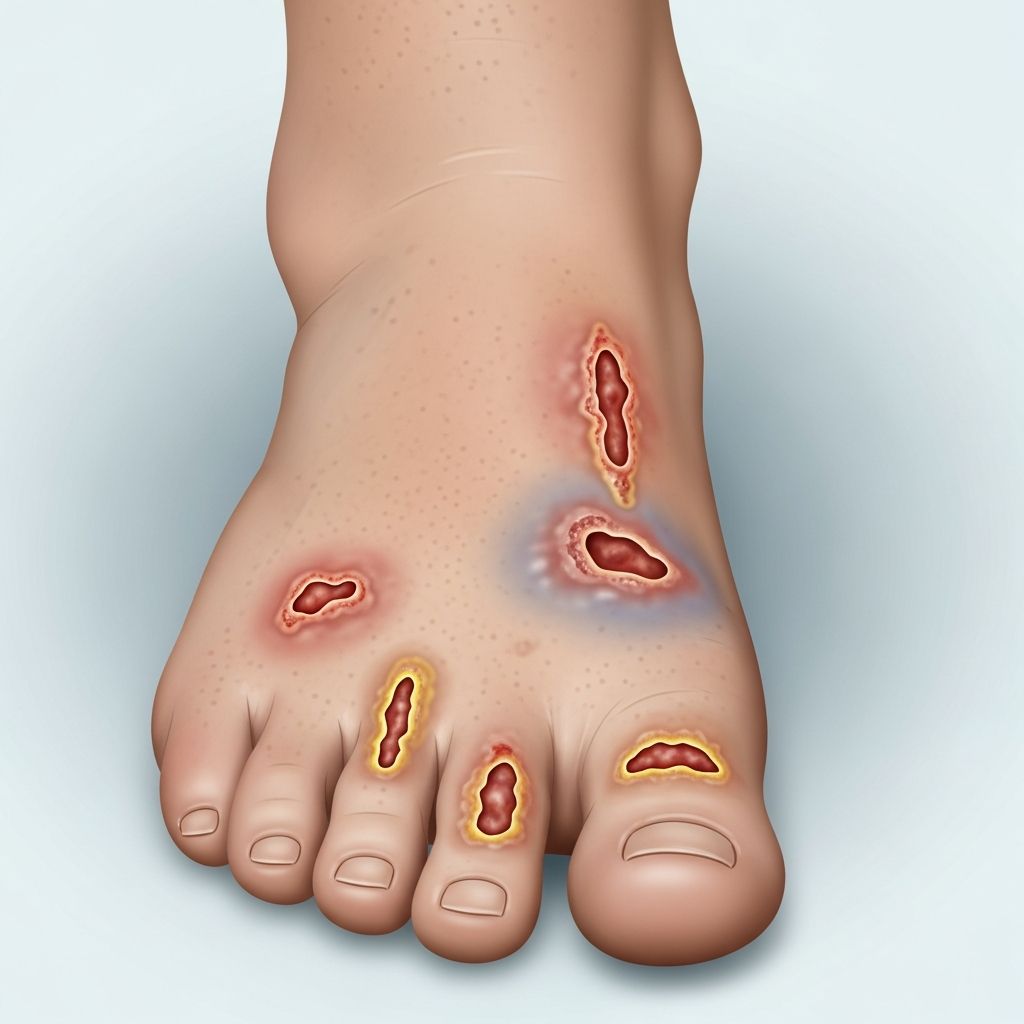
Understanding Foot and Toe Ulcers
Foot and toe ulcers are open sores or wounds that develop on the skin of your feet and toes. These ulcers can be painful, slow to heal, and may become infected if left untreated. For individuals with diabetes who experience neuropathy (nerve damage), the risk of developing these ulcers significantly increases. Understanding the nature of these ulcers, their causes, and available treatment options is essential for preventing serious complications such as infection or amputation.
An ulcer on your foot or toe represents a break in the skin that may extend deeper into the underlying tissues. What makes these ulcers particularly concerning is that they can become infected and sometimes require amputation of the affected foot or toes if complications arise. The healing process for foot and toe ulcers might involve both nonsurgical and surgical treatments, depending on the severity and underlying cause.
Types of Foot and Toe Ulcers
Different types of ulcers develop based on the underlying medical conditions and factors affecting your feet. Recognizing which type of ulcer you have is crucial for determining the appropriate treatment approach. Here are the main types of foot and toe ulcers:
Venous Ulcers
Venous ulcers develop due to problems with blood flow in the veins of your legs. The base of a venous ulcer is typically red and may be covered with yellow fibrous tissue or discharge if infected. These ulcers are characterized by irregularly shaped borders, and the surrounding skin often appears discolored and swollen. The skin may feel warm or hot, and it may appear shiny and tight depending on the amount of edema (swelling). Fluid drainage from venous ulcers can be significant, requiring careful management and monitoring.
Arterial or Ischemic Ulcers
Arterial ulcers result from poor blood circulation in the arteries supplying your feet. The base of an arterial ulcer usually does not bleed and has a yellow, brown, grey, or black color. The borders and surrounding skin typically appear as though they have been “punched out.” If irritation or infection are present, there may or may not be swelling and redness around the ulcer base. A distinctive feature is that redness on the entire foot when the leg is dangled often turns to a pale white or yellow color when the leg is elevated, indicating circulation issues.
Neurotrophic Ulcers
Neurotrophic ulcers develop in people with neuropathy, particularly those with diabetes. These ulcers are notable because they typically do not cause pain, making them potentially dangerous as they may go unnoticed. The base of a neurotrophic ulcer is variable, depending on the patient’s circulation, and may appear pink/red or brown/black. The borders of the ulcer are “punched out,” meaning they’re taller than the surrounding tissues, while the surrounding skin is often calloused. Regular foot inspections are critical for people at risk of neurotrophic ulcers since pain sensation may be absent.
Causes and Risk Factors
Understanding what causes foot and toe ulcers helps in preventing their development. Multiple factors can contribute to ulcer formation, and often several conditions work together to create the right environment for these wounds to develop.
Related Stories



Diabetes and Neuropathy
Diabetes significantly increases the risk of developing foot and toe ulcers, particularly when neuropathy is present. Nerve damage from diabetes results in a loss of foot sensation and changes in the sweat-producing glands, increasing the risk of being unaware of foot calluses, cracks, or injuries. About 15% of people with diabetes will develop a foot or toe ulcer at some point. Neuropathy and peripheral artery disease often occur together in diabetic patients, creating a particularly high-risk situation.
Poor Circulation
Inadequate blood flow to your feet impairs the body’s natural healing process and oxygen delivery to tissues. This can result from arterial disease or venous insufficiency. When circulation is compromised, wounds take longer to heal and are more susceptible to infection. Diabetic individuals with peripheral artery disease face compounded risks of ulcer development and delayed healing.
Pressure and Repetitive Trauma
Ulcers typically develop in areas where your foot repeatedly rubs or presses against shoes. Pressure points, ill-fitting footwear, or biomechanical abnormalities can create the conditions for ulcer formation. People with neuropathy may not feel the irritation or minor injuries that lead to ulcers, allowing damage to accumulate before discovery.
Recognizing Symptoms of Foot and Toe Ulcers
Early detection of foot and toe ulcers is critical for preventing serious complications. Recognizing the early warning signs allows you to seek treatment before the condition worsens. When an ulcer is starting to develop on your foot or toe, you might notice changes in your skin such as:
- Redness or discoloration of the skin
- Swelling in the affected area
- Warmth to the touch
- Skin breakdown or visible sores
- Foul odor emanating from the area
- Slow healing of minor cuts or abrasions
As the ulcer progresses and gets worse, it can get wider, longer, and deeper—sometimes extending down to the bone. In advanced stages, you might observe:
- Deep wounds that expose underlying tissue or bone
- Signs of infection including increased drainage, pus, or discoloration
- Increased pain or swelling in surrounding tissues
- Systemic symptoms such as fever or chills
- Darkening or blackening of tissue indicating tissue death
Classification of Foot Ulcers
Healthcare providers use classification systems to assess the severity and depth of foot ulcers, which helps guide treatment decisions. The Wagner Diabetic Foot Ulcer Grade Classification System, for example, has six grades ranging from superficial skin involvement to complete foot involvement. Understanding the grade or stage of your ulcer helps determine the appropriate treatment approach and expected healing timeline.
Diagnosis of Foot and Toe Ulcers
Your primary healthcare provider can diagnose an ulcer through physical examination and observation. They will assess the type of ulcer by making four key observations about its characteristics, location, appearance, and surrounding tissues. For more complicated cases, your primary care provider might send you to a specialist for treatment, which could include:
- A podiatrist, who specializes in foot care
- A wound specialist with expertise in complex wound management
- A plastic surgeon for advanced reconstructive needs
- An anesthesiologist if surgery is required
- An orthopedic surgeon for bone-related complications
- A vascular surgeon if circulation problems require intervention
A podiatrist can diagnose the severity of the ulcer through a physical exam and may order imaging or laboratory tests to better understand the extent of the condition and guide treatment planning.
Treatment Options for Foot and Toe Ulcers
The goal of treating a foot or toe ulcer is to heal your wound and relieve any pain. Your treatment plan will be individualized based on what medical condition is causing your ulcers. If you cannot correct the cause of your ulcer, it is likely to come back after treatment. There are both surgical and nonsurgical treatments available, depending on the ulcer’s severity and characteristics.
Nonsurgical Treatments
For early-stage foot and toe ulcers, nonsurgical treatments might be effective. These conservative approaches focus on wound care, infection prevention, and addressing the underlying cause:
- Wound care and dressing: Regular cleaning and appropriate dressing changes promote healing and prevent infection. The type of dressing is determined based on the ulcer type and appearance of the ulcer base.
- Debridement: Removal of dead, damaged, or infected tissue helps promote healing and reduce infection risk
- Compression therapy: For venous ulcers, compression of the leg minimizes edema and swelling. Compression treatments include wearing compression stockings, multilayer compression wraps, or wrapping with an ACE bandage from the toes or foot to the area below the knee.
- Infection control: Antibiotics are administered when infection is present or suspected
- Specialized footwear: Properly fitting shoes or orthotic devices reduce pressure and prevent further injury
- Elevation: Keeping your foot elevated helps reduce swelling and improve circulation
- Activity modification: Limiting weight-bearing and pressure on the affected foot allows healing
- Blood sugar management: For diabetic patients, maintaining good glycemic control is essential for wound healing
Surgical and Invasive Treatments
More advanced ulcers—especially ones that are infected or not responding to conservative treatment—might require surgery. Invasive and surgical treatments include:
- Vascular interventions: For arterial ulcers, procedures such as balloon angioplasty, laser angioplasty, or atherectomy may restore circulation to the affected leg
- Bypass surgery: In severe cases of arterial disease, surgical bypass grafts restore blood flow to the feet
- Surgical debridement: More extensive removal of infected or damaged tissue under surgical conditions
- Skin grafting: Transplanting healthy skin to cover the ulcer wound
- Amputation: In cases where the ulcer is severely infected, gangrenous, or beyond salvage, amputation of the affected toe or foot may be necessary
- Bone resection: Removal of bony prominences or metatarsal heads that contribute to pressure and ulcer formation
Specific Treatment Approaches by Ulcer Type
Venous Ulcer Treatment
Venous ulcers are treated with compression of the leg to minimize edema or swelling. The type of compression treatment prescribed is determined by the physician based on the characteristics of the ulcer base and amount of drainage. Elevation of your feet is also recommended to help prevent swelling. Care typically includes frequent follow-up appointments to ensure treatments are working effectively.
Arterial Ulcer Treatment
Arterial ulcer treatments vary depending on the severity of the arterial disease. Non-invasive vascular tests provide diagnostic tools to assess the potential for wound healing. Depending on your condition, your physician may recommend invasive testing, endovascular therapy, or bypass surgery to restore circulation to the affected leg. The goals for arterial ulcer treatment include restoring adequate circulation and promoting wound healing.
Neurotrophic Ulcer Treatment
Treatment for neurotrophic ulcers includes avoiding pressure and weight-bearing on the affected leg. Regular debridement is usually necessary before a neurotrophic ulcer can heal. Frequently, special shoes or orthotic devices must be worn to prevent recurrence and allow the wound to heal properly.
Home Care and Wound Management
Your healthcare provider might teach you how to care for your ulcers at home. Proper home care is essential for successful healing. You might be instructed to:
- Keep the wound clean and dry
- Change dressings as directed by your healthcare provider
- Watch for signs of infection such as increased drainage, odor, or redness
- Avoid putting weight or pressure on the affected foot
- Wear appropriate footwear that does not create pressure points
- Inspect your foot daily for any changes
- Take medications as prescribed
- Keep follow-up appointments with your healthcare provider
Healing Timeline and Expectations
It might take weeks to months for an ulcer to heal with treatment. The exact timeline depends on factors such as the ulcer’s size and depth, your overall health, blood circulation, blood sugar control (if diabetic), and how well you follow your treatment plan. Vascular ulcers can take weeks or even months to heal under normal circumstances. However, if cared for properly—including closely following the treatment plan provided—wounds should heal faster than expected.
Prevention Strategies
There are several things you can do to help reduce your risk of getting foot and toe ulcers. Sometimes, adopting these habits can even stop them from coming back. Try to:
- Inspect your skin and feet regularly: Check your toes and feet every time you shower or when you go to put on your shoes
- Maintain good foot hygiene: Wash your feet daily with warm water and dry them thoroughly
- Keep your skin moisturized: Use appropriate lotions to prevent cracks and dryness
- Wear appropriate footwear: Choose properly fitting shoes that do not create pressure points or rubbing
- Avoid going barefoot: Always wear protective footwear to prevent injuries
- Manage underlying conditions: Keep blood sugar, blood pressure, and cholesterol under control
- Maintain healthy circulation: Exercise regularly and avoid smoking
- Trim nails carefully: Cut toenails straight across to avoid ingrown nails
- Avoid extreme temperatures: Protect your feet from excessive heat or cold
- See a podiatrist regularly: If you have diabetes, regular podiatric care is important for prevention and early detection
When to Seek Medical Attention
Whether you have diabetes or not, you should see a healthcare provider immediately if you find an ulcer on your foot or toe. Left untreated, it could get infected, leading to serious complications like amputations. Contact your healthcare provider right away if you notice:
- Any open sore or wound on your foot or toe
- Signs of infection including increased drainage, pus, odor, or redness
- Increasing pain or swelling
- Discoloration or darkening of tissue
- Fever or chills accompanying a foot ulcer
- Any change in an existing ulcer despite treatment
Key Takeaways
Foot and toe ulcers represent a serious health concern that requires prompt medical attention and ongoing management. Early detection and treatment greatly reduce your risk of complications including infection and amputation. The treatment of all ulcers begins with careful skin and foot care. Inspecting your skin and feet is very important, especially for people with diabetes. Detecting and treating foot and toe sores early can help you prevent infection and keep the sore from getting worse.
Frequently Asked Questions
Q: What is the difference between a foot ulcer and a regular blister?
A: A foot ulcer is a deeper wound that breaks through the skin’s outer layers and can extend to underlying tissues, while a blister is typically a fluid-filled pocket on the surface of the skin. Ulcers are more prone to infection and take longer to heal.
Q: Can foot ulcers heal without medical treatment?
A: While very minor ulcers might eventually heal on their own, most foot and toe ulcers require professional medical treatment to heal properly and prevent complications. Delaying treatment increases infection risk and the likelihood of needing more invasive interventions.
Q: How long does it take for a foot ulcer to heal?
A: Healing timelines vary significantly based on ulcer severity, your overall health, circulation, and how well you follow treatment recommendations. Most ulcers take weeks to months to heal completely with appropriate treatment.
Q: Are diabetics more prone to foot ulcers?
A: Yes, people with diabetes have significantly higher risk of developing foot ulcers, particularly those with neuropathy or poor circulation. About 15% of people with diabetes will develop a foot or toe ulcer at some point in their lives.
Q: What should I do if I notice an ulcer on my foot?
A: Contact your healthcare provider immediately. Do not attempt to treat it yourself, and avoid putting pressure or weight on the affected foot. Keep the area clean and protected until you can see a medical professional.
Q: Can foot ulcers lead to amputation?
A: Yes, if left untreated or if infection develops, foot ulcers can lead to complications requiring amputation. However, early treatment and proper management greatly reduce this risk. This is why seeking prompt medical attention is crucial.
Q: What role does blood sugar control play in ulcer healing?
A: Proper blood sugar control is essential for wound healing in diabetic patients. High blood sugar impairs the immune system’s ability to fight infection and slows the body’s natural healing processes, making ulcers more difficult to treat.
References
- Foot and Toe Ulcers: Treatment, Prevention, Repair & Causes — Cleveland Clinic. 2025. https://my.clevelandclinic.org/health/symptoms/17169-foot-and-toe-ulcers
- Diabetes-Related Foot Conditions: Symptoms & Treatment — Cleveland Clinic. 2025. https://my.clevelandclinic.org/health/diseases/21510-diabetic-feet
- Venous Ulcer: Symptoms, Causes, Treatment & Prevention — Cleveland Clinic. 2025. https://my.clevelandclinic.org/health/diseases/23165-venous-ulcer
- Vascular Ulcer Causes, Symptoms and Treatment — Cleveland Clinic. 2025. https://my.clevelandclinic.org/health/diseases/23357-stasis-ulcer
- Leg and Foot Ulcers — Cleveland Clinic Abu Dhabi. 2025. https://www.clevelandclinicabudhabi.ae/en/health-hub/health-resource/diseases-and-conditions/leg-and-foot-ulcers
Similar Articles








Read full bio of medha deb