Foot Ulcers: Causes, Symptoms, and Treatment
Complete guide to understanding foot ulcers, their causes, symptoms, and effective treatment options.
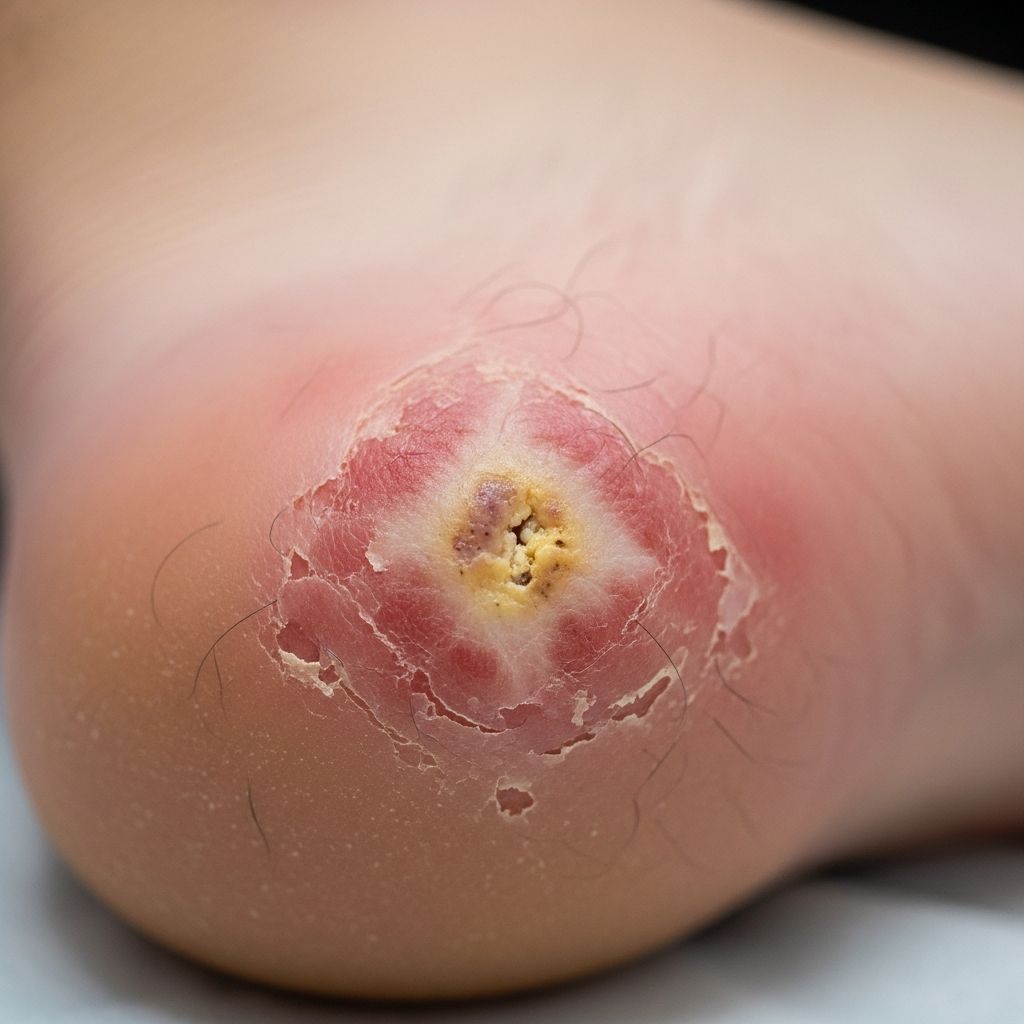
Foot Ulcers: A Complete Guide to Causes, Symptoms, and Treatment
Foot ulcers represent a significant health concern, particularly for individuals with diabetes and circulatory disorders. These open sores on the feet can range from superficial lesions to deep wounds that penetrate multiple tissue layers. Understanding the underlying causes, recognizing early warning signs, and implementing appropriate treatment strategies are essential for preventing serious complications such as infection and amputation.
What Are Foot Ulcers?
A foot ulcer is an open sore or wound that develops on the skin and underlying tissues of the foot. Unlike minor cuts or blisters that typically heal quickly, foot ulcers are chronic wounds that persist for extended periods and may resist standard healing processes. These ulcers most commonly develop on the sole of the foot, particularly on pressure-bearing areas such as the heel, ball of the foot, or the tips of the toes. The severity of foot ulcers can vary dramatically, ranging from surface-level skin damage to deep penetrating wounds that expose bone, tendons, or joints.
Risk Factors and Causes of Foot Ulcers
Foot ulcers develop through the interaction of multiple contributing factors rather than a single cause. Understanding these risk factors is crucial for prevention and early intervention.
Diabetes Mellitus
Diabetes remains the primary risk factor for developing foot ulcers, with lifetime risk exceeding 33% in diabetic populations. The disease contributes to ulcer formation through multiple mechanisms. High blood glucose levels impair the immune system’s ability to fight infection, reduce the body’s capacity to repair damaged tissue, and interfere with normal wound healing processes. Additionally, diabetes often leads to peripheral neuropathy, a condition characterized by nerve damage that results in loss of sensation in the feet. When individuals cannot feel pain, pressure, or temperature changes, they may unknowingly cause injuries through repetitive trauma or minor accidents that go unnoticed and become infected.
Peripheral Vascular Disease
Reduced blood circulation to the feet significantly increases ulcer risk and impairs healing capacity. Peripheral artery disease (PAD) restricts blood flow to the lower extremities, limiting the delivery of oxygen and nutrients necessary for tissue repair. This ischemic condition creates an environment where even minor injuries fail to heal properly and become susceptible to infection. The combination of neuropathy and ischemia creates what clinicians term “neuro-ischemic” ulcers, which present particularly challenging healing obstacles.
Neuropathy and Sensory Loss
Peripheral sensory neuropathy represents one of the critical components in ulcer development, affecting approximately 63% of diabetic foot ulcers. The loss of protective sensation means individuals cannot detect painful stimuli that normally serve as warning signals. This sensory deficit, combined with repetitive trauma and foot deformities, creates an ideal environment for ulcer formation. Clinical assessment uses the 10-gram monofilament test as a standard indicator of protective sensation loss, helping identify patients at highest risk.
Foot Deformities and Pressure Distribution
Structural abnormalities of the foot significantly contribute to ulcer development by creating areas of abnormal pressure concentration. Hammertoes, bunions, high arches, and Charcot foot deformities alter the normal distribution of weight across the plantar surface. These deformities direct excessive pressure onto specific areas, causing tissue breakdown and ulcer formation. Callus formation, often accompanying these deformities, can further increase pressure and lead to tissue necrosis beneath hardened skin.
Additional Contributing Factors
Beyond the critical triad of neuropathy, trauma, and deformity, several other factors increase ulcer risk: edema (swelling) compromises circulation and tissue perfusion, poor hygiene and foot care practices allow minor injuries to progress unchecked, inappropriate footwear creates abnormal pressure patterns, previous foot ulcers significantly increase recurrence risk, and prolonged immobility contributes to tissue breakdown.
Related Stories



Symptoms and Warning Signs
Recognizing early warning signs enables prompt intervention and prevention of serious complications. Common symptoms include:
Drainage and Discharge: Many foot ulcers produce minimal exudative drainage, particularly those with an underlying ischemic component. However, purulent drainage or foul-smelling discharge indicates bacterial infection and requires immediate medical attention. The color and consistency of drainage provide important diagnostic clues about infection severity.
Visible Tissue Damage: Patients may notice areas of redness, darkening of skin color, or visible breaks in the skin surface. Some ulcers appear as depressed areas with a crater-like appearance, while others present as blistered or peeling skin.
Swelling and Warmth: Inflammation surrounding an ulcer indicates the body’s response to tissue damage or infection. Localized warmth and swelling extending beyond the immediate ulcer area suggest cellulitis or deeper infection.
Pain or Numbness: Interestingly, some ulcers cause significant pain while others produce no sensation due to neuropathy. The absence of pain does not indicate a minor injury and should not be reassuring.
Odor: Foul-smelling wounds strongly suggest bacterial infection and require urgent evaluation.
Diagnosis and Evaluation
Thorough evaluation of any foot ulcer is critical and directs appropriate management. Healthcare providers employ multiple assessment techniques to characterize the ulcer and determine the underlying etiology.
Physical Examination and Ulcer Characteristics
The initial assessment documents detailed ulcer characteristics including size (length, width, and depth), appearance (color, texture, and tissue types visible), location, and surrounding skin condition. This description provides a baseline for mapping healing progress during treatment. The physician performs gentle probing with a blunt sterile probe to detect sinus tract formation, undermining of ulcer margins, and dissection into deeper structures such as tendons, bone, or joints. A positive probe-to-bone finding has high predictive value for osteomyelitis (bone infection).
Sensory Testing
Assessment of protective sensation includes the 10-gram monofilament test, which determines whether patients can perceive light touch at the foot. Additional modalities include standard tuning fork testing (128 cycles per second) and neurologic reflex hammer assessment. These tests help distinguish neuropathic from ischemic ulcers.
Vascular Assessment
Evaluation of foot pulses, skin temperature, and color helps determine circulatory status. Doppler ultrasound and other vascular studies may be needed to assess blood flow adequacy and determine whether revascularization might improve healing potential.
Imaging Studies
Plain radiographs should be obtained in most patients with deep or longstanding ulcers to rule out osteomyelitis, though radiographs are not highly sensitive for detecting acute bone infection. Radiographs become increasingly important for ulcers persisting more than two weeks or those with suspected deep tissue involvement. MRI may provide superior soft tissue visualization when osteomyelitis is suspected.
Cultures and Infection Assessment
Aerobic and anaerobic cultures should be obtained when signs of infection are present, including purulence, inflammation, cellulitis, or odor. Cultures are best taken from purulent drainage or curetted material from the ulcer base rather than from surface swabs. The extent of cellulitis (typically defined as extending beyond 2 cm from the ulcer perimeter) helps classify limb-threatening infections.
Classification Systems
Several validated classification systems help assess wound severity and predict healing potential. The University of Texas system uses four grades of ulcer depth (0 to 3) and four stages (A to D) based on ischemia or infection. The WIfI (Wound, Ischemia, and foot Infection) classification provides a more comprehensive assessment, grouping 64 combinations into four clinical stages that correlate with amputation risk. These systems enable clinicians to triage urgency and sequence treatment appropriately.
Treatment Approaches
The primary goal in treating foot ulcers is obtaining wound closure. Management is largely determined by ulcer severity, vascularity, and the presence of infection. A systematic, multidisciplinary approach has demonstrated significant improvements in outcomes, including reduction in amputation incidence.
Wound Debridement
Debridement represents one of the mainstays of standard care, allowing the wound to reset on the path of acute healing. Sharp debridement removes devitalized tissue, the hyperproliferative nonmigratory epidermal edge, and temporarily eliminates biofilm, resulting in improved migratory capacity and better response to growth factors. Although bacterial growth resumes post-debridement, this procedure allows for a more diverse microbiome associated with better healing outcomes.
Pressure Offloading
Reducing pressure on the affected foot is essential for healing. Total contact casting (TCC) is considered the optimal method for neuropathic ulcers, though it requires weekly reapplication and considerable expertise to prevent iatrogenic lesions. Acceptable alternatives include removable walking braces, half-shoes, crutches, or wheelchairs for complete pressure relief. Therapeutic shoes with pressure-relieving insoles are essential elements of ulcer prevention and have been associated with significant reductions in ulcer development.
Infection Management
Underlying osteomyelitis frequently requires aggressive bony resection of infected bone and joints followed by four to six weeks of culture-directed antibiotic therapy. Deep infections with abscess, cellulitis, gangrene, or osteomyelitis warrant hospitalization and prompt surgical drainage. Even without bone infection, foot-sparing reconstructive procedures may be necessary to achieve final healing, particularly in areas subject to extremely high plantar pressures.
Revascularization
For ischemic or neuro-ischemic ulcers, assessment of revascularization potential is crucial. Endovascular intervention or surgical bypass may dramatically improve healing capacity by restoring adequate blood flow to the foot.
Wound Care and Monitoring
Regular assessment of wound healing progression is important, as the percent change in foot ulcer area after four weeks of observation is a robust predictor of healing at twelve weeks. This early assessment helps identify ulcers unlikely to heal with conservative measures and may prompt escalation to more aggressive interventions.
Prevention Strategies
Preventing foot ulcers through appropriate self-care and professional monitoring is far more effective than treating established ulcers. Regular foot-care examinations, including debridement of calluses and ingrown toenails, provide opportunities to reinforce self-care behaviors and allow early detection of new or impending problems. Daily foot inspection, proper footwear selection, meticulous hygiene, regular podiatric care, and tight blood glucose control significantly reduce ulcer development risk.
When to Seek Medical Attention
Immediate medical evaluation is warranted for any open sore on the foot, particularly if accompanied by signs of infection such as increased warmth, swelling, redness, drainage, or odor. Individuals with diabetes should seek urgent care for any foot injury, even seemingly minor wounds, as complications can develop rapidly. Persistent pain, discoloration changes, or failure of minor injuries to heal within a few days warrant professional assessment.
Frequently Asked Questions About Foot Ulcers
Q: How long does it take for a foot ulcer to heal?
A: Healing time varies dramatically depending on ulcer severity, location, underlying circulation, and infection status. Superficial ulcers may heal within weeks with appropriate care, while deep ulcers or those with circulation problems may require months or longer. Regular assessment at four weeks helps predict healing trajectory at twelve weeks.
Q: Can foot ulcers be prevented in people with diabetes?
A: Yes, many foot ulcers are preventable through proper foot care, regular professional examinations, appropriate footwear, blood glucose control, and early intervention when problems are detected. Approximately 85% of diabetes-related amputations are preceded by foot ulcers, but with early, high-quality care, many ulcers can heal successfully.
Q: What is the connection between foot ulcers and amputation?
A: Foot ulcers are the leading cause of lower-extremity amputation in people with diabetes. However, amputation is not inevitable. Proper treatment, including infection management, revascularization when needed, and aggressive wound care, can preserve limbs in many cases.
Q: Should I apply home remedies to my foot ulcer?
A: No. Foot ulcers require professional medical evaluation and treatment. Home remedies may delay appropriate care, allow infections to progress, and increase amputation risk. Always seek professional medical attention for foot ulcers.
Q: How often should people with diabetes check their feet?
A: Individuals with diabetes should inspect their feet daily, looking for any signs of redness, swelling, cuts, blisters, or changes in skin color or temperature. Professional foot examinations should occur at least annually, or more frequently if risk factors are present.
Q: What role does infection play in foot ulcer healing?
A: While infection is rarely the primary cause of ulcer formation, infected ulcers are significantly more difficult to heal and pose serious risks including sepsis and amputation. Prompt identification and treatment of infections using appropriate antibiotics and surgical drainage when necessary are critical for successful outcomes.
References
- Diabetic Foot Ulcers: Pathogenesis and Management — American Academy of Family Physicians. 2002-11-01. https://www.aafp.org/pubs/afp/issues/2002/1101/p1655.html
- Percent Change in Wound Area of Diabetic Foot Ulcers Over a 4-Week Observation Period — American Diabetes Association. 2003-06-01. https://diabetesjournals.org/care/article-abstract/26/6/1879/26496
- Current Status and Principles for the Treatment and Prevention of Diabetic Foot Ulcers — American Heart Association. 2023-01-01. https://www.ahajournals.org/doi/10.1161/CIR.0000000000001192
- Foot Ulcer — PubMed Central, National Institutes of Health. 2020-06-15. https://pubmed.ncbi.nlm.nih.gov/32491710/
Similar Articles








Read full bio of Sneha Tete