Fordyce Spots: Causes, Symptoms, and Treatment
Complete guide to understanding Fordyce spots: what they are, why they appear, and treatment options available.
What Are Fordyce Spots?
Fordyce spots, also known as Fordyce granules or sebaceous prominence, are small, raised bumps that appear on the skin in various locations across the body. These spots are actually enlarged oil glands, medically referred to as ectopic sebaceous glands, which are a completely normal and harmless part of human skin variation. The condition was first formally described by American dermatologist Dr. John Addison Fordyce in 1896, and the characteristic bumps now bear his name.
Fordyce spots are benign and non-cancerous, presenting no health risks whatsoever. They are remarkably common, affecting between 70 to 80 percent of adults worldwide, making them one of the most prevalent skin conditions that people encounter. Despite their prevalence, many individuals remain unaware of what these spots are or whether they should be concerned about their presence.
Appearance and Location of Fordyce Spots
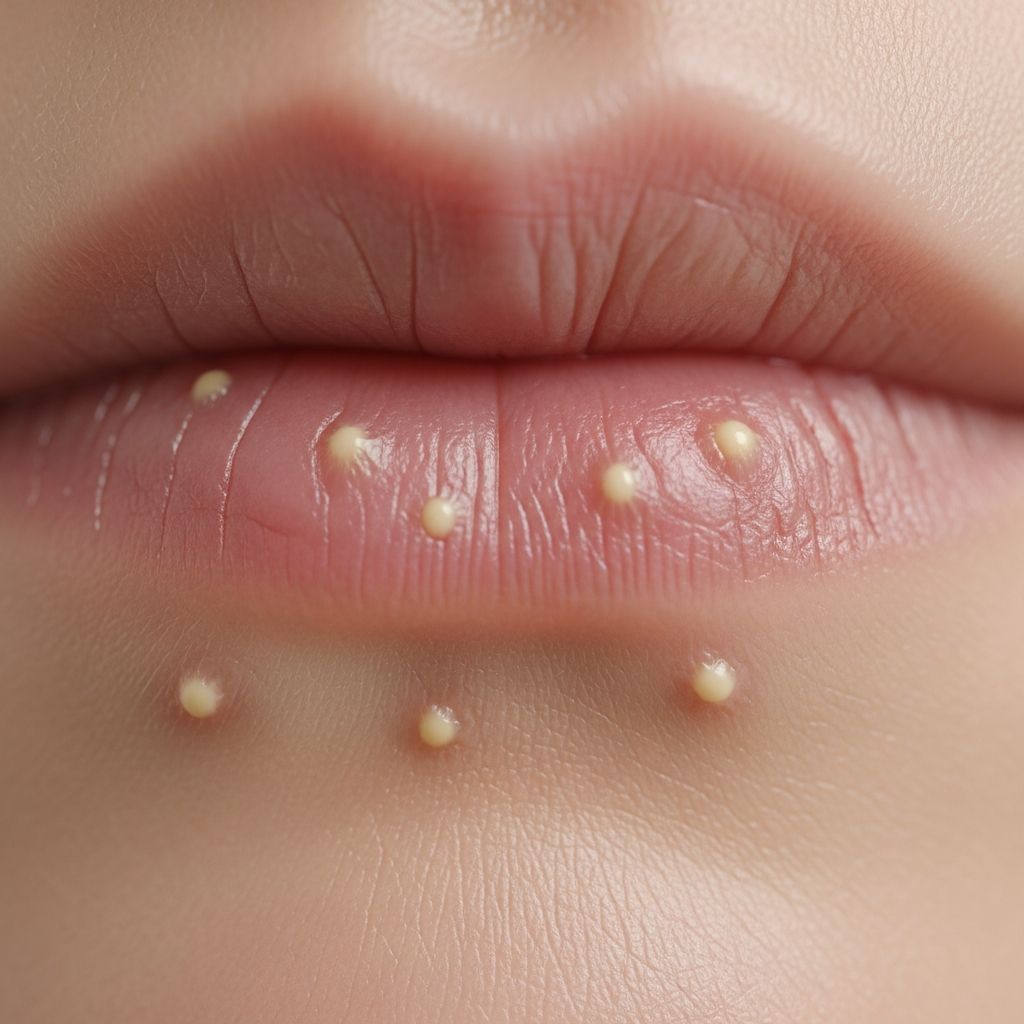
Fordyce spots typically present as small, pale or yellowish raised bumps, roughly the size of a grain of rice. These spots generally range from 1 to 3 millimeters in diameter and can appear as individual marks, small groups, or even clusters containing 50 or more spots clustered together.
The most common locations where Fordyce spots appear include:
- The edges of the lips (vermilion border)
- Inside of the cheeks (buccal mucosa)
- The shaft of the penis or glans penis
- The labia minor in females
- The scrotum
While Fordyce spots most commonly appear on the lips and genital areas, they can occasionally develop on other areas of the body. The appearance of these spots in genital regions sometimes causes concern among individuals who mistake them for sexually transmitted infections or other serious conditions, but this is a common misconception.
Understanding the Causes of Fordyce Spots
Fordyce spots develop due to naturally occurring sebaceous glands becoming more visible and enlarged on the skin. These oil glands exist to help moisturize and protect the skin, but when they become enlarged or more prominent, they create the characteristic appearance of Fordyce spots.
The underlying causes of Fordyce spot development include:
- Genetic predisposition: These glands are present at birth, but their visibility increases during and after puberty when hormonal changes trigger enlargement
- Hormonal changes: The enlargement of sebaceous glands occurs in response to gonadal and adrenal androgenic hormones, which explains why they become more noticeable during teenage years and beyond
- Natural skin variation: Fordyce spots represent a normal variation in skin composition and are not caused by poor hygiene, diet, or lifestyle choices
It is important to understand that Fordyce spots are not caused by infections, bacterial growth, poor hygiene practices, or any external factors. They are simply a natural consequence of how sebaceous glands are distributed across different individuals’ skin.
Related Stories



Symptoms and When to Seek Medical Attention
One of the defining characteristics of Fordyce spots is that they are completely painless and asymptomatic. Most individuals experience no physical discomfort, itching, or irritation associated with these spots. The primary concern for most people is cosmetic rather than medical.
Key symptoms and characteristics include:
- Small, raised, pale or yellowish bumps on the lips, cheeks, or genital area
- No pain, itching, or burning sensation
- No discharge or fluid accumulation
- Spots that may be more noticeable after puberty
- Potential concern or embarrassment due to appearance
While Fordyce spots require no medical treatment from a health perspective, you may wish to consult with a dermatologist or healthcare provider if you have concerns about their appearance or if you are uncertain about whether bumps on your skin are indeed Fordyce spots rather than another condition. A healthcare professional can provide accurate diagnosis and discuss available treatment options if desired.
Common Misconceptions About Fordyce Spots
Fordyce spots are surrounded by several widespread myths and misconceptions that often cause unnecessary anxiety and embarrassment. Understanding the facts can help dispel these concerns.
Myth 1: Fordyce Spots Are Sexually Transmitted Infections
One of the most pervasive misconceptions is that Fordyce spots, particularly when they appear in the genital region, indicate a sexually transmitted infection (STI). This is categorically false. Fordyce spots are not contagious and cannot be transmitted through sexual contact, kissing, or any other form of contact. They are not caused by any pathogenic organism or infection and pose no risk to sexual partners.
Genital herpes, by contrast, is an actual STI caused by the herpes simplex virus that produces painful blisters and can be transmitted through various forms of sexual contact. Fordyce spots bear no resemblance to herpes symptoms and should not be confused with this condition.
Myth 2: Poor Hygiene Causes Fordyce Spots
Another common misconception is that Fordyce spots develop as a result of poor personal hygiene or inadequate skin care practices. This is entirely inaccurate. These spots are not caused by dirt, accumulated oil, bacteria, or any cleanliness-related factors. They develop as a natural result of sebaceous gland distribution and enlargement, completely independent of hygiene practices.
Myth 3: Squeezing Fordyce Spots Will Remove Them
Some individuals attempt to remove Fordyce spots by squeezing them, believing this will eliminate the bumps. While squeezing may release a small amount of sebum (the oily lubricant produced by sebaceous glands), this action will not permanently remove the spots and may cause irritation or inflammation instead. Attempting to manually extract Fordyce spots is not recommended and can potentially damage the skin.
Diagnosis of Fordyce Spots
Diagnosing Fordyce spots typically involves a straightforward clinical examination by a dermatologist or healthcare provider. Because of their characteristic appearance and location, diagnosis is usually made through visual inspection alone. In most cases, no additional testing or procedures are necessary.
A healthcare professional may:
- Examine the spots visually to assess their appearance, size, and location
- Review your medical history and family history for patterns
- Discuss any concerns or symptoms you may be experiencing
- Rule out other potential skin conditions or infections if necessary
- Provide reassurance about the benign nature of the condition
Interesting research has emerged suggesting that the presence of Fordyce spots in the mouth may serve as a marker for identifying families with a higher risk of developing inherited forms of colorectal cancer, though more research is needed to fully understand this connection.
Treatment Options for Fordyce Spots
Since Fordyce spots pose no health risk and are completely harmless, treatment is entirely optional and pursued primarily for cosmetic reasons. However, several treatment options are available for individuals who wish to reduce the appearance of these spots.
Medical and Procedural Treatments
- Laser therapy: Various laser treatments can effectively reduce the appearance of Fordyce spots with minimal scarring and good cosmetic results
- Cryotherapy: This freezing treatment can shrink or eliminate spots with good recovery outcomes
- Electrocautery: This procedure uses electrical current to remove spots and has demonstrated satisfactory functional and cosmetic results with low recurrence rates
- Chemical peels: Specialized chemical treatments may help minimize the appearance of spots
- Topical retinoids: Prescription creams containing retinoids may help improve skin texture and reduce visibility
Lifestyle and Dietary Approaches
While no dietary intervention can eliminate Fordyce spots entirely, supporting overall skin health through proper nutrition may help maintain skin quality:
- Vitamin C: Abundant in citrus fruits, strawberries, and bell peppers, this vitamin protects skin and supports collagen production
- Vitamin E: Found in nuts, seeds, and leafy greens, vitamin E acts as an antioxidant to protect skin from damage
- Omega-3 Fatty Acids: These healthy fats, present in salmon, walnuts, and flaxseeds, help maintain skin moisture and reduce inflammation
Distinguishing Fordyce Spots From Other Skin Conditions
Because Fordyce spots can sometimes be confused with other skin conditions, understanding the differences is helpful for accurate identification.
| Condition | Location | Appearance | Cause |
|---|---|---|---|
| Fordyce Spots | Lips, cheeks, genital area | Pale yellow bumps, 1-3mm | Enlarged sebaceous glands |
| Sebaceous Hyperplasia | Forehead, cheeks | Small raised bumps | Enlarged sebaceous glands |
| Genital Herpes | Genitals, mouth | Painful blisters | Herpes simplex virus |
| Whiteheads | Various body areas | White or flesh-colored bumps | Clogged pores |
The primary distinction between Fordyce spots and sebaceous hyperplasia is location: Fordyce spots appear on mucous membranes like the lips or inner cheeks, while sebaceous hyperplasia typically appears on the forehead or cheeks.
Frequently Asked Questions
Q: Are Fordyce spots permanent?
A: Yes, Fordyce spots are permanent and will not disappear on their own. However, medical treatments such as laser therapy, cryotherapy, and electrocautery can reduce their appearance. Some individuals may experience recurrence after treatment, though studies show low recurrence rates ranging from 12 to 84 months of observation.
Q: Can I catch Fordyce spots from someone else?
A: No, Fordyce spots are not contagious and cannot be transmitted through any form of contact, including sexual contact, kissing, or skin-to-skin contact. They are not caused by infectious agents and pose no risk to other people.
Q: Should I be concerned if I have Fordyce spots?
A: Fordyce spots are benign and pose no health risks whatsoever. They do not cause pain, infection, or any medical complications. The only concern is cosmetic, and treatment is entirely optional.
Q: At what age do Fordyce spots typically appear?
A: While the sebaceous glands are present at birth, Fordyce spots become noticeably enlarged and visible during or after puberty when hormonal changes occur. This is why they are rarely noticeable in children.
Q: Do all adults have Fordyce spots?
A: No, while Fordyce spots are very common, affecting 70 to 80 percent of adults, not everyone develops visibly noticeable spots. The extent to which they become apparent varies significantly among individuals based on genetic factors and hormonal influences.
Q: Will treatments for Fordyce spots leave scars?
A: Most modern treatments such as laser therapy can effectively reduce the appearance of Fordyce spots with minimal scarring. The specific outcome depends on the treatment method chosen and individual healing responses. Consulting with a dermatologist can help determine which treatment option offers the best results with minimal scarring risk.
Key Takeaways
Fordyce spots are harmless, benign bumps caused by enlarged sebaceous glands appearing in visible locations on the body, most commonly on the lips and genital areas. They affect a significant percentage of the adult population and represent a completely normal variation in skin composition. These spots are not contagious, not caused by poor hygiene, and not indicative of any disease or infection. While they require no medical treatment from a health standpoint, various cosmetic treatments are available for individuals who wish to reduce their appearance. If you have concerns about spots on your skin or questions about whether they are Fordyce spots, consulting with a healthcare provider or dermatologist can provide accurate diagnosis and personalized treatment recommendations.
References
- Fordyce Spots: Identification, Treatment, and More — Healthline. April 14, 2023. https://www.healthline.com/health/fordyce-spots
- Fordyce Spots: Symptoms, Causes, Treatment & On Lips — Cleveland Clinic. September 7, 2022. https://my.clevelandclinic.org/health/diseases/24140-fordyce-spots
- Fordyce Spots Explained: Symptoms and Solutions — Rupa Health. https://www.rupahealth.com/post/fordyce-spots-explained-symptoms-and-solutions
- Fordyce Spots: Treatments, Risk Factors, and Symptoms — Medical News Today. https://www.medicalnewstoday.com/articles/256918
- Clinicopathologic Manifestations of Patients with Fordyce’s Spots — National Institutes of Health. February 2012. https://pmc.ncbi.nlm.nih.gov/articles/PMC3283840/
- Fordyce Spots | JAMA Dermatology — JAMA Network. https://jamanetwork.com/journals/jamadermatology/fullarticle/534610
- Fordyce Spots | Consultant360 — Consultant360. https://www.consultant360.com/articles/fordyce-spots
Similar Articles








Read full bio of Sneha Tete