Fordyce Spots: Symptoms, Causes, Treatment & On Lips
Understanding Fordyce spots: benign skin condition affecting lips and genitals with multiple treatment options available.
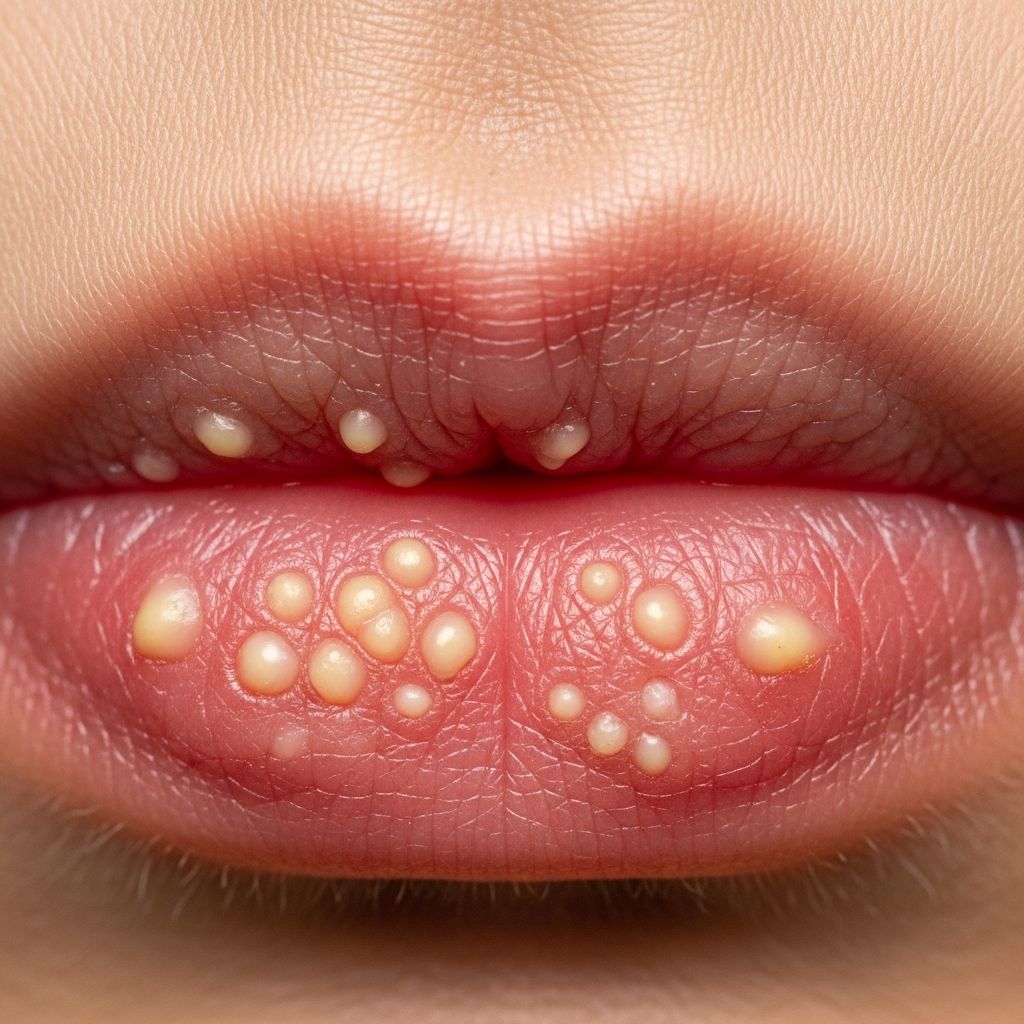
What Are Fordyce Spots?
Fordyce spots, also known as Fordyce granules, are enlarged sebaceous (oil) glands that appear in hairless areas of your skin. These are natural skin structures that become more noticeable during or after puberty. Unlike regular sebaceous glands that release oil into hair follicles, Fordyce spots open directly onto the skin’s surface. They are benign skin growths, meaning they are not cancerous and pose no health risk to your body.
Fordyce spots are exceptionally common among adults, with studies showing that 70% to 80% of the adult population have Fordyce spots somewhere on their body. Despite their prevalence, many people are unaware they have them or may become concerned when they first notice these bumps. The condition typically becomes more visible during puberty due to hormonal changes that affect oil gland activity.
Where Do Fordyce Spots Appear?
Fordyce spots most commonly appear in specific locations on the body where there are no hair follicles. The most frequent areas include:
- Around the edges of your lips (vermillion border)
- Inside of your cheeks (buccal mucosa)
- Around your genital area, including the shaft of the penis, penile head, foreskin, or labia
While these three locations account for the majority of Fordyce spot appearances, they can occasionally develop in other hairless areas of the body. The spots are easier to see if you gently stretch out the surrounding skin, which can help you identify them more clearly.
How Do Fordyce Spots Look?
Fordyce spots have a distinctive appearance that makes them relatively easy to identify. They typically present as white, yellow, pale red, or skin-colored bumps that are small in size, usually ranging from 1 to 3 millimeters in diameter—roughly the size of a grain of rice or sesame seed.
These spots may appear in different configurations. Some people have a single isolated Fordyce spot, while others may notice small groups of spots scattered across an area. In some cases, individuals can develop clusters containing 50 or more spots grouped together. The appearance and distribution can vary significantly between individuals, but the characteristic raised bumps remain consistent.
Causes of Fordyce Spots
The exact cause of Fordyce spots is not completely understood, but they are considered a normal anatomical variation rather than a disease or infection. These spots represent ectopic sebaceous glands—meaning sebaceous glands in locations where they would not typically be expected to appear. Fordyce spots become more noticeable during or after puberty, likely due to hormonal changes that affect sebaceous gland activity and skin changes during this developmental period.
It is important to understand that Fordyce spots are not caused by poor hygiene, sexual activity, or any infectious agent. They are not contagious and cannot be transmitted to other people through any form of contact. They simply represent a natural variation in skin anatomy that many people experience.
Related Stories



Diagnosis of Fordyce Spots
Fordyce spots are generally easy to recognize based on their appearance alone. In most cases, you do not necessarily need a healthcare professional to diagnose them if you are familiar with their characteristics. However, it is important to seek professional evaluation if you notice spots or bumps in your genital area, as a healthcare provider or dermatologist should examine them to rule out sexually transmitted diseases or infections.
A dermatologist can easily identify Fordyce spots through visual examination without requiring additional diagnostic tests. During your visit, your healthcare provider will examine the affected areas and may ask about your medical history. They can distinguish Fordyce spots from other skin conditions based on their size, location, and the absence of symptoms such as pain or inflammation.
If your spots are accompanied by pain, redness, blisters, or open sores, additional testing may be necessary to rule out conditions such as herpes simplex virus, which may require laboratory tests or blood work for definitive diagnosis.
Treatment and Management Options
Though Fordyce spots are common, benign, and often disappear over time without intervention, many people choose to pursue treatment for cosmetic reasons. If you decide to address the appearance of Fordyce spots, several medical and non-medical options are available.
Topical Treatments
Topical treatments represent a non-invasive approach to reducing the appearance of Fordyce spots. Products containing retinoids can help improve skin turnover and gradually reduce the visibility of these bumps. These treatments are generally considered safe when used under the guidance of a healthcare professional and may require several weeks of consistent application to see noticeable results.
Minimally Invasive Procedures
Several minimally invasive procedures can effectively remove or reduce Fordyce spots. These procedures are typically quick with minimal recovery time, though you should discuss potential risks and benefits with your healthcare provider before proceeding:
- Laser Therapy: Advanced laser technology, such as pulsed dye or CO2 lasers, can be used to target and shrink or remove Fordyce spots. This approach is particularly effective for spots on the lips or genital areas. Potential risks include temporary redness, irritation, or in rare cases, scarring or skin discoloration.
- Cryotherapy: This freezing treatment uses extreme cold to destroy the spots. You may experience mild pain for a few days following the procedure.
- Electrodessication: A special electric needle is used to burn away the spots. The treated area typically takes a few days to heal.
- Micro-punch Surgery: Your doctor uses a pen-like instrument to create small holes in your skin and remove tissue containing the spots. The healing process for this procedure can take up to a month.
Laser Skin Resurfacing
Laser skin resurfacing is one of the most effective medical options available for treating Fordyce spots. This approach uses targeted laser technology to remove the spots. However, it is important to be aware of potential risks, including scarring and discoloration of the treated skin area. Your dermatologist can help determine if this option is appropriate for your specific situation.
Do Fordyce Spots Require Treatment?
Fordyce spots do not require medical treatment from a health perspective. They pose no risk to your physical health, are not contagious, and typically remain stable or may gradually diminish over time. However, if the appearance of Fordyce spots causes you concern or affects your self-confidence, various treatment options are available to address your cosmetic concerns.
The decision to treat Fordyce spots should be made in consultation with your healthcare provider. Together, you can discuss your concerns, evaluate available treatment options, and determine the best approach for your individual situation. Even if you choose not to pursue treatment, maintaining good skin care practices and monitoring any changes to your skin remains important.
When to See a Healthcare Provider
While Fordyce spots are generally harmless, you should contact your healthcare provider in certain situations:
- If you develop Fordyce spots in your genital area and want confirmation that they are not a sexually transmitted disease or infection
- If you notice spots or bumps on your genitals and are uncertain about their nature
- If your spots are accompanied by pain, redness, blisters, or open sores
- If you have any skin-related questions or concerns about changes to your skin
- If you are interested in treatment options to reduce the appearance of your Fordyce spots
Even if you are concerned for cosmetic reasons only, you should not hesitate to contact your healthcare provider. You know your body best, but your healthcare provider can properly diagnose any signs or symptoms and offer the most appropriate treatment options based on your individual needs.
Frequently Asked Questions
Q: Are Fordyce spots contagious?
A: No, Fordyce spots are not contagious. They cannot be transmitted to other people through any form of contact, including sexual contact. They are a normal anatomical variation and not caused by infection.
Q: Can Fordyce spots disappear on their own?
A: Yes, Fordyce spots often diminish or disappear over time without treatment. However, some may persist indefinitely. If their appearance bothers you, various treatment options are available.
Q: Are Fordyce spots cancerous?
A: No, Fordyce spots are benign and are not cancerous. They pose no risk of developing into cancer and do not indicate any underlying health condition.
Q: Can I treat Fordyce spots at home?
A: While topical treatments containing retinoids may help reduce their appearance, most effective treatments require professional medical intervention. Harsh scrubbing or inappropriate home treatments can cause irritation or scarring, so consulting a dermatologist is recommended.
Q: How much do Fordyce spot treatments cost?
A: Treatment costs vary depending on the procedure chosen and your location. Since Fordyce spots are cosmetic concerns rather than medical conditions, insurance typically does not cover treatment. Discuss costs with your dermatologist before proceeding.
Q: Will Fordyce spots return after treatment?
A: Most treatments effectively remove or significantly reduce Fordyce spots, though in some cases they may reappear. Your dermatologist can discuss the likelihood of recurrence for your specific treatment option.
Key Takeaways
Fordyce spots are harmless, common enlarged sebaceous glands that typically appear on the lips, inside the cheeks, or in the genital area. Affecting 70% to 80% of adults, they are a normal anatomical variation with no health implications. While they do not require medical treatment, various cosmetic options including topical treatments, laser therapy, cryotherapy, and micro-punch surgery are available for those who wish to reduce their appearance. If you have concerns about Fordyce spots or your skin in general, consulting with a healthcare provider can help address your questions and determine the most appropriate course of action for your individual needs.
References
- Fordyce Spots: Symptoms, Causes, Treatment & On Lips — Cleveland Clinic. Last reviewed 2022-09-07. https://my.clevelandclinic.org/health/diseases/24140-fordyce-spots
- Asymptomatic granules on the buccal mucosa — Cleveland Clinic Journal of Medicine, 2022. https://www.ccjm.org/content/89/12/676
- Fordyce Spots: Causes, Symptoms, Treatments — WebMD. https://www.webmd.com/skin-problems-and-treatments/what-to-know-about-fordyce-spots-on-your-foreskin
- The Causes of Fordyce Spots and How They Differ From Other Skin Conditions — Rupa Health. https://www.rupahealth.com/post/the-causes-of-fordyce-spots-and-how-they-differ-from-other-skin-conditions
Similar Articles








Read full bio of Sneha Tete