Forensic Dermatology: Guide To Skin Evidence In Investigations
Exploring the vital role of skin, hair, and nail analysis in forensic investigations and criminal justice.
Forensic dermatology is a specialized field that applies dermatological knowledge to medicolegal investigations, focusing on the examination of skin, hair, nails, and mucous membranes to determine causes or mechanisms of injury, death, or identification.
What is forensic dermatology?
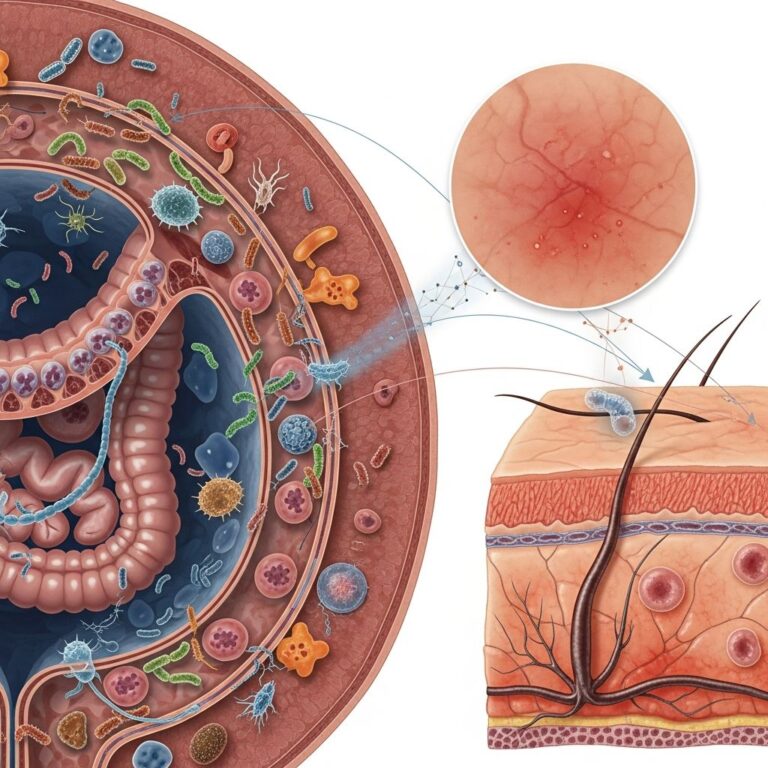
Forensic dermatology refers to the systematic evaluation of dermatological evidence in legal contexts. Dermatologists leverage their expertise in skin pathology, histology, and clinical manifestations to assist forensic pathologists, medical examiners, and law enforcement. This subspecialty encompasses assessments of both decedents and living victims, addressing issues such as trauma differentiation, toxic exposures, and body identification.
Traditionally rooted in postmortem examinations, forensic dermatology has expanded to include evaluations of live individuals affected by abuse, torture, human trafficking, assault, neglect, and deprivation. Dermatologists are uniquely positioned to distinguish drug reactions mimicking traumatic injuries, identify systemic diseases via cutaneous signs, and analyze appendages like hair and nails for poisoning evidence.
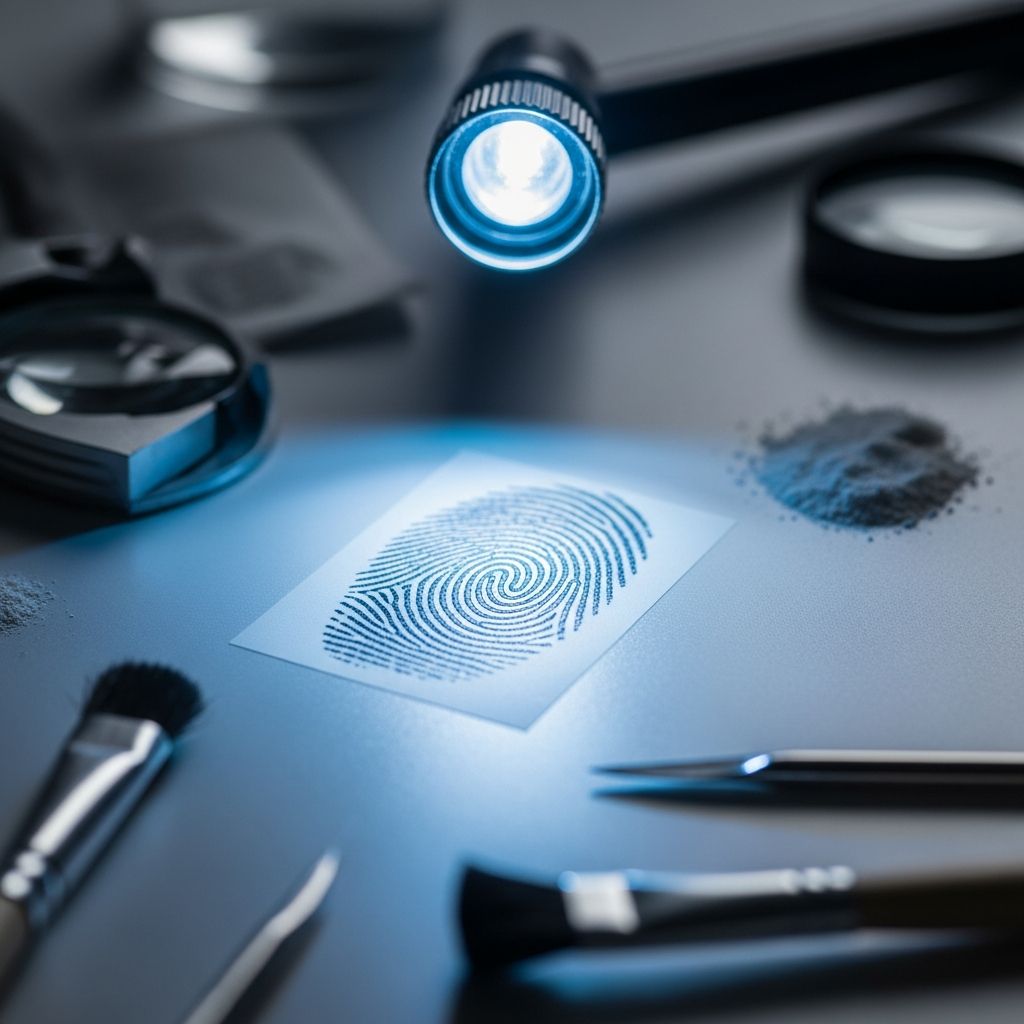
The field integrates ridgeology—the study of digital friction ridges or fingerprints—for body or perpetrator identification. As awareness grows, demand for forensic dermatologists rises, particularly in crime scene investigations where skin findings can elucidate cause, manner, or mechanism of death.
Introduction
Forensic medicine, also known as legal medicine, investigates death and injury in criminal and civil contexts. Dermatology’s intersection with this discipline forms forensic dermatology, a burgeoning subspecialty essential for accurate medicolegal conclusions. Skin, the body’s largest organ, records a lifetime of exposures, injuries, and diseases, making it a critical evidentiary source.
Key pillars of forensic dermatology include education, documentation, and collaboration. Current dermatology curricula often lack forensic training, limiting clinical integration. Initiatives to incorporate forensic principles aim to equip dermatologists for consultations at crime scenes or autopsies.
Dermatologists examine skin for primary malignancies, cutaneous metastases, lymphoproliferative disorders like leukemia cutis, and infections that may contribute to death. They also assess lividity (postmortem hypostasis) for body position and time since death estimates, and tattoos for victim identification—such as unique mastectomy tattoos or multiple concordant antemortem-postmortem matches.
Post-mortem skin changes
Postmortem skin alterations provide vital clues about the time, position, and circumstances of death. Dermatologists interpret these changes to support forensic pathology findings.
- Livor mortis (postmortem lividity): Gravitational settling of blood produces purplish-red discoloration, fixed after 8-12 hours. Distribution reveals supine vs. prone positioning; contact pallor shows pressure points. Color variations (e.g., cherry-red from carbon monoxide) indicate toxins.
- Algor mortis: Body cooling affects skin temperature, aiding time-of-death estimation.
- Rigor mortis: Muscle stiffening impacts skin tension and wound gaping.
- Skin slippage (desquamation): Epidermal detachment post-24 hours, mimicking burns or trauma.
- Tache noire: Bilateral scleral/ocular conjunctival darkening from dehydration.
- Marbling: Subcutaneous gas forms venous tree-like patterns in decomposition.
Forensic onychology evaluates nail changes like Mees’ lines or Beau’s lines for heavy metal poisoning (e.g., arsenic, thallium), correlating with systemic demise. Hair analysis detects chronic toxin incorporation.
Related Stories



Patterns of injury in forensic dermatology
Injuries exhibit site-specific patterns due to biomechanics and weapon dynamics. Forensic dermatologists classify lesions to infer assault mechanisms, timings, and defenses.
| Injury Type | Characteristics | Forensic Significance |
|---|---|---|
| Abrasion | Skin scraping; parallel lines from dragging | Indicates direction of force; antemortem (red, scabbed) vs. postmortem (parchment-like) |
| Contusion (bruise) | Blunt force hemorrhage; butterfly pattern on eyelids | Age via color evolution (red-purple to yellow-green); deeper in lips/eyelids |
| Laceration | Tissue split; irregular, bridged | Distinguish from incision; everted edges in gaping wounds |
| Incised wound | Clean, linear; depth matches blade | Self-inflicted (palmar) vs. assault (back) |
| Stab wound | Punched-out; hilt abrasion | Depth > width suggests penetration |
| Chopping | Deep, bone-exposed; flap formation | Heavy weapons like axes |
| Gunshot | Entry (abrasion collar) vs. exit (everted) | Range via soot/tattooing |
Defensive wounds on hands/arms indicate resistance. Hesitation marks (superficial neck cuts) suggest suicide. Pattern analysis differentiates accidental from inflicted injuries.
Patterns of injury in dermatology
Dermatological conditions can simulate trauma, complicating investigations. Forensic dermatologists differentiate to prevent misattribution.
- Drug reactions: Erythema multiforme, Stevens-Johnson syndrome mimic burns/bullae from abuse.
- Benign lesions: Melanocytic nevi, seborrheic keratoses resemble contusions/abrasions.
- Infections: Herpes zoster (shingles) patterns vs. whip marks; cellulitis vs. early necrosis.
- Autoimmune: Vasculitis purpura vs. ligature marks.
- Neoplastic: Skin lymphomas/leukemia cutis as perimortem findings.
Histology, swabs (PCR/cultures), and biopsies confirm etiologies. For skin of color, specialized colorimetric scales aid lividity and bruise assessment.
Role of the dermatologist in forensic cases
Dermatologists contribute via comprehensive exams at autopsies or scenes: photographing lesions, biopsying suspicious areas, culturing for pathogens. They author expert analytical reports detailing observations, differentials, and conclusions on injury timing, cause, and relevance to death.
Illustrative case: A decedent with upper extremity vesicles undergoes biopsy/swabbing, revealing viral etiology over trauma, altering manner-of-death ruling.
In living victims, exams document torture (cigarette burns, falanga), trafficking scars, or child abuse (loop marks). Collaboration with pathologists enhances accuracy.
Frequently Asked Questions (FAQs)
Q: What distinguishes forensic dermatology from general dermatology?
A: Forensic dermatology applies skin expertise to legal investigations, focusing on medicolegal implications like injury causation and identification, unlike routine clinical care.
Q: Can skin changes determine time since death?
A: Yes, livor mortis fixation, skin slippage, and decomposition signs like marbling provide timelines when interpreted by experts.
Q: How do forensic dermatologists identify heavy metal poisoning?
A: Nail (Mees’ lines) and hair analysis reveal chronic exposure patterns correlating with systemic toxicity.
Q: Are tattoos useful in victim identification?
A: Absolutely; unique or multiple concordant tattoos matched to antemortem records confirm identity.
Q: Why involve dermatologists in autopsies?
A: They differentiate disease/drug effects from trauma, crucial for accurate cause/manner of death determinations.
Challenges and future directions
Barriers include limited training and underutilization. Future growth demands curriculum integration, research on skin-of-color forensics, and standardized reporting. Dermatologists must embrace this role to advance justice.
References
- Worldwide Forensic Dermatology — Nirmal B, et al. PMC. 2024. https://pmc.ncbi.nlm.nih.gov/articles/PMC12182911/
- Forensic Dermatology Is an Integral Subspecialty of Forensic Medicine — Shama SA. PMC. 2024. https://pmc.ncbi.nlm.nih.gov/articles/PMC12441992/
- Forensic Dermatology Expert Analytical Report: A New Frontier — Shama SA. PMC. 2024. https://pmc.ncbi.nlm.nih.gov/articles/PMC11785840/
- Forensic dermatology – DermNet — DermNet NZ. Accessed 2026. https://dermnetnz.org/topics/forensic-dermatology
Similar Articles








Read full bio of medha deb