Forgetfulness: 7 Types of Normal Memory Problems
Understanding which memory lapses are normal aging and which warrant medical attention.
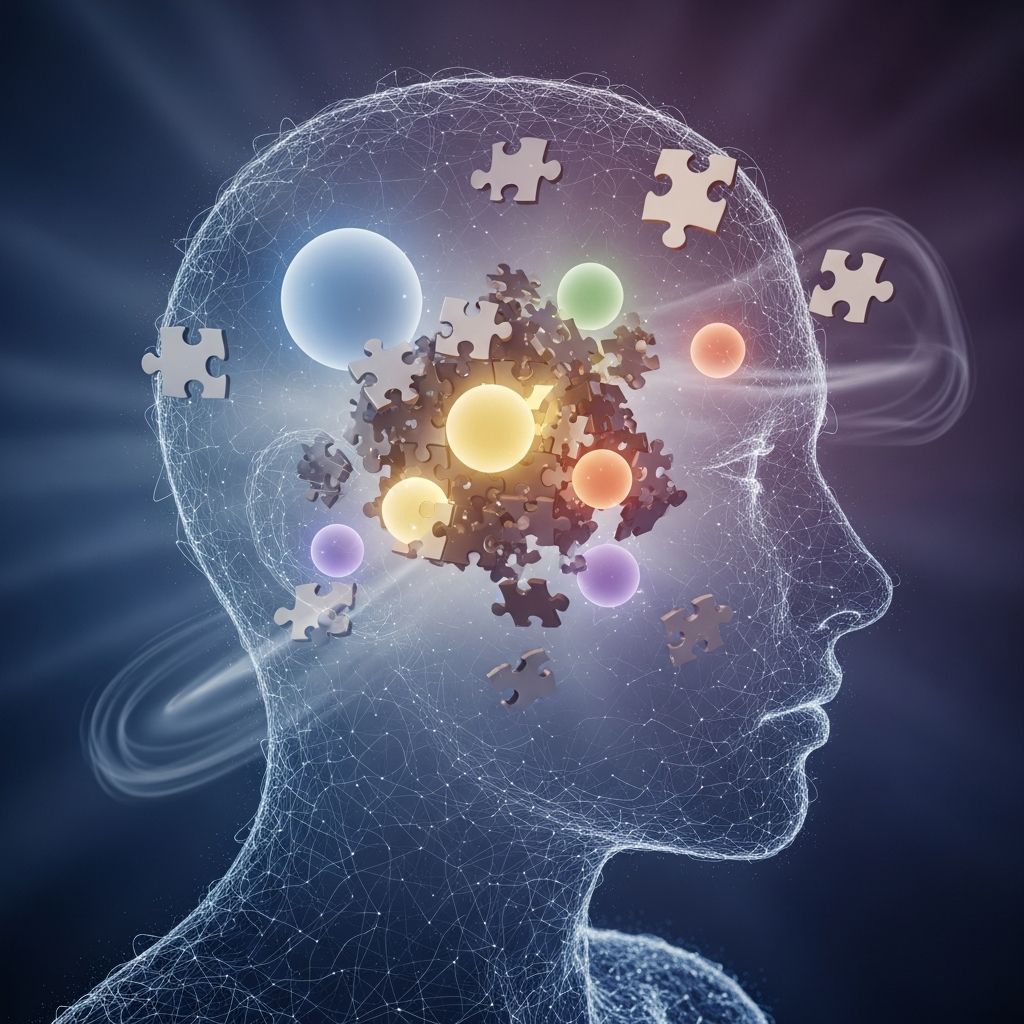
Forgetfulness is a common experience that affects people of all ages. While memory lapses can be frustrating, many of the memory problems we encounter in our daily lives are entirely normal and not indicators of serious cognitive decline or dementia. Understanding the different types of normal memory problems can help us distinguish between typical age-related changes and symptoms that may require medical attention.
According to research from Harvard Medical School, any healthy person can experience memory loss or memory distortion at any age. The key distinction lies in recognizing which types of forgetfulness fall within the normal range of human cognitive function and which might signal a more serious condition. This comprehensive guide explores seven types of normal memory problems that scientists and health professionals consider to be ordinary aspects of how our brains function.
Understanding Normal Memory Problems
Memory is a complex biological process that involves encoding, storing, and retrieving information. Our memory systems are not perfect filing cabinets; they are dynamic, selective, and constantly reorganizing information based on what we use most frequently. Brain scientists have identified several distinct types of memory problems that are considered normal and actually reflect healthy brain function rather than pathology.
The distinction between normal forgetfulness and dementia-related memory loss is crucial for maintaining mental health and seeking appropriate care when needed. Normal memory problems typically do not significantly interfere with daily functioning, while pathological memory loss progressively impacts a person’s ability to perform routine tasks and maintain independence.
1. Transience: Fading Memories Over Time
Transience refers to the tendency to forget facts or events over time, with people being most likely to forget information quickly after initially acquiring it. This type of memory problem may seem like a sign of memory weakness, but neuroscientists actually regard transience as beneficial to proper brain function.
The brain’s ability to let unused information fade is a feature, not a bug. This natural forgetting process clears out obsolete or infrequently used memories, making room for newer and more relevant information. This is why the saying “use it or lose it” is so apt when describing memory. The memories you access and use most often are the least likely to fade away, while information you rarely think about gradually becomes harder to retrieve.
Transience is particularly evident with facts or events from the distant past. Details of events that occurred years ago become increasingly vague as time passes, and unless we actively rehearse or revisit that information, the memories naturally decay. This is a completely normal aspect of human memory and becomes more pronounced as we age.
2. Absentmindedness: The Cost of Divided Attention
Absentmindedness occurs when someone doesn’t pay close enough attention to something, resulting in forgetting where they placed an object or failing to remember to perform an action at a scheduled time. This type of forgetfulness typically happens when your brain is preoccupied with other thoughts or concerns.
Related Stories



Common examples of absentmindedness include forgetting where you put your glasses because you didn’t focus on placing them down, missing an appointment because you were concentrating on work, or forgetting to take a medication because your mind was elsewhere. The information never gets securely encoded into memory because your brain didn’t give it sufficient attention during the initial moment.
Absentmindedness is particularly common when people are stressed, distracted, or juggling multiple responsibilities simultaneously. Modern life, with its constant stream of information and competing demands for attention, makes absentmindedness even more prevalent. This type of memory lapse is entirely normal and does not indicate cognitive decline or disease.
3. Blocking: The Tip-of-the-Tongue Phenomenon
Blocking is the temporary inability to retrieve a memory, even though you know the information is stored in your brain. This is the most commonly experienced memory problem and is the source of the frustrating “tip-of-the-tongue” sensation that nearly everyone has experienced.
In many blocking cases, a person retrieves a wrong memory that is similar to the one they were looking for, which interferes with accessing the correct memory. For example, you might know someone’s name starts with “J,” but you keep thinking of “James” when the correct name is “John.” This similar memory actually inhibits your ability to access the correct information.
Research shows that blocking becomes more common with age, and scientists believe it accounts for much of the trouble older people experience when trying to remember other people’s names. Interestingly, studies indicate that people can retrieve approximately half of the blocked memories within a minute, often without conscious effort. The memory suddenly pops into awareness when we stop trying to force the recall.
Blocking is a normal feature of memory retrieval and does not indicate memory disease or cognitive decline. The information remains intact in the brain; it is simply temporarily inaccessible due to interference from similar memories.
4. Misattribution: Remembering, But Getting Details Wrong
Misattribution occurs when you remember something accurately in part but incorrectly attribute details such as the time, place, or person involved in an event. Another form of misattribution happens when you believe a thought you had was completely original, only to later realize it came from something you had previously read or heard but had forgotten about.
As we age, we tend to absorb fewer details when acquiring information because of difficulty concentrating and processing information rapidly. Over time, these memories grow older and become increasingly prone to misattribution. You might remember that a conversation happened at work but misremember whether it occurred last Tuesday or last month. Or you might remember a movie plot accurately but misattribute it to a different film.
Misattribution becomes more common with age as the encoding of source information becomes less precise. However, this is considered a normal aspect of aging and memory function, not a sign of cognitive disease. The core memory remains relatively intact, but the contextual details become confused or scrambled over time.
5. Suggestibility: When External Information Shapes Memories
Suggestibility refers to the vulnerability of your memory to the power of suggestion. Information that you learn about an occurrence after the fact can become incorporated into your memory of the incident, even though you did not actually experience those details.
For example, if someone tells you they saw a red car at an accident scene and you didn’t notice the car’s color, you may later “remember” the car being red even though your original observation didn’t include that detail. Your memory becomes contaminated by the suggested information, and you lose track of the boundary between what you actually experienced and what you were told.
Suggestibility demonstrates that memory is not like a video recorder that captures objective reality. Instead, memory is constructed and can be influenced by information we receive after an event. This normal feature of memory can have important implications in situations involving eyewitness testimony or the recovery of memories of distant events.
6. Bias: Personal Perspectives Shape Recall
Bias in memory occurs when your personal experiences, beliefs, previous knowledge, and even your current mood filter and influence both the encoding of memories and the retrieval of recalled information. When you perceive and record information in your brain, it passes through a filter of your personal biases.
Your beliefs and experiences shape what aspects of an experience you pay attention to and how you interpret what you see. When you later retrieve that memory, your biases continue to influence what information you actually recall. For instance, if you hold a positive bias toward a particular person, you may remember their actions in a more favorable light than someone else who holds a negative bias toward that same person would remember them.
Memory bias is a normal and inevitable aspect of human cognition. Our memories are not objective records but rather reconstructions that reflect our perspectives and values. While this can sometimes lead to distorted recollections, it is an expected part of how memory works and does not indicate disease or dysfunction.
7. Persistence: Unwanted Memories That Won’t Fade
Persistence refers to the flip side of transience—memories of traumatic events, negative feelings, and ongoing fears that people wish to forget but cannot. While transience involves memories naturally fading over time, persistence involves memories that stubbornly remain and intrude on consciousness when they are unwanted.
Persistent memories might accurately reflect horrifying or traumatic events, while others may be negative distortions or exaggerations of reality. People who have experienced trauma, those who suffer from depression, and individuals with post-traumatic stress disorder are particularly prone to persistent memories that repeatedly resurface and cause emotional distress.
While persistence can be associated with psychological conditions, some degree of persistent memory of negative events is considered a normal aspect of human memory. The brain prioritizes survival-relevant information, and emotionally charged, particularly negative memories tend to persist because they may contain important information for avoiding future harm. However, when persistent memories significantly interfere with daily functioning and quality of life, professional help may be warranted.
Types of Memory and Normal Age-Related Changes
Understanding the different types of memory systems can help clarify which abilities are most likely to change with age and which remain relatively stable. Different memory systems age at different rates, and some actually improve or remain constant throughout life.
Working Memory and Prospective Memory. Working memory, which involves short-term storage and processing of information over seconds or minutes (such as remembering a person’s name or phone number), tends to decline with age. Prospective memory, which involves remembering to do something in the future such as taking medications at a scheduled time, also tends to show age-related decline.
Episodic Memory. Episodic memory involves remembering specific events and the context in which they occurred. This type of memory typically shows noticeable age-related decline. While older adults may be able to learn and recall recently learned information, these memories tend to be less accurate and detailed. However, long-standing memories often persist well into older age.
Semantic and Procedural Memory. Semantic memory, which encompasses your lifetime accumulation of knowledge, ideas, concepts, vocabulary, and historical facts, is typically preserved well into old age. Procedural memory, which involves learned skills such as riding a bike or driving, also tends to be well-preserved throughout life. These types of memory are usually held longest and may even continue to develop as we gain more experience and knowledge.
Distinguishing Normal Forgetfulness From Dementia
A crucial distinction exists between normal age-related memory changes and memory loss associated with dementia. While normal forgetfulness affects everyone and does not significantly interfere with daily functioning, dementia-related memory loss progressively impacts a person’s ability to carry out routine tasks and maintain independence.
Warning signs that memory problems may be more serious than normal forgetfulness include repeatedly asking the same questions, becoming disoriented about time or place, forgetting words or using them incorrectly, having difficulty starting or maintaining conversations, experiencing unexplained mood or behavior changes, struggling to concentrate on reading or following television programs, losing interest in previously enjoyed hobbies, placing items in inappropriate locations, and hoarding or stockpiling things.
It is important to recognize that both normal brain changes associated with aging and dementia can occur simultaneously in the same person. If you or a loved one experience memory changes that concern you or that seem to interfere with daily functioning, consulting with a healthcare professional for proper evaluation is advisable.
Factors That Temporarily Affect Memory
Several temporary factors can make memory less reliable without indicating any underlying disease or permanent cognitive decline. Stress significantly impairs memory function because it divides attention and makes concentration more difficult. Being hungry or tired can temporarily reduce memory efficiency. Major life events such as the death of a loved one can affect memory performance. Certain medications, particularly benzodiazepines used for anxiety or sleep, can cause forgetfulness or confusion, as can combinations of multiple medications.
Conditions such as anxiety and depression can cause forgetfulness, confusion, and difficulty concentrating. Head injuries from falls or accidents, even without loss of consciousness, can affect memory. An underactive thyroid gland can result in forgetfulness and thinking problems. Untreated sleep apnea can impair how memories are consolidated overnight. Vitamin B-12 deficiency, which is more common in older adults, can cause memory problems. Long-term alcohol use can seriously harm mental abilities and cause memory loss, particularly when it interacts with medications.
Frequently Asked Questions
Q: Is occasional forgetfulness a sign of Alzheimer’s disease?
A: No, occasional forgetfulness is not necessarily a sign of Alzheimer’s disease. Many types of normal memory problems are experienced by healthy people at any age. However, if memory problems become frequent, progressive, and begin to interfere with daily functioning, medical evaluation is recommended to rule out cognitive decline.
Q: Why do we forget things we just learned?
A: Transience, or forgetting facts and events over time, is a normal memory phenomenon. Our brains prioritize retaining information we use frequently while allowing unused information to fade. This is beneficial because it clears mental space for new and relevant information.
Q: Does memory always decline with age?
A: Memory changes with age, but not all types of memory decline at the same rate. Working memory and episodic memory tend to show age-related decline, while semantic memory (accumulated knowledge) and procedural memory (learned skills) remain relatively stable or may even continue to improve throughout life.
Q: What can I do to maintain healthy memory function?
A: Staying mentally active, maintaining physical exercise, getting adequate sleep, managing stress, staying socially engaged, eating a healthy diet, and addressing medical conditions like sleep apnea and vitamin deficiencies can all support memory health. If you have concerns about memory changes, consult a healthcare professional.
Q: Can stress really affect memory?
A: Yes, stress significantly affects memory. When stressed, your attention becomes divided, making it harder to concentrate and encode information into memory. Stress also impairs retrieval of stored information, making you more forgetful.
References
- Forgetfulness: 7 types of normal memory problems — Harvard Health Publishing, Harvard Medical School. 2021-02-12. https://www.health.harvard.edu/mind-and-mood/forgetfulness-7-types-of-normal-memory-problems
- Memory Loss — Keiro. https://www.keiro.org/fact-sheets/memory-loss
- Seven Memory Problems That Are Considered ‘Normal’ — Pharmacy Times. https://www.pharmacytimes.com/view/seven-memory-problems-that-are-considered-normal
- Forgetfulness — Healthify. https://healthify.nz/health-a-z/f/forgetfulness
- Diagnostic and Statistical Manual of Mental Disorders (DSM-5) — American Psychiatric Association. 2013. https://www.psychiatry.org/psychiatrists/practice/dsm
- Alzheimer’s Disease Fact Sheet — National Institute on Aging. https://www.nia.nih.gov/health/alzheimers-disease-fact-sheet
Similar Articles








Read full bio of Sneha Tete