Formaldehyde And Formalin Contact Allergy: Comprehensive Guide
Understanding formaldehyde contact allergy: causes, symptoms, diagnosis, and strategies for avoidance and management.
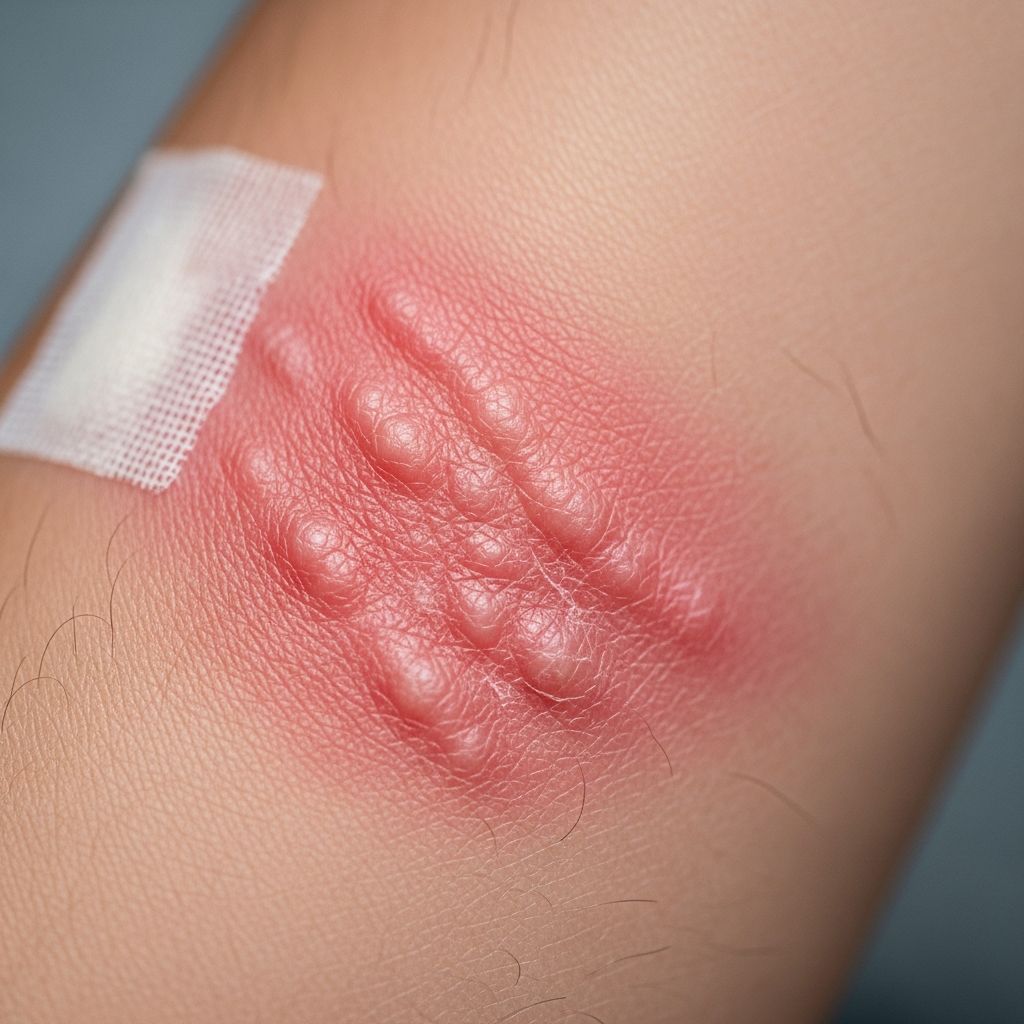
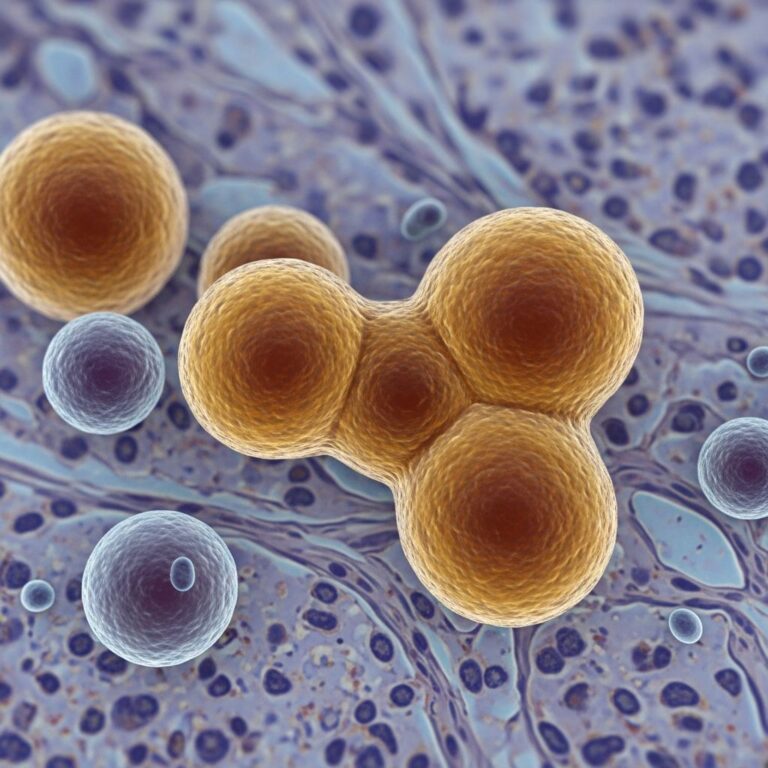
Formaldehyde is a colourless gas with a strong pungent odour used as a preservative in many products. Formalin is a 37–50% solution of formaldehyde in water commonly used as a disinfectant, preservative and sterilant in hospitals. Formaldehyde and formalin contact allergy is common and can lead to allergic contact dermatitis (ACD), a type IV delayed hypersensitivity reaction. Sensitisation occurs when formaldehyde binds to proteins in the skin, forming haptens that trigger an immune response upon re-exposure. Highly sensitised individuals may react to airborne formaldehyde or trace amounts released from products.
What is the cause of formaldehyde allergy?
Formaldehyde acts both as a primary irritant and an allergen. Reactions depend on exposure type: direct skin contact with solutions causes irritant or allergic dermatitis, while gas exposure irritates mucous membranes. Formaldehyde releasers—chemicals that slowly release formaldehyde—account for most cases, as free formaldehyde is less stable. Common releasers include quaternium-15, imidazolidinyl urea, diazolidinyl urea, DMDM hydantoin, bronopol, and o-phenylphenol. These are widely used in cosmetics, shampoos, and personal care products due to their antimicrobial properties.
Occupational exposure is frequent in healthcare (sterilants), pathology, hairdressing (permanent waves), textile industry, and construction (particleboard, insulation). Consumer products containing formaldehyde pose risks in daily life. Genetic factors and impaired skin barrier (e.g., atopic dermatitis) increase sensitisation risk. Once sensitised, minute exposures—even residual gas in a room—can provoke dermatitis in severe cases.
Who is at risk of developing formaldehyde allergy?
Individuals with frequent exposure to formaldehyde-containing products are most at risk. Key groups include:
- Healthcare workers: Exposure to formalin disinfectants and tissue preservatives.
- Hairdressers and beauticians: Use of permanent wave solutions and keratin hair straighteners.
- Textile workers: Resins in wrinkle-resistant fabrics.
- Construction workers: Pressed wood products emitting formaldehyde gas.
- Consumers: Cosmetics, shampoos, nail polishes, clothing, and household products.
Atopics and those with chronic wet work (hands frequently wet) have higher sensitisation rates due to compromised skin barriers. Children and the elderly may be more vulnerable to emissions from furniture and building materials.
What are the symptoms of formaldehyde allergy?
Symptoms vary by exposure route:
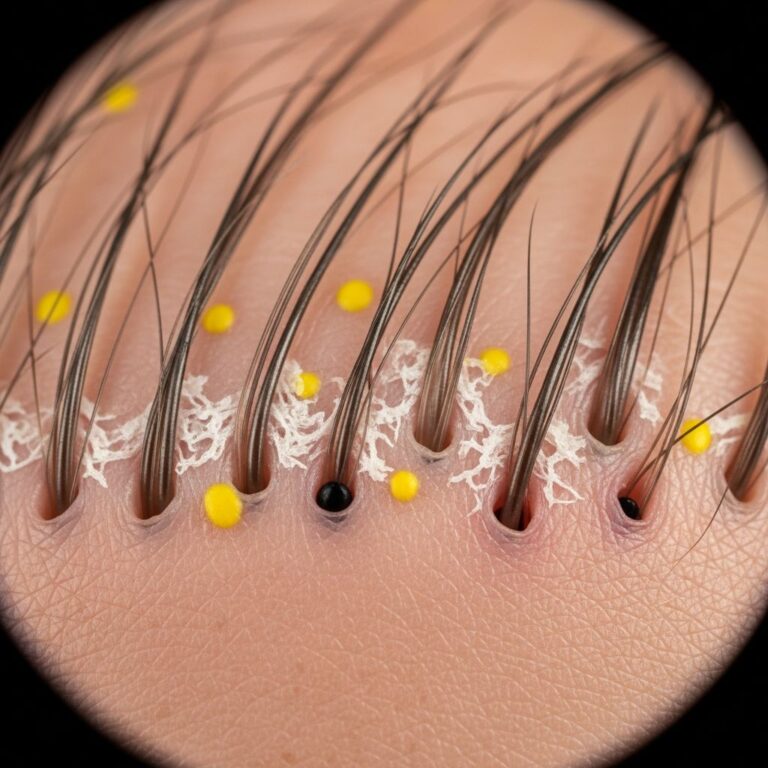
- Skin contact: Eczematous dermatitis with redness, itching, vesicles, scaling, and fissuring. Acute cases show weeping; chronic exposure leads to lichenification (thickened skin).
- Airborne exposure: Widespread dermatitis on face, neck, eyelids, and exposed areas. May include burning eyes, conjunctivitis, rhinitis, or pharyngitis.
- Inhalation: Eye/nose/throat burning, chest tightness, wheezing, fatigue, headaches—often irritant but allergic in sensitised persons.
| Exposure Type | Skin Symptoms | Mucosal/Respiratory |
|---|---|---|
| Skin contact | Rash, itching, vesicles on hands/feet | None direct |
| Airborne | Facial/eyelid dermatitis | Eye irritation, runny nose |
| Inhalation | Generalised rash | Cough, wheeze, headache |
Symptoms typically appear 12–72 hours post-exposure, distinguishing ACD from irritant reactions.
How is formaldehyde allergy diagnosed?
Diagnosis combines clinical history and patch testing. History reveals relevant exposures (e.g., new cosmetics, clothing itch). Patch tests use:
- 1% formaldehyde in water.
- Formalin (2%).
- Formaldehyde releasers at manufacturer-recommended concentrations.
Standard trays include formaldehyde; supplemental tests for suspect products. Positive reactions: + (erythema), ++ (vesicles), +++ (bullae). Readings at day 2 and 4. Usefulness score (0–5) grades clinical relevance. Patch testing identifies releasers even if formaldehyde test negative.
Related Stories



Differential diagnosis: Other contact allergens (e.g., fragrances, metals), atopic dermatitis, irritant dermatitis. Biopsy shows spongiosis and lymphocytic infiltrate in ACD.
What is the treatment for formaldehyde allergy?
Avoidance is primary. Once dermatitis develops, treat as acute eczema:
- Topical corticosteroids: Potent for acute phase (e.g., clobetasol), moderate for maintenance.
- Emollients: Barrier creams to restore skin.
- Infection control: Antibiotics for secondary bacterial infection.
- Severe cases: Oral corticosteroids, phototherapy, immunosuppressants.
For airborne/respiratory symptoms: Antihistamines, nasal steroids, or bronchodilators. No specific antidote; supportive care.
What products contain formaldehyde?
Formaldehyde hides in many items:
- Cosmetics/personal care: Shampoos, conditioners, soaps, nail hardeners, sunscreens (as quaternium-15, imidazolidinyl urea).
- Medicines: Wart treatments, foot powders.
- Household: Glues, adhesives, paints, permanent press fabrics, paper products.
- Building materials: Particleboard, plywood, insulation, carpet glues.
- Others: Leather, fur, vaccines, dairy disinfectants.
Check labels for releasers. “Formaldehyde-free” claims unreliable as releasers omit formaldehyde listing.
How do you avoid formaldehyde exposure?
Strict avoidance essential:
- Read labels; avoid releasers by name.
- Use preservative-free cosmetics (short shelf life).
- Wash new clothes multiple times; choose untreated fabrics.
- Ventilate areas with pressed wood; use low-emission products.
- Occupational: PPE, engineering controls.
- Patch test suspect products before use.
For severe allergy, consult allergist/dermatologist. Apps/databases track allergens. Family/pets may need adjustments.
Related Formaldehyde Releasers
Key releasers and uses:
| Releaser | Common Uses | Patch Test Conc. |
|---|---|---|
| Quaternium-15 | Cosmetics, shampoo | 1% |
| DMDM hydantoin | Shampoos, lotions | 2% |
| Imidazolidinyl urea | Creams, conditioners | 2% |
| Diazolidinyl urea | Personal care | 2% |
| Bronopol | Eye makeup | 0.25% |
Cross-reactivity common; test all.
Frequently Asked Questions
Can formaldehyde allergy be cured?
No cure, but strict avoidance controls it lifelong. Immunotherapy not standard for contact allergens.
Is formaldehyde in all cosmetics?
No, but common in preservatives. Choose “preservative-free” or natural alternatives.
Does washing clothes remove formaldehyde?
Multiple hot washes reduce resins; dry cleaning helps.
Can airborne formaldehyde cause allergy?
Yes, leading to facial/airborne dermatitis pattern.
Is formaldehyde safe in low amounts?
Safe for most, but sensitised react to ppm levels.
References
- Medical Management Guidelines for Formaldehyde — CDC (ATSDR). 2023-10-01. https://wwwn.cdc.gov/Tsp/MMG/MMGDetails.aspx?mmgid=216&toxid=39
- Formaldehyde and Formalin Contact Allergy — DermNet NZ. 2024-05-15. https://dermnetnz.org/topics/formaldehyde-allergy
- Formaldehyde — California Department of Public Health (CDPH). 2022-08-12. https://www.cdph.ca.gov/Programs/CCDPHP/DEODC/OHB/HESIS/CDPH%20Document%20Library/formaldehyde.pdf
- Formaldehyde Allergy — News-Medical.net. 2024-03-20. https://www.news-medical.net/health/Formaldehyde-Allergy.aspx
- Formaldehyde — American Lung Association. 2025-01-10. https://www.lung.org/clean-air/indoor-air/indoor-air-pollutants/formaldehyde
Similar Articles








Read full bio of Sneha Tete