Formaldehyde In Self-Care Products: A Comprehensive Guide
Discover the hidden dangers of formaldehyde in everyday beauty and self-care items and how to protect your health.
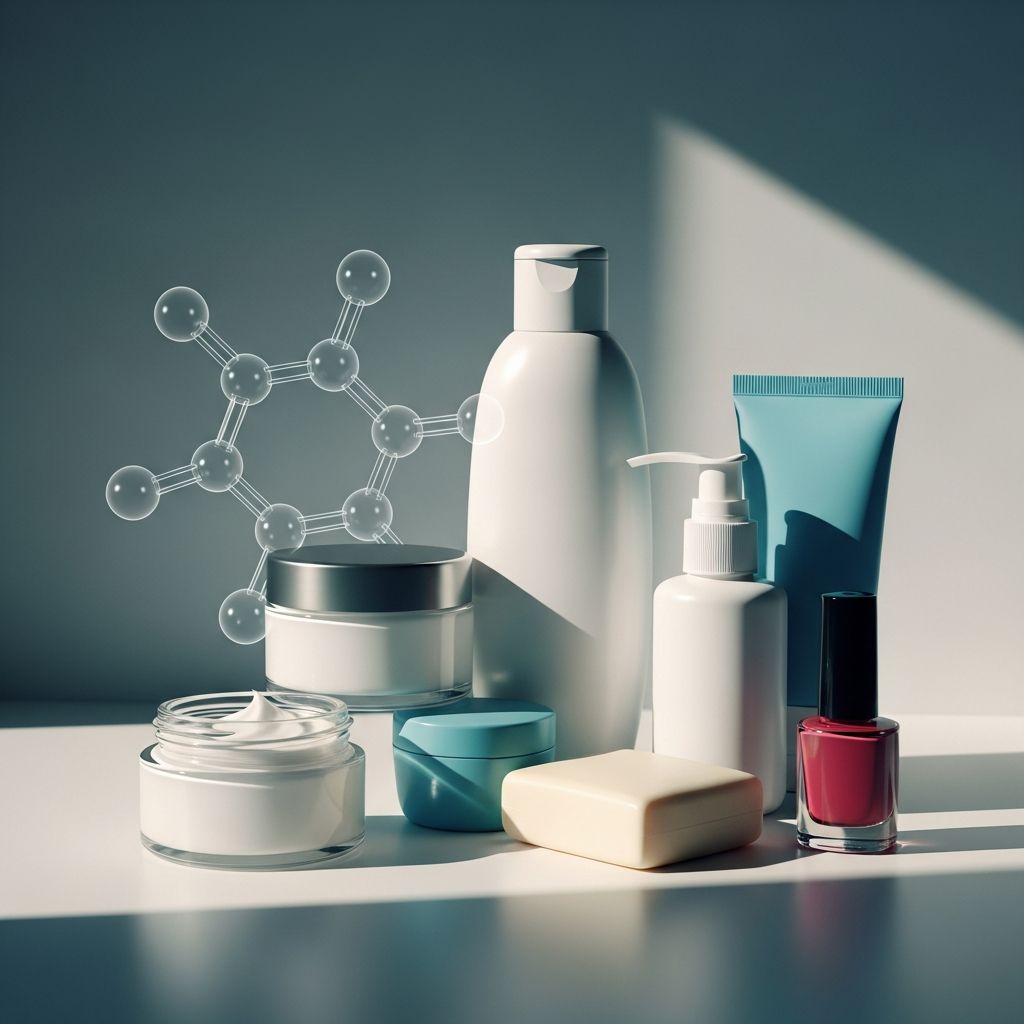
Formaldehyde, a colorless gas with a strong odor, is classified as a known human carcinogen by the International Agency for Research on Cancer (IARC). It appears in various self-care and beauty products, often as a preservative or smoothing agent, releasing fumes when heated or applied.
What Is Formaldehyde and Why Is It in Beauty Products?
Formaldehyde and its releasers like methylene glycol or formalin preserve products by preventing bacterial growth and act as smoothing agents in hair treatments. These chemicals maintain product shelf life and enhance appearance but pose health hazards upon skin contact, inhalation, or ingestion.
In cosmetics, low concentrations appear in shampoos, lotions, nail polishes, and shower gels. Hair smoothing treatments, popular since the late 2000s, often contain high levels, releasing formaldehyde gas when heated during styling.
Health Risks Associated with Formaldehyde Exposure
Short-term exposure causes watery eyes, burning sensations in eyes, nose, and throat, coughing, wheezing, nausea, and skin irritation at levels above 0.1 ppm. Sensitive individuals react at lower concentrations.
Repeated contact leads to skin sensitization or allergic dermatitis. Inhalation risks include respiratory issues, headaches, dizziness, chest pain, vomiting, and rashes. High or prolonged exposure links to cancers, particularly nasopharyngeal and lung cancers.
- Acute effects: Eye/nose/throat irritation, coughing, nausea
- Chronic effects: Allergic reactions, cancer risk
- Vulnerable groups: Salon workers, frequent users
Products Containing Formaldehyde
Hair smoothing and keratin treatments top the list, with brands like Brazilian Blowout, Marcia Teixeira, and others testing positive for formaldehyde or releasers. OSHA identified levels exceeding safe limits in salons, reaching 10 ppm during blow-drying—five times the short-term exposure limit (STEL) of 2 ppm.
| Product Type | Examples | Formaldehyde Form | Risk Level |
|---|---|---|---|
| Hair Smoothing/Keratin | Brazilian Blowout, Marcia Teixeira | Methylene glycol, formalin | High (heated release) |
| Nail Polish/Hardeners | Various polishes | Formaldehyde resin | Moderate (skin contact) |
| Shampoos/Conditioners | Preserved formulas | Releasers | Low-moderate |
| Lotions/Shower Gels | Fragranced items | Trace amounts | Low |
OSHA tested name-brand products, finding formaldehyde in straighteners, conditioners, and shampoos, exposing workers to unsafe levels.
FDA and Regulatory Actions
The FDA has issued warning letters to companies like GIB, LLC (Brazilian Blowout) and Van Tibolli Beauty Corp. for safety and labeling violations. Products caused eye problems, nervous system issues, and respiratory distress.
From 2016-2017, FDA focus groups with stylists and consumers assessed hazard perceptions and label effectiveness. The agency monitors products case-by-case and advises against formaldehyde in cosmetics, though not all forms are banned.
OSHA updated hazard alerts for salons, citing violations in multiple states and recommending ventilation and product checks.
Safer Alternatives and How to Avoid Formaldehyde
- Check ingredient lists for formaldehyde, formalin, methylene glycol, quaternium-15, DMDM hydantoin, and imidazolidinyl urea.
- Opt for ‘formaldehyde-free’ certified products from reputable brands.
- In salons, request formaldehyde-free treatments and ensure ventilation.
- Use at-home products sparingly; avoid heating tools with smoothing formulas.
- Consult dermatologists for sensitive skin.
Related Stories



Primary sources like FDA and OSHA emphasize reading labels and reporting adverse reactions.
Expert Insights on Toxic Beauty Ingredients
Beyond formaldehyde, beauty products contain phthalates, parabens, and fragrances linked to endocrine disruption, reproductive issues, allergies, and cancer. About 30% of consumers experience adverse reactions; phthalates affect 10% with developmental problems.
Synergistic effects amplify risks: chemical mixtures increase DNA damage and carcinogenicity via potentiation and metabolic activation.
Frequently Asked Questions (FAQs)
Is formaldehyde banned in cosmetics?
No, but the FDA restricts certain forms and issues warnings for high-risk products like hair smoothers. Check labels.
Can formaldehyde in nail polish cause cancer?
Prolonged exposure raises risks, classified as a carcinogen by IARC, especially via inhalation or skin absorption.
Are salon workers at higher risk?
Yes, OSHA found excessive levels in salons; use PPE and ventilation.
What are signs of formaldehyde exposure?
Irritation, coughing, headaches, rashes; seek medical help if severe.
How to find formaldehyde-free products?
Look for certifications like EWG Verified or Made Safe; avoid listed releasers.
Long-Term Implications and Prevention
Consistent use contributes to cumulative exposure, heightening cancer and endocrine risks. Regulations lag behind science; consumers drive change by choosing safer options. Environmental release from products adds toxicity via water contamination.
Prevention starts with awareness: ventilate spaces, test products, and advocate for stricter rules. Research shows reduced risks with alternatives.
References
- The dark side of beauty: an in-depth analysis of the health hazards … — PMC/NCBI. 2024. https://pmc.ncbi.nlm.nih.gov/articles/PMC11381309/
- Hair Smoothing Products That Release Formaldehyde When Heated — U.S. Food and Drug Administration (FDA). 2023-09-05. https://www.fda.gov/cosmetics/cosmetic-products/hair-smoothing-products-release-formaldehyde-when-heated
- Formaldehyde and Cancer Risk — American Cancer Society. 2024. https://www.cancer.org/cancer/risk-prevention/chemicals/formaldehyde.html
- Hair Salons – Formaldehyde in Your Products — Occupational Safety and Health Administration (OSHA). 2024. http://www.osha.gov/hair-salons/products
- Beauty products and cancer: Are you at risk? — MD Anderson Cancer Center. 2023-11-27. https://www.mdanderson.org/cancerwise/beauty-products-and-cancer-are-you-at-risk.h00-159778812.html
Similar Articles








Read full bio of Sneha Tete