Fragrance Allergy: Causes, Symptoms, and Treatment
Comprehensive guide to understanding fragrance allergies and managing allergic reactions to perfumes and scented products.
Fragrance Allergy
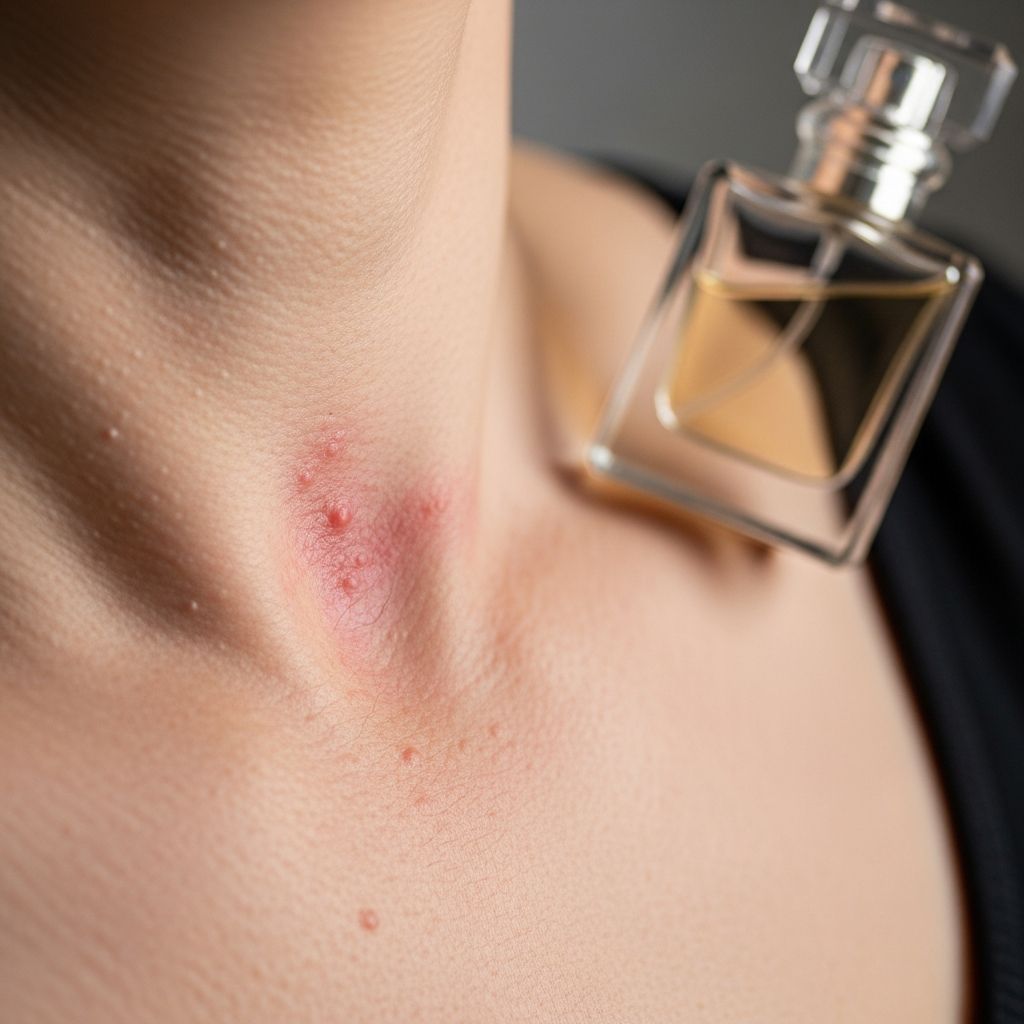
Fragrance allergy is an allergic reaction that occurs when the immune system overreacts to chemicals found in fragrances and scented products. This condition affects individuals who are sensitized to specific fragrance components, causing a range of symptoms from mild skin irritation to severe respiratory distress. Unlike fragrance sensitivity, which represents a non-immune response to odors, fragrance allergy involves a specific immune system reaction to identified allergens present in perfumes, colognes, lotions, and other scented personal care products.
What Is Fragrance Allergy?
A fragrance allergy develops when the body’s immune system identifies certain fragrance chemicals as harmful invaders and mounts a defensive response. These chemicals are typically synthetic substances engineered to create or enhance scents in consumer products. When an allergic individual encounters these chemicals, their immune system releases inflammatory mediators such as histamine, triggering characteristic allergic symptoms. The condition is distinct from fragrance sensitivity, where exposure to fragrance odors causes non-allergic symptoms without immune system involvement.
Understanding Pre- and Prohaptens
Some fragrance chemicals present a particular diagnostic challenge because they are not inherently allergenic. These substances, known as pre- and prohaptens, become allergens only after undergoing biochemical transformations. Prehaptens are chemicals that acquire allergenic properties after reacting with air or skin enzymes, while prohaptens form allergenic compounds following metabolic changes within the body. This activation process increases the likelihood of allergic reactions and complicates both diagnosis and management, as individuals may react to fragrance products containing these substances even if they initially seemed well-tolerated.
Causes of Fragrance Allergy
Fragrance allergies result from the immune system’s hypersensitivity to specific chemical compounds. The primary causes include:
- Synthetic fragrance chemicals: Most modern fragrances contain numerous synthetic compounds designed to create complex scent profiles. Approximately 14 common chemicals found in typical perfumes can trigger allergic reactions, particularly in susceptible individuals.
- Natural fragrance extracts: Components derived from plants and essential oils, while considered natural, can also provoke allergic responses in sensitive individuals.
- Chemical preservatives: Fragranced products often contain preservatives that may independently trigger reactions or work synergistically with fragrance components.
- Accumulated exposure: Repeated or prolonged contact with fragrance chemicals can lead to sensitization, where the immune system develops an allergic response over time.
- Pre- and prohapten activation: As discussed, some chemicals become allergenic only after skin contact or metabolic processing, making prediction and avoidance difficult.
Common Fragrance Sources
Fragrances are ubiquitous in modern life, appearing in numerous consumer products beyond obvious choices like perfumes and colognes. Understanding common sources is essential for effective avoidance:
- Perfumes and colognes
- Soaps and body washes
- Shampoos and conditioners
- Lotions and moisturizers
- Laundry detergents and fabric softeners
- Air fresheners and room sprays
- Cleaning products
- Scented candles
- Fabric treatments and textiles
- Personal care items including deodorants and toothpaste
Notably, even products labeled as “unscented” may contain fragrances used to mask the odors of other chemical ingredients, making label reading challenging for fragrance-allergic individuals.
Symptoms of Fragrance Allergy
Fragrance allergy manifests through diverse symptoms that vary in severity depending on individual sensitivity levels and the extent of fragrance exposure. These symptoms can develop immediately upon contact or may appear after delayed reactions.
Related Stories



Skin Manifestations
Skin reactions represent the most common presentation of fragrance allergy. These include:
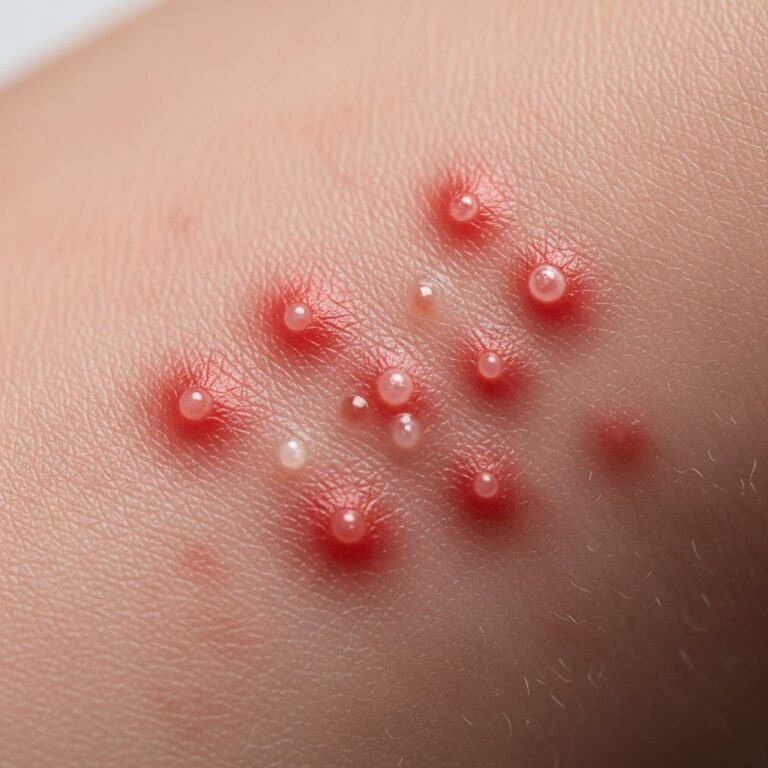
- Redness and erythema: Affected skin becomes visibly red, often appearing shortly after exposure
- Itching and pruritus: Varying degrees of itching from mild irritation to intense discomfort
- Hives and urticaria: Raised, often itchy welts that appear on the skin
- Swelling (angioedema): In more severe cases, swelling may affect facial areas, lips, mouth, or tongue
- Rashes: Various rash patterns may develop, ranging from localized to widespread
- Allergic contact dermatitis: A specific type of skin inflammation characterized by intense itching and oozing blisters
- Allergic eczema: Chronic inflammatory skin condition with itching, cracking, and potential for secondary infection
Respiratory Symptoms
Inhalation of fragrance particles or vapors can trigger respiratory manifestations, particularly in individuals with underlying asthma or reactive airways:
- Sneezing and nasal irritation
- Runny or stuffy nose (allergic rhinitis)
- Postnasal drip
- Coughing and throat irritation
- Difficulty breathing or shortness of breath
- Wheezing in severe cases
Systemic Symptoms
Beyond localized reactions, fragrance exposure can produce broader systemic effects:
- Headaches ranging from mild to severe
- Dizziness and vertigo
- Nausea and gastrointestinal discomfort
- Watery or itchy eyes
- Fatigue and malaise
Severe Reactions
In rare but serious cases, fragrance exposure can precipitate severe allergic responses requiring immediate medical intervention. Anaphylaxis represents the most severe manifestation, occurring when the immune system releases excessive quantities of IgE antibodies, causing airway inflammation and potential closure. Symptoms of severe reactions include difficulty breathing, significant facial or throat swelling, rapid heartbeat, and loss of consciousness. Emergency medical attention is essential for individuals experiencing these symptoms.
Diagnosis of Fragrance Allergy
Accurate diagnosis is fundamental to effective management. Healthcare providers employ several diagnostic approaches:
Clinical History and Exposure Assessment
Physicians begin by obtaining detailed information about symptom onset, triggering products, timing of reactions, and temporal relationships between exposure and symptom development. This history often suggests fragrance as a causative agent, particularly when symptoms correlate with exposure to multiple scented products.
Patch Testing
Patch testing represents the gold standard for identifying specific fragrance allergens. During this procedure, small patches containing suspected allergens are applied to the back and left in place for 48 hours. The application site is then examined for allergic reactions, with delayed readings often performed at 96 hours. This controlled exposure to minute quantities of potential allergens safely identifies responsible chemicals without provoking significant systemic reactions. Results guide avoidance strategies and treatment planning.
Differential Diagnosis
Because fragrance allergy symptoms overlap with numerous other conditions, healthcare providers must consider alternative diagnoses. Conditions that may mimic fragrance allergy include irritant contact dermatitis, other chemical sensitivities, atopic dermatitis, seborrheic dermatitis, and various other allergic and non-allergic conditions affecting the skin or respiratory system.
Treatment of Fragrance Allergy
Management of fragrance allergy requires a comprehensive approach centered on allergen identification and avoidance, supplemented by symptomatic treatment and immunological interventions when necessary.
Allergen Avoidance
The cornerstone of fragrance allergy management involves identifying and avoiding triggering substances. The fragrance-allergic patient is best served by avoiding products that are either unlabeled or contain any fragrance. This includes:
- Selecting fragrance-free and unscented personal care products
- Using fragrance-free laundry detergents and cleaning supplies
- Avoiding air fresheners and scented candles
- Reading product labels carefully for fragrance-containing ingredients
- Being aware that products labeled “unscented” may still contain masking fragrances
- Communicating fragrance sensitivities to healthcare providers and family members
However, fragrances are ubiquitous in modern consumer products, making complete avoidance challenging. Fragrance-allergic individuals must remain vigilant and proactive in identifying and eliminating exposures.
Topical Treatments
For skin manifestations of fragrance allergy, several topical interventions provide symptomatic relief:
- Topical corticosteroid creams: Hydrocortisone and other steroid creams reduce inflammation, itching, and rash severity when applied to affected areas
- Emollients and moisturizers: Fragrance-free creams and lotions restore skin barrier function and reduce dryness and irritation
- Colloidal oatmeal baths and compresses: Oatmeal preparations soothe itching and inflammation through their anti-inflammatory properties
- Light therapy: Blue or red light treatments may reduce bacterial colonization and modulate immune responses in affected skin
Systemic Medications
For respiratory or systemic symptoms, pharmacological interventions include:
- Antihistamines: Over-the-counter or prescription antihistamines such as cetirizine and loratadine alleviate itching, hives, and rhinitis symptoms
- Nasal corticosteroid sprays: Medications like fluticasone (Flonase) and mometasone (Nasonex) reduce nasal inflammation and congestion
- Systemic corticosteroids: In severe cases, oral or injectable corticosteroids may be prescribed for significant allergic responses
Sublingual Immunotherapy
When avoidance and medication prove insufficient, sublingual immunotherapy (SLIT) represents a potential long-term treatment option. This approach involves placing gradually increasing doses of the fragrance allergen under the tongue to build immune tolerance over extended periods. While SLIT has demonstrated effectiveness for many inhalant allergens, research into its efficacy specifically for fragrance allergies remains ongoing.
Allergy Shots (Subcutaneous Immunotherapy)
Traditional allergy immunotherapy through regular injections may be recommended in severe cases to gradually desensitize the immune system. However, this approach requires identification of specific fragrance allergens and careful medical supervision.
Managing Respiratory Fragrance Allergy
Individuals experiencing respiratory symptoms from fragrance exposure benefit from specific management strategies:
- Strict avoidance of triggering fragrances whenever possible
- Using masks in environments where fragrance exposure is likely
- Installing air purifiers in home and work spaces
- Using antihistamines or corticosteroids as recommended by healthcare providers
- Considering immunotherapy in severe cases
- Monitoring for signs of asthma development or exacerbation
Living with Fragrance Allergy
While fragrance allergy cannot typically be cured, most individuals successfully manage their condition through diligent avoidance and symptomatic treatment. Some people may eventually outgrow their allergies, though this is not universal. Fragrance-allergic individuals should:
- Carry prescribed allergy medications at all times
- Educate family members, colleagues, and healthcare providers about their fragrance sensitivity
- Maintain awareness of new fragrance-containing products in their environment
- Work with allergists to identify specific triggering chemicals through patch testing
- Seek immediate medical attention for severe symptoms including difficulty breathing or significant swelling
Frequently Asked Questions
Q: What is the difference between fragrance allergy and fragrance sensitivity?
A: Fragrance allergy involves a specific immune system response to fragrance chemicals, resulting in prolonged symptoms lasting days to weeks. Fragrance sensitivity represents a non-allergic reaction to fragrance odors, causing temporary symptoms like sneezing or headaches without immune system activation.
Q: Can fragrance allergies develop suddenly or only gradually?
A: Fragrance allergies typically develop through repeated exposure over time as the immune system becomes sensitized. However, once sensitization occurs, severe reactions can develop suddenly upon minimal exposure to triggering fragrances.
Q: Are natural fragrances safer than synthetic ones for people with fragrance allergies?
A: No. Both natural and synthetic fragrance components can trigger allergic reactions. Essential oils and plant-derived fragrance extracts, while natural, are just as likely to cause allergies as synthetic chemicals in fragrance-allergic individuals.
Q: Is there a cure for fragrance allergy?
A: There is no definitive cure, though some individuals may experience remission with time. Management focuses on allergen avoidance, symptomatic treatment, and in some cases, immunotherapy to build tolerance.
Q: Can I continue using my favorite perfume if I have a mild fragrance allergy?
A: It is not recommended. Continued exposure to fragrance allergens can increase sensitization and cause symptoms to worsen over time. Identifying and completely avoiding triggering fragrances provides the best outcome.
Q: How long do fragrance allergy symptoms typically last?
A: Symptoms vary widely depending on exposure duration and individual sensitivity. Mild skin reactions may resolve within hours, while allergic contact dermatitis can persist for weeks if exposure continues.
References
- Understanding Fragrance Allergy: Causes, Symptoms, and Prevention — Wyndly. 2024. https://www.wyndly.com/blogs/learn/fragrance-allergy
- Perfume Allergy: Symptoms, Triggers, and Treatments — Healthline. 2020-03-31. https://www.healthline.com/health/allergies/perfume-allergy
- Fragrance allergy — DermNet. https://dermnetnz.org/topics/fragrance-allergy
- Fragrance Allergy/Sensitivity — Corpus Christi Allergy. https://corpuschristiallergy.com/fragrance-allergy-sensitivity/
- Perfume Allergy — News-Medical. https://www.news-medical.net/health/Perfume-Allergy.aspx
Similar Articles








Read full bio of medha deb