Fragrance Sensitivity: Health Effects and Management
Understanding fragrance sensitivity: symptoms, triggers, and effective management strategies.
Understanding Fragrance Sensitivity and Its Health Effects
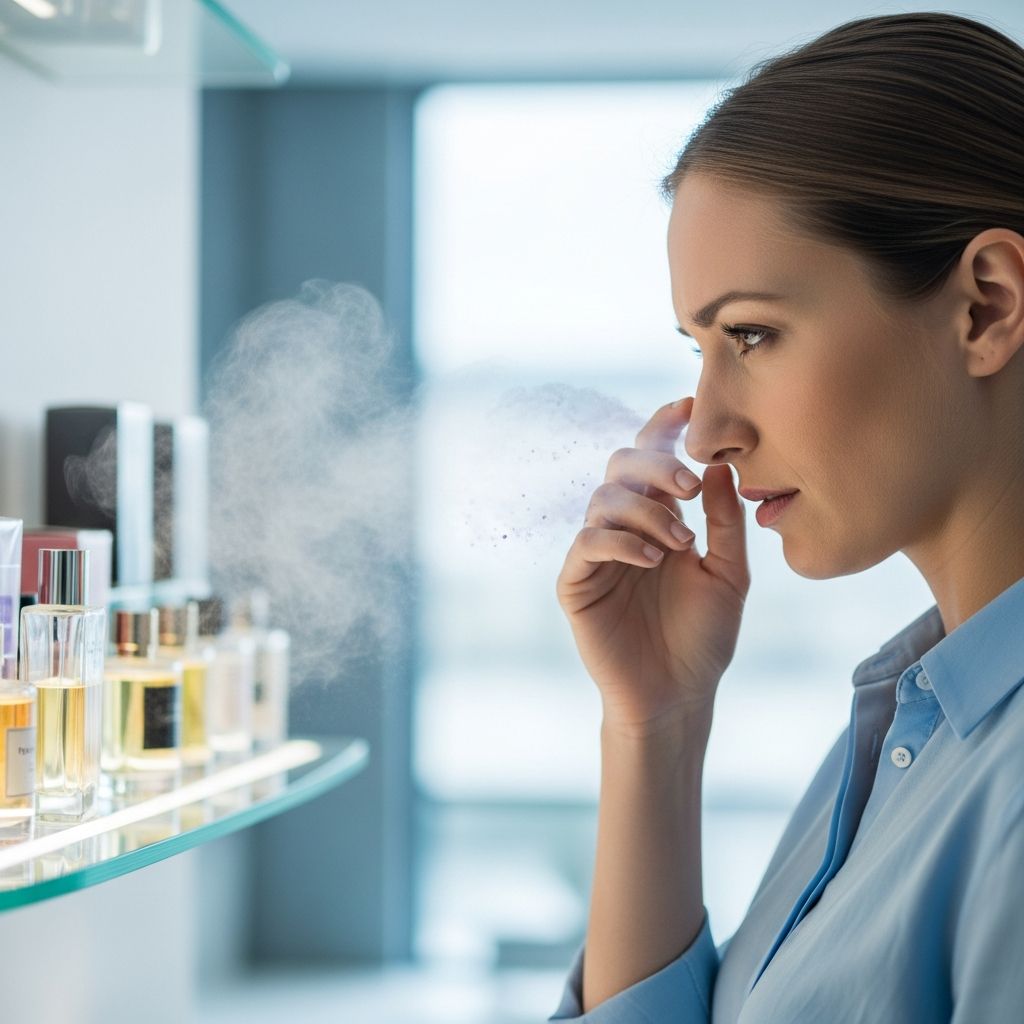
Fragrance sensitivity affects a significant portion of the population, impacting respiratory and skin health. When individuals encounter fragrances in perfumes, colognes, personal care products, or household items, they may experience a range of adverse reactions. Unlike true allergies that involve a specific immune response, fragrance sensitivity encompasses both allergic reactions and irritant responses that can affect quality of life. Understanding the distinction between these conditions and recognizing symptoms is essential for managing exposure and maintaining wellness.
The Difference Between Fragrance Allergy and Sensitivity
Fragrance allergy and sensitivity are often used interchangeably, but they represent different physiological mechanisms. A fragrance allergy involves a specific immune system response where the body identifies a fragrance ingredient as a foreign threat and releases inflammatory compounds to fight it off. This allergic reaction typically develops after repeated exposure to an allergen, and once sensitized, the immune system will always react to that specific ingredient—making it a lifelong condition.
Fragrance sensitivity, on the other hand, may involve irritant reactions rather than true allergic responses. These irritant reactions occur when fragrance chemicals directly irritate the skin, eyes, or respiratory system without necessarily triggering an immune response. Both conditions can produce similar symptoms, but the underlying mechanisms differ. Respiratory symptoms from fragrances often fall under the category of irritant reactions, while skin manifestations typically represent true allergic contact dermatitis.
Common Symptoms of Fragrance Sensitivity
Fragrance sensitivity manifests through diverse symptoms affecting multiple body systems. The specific symptoms and their severity depend on the individual’s sensitivity level, the type of exposure, and which body systems are affected.
Skin Symptoms
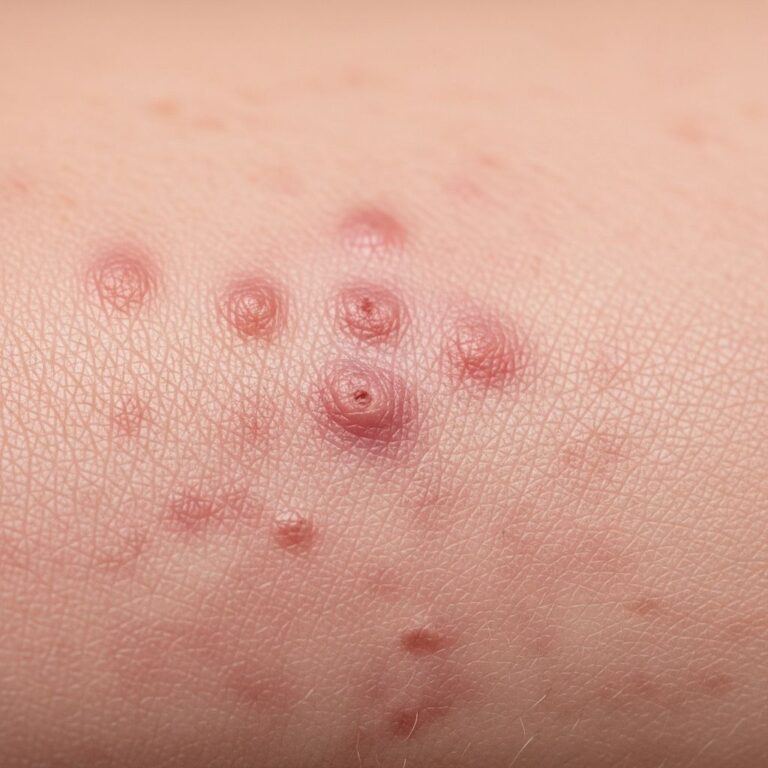
Skin reactions represent one of the most common manifestations of fragrance sensitivity. These typically appear as contact dermatitis—an itchy, red rash that often develops about a day after skin exposure to fragrant products. Affected areas frequently include the hands, face, and underarm region, though reactions can occur anywhere on the body. Additional skin symptoms include:
- Itching without visible rash or irritation
- Scaly or dry skin
- Blisters that become crusty and ooze pus
- Outbreak of hives
- Patchy, reddish skin
- Burning sensation on skin with no visible irritation
- Increased sensitivity to sunlight
In chronic cases where fragrance allergens are repeatedly applied to sensitized skin, the condition can become severe, leading to scaling and painful cracking. Around the eyes and throat, itching can be particularly bothersome and may interfere with daily comfort.
Respiratory Symptoms
Respiratory symptoms affect a substantial portion of individuals with fragrance sensitivity. Research shows that nearly three-quarters of asthma patients report that fragrances trigger airway symptoms. Common respiratory manifestations include:
- Sneezing when fragrances are sprayed near airways
- Nasal itching, running nose, or stuffiness
- Postnasal drip
- Persistent cough
- Wheezing and chest tightness
- Shortness of breath or difficulty breathing
- Asthma attacks in individuals with asthma
For people with asthma, fragrance exposure can trigger immediate symptoms or reactions hours after contact. Notably, asthma can sometimes develop suddenly from fragrances someone has been exposed to for years, indicating that sensitivity can emerge at any point in life.
Related Stories



Systemic and Other Symptoms
Beyond skin and respiratory effects, fragrance sensitivity can produce broader health impacts. These include:
- Headaches, ranging from mild to debilitating
- Nausea and vomiting
- Eye irritation and tearing
- Dizziness and vertigo
- Anxiety and feeling disoriented
- Fatigue or drowsiness
- Elevated or irregular heart rate
- Fever in some cases
The psychological component of fragrance sensitivity is significant. Exposure to unavoidable fragrances—particularly in air fresheners or others’ perfume—can create a sense of loss of control over personal space, heightening anxiety and triggering real physical symptoms including elevated heart rate, blood pressure increases, rapid breathing, and hyperventilation.
Common Fragrance Allergens
Not all fragrances trigger sensitivity equally. Certain fragrance ingredients are more commonly associated with allergic reactions. The most common fragrance allergens found in cosmetics and personal care products include:
- Linalool
- Limonene
- Citronellol
- Geraniol
- Citral
Many of these allergens are derived from natural sources—such as floral, fruity, and spicy scents found in foods like cloves, cinnamon, and nutmeg. Additionally, certain fragrance ingredients can function as asthmagens, meaning they can cause asthma to develop in people who have never had the condition and can trigger attacks in those who already have asthma.
Diagnosis of Fragrance Sensitivity
Proper diagnosis is crucial for managing fragrance sensitivity effectively. Healthcare providers use specific diagnostic tools to identify which fragrances or fragrance ingredients trigger reactions.
The gold standard diagnostic method for fragrance allergies is the patch test. In this procedure, patches containing specific allergens are placed on a patient’s back. After 48 hours, a dermatologist removes the patches and examines the skin for reactions. The patient is then re-examined within three to seven days to assess delayed reactions. The patch test typically screens 48 common contact allergens initially, though some fragrance allergens may be grouped together into combinations for testing efficiency.
A definitive diagnosis via patch testing allows individuals to identify their specific triggers and take targeted avoidance measures. Individuals with skin allergies to fragrances often also experience more frequent and severe eye and airway symptoms when exposed to airborne fragrances, establishing a relationship between different manifestation types.
When to Seek Medical Attention
While many fragrance sensitivity symptoms are manageable at home, certain situations warrant immediate medical evaluation. Seek professional help if you experience:
- Swelling in your mouth, lips, or tongue that affects breathing, eating, or speaking
- Signs of anaphylaxis, including difficulty breathing due to airway inflammation
- Large, painful, or extremely itchy boils or hives
- Symptoms of skin infection, including warmth, thick discolored discharge, or spreading rashes
- Symptoms that worsen after several days or weeks instead of improving
- Rashes spreading to new areas despite avoiding known triggers
- Difficulty breathing due to throat tightness
- Reactions affecting the face or genital area
- Persistent fever of 100.4°F or higher
Management and Coping Strategies
Managing fragrance sensitivity primarily involves identifying and avoiding trigger fragrances. Several practical strategies can help minimize exposure and reduce symptom severity:
Avoidance and Environmental Control
- Identify personal fragrance triggers through patch testing or personal observation
- Switch to fragrance-free personal care products, including soaps, shampoos, and lotions
- Avoid scented air fresheners, candles, and household cleaning products
- Request that family members and close contacts discontinue fragrance use
- Maintain good ventilation in living and working spaces
- Wash hands and clothing after potential fragrance exposure
Medical Treatments
For significant skin reactions, corticosteroid injections or topical corticosteroid creams can reduce swelling and inflammation. For respiratory symptoms in people with asthma, daily medication may be necessary to control fragrance-triggered airway responses. A healthcare provider can recommend appropriate medications based on symptom severity and frequency.
Lifestyle Adjustments
- Educate friends, family, coworkers, and healthcare providers about your fragrance sensitivity
- Request fragrance-free workplaces or specific accommodations
- Carry emergency medications if you have severe respiratory or allergic reactions
- Maintain documentation of triggers and reactions for medical purposes
- Consider support communities for people with fragrance sensitivities
Impact on Quality of Life
Fragrance sensitivity can significantly affect daily living. For some individuals, the condition is severe enough to cause social isolation due to fear of fragrance exposure. Workplace accommodations may be necessary, and some people report that excessive fragrance from others feels like “getting hit with pepper spray,” indicating the intensity of reactions. Understanding and managing the condition proactively can substantially improve quality of life and reduce anxiety related to unavoidable exposures.
Frequently Asked Questions
Q: Is fragrance sensitivity the same as a fragrance allergy?
A: Not necessarily. Fragrance allergy involves a specific immune system response to a fragrance ingredient, while fragrance sensitivity can include both allergic reactions and irritant responses. Both conditions can produce similar symptoms but have different underlying mechanisms.
Q: Can fragrance sensitivity develop later in life?
A: Yes. Allergies to fragrance ingredients develop after repeated exposure to the allergen, and sensitivities can emerge at any point. Some people can suddenly develop asthma from fragrances they’ve been exposed to for years.
Q: How is fragrance allergy diagnosed?
A: The standard diagnostic method is the patch test, where allergen-containing patches are placed on the back and examined after 48 hours and again within three to seven days to identify specific triggers.
Q: What are the most common fragrance allergens?
A: The most common fragrance allergens include linalool, limonene, citronellol, geraniol, and citral, which are often found in cosmetics and personal care products.
Q: Can fragrance sensitivity cause asthma?
A: Yes. Some fragrance ingredients function as asthmagens, meaning they can cause asthma to develop in people who have never had the condition. They can also trigger asthma attacks in people who already have asthma, with symptoms sometimes appearing immediately or hours after exposure.
Q: Is fragrance sensitivity a lifelong condition?
A: Once a fragrance allergy develops, it is typically a lifelong condition because the immune system will always react to that specific allergen. However, managing exposure effectively can help control symptoms.
Q: What should I do if I suspect severe fragrance sensitivity?
A: Consult a dermatologist or allergist for proper diagnosis through patch testing and to develop a personalized management plan. Seek emergency care if you experience difficulty breathing or signs of anaphylaxis.
References
- Perfume Allergy: Symptoms, Triggers, and Treatments — Healthline. 2020-03-31. https://www.healthline.com/health/allergies/perfume-allergy
- Fragrance Allergens — California Department of Public Health (CDPH). 2024-12. https://www.cdph.ca.gov/Programs/CCDPHP/DEODC/OHB/CSCP/Pages/FragranceAllergens.aspx
- Fragrance Sensitivity: Hard to Breathe, Tough to Touch — Allergic Living. 2014-01-13. https://www.allergicliving.com/2014/01/13/fragrance-sensitivity-hard-to-breathe-tough-to-touch/
- Scent-free policies generally unjustified — National Center for Biotechnology Information (NCBI/PMC). 2011. https://pmc.ncbi.nlm.nih.gov/articles/PMC3071407/
Similar Articles








Read full bio of medha deb