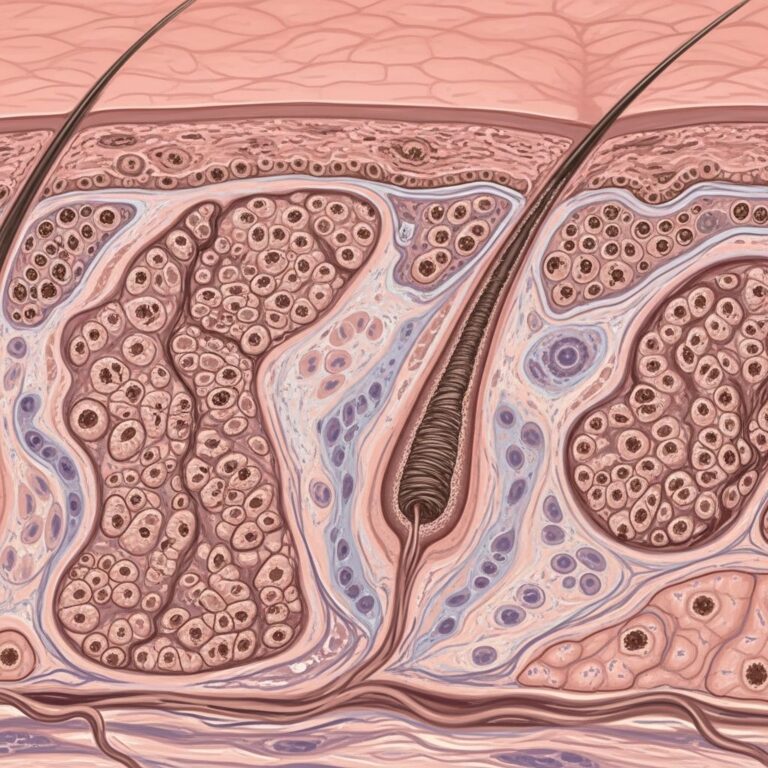
Fragrance Sensitivity and Skin Conditions
Understanding how scented products affect eczema and sensitive skin
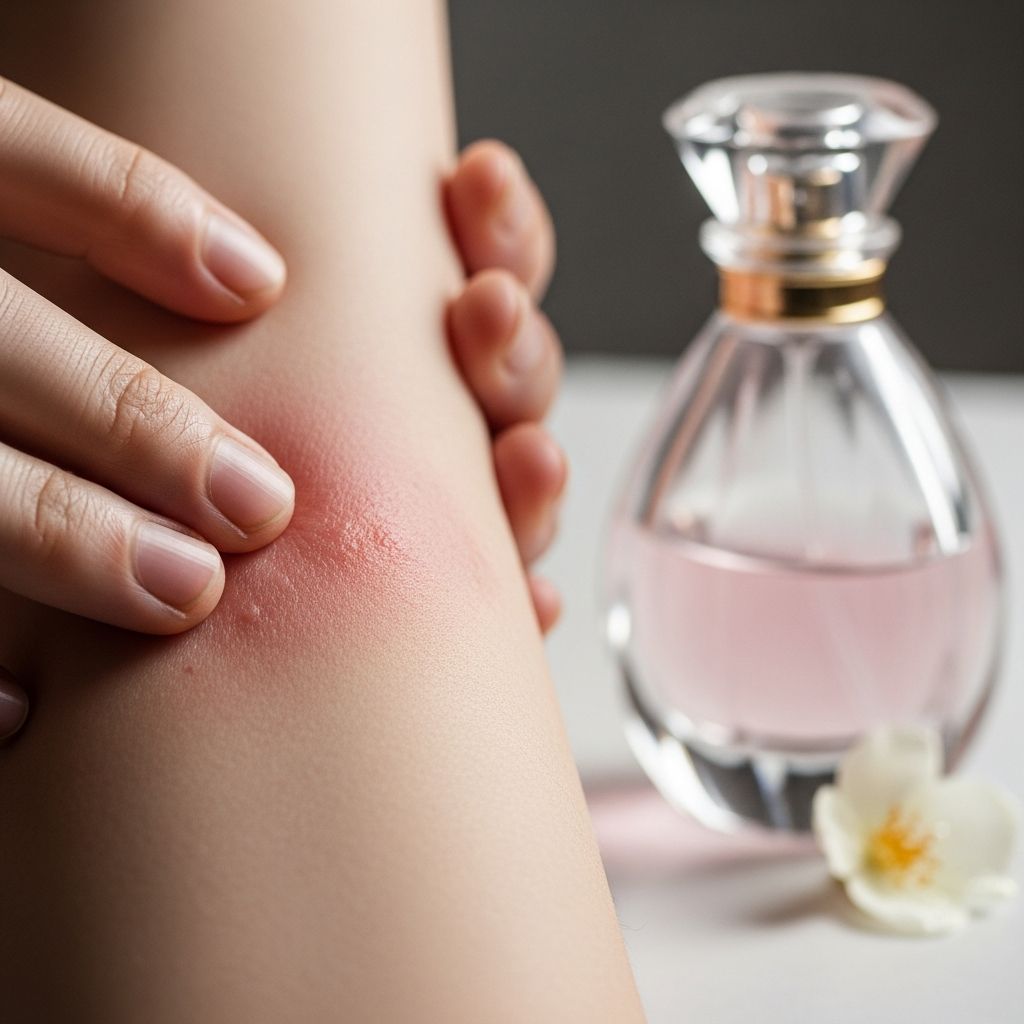
Millions of people worldwide use scented products daily, from perfumes and colognes to fragranced lotions, deodorants, and body washes. While pleasant aromas enhance personal care routines, fragrance compounds represent one of the most common sources of adverse skin reactions, particularly among individuals with sensitive skin or existing dermatological conditions. The relationship between fragrances and skin health deserves careful examination, especially for those managing eczema or other inflammatory skin disorders.
The Prevalence of Fragrance-Related Skin Issues
Contact dermatitis triggered by fragrance exposure affects a significant portion of the population. Research indicates that 1–3 percent of Europeans experience contact dermatitis from fragrance compounds, though actual prevalence may be higher when accounting for underdiagnosed cases. The condition demonstrates a notable gender disparity, with women experiencing fragrance-related allergies more frequently than men, likely reflecting greater overall exposure to scented cosmetic and personal care products.
Fragrance ingredients are particularly problematic because they appear in numerous consumer products. Cosmetics and personal care items with the highest fragrance concentrations—including perfumes, eau de toilette, eau de cologne, aftershave products, and deodorants—represent the primary sources of contact sensitization. Beyond direct application products, fragrance compounds can transfer through household items, creating unexpected exposure pathways.
How Fragrance Compounds Damage the Skin Barrier
When fragrance materials contact skin, they initiate inflammatory responses through multiple mechanisms. Contact dermatitis develops when fragrance compounds trigger inflammation of the skin layer, occurring either through irritant or allergic pathways. The distinction between these two types affects treatment and long-term management strategies.
Allergic contact dermatitis represents the more common fragrance-related reaction. This immune-mediated response requires prior sensitization—an initial exposure that alters immune system reactivity. Once sensitization occurs, the immune system develops specific cells capable of recognizing the fragrance allergen. Upon re-exposure, these sensitized cells trigger an inflammatory cascade, resulting in visible skin manifestations.
Irritant contact dermatitis, by contrast, develops without prior sensitization. Individual fragrance ingredients possess inherent irritant properties, particularly at higher concentrations. This non-allergic reaction can affect anyone exposed to sufficient quantities, regardless of prior exposure history.
Recognizing Fragrance-Related Skin Reactions
Fragrance compounds trigger diverse skin manifestations affecting different body areas depending on exposure patterns and product type.
Contact Dermatitis Presentation
The classic allergic response to fragrance exposure produces characteristic skin changes. Red and swollen skin may develop with itching, small blisters, or vesicles, sometimes progressing to open sores in severe cases. The reaction timeline typically follows a predictable pattern, with symptoms appearing 24 to 72 hours after fragrance exposure.
Location patterns reveal the exposure source. Fragrance-related dermatitis most commonly affects hands, underarms, and facial regions. Underarm reactions frequently result from deodorant application, potentially spreading down the arms and across the body if severe. Facial eczema typically develops from fragranced skincare products or aftershave applications, with shaving microtrauma increasing reactivity risk.
Related Stories



Dermatitis can develop at application sites or spread to distant skin areas through contaminated hands transferring residual product. This “id-eruption” or ectopic pattern means a localized fragrance exposure may trigger widespread skin inflammation.
Urticaria and Immediate Reactions
Some individuals experience immediate contact reactions rather than delayed allergic responses. Urticaria, commonly called hives, produces itching and red or pale raised patches that appear shortly after product application. These reactions typically resolve within minutes to several hours, distinguishing them from classic allergic contact dermatitis.
Specific fragrance compounds trigger urticaria more frequently than others. Cinnamal, cinnamic acid, menthol, vanillin, and benzaldehyde represent common culprits. These aromatic chemicals possess potent biological activity, causing immediate immune reactions in susceptible individuals.
Additional Skin Manifestations
Beyond dermatitis and urticaria, fragrance exposure produces other adverse skin effects:
- Pigmented contact dermatitis results in abnormal skin discoloration alongside inflammation
- Photoallergy and phototoxicity occur when fragrances interact with sunlight exposure, particularly ultraviolet-A radiation
- Systemic contact dermatitis develops from ingestion of fragrance-containing foods, flavored beverages, or spices, manifesting as widespread hand eczema or disseminated rashes
The Fragrance-Eczema Connection
For individuals with existing eczema, the relationship with fragrances differs from primary fragrance allergy. Fragrance allergies do not cause eczema but rather exacerbate preexisting dermatitis. This distinction carries important clinical implications.
Individuals with atopic dermatitis possess inherently compromised skin barriers and heightened immune reactivity. Preexisting eczema serves as a predisposing factor for contact dermatitis development from fragrance exposure. History of atopic dermatitis or irritant dermatitis increases vulnerability to sensitization from fragrances in cosmetics and personal care products.
For eczema patients, fragrance-containing products can perpetuate chronic inflammation even at low fragrance concentrations. New-onset dermatitis may develop, or existing eczema may worsen and become more persistent despite discontinuing product use. This phenomenon occurs because fragrance allergens remain prevalent across multiple product categories, creating unavoidable exposure.
Fragrance Ingredients and Respiratory Effects
Beyond cutaneous manifestations, fragrance exposure affects respiratory health. Inhalation of fragrance compounds can cause respiratory illness, headaches, and migraine attacks. Some fragrance allergens function as asthmagens, meaning they can induce asthma in previously unaffected individuals.
Airborne fragrance exposure occurs through product sprays, volatilization from leave-on products, and environmental dispersion. People in proximity to fragrance users may experience systemic toxicity symptoms without direct skin contact.
Diagnostic Approaches for Fragrance Sensitivity
Accurate diagnosis of fragrance-related skin reactions requires comprehensive clinical evaluation. Dermatologists employ multiple diagnostic strategies to identify responsible fragrance ingredients:
- Detailed patient history examining product use patterns, temporal relationships between exposure and symptoms, and symptom distribution
- Patch testing with fragrance materials to identify specific allergens
- Blood tests for patients with ongoing skin conditions like eczema
- Clinical observation of skin presentation, distribution patterns, and response to allergen avoidance
Patch testing represents the gold standard for identifying contact allergens. This procedure involves applying small quantities of suspected fragrance materials to intact skin under occlusion, then observing for delayed allergic reactions. Proper interpretation of patch test results requires correlation with clinical presentation and patient exposure history.
Risk Factors and Susceptible Populations
Certain demographic and biological factors increase fragrance sensitivity risk. Research demonstrates that female participants show stronger associations with fragrance product exposure, reflecting greater use of fragranced cosmetics. Conversely, participants aged 40 years and older demonstrated inverse associations with scented product exposure, suggesting changing product preferences with age.
Geographic variations also influence fragrance allergy prevalence. European studies found that The Netherlands and Germany showed the highest overall exposure to scented products compared to Sweden. Environmental factors, product availability, and cultural attitudes toward fragrance use likely contribute to these differences.
Individuals with other allergies face elevated fragrance sensitivity risk. Atopic individuals—those with genetic predisposition to allergic diseases—demonstrate increased susceptibility to fragrance contact allergy. Patients with sensitive skin or existing dermatological conditions require particular caution with fragrance-containing products.
Identifying Fragrance Allergens in Consumer Products
Recognizing fragrance-containing products requires careful label examination. Fragrances account for 30–45 percent of allergic reactions in cosmetic products, making them the leading cause of cosmetic contact dermatitis.
“Fragrance-free” versus “unscented” labeling requires careful distinction. Products labeled “fragrance-free” contain no fragrance ingredients and represent the safest choice for fragrance-sensitive individuals. “Unscented” products may include masking fragrances designed to neutralize odors from other ingredients, potentially triggering reactions despite neutral smell.
Natural and organic fragrances present equivalent risks to synthetic alternatives. Essential oils, botanical extracts, and naturally-derived aromatic compounds can trigger identical allergic responses as synthetic fragrance materials. Product origin does not determine allergenicity.
Specific Products of Concern
Certain product categories carry particularly high fragrance concentrations and reactivity risk:
| Product Category | Typical Use Area | Common Reactions |
|---|---|---|
| Deodorants and antiperspirants | Underarms | Axillary dermatitis, spreading to arms and body |
| Aftershave and cologne | Face and neck | Facial eczema, neck dermatitis |
| Perfumes and eau de toilette | Wrists, behind ears, chest | Localized dermatitis at application sites |
| Fragranced skincare products | Face and body | Facial and widespread eczema |
| Flavored foods and beverages | Systemic ingestion | Hand eczema, disseminated reactions |
The axilla (underarm) represents the most significant area predisposed to fragrance dermatitis. Occlusion from clothing combined with warmth and moisture creates an ideal environment for skin barrier disruption and allergen penetration. Fragrance-containing deodorants applied to this sensitive area frequently trigger severe reactions.
Management Strategies for Fragrance-Sensitive Individuals
Once fragrance sensitivity develops, lifelong avoidance of responsible allergens becomes necessary. Contact allergy represents permanent immune system alteration—sensitized cells remain present indefinitely, maintaining reactivity upon re-exposure.
Practical management involves:
- Selecting fragrance-free products exclusively, verifying labels for fragrance, perfume, or botanical extract listings
- Avoiding products labeled merely “unscented” as they may contain masking fragrances
- Transitioning away from all naturally scented personal care items, as natural fragrances pose equivalent risk to synthetic alternatives
- Examining ingredient lists and avoiding products containing known fragrance allergens
- Consulting patch test results to identify specific allergens to eliminate from personal use
- Considering secondary transfer prevention, such as washing hands after touching potentially contaminated surfaces
For individuals with preexisting eczema, fragrance avoidance becomes particularly crucial. Reducing fragrance exposure can prevent disease perpetuation and improve healing of chronic dermatitis. Even low-concentration fragrances in supposedly “gentle” products can maintain active inflammation in sensitized individuals.
Conclusion
Fragrance compounds represent potent skin irritants and allergens affecting millions globally. The prevalence of fragrance sensitivity, combined with ubiquitous fragrance presence across consumer products, creates substantial challenges for affected individuals. For those with eczema or sensitive skin, fragrance avoidance becomes essential for disease management. Understanding fragrance allergenicity, recognizing product categories of concern, and implementing systematic avoidance strategies enables individuals to protect skin health and minimize dermatological complications. Consultation with dermatologists can facilitate proper diagnosis through patch testing, allowing targeted allergen avoidance for improved quality of life.
References
- Side Effects of Perfume and Fragrance Compounds — Norwegian Institute of Public Health (NIPH). 2024. https://www.fhi.no/en/cl/cosmetic-allergy/perfumes-and-fragrances—undesirab/
- Perfumes and associated allergens: A brief review — Cosmoderma. 2024. https://cosmoderma.org/perfumes-and-associated-allergens-a-brief-review/
- Fragrance Allergens — California Department of Public Health (CDPH). December 2024. https://www.cdph.ca.gov/Programs/CCDPHP/DEODC/OHB/CSCP/Pages/FragranceAllergens.aspx
- Perfume Allergies – European Commission — European Commission Health Directorate. 2024. https://ec.europa.eu/health/scientific_committees/opinions_layman/perfume-allergies/en/l-2/2-skin-problems.htm
- Skin exposure to scented products used in daily life and skin sensitization to fragrances — PubMed Central (PMC). 2021. https://pmc.ncbi.nlm.nih.gov/articles/PMC8247875/
Similar Articles








Read full bio of Sneha Tete