Fragrances And Perfumes: Essential Guide To Types, Uses, Risks
Understanding perfumes, their ingredients, uses, and potential skin reactions from irritant to allergic dermatitis.
A
fragrance
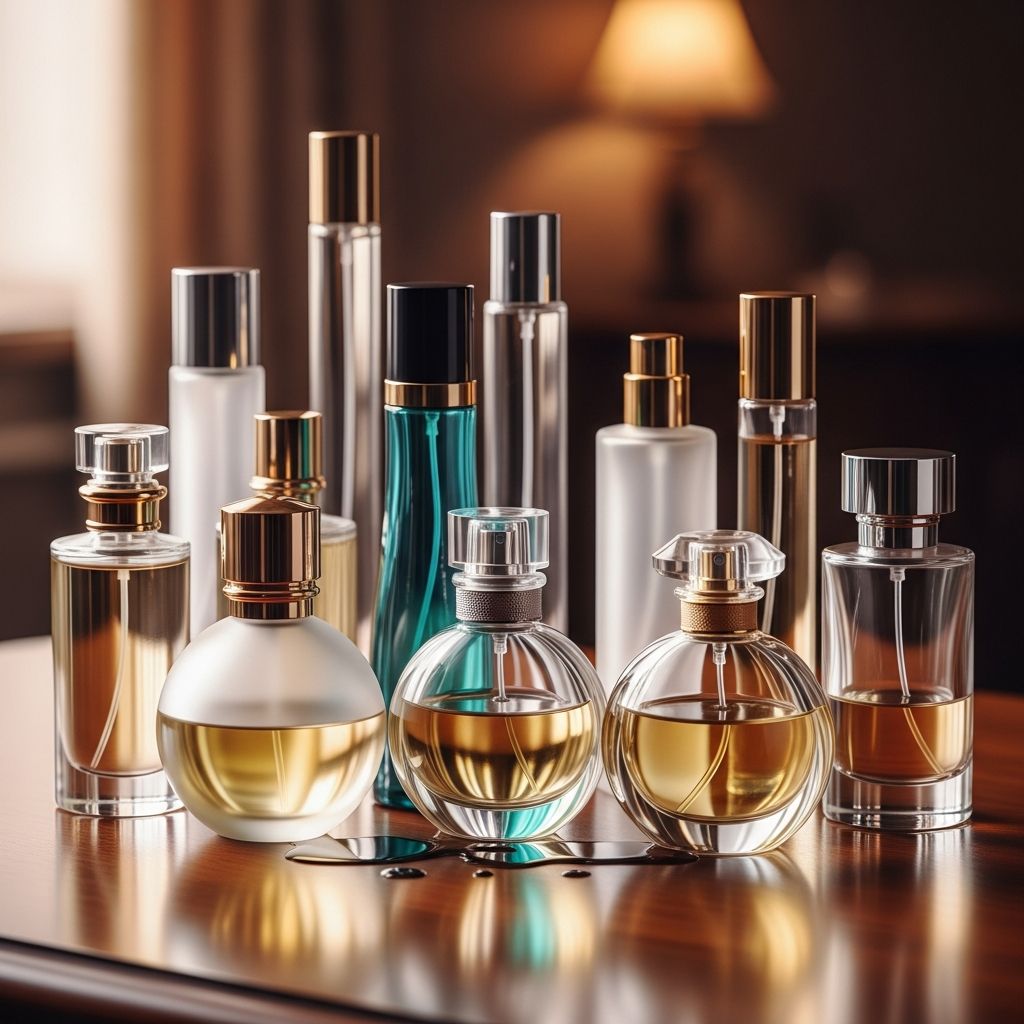
is defined as a combination of organic compounds that produces a distinct smell or odour. Aperfume
is a liquid mixture used to emit a pleasant odour, formed from fragrant essential oils derived from plants and spices or synthetic aromatic compounds.Introduction
Cosmetic fragrances applied to a person’s body to emit a pleasant smell include
perfume
,cologne
, andaftershave
. These products are ubiquitous in daily life, enhancing personal hygiene routines and providing sensory pleasure. However, their widespread use also exposes skin to potential irritants and allergens. Fragrances are not limited to personal care; they appear in household cleaners, laundry detergents, and air fresheners, broadening exposure risks.Understanding the composition and effects of fragrances is crucial, especially for individuals prone to skin sensitivities. This article delves into types, manufacturing, ingredients, applications, adverse reactions, marketing nuances, and terminology clarifications.
Types of Perfume
Perfumes are classified into
5 main groups
based on their concentration of aromatic compounds, which determines longevity and intensity:- Parfum or extrait: 20–30% fragrance concentration. Offers the longest lasting scent, ideal for evening wear.
- Eau de parfum or parfum de toilette: 15–20% concentration. Provides strong projection with good duration.
- Eau de toilette: 5–15% concentration. Lighter and fresher, suitable for daytime use.
- Eau de cologne: 2–4% concentration. Citrus-based, refreshing, with shorter persistence.
- Eau fraiche: 1–3% concentration. Very light, often with watery or fruity notes.
These classifications guide consumer choice based on occasion and preference. Lower concentrations dilute with alcohol and water, reducing intensity but also potential irritation.
Manufacture
The perfume manufacturing process varies by source material. For
natural essences
, it involves:- Collection: Harvesting plants, flowers, spices, or animal sources (though ethical concerns have shifted away from animal-derived musks).
- Extraction: Methods include steam distillation, solvent extraction, enfleurage (fat absorption), or expression (cold pressing for citrus peels).
- Blending: Combining extracts with fixatives and solvents like ethanol.
- Ageing: Maturation for weeks to months to harmonize scents.
**Synthetic perfumes** are laboratory-produced, avoiding natural sourcing challenges like seasonal availability or overharvesting. Synthetics replicate natural scents or create novel ones, offering consistency and cost-effectiveness, though crafting complex profiles can be technically demanding.
Modern perfumery blends both approaches, with regulations ensuring safety, such as EU mandates for labelling 26 common allergens.
Ingredients and Chemical Structures
Perfumes consist of three structural layers for olfactory evolution:
- Head (top) notes: Volatile first impression (e.g., citrus, lavender). Evaporate quickly.
- Middle (heart) notes: Body of the scent (e.g., florals, spices). Emerge after top notes fade.
- Base notes: Lasting foundation (e.g., woods, musks, vanilla). Provide longevity.
Key allergens in
fragrance mix
(used in patch testing) include 8 common sensitisers out of over 5000 fragrances:| Fragrance | Odour Profile | Common Uses |
|---|---|---|
| Cinnamic alcohol | Hyacinth-like | Perfumes, cosmetics, soaps, toothpaste |
| Cinnamic aldehyde | Cinnamon spicy | Perfumes, colognes, essential oils |
| Alpha amyl cinnamic alcohol | Jasmine intense | Soaps, cosmetics, toothpaste |
| Hydroxycitronellal | Lily of the valley | Perfumes, eye creams, aftershaves |
| Oak moss absolute | Earthy, woody | Masculine perfumes, chypre scents |
| Eugenol | Clove-like | Dental products, spices |
| Isoeugenol | Sweet spice | Perfumes, soaps |
| Geraniol | Rose-like | Floral perfumes, citronella |
Related Stories



Interactions between notes alter perceptions; e.g., a base note can amplify a top note. Synthetics like nitro musks have declined due to photoallergy risks.
Uses
Fragrances serve multiple purposes:
- Personal care: Perfumes, deodorants, shampoos, lotions for scent enhancement.
- Cosmetics: Masks base odours in makeup, hair dyes.
- Household: Detergents, cleaners, candles for freshness.
- Therapeutic: Aromatherapy oils (e.g., lavender for relaxation), though risks persist.
About one-third of people report adverse effects from fragranced products, highlighting overexposure.
Adverse Effects
Primary issues are
irritant
andallergic reactions
. Direct skin application absorbs chemicals, triggeringallergic contact dermatitis (ACD)
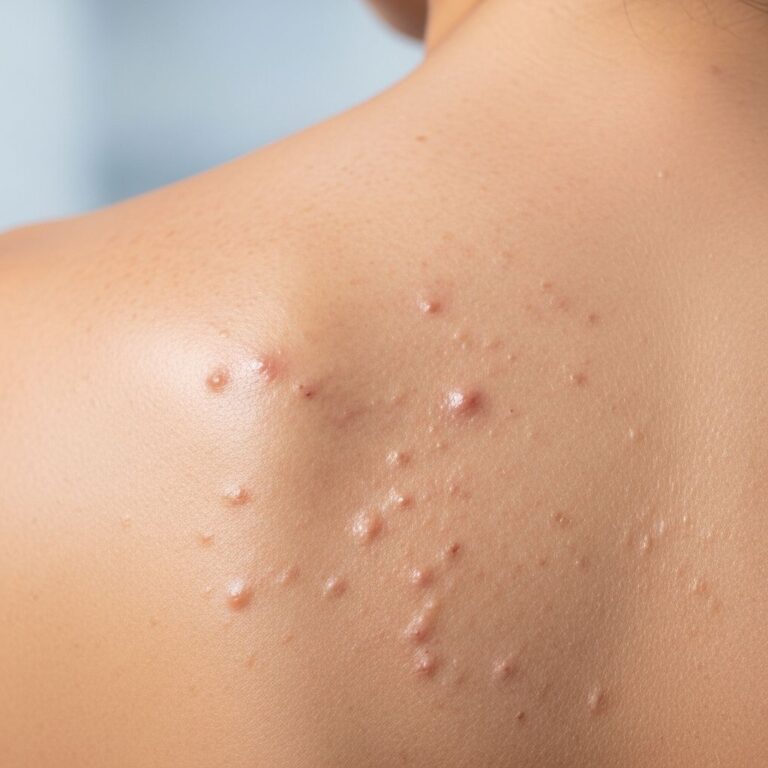
in sensitised individuals (1-2% prevalence).Symptoms: Redness, itching, vesicles on neck, face, hands, axillae from aftershaves, creams. Airborne contact from sprays affects face/eyes.
Photoallergy
(e.g., from musk ambrette) causes dermatitis on sun-exposed areas.Diagnosis via
patch testing
with fragrance mix I/II (75% detection with balsam of Peru), colophonium. Positive tests confirm allergy to one or more components.Differential diagnoses: Irritant dermatitis, atopic eczema, airborne ACD.
Treatment: Avoidance, topical steroids, calcineurin inhibitors for severe cases. Outcomes improve with strict avoidance.
Differences in Marketing
Terms like
’pour homme’
(for men) and’pour femme’
(for women) reflect cultural stereotypes:- Masculine: Oriental, woody, musky (e.g., sandalwood, vetiver).
- Feminine: Fruity, floral (e.g., rose, jasmine).
Unisex options blend both. Marketing drives perceptions, not inherent properties.
What Do the Terms ‘Fragrance-Free’ and ‘Unscented’ Mean?
–
Fragrance-free
: No materials added solely for scent, but may include fragrances for non-scent purposes (e.g., analgesics like menthol).–
Unscented
: Contains neutralisers/masking agents to hide other odours, potentially including allergens.Allergy sufferers should read labels for the 26 EU-mandated allergens (e.g., limonene, linalool) and use open application tests for new products.
Frequently Asked Questions (FAQs)
What causes fragrance allergy?
Allergy to one or more of 5000+ fragrance chemicals, detected by patch testing fragrance mix (8 common allergens).
How common is fragrance allergy?
Affects 1-2% of the population; up to one-third report health effects from fragranced products.
How is fragrance allergy diagnosed?
Patch testing with fragrance mixes I/II and balsam of Peru; positive reaction indicates sensitisation.
What products should fragrance-allergic people avoid?
All listing ‘fragrance’, specific allergens (e.g., cinnamal, eugenol), or botanicals/herbals that may contain hidden fragrances.
Are ‘fragrance-free’ products safe for allergies?
Not always; they may have therapeutic fragrances or masking agents. Check ingredient lists.
Appendix: 26 EU-Labelled Fragrances
- Alpha-isomethyl ionone
- Amyl cinnamal
- Anisyl alcohol
- Benzyl alcohol
- Benzyl benzoate
- Benzyl cinnamate
- Citronellol
- Coumarin
- Eugenol
- Evernia furfuracea (tree moss) extract
- Evernia prunastri (oak moss) extract
- Farnesol
- Geraniol
- Hexyl cinnamal
- Hydroxycitronellal
- Hydroxyisohexyl 3-cyclohexene carboxaldehyde
- Isoeugenol
- Linalool
- Cinnamal
- Cinnamyl alcohol
- Limonene
- Lyral (old name)
- Methyl 2-octynoate
- α-Isomethyl ionone (repeated for emphasis)
(Note: Full list per EU Regulation; consult official sources for updates.)
References
- Fragrances and Perfumes — DermNet NZ. 2023-10-15. https://dermnetnz.org/topics/fragrances-and-perfumes
- Fragrance & Perfume Contact Allergy — DermNet NZ / SkinIdent. 2007-12-24. https://www.skinident.world/fileadmin/img/spanish-pictures/pdf/Allergy_to_Fragrance.pdf
- Fragrance Mix Allergy — DermNet NZ. 2023-05-20. https://dermnetnz.org/topics/fragrance-mix-allergy
- Fragrance Allergy — DermNet NZ. 2024-01-10. https://dermnetnz.org/topics/fragrance-allergy
- Fragrance Contact Allergy – A Review Focusing on Patch Testing — PMC / NIH. 2024-08-15. https://pmc.ncbi.nlm.nih.gov/articles/PMC11334351/
- Fragrances: Contact Allergy and Other Adverse Effects — SAGE Journals / Dermatitis. 2019-06-01. https://journals.sagepub.com/doi/10.1097/DER.0000000000000463
Similar Articles








Read full bio of Sneha Tete