Frequent Urination: Causes, Symptoms & Treatment
Understanding frequent urination: explore causes, symptoms, and effective treatment options.
Understanding Frequent Urination
Frequent urination is the need to urinate more often than usual throughout the day and night. While occasional increases in bathroom visits are normal and expected, persistent frequent urination can significantly impact your quality of life and may indicate an underlying health condition. This symptom can affect anyone at any age, though it becomes increasingly common in people over 70, pregnant women, and those with an enlarged prostate.
Understanding the causes and symptoms of frequent urination is essential for determining when you need medical attention and what treatment options may be appropriate for your situation. Many conditions and lifestyle factors can contribute to increased urinary frequency, ranging from minor and easily treatable causes to more serious medical conditions that require professional intervention.
What Causes Frequent Urination?
Urinary Tract Infections (UTIs)
Urinary tract infections are the most common cause of frequent urination. UTIs are bacterial infections that affect your urinary system, including your urethra, bladder, and kidneys. When bacteria enter the urinary tract, they trigger inflammation and irritation, causing an increased urge to urinate. Patients with UTIs often experience frequent urination accompanied by painful or burning urination, cloudy urine, and sometimes a fever. UTIs are more common in women due to anatomical differences, but they can occur in men and children as well.
Diabetes and Blood Sugar Control
Frequent urination is a common symptom of both Type 1 and Type 2 diabetes. When your body cannot use insulin effectively to break down glucose (sugar), excess glucose accumulates in your bloodstream. Your kidneys work to eliminate this excess sugar by producing more urine, a condition known as polyuria. This can result in significantly higher urine volumes when you urinate compared to other causes of frequent urination. Managing your blood sugar levels through medication, diet, and exercise can help reduce this symptom.
Enlarged Prostate (Benign Prostatic Hyperplasia)
Benign prostatic hyperplasia (BPH) causes the prostate gland to increase in size, typically beginning in a man’s mid-50s. As the prostate enlarges, it can put pressure on the urethra and bladder, obstructing normal urine flow. This obstruction makes it more difficult to completely empty the bladder, causing it to fill more quickly and creating frequent urination. Over time, the constant strain of pushing urine through a compressed urethra can cause the bladder to become overactive, similar to an overworked muscle.
Pregnancy
Pregnant women frequently experience increased urinary frequency due to hormonal changes and the physical pressure the growing fetus places on the bladder. As pregnancy progresses, the expanding uterus directly compresses the bladder, reducing its capacity to hold urine. Additionally, hormonal shifts increase blood flow to the kidneys, producing more urine. This symptom typically begins early in pregnancy and can persist throughout the nine-month period.
Medications and Diuretics
Certain medications can increase urinary frequency as a side effect. Diuretics, commonly prescribed for high blood pressure and heart conditions, work by increasing urine production to remove excess fluid from the body. Other medications that may cause frequent urination include some antidepressants, corticosteroids, and certain diabetes medications. If you suspect your medication is causing frequent urination, consult with your healthcare provider about alternative options.
Related Stories



Caffeine and Alcohol Consumption
Both caffeine and alcohol are natural diuretics that increase urine production. Caffeine stimulates the bladder and increases the frequency of urination, while alcohol inhibits the production of antihormones that normally concentrate urine. Reducing your intake of caffeinated beverages, energy drinks, and alcoholic drinks can help decrease urinary frequency. Additionally, excessive fluid consumption, particularly before bedtime, can lead to increased nighttime urination.
Neurological Conditions
Certain neurological disorders can affect how your nervous system and bladder work together. Damaged nerves may cause neurogenic bladder, a condition where the bladder doesn’t function properly due to nerve damage. Common neurological conditions that cause frequent urination include multiple sclerosis, Parkinson’s disease, stroke, and spinal cord injuries. These conditions disrupt the normal nerve signaling pathways that control bladder function.
Overactive Bladder (OAB)
Overactive bladder is a collection of symptoms characterized by sudden, uncontrollable urges to urinate, frequent urination, and sometimes incontinence. OAB can result from several underlying causes including nerve damage, infections, medications, being overweight, and estrogen deficiency. Unlike simple frequent urination, OAB involves the bladder contracting involuntarily, creating the urgent need to urinate even when the bladder contains small amounts of urine.
Other Causes and Conditions
Additional causes of frequent urination include:
- Bladder or kidney stones
- Sexually transmitted infections (STIs)
- Anxiety and stress-related disorders
- Interstitial cystitis (painful bladder syndrome)
- Bladder cancer
- Pelvic organ prolapse in women
- Prostate cancer or tumors
- Heart conditions and leg swelling
- Diverticulitis
- Effects of stroke or radiation therapy
- Vaginal inflammation (vaginitis)
Recognizing Symptoms of Frequent Urination
You might have frequent urination if you experience the following:
- Needing to urinate more than 8 times in a 24-hour period
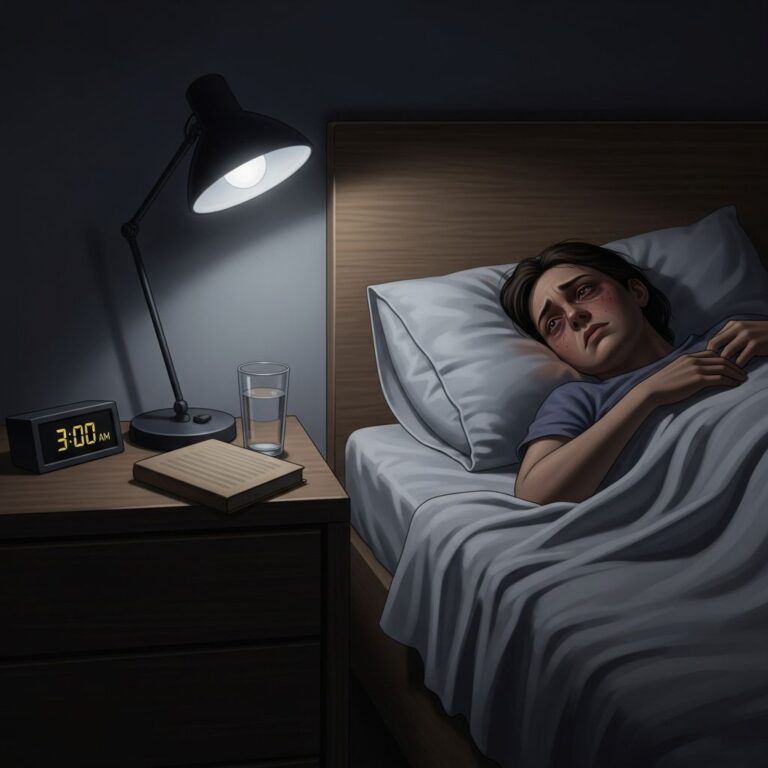
- Waking up more than once during the night to urinate (nocturia)
- Sudden, uncontrollable urges to urinate
- Small volumes of urine with each void
- Urgency that disrupts daily activities or sleep
Differentiating Between Related Conditions
It’s common for patients to confuse frequent urination with other related conditions. However, there are important distinctions:
| Condition | Definition | Key Characteristic |
|---|---|---|
| Frequent Urination | The need to urinate more often than usual | Increased frequency throughout the day and night |
| Urinary Incontinence | Accidental leakage of urine | Involuntary loss of bladder control |
| Overactive Bladder (OAB) | Uncontrollable bladder spasms causing urgent urges | Sudden, irresistible urges to urinate |
| Urinary Urgency | A sudden need to urinate immediately | Inability to delay urination |
When to See a Healthcare Provider
Schedule an appointment with a healthcare provider if frequent urination is new, persistent, or affecting your daily life. Seek immediate medical attention if you experience:
- Blood in your urine
- Painful or burning urination
- Persistent bladder infections
- Fever accompanied by urinary symptoms
- Difficulty urinating or weak urine stream
- If you’re over 55 years old with new-onset frequent urination
Diagnosis and Evaluation
During your appointment, a healthcare provider may ask you several questions to understand your symptoms better:
- How many times do you urinate in a 24-hour period?
- How many times per night do you wake to urinate?
- When did this symptom start?
- What medications are you currently taking?
- How much fluid do you drink daily?
- Do you experience pain or burning with urination?
- Have you noticed blood in your urine?
- Do you have a family history of diabetes or bladder problems?
Your provider may order diagnostic tests such as urinalysis, urine culture, blood glucose testing, or imaging studies to identify the underlying cause of your symptoms.
Understanding Bladder Function
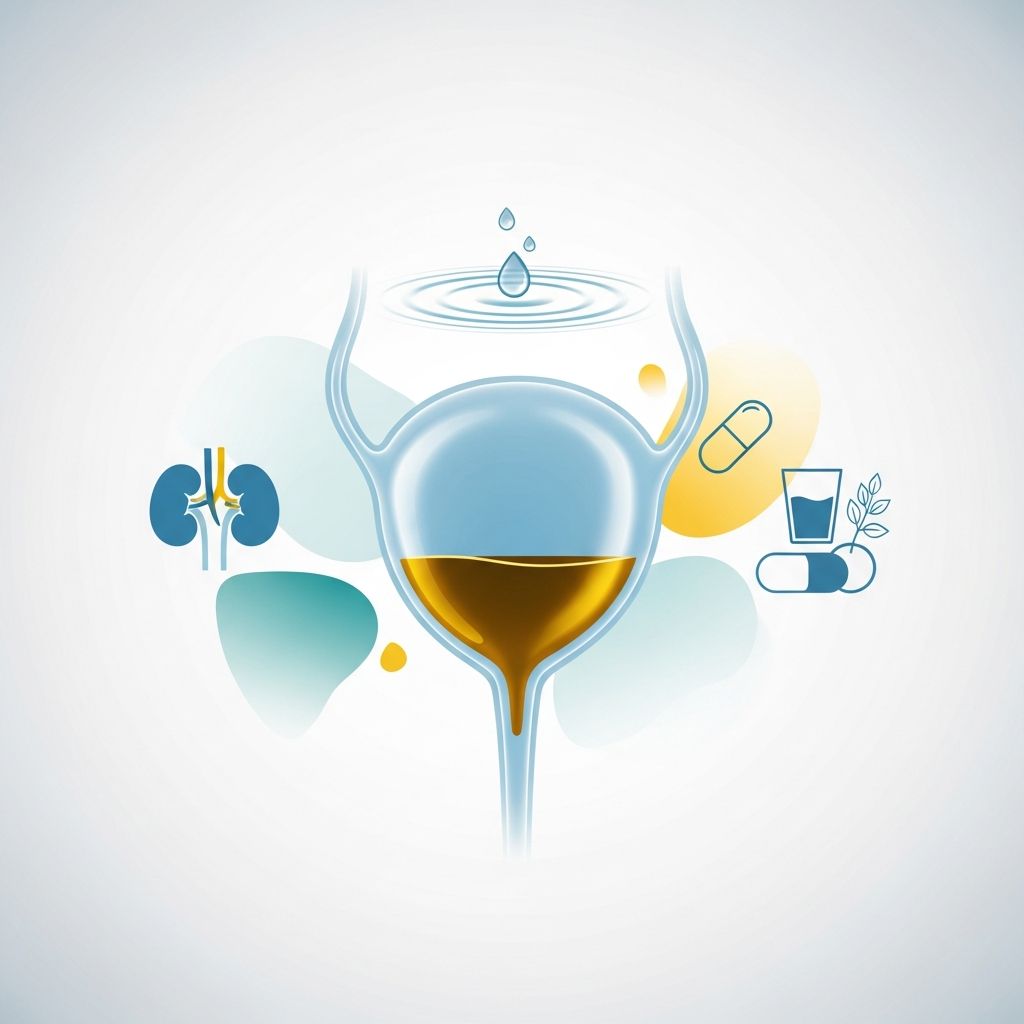
To better understand frequent urination, it helps to know how your bladder normally functions. When you eat food and drink fluids, your body breaks down these substances into nutrients that fuel various biological processes. Your kidneys filter waste products from your blood and create urine, which is then stored in your bladder. The bladder is a hollow organ approximately the size of a grapefruit located in your pelvic area. As it fills with urine, it expands. When you urinate, the walls of your bladder contract, pushing urine out through the urethra. When you’re finished, your bladder shrinks back to its resting state.
The bladder typically holds between 350 and 400 milliliters of fluid. Once your bladder reaches capacity, nerve signals trigger the urge to urinate. If your bladder fills too quickly or cannot hold adequate amounts of urine, you may experience frequent urination and urinary urgency, which are known as storage symptoms. Voiding symptoms, by contrast, relate to difficulty emptying the bladder completely, such as having a weak urinary stream or sensation of incomplete emptying.
Treatment Options for Frequent Urination
Lifestyle Modifications
Many cases of frequent urination can be managed through simple lifestyle changes. Reducing fluid intake two hours before bedtime can significantly decrease nighttime urination. Limiting caffeine and alcohol consumption helps reduce bladder irritation and diuretic effects. Maintaining a healthy weight can reduce pressure on the bladder, and performing pelvic floor exercises (Kegel exercises) can strengthen bladder control. Establishing a regular bathroom schedule can also help retrain your bladder.
Medical Treatments
Treatment depends on the underlying cause of your frequent urination. For UTIs, antibiotics eliminate the bacterial infection. For diabetes-related polyuria, better blood sugar control through medication and lifestyle changes reduces symptoms. For an enlarged prostate, medications or surgical procedures may be recommended to improve urine flow. For overactive bladder, medications that relax bladder muscles can reduce symptoms. Nerve stimulation therapy may be considered for certain neurological causes.
Addressing Underlying Conditions
If frequent urination is caused by a specific medical condition, treating that condition often resolves the symptom. For example, managing diabetes effectively typically reduces polyuria, and treating a urinary tract infection eliminates infection-related frequent urination. It’s crucial to work with your healthcare provider to identify and treat the root cause rather than simply managing the symptom.
Frequently Asked Questions
Q: Is frequent urination always a sign of a serious condition?
A: No, frequent urination can result from benign causes such as excessive fluid intake, caffeine consumption, or normal pregnancy. However, persistent or sudden-onset frequent urination warrants evaluation by a healthcare provider to rule out serious conditions.
Q: What is the normal frequency of urination?
A: Most people urinate 6 to 8 times per day. Urinating more than 8 times daily (or more than once at night) may be considered frequent urination, depending on your individual baseline and fluid intake.
Q: Can stress cause frequent urination?
A: Yes, anxiety and stress can trigger or exacerbate frequent urination by affecting nerve signals to the bladder and increasing muscle tension in the pelvic area.
Q: How is frequent urination in men different from women?
A: While UTIs cause frequent urination in both genders, men are more likely to experience it due to an enlarged prostate, while women may experience it due to pelvic organ prolapse or vaginal inflammation. Pregnancy-related frequent urination occurs only in women.
Q: Can medications other than diuretics cause frequent urination?
A: Yes, certain antidepressants, corticosteroids, and some diabetes medications can cause frequent urination as a side effect. Always discuss potential side effects with your healthcare provider.
Q: When should I be concerned about frequent urination at night?
A: Waking more than once per night to urinate (nocturia) warrants medical evaluation, especially if it’s a new symptom or significantly disrupts your sleep quality.
Q: Can diet changes help reduce frequent urination?
A: Yes, reducing caffeine and alcohol intake, managing fluid consumption, and maintaining a healthy diet can help reduce urinary frequency in many cases.
Q: What is the difference between storage and voiding symptoms?
A: Storage symptoms involve bladder filling too quickly or not holding enough urine, causing frequency and urgency. Voiding symptoms relate to difficulty emptying the bladder, such as weak stream or incomplete emptying.
References
- Frequent Urination: Causes, What It Means & How To Stop — Cleveland Clinic. Accessed December 2025. https://my.clevelandclinic.org/health/symptoms/15533-frequent-urination
- What Your Bladder Is Trying to Tell You About Your Health — Cleveland Clinic Health. Accessed December 2025. https://health.clevelandclinic.org/what-your-bladder-is-trying-to-tell-you-about-your-health-2
- Common Causes for Frequent Urination in Men — Cleveland Clinic Health. Accessed December 2025. https://health.clevelandclinic.org/frequent-urination-in-men
- Overactive Bladder (OAB): Causes, Symptoms & Treatment — Cleveland Clinic. Accessed December 2025. https://my.clevelandclinic.org/health/diseases/14248-overactive-bladder
- Nocturia: Causes, Symptoms, Diagnosis & Treatment — Cleveland Clinic. Accessed December 2025. https://my.clevelandclinic.org/health/diseases/14510-nocturia
- Lower Urinary Tract Symptoms (LUTS): Overview — Cleveland Clinic. Accessed December 2025. https://my.clevelandclinic.org/health/symptoms/24248-lower-urinary-tract-symptoms
Similar Articles








Read full bio of medha deb