Are Fresh Juice Drinks Really as Healthy as They Seem?
Discover the truth about fresh juice drinks and their impact on your health and weight.
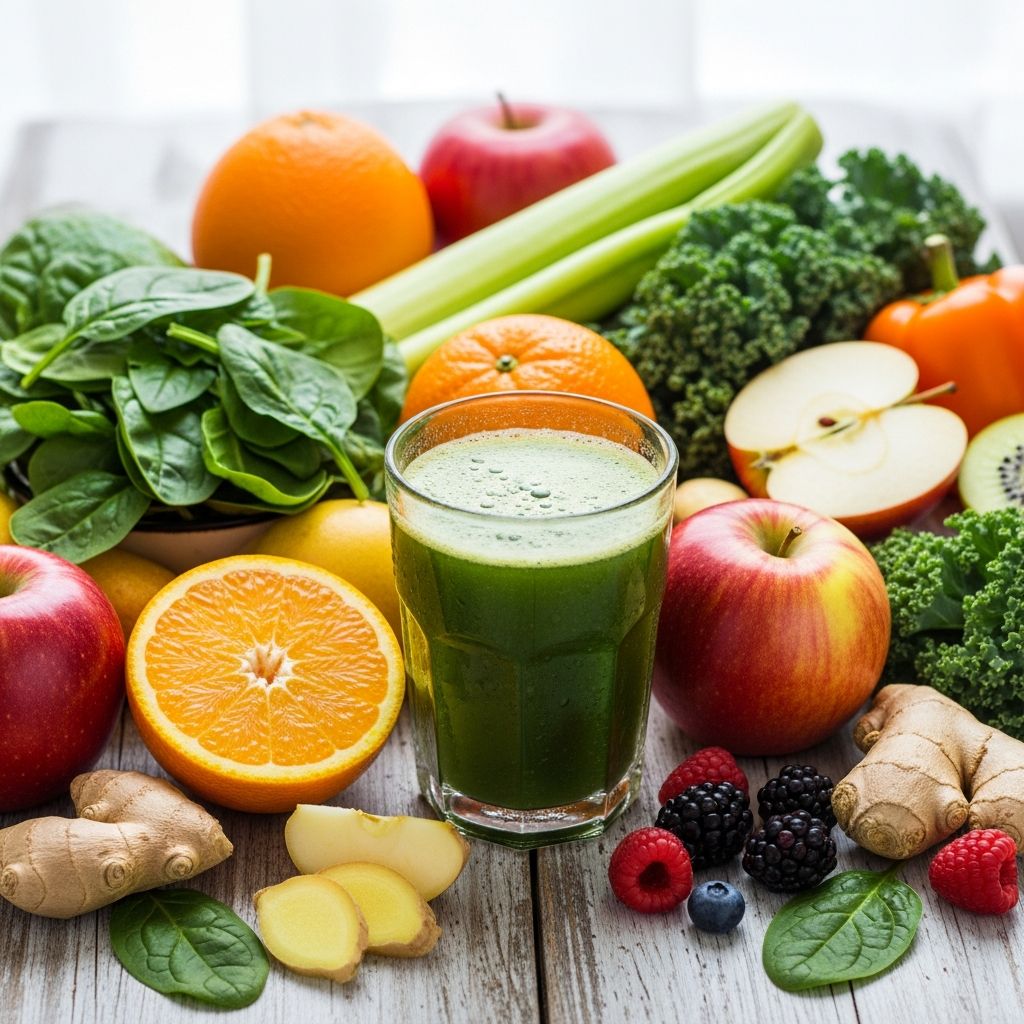
When you pour a glass of fresh juice, you might envision wholesome nutrition flowing into a glass. Brightly colored orange juice, vibrant apple cider, or nutrient-packed vegetable blends seem like natural choices for health-conscious individuals seeking an easy way to consume fruits and vegetables. However, nutrition experts at Harvard and other leading research institutions have discovered that fresh juice drinks may not be as beneficial as many people believe. Understanding the truth about juice consumption can help you make informed decisions about your dietary choices and overall health.
The Appeal of Fresh Juice
The popularity of fresh juice drinks stems from several compelling factors. Juice represents a convenient way to consume multiple servings of fruits and vegetables in a single beverage. It requires no chewing, no preparation beyond pouring, and delivers micronutrients directly in liquid form. Marketing campaigns have reinforced the perception that juice is inherently healthy, often positioning it as a superior alternative to whole fruits and vegetables. Many people believe that drinking fresh juice provides similar nutritional benefits to eating whole produce, but this assumption overlooks critical nutritional differences.
The Hidden Problem: Sugar Content
The primary concern nutrition experts raise about fresh juice drinks involves their sugar content. When fruits are processed into juice, the natural sugars concentrate significantly. A single glass of orange juice, for example, may contain the juice from three or more oranges squeezed into a beverage that can be consumed in just one or two minutes. Walter Willett, professor of epidemiology and nutrition at Harvard, explains the problem clearly: “How often do we eat three oranges? Yet, a glass of OJ is about three oranges that can be consumed in a minute or two, and we can go back and have another, and that will add many calories and lead to a spike in blood glucose.” This rapid consumption of concentrated natural sugars causes blood glucose to spike dramatically, triggering insulin responses that the body would not experience when consuming the same fruits whole.
Lack of Fiber and Satiety
One of the most significant nutritional differences between fresh juice and whole fruit involves dietary fiber. When fruits are processed into juice, much of the insoluble fiber is removed or significantly reduced. Fiber plays a crucial role in digestive health, helping to slow sugar absorption and promote feelings of fullness. When you eat a whole orange, the fiber content helps moderate blood sugar response and promotes satiety, meaning you feel satisfied longer. In contrast, juice provides concentrated sugars without the fiber needed to slow their absorption or promote feelings of fullness, making it easier to overconsume calories without feeling satisfied.
Weight Gain and Metabolic Effects
Recent research has quantified the relationship between juice consumption and weight gain. A comprehensive meta-analysis published in JAMA Pediatrics examined 42 studies involving both children and adults. The findings revealed that among children, each additional daily serving of 100% fruit juice was associated with a 0.03 higher body mass index (BMI), and among adults, a 0.02 BMI change. While these numbers may seem small, they represent measurable increases in body weight across populations. The mechanism behind this weight gain involves the high calorie density of juice combined with its inability to promote satiety, leading to excess calorie consumption and metabolic stress.
Related Stories



Understanding Juice Recommendations
Leading health authorities have established clear guidelines about appropriate juice consumption. The Dietary Guidelines for Americans recommends no more than one serving (4 ounces) of 100% fruit juice as part of the daily fruit intake. This modest recommendation reflects the understanding that while juice contains beneficial nutrients found in fruit, its concentrated sugar content and lack of fiber make it problematic as a primary source of fruit servings. Many Americans exceed this recommendation significantly, consuming 8 ounces, 12 ounces, or even larger servings daily, substantially increasing their sugar intake.
Distinguishing Between Juice Types
Not all juice drinks are created equal, and understanding the differences matters for making informed choices. One hundred percent fruit juice contains primarily the natural components of fruit without added sugars, preservatives, or artificial sweeteners. However, it still presents the concentrated sugar problem discussed above. Fruit drinks, in contrast, typically contain 25-99% juice combined with added sugars, artificial sweeteners, water, and various additives. According to research, almost all (97%) fruit drinks sampled had at least one nutrition-related claim on their labels. These marketing claims often create misleading impressions about product healthfulness. Claims about vitamin C content, natural ingredients, or juice percentages frequently appear on products that are high in sugar and calories, contributing to consumer confusion about which products genuinely support health.
Marketing Claims and Consumer Confusion
Nutrition claims on juice packaging create significant confusion about product healthfulness. Implied natural claims such as “natural flavors” were the most common claims found on fruit drinks (55% of products), followed by claims about juice or nectar presence (49%). These marketing strategies capitalize on consumer perception that natural means healthy. However, research shows that fruit drinks with certain claim types—including vitamin C claims, juice or nectar claims, and natural claims—are actually higher in calories and total sugar than products without these claims. Furthermore, only 23% of fruit drink products had fruit or juice listed as one of the first two ingredients, meaning most of the product consists of water, sweeteners, and additives. The disconnect between marketing claims and actual nutritional content misleads consumers, particularly parents seeking healthy options for their children.
Liver Health and Metabolic Consequences
Beyond weight gain, excessive juice consumption carries broader metabolic implications. A Harvard-trained gastroenterologist recently ranked beverages on their liver health impact. Store-bought fruit juice received a score of just 1 out of 10 due to its high added sugar and preservative content, which increases the risk of fatty liver disease and metabolic syndrome. Even fresh fruit juice scored only 4 out of 10, primarily because of its high fructose content and lack of fiber. These rankings reflect growing research linking excess fruit juice consumption, particularly fructose from juice, to non-alcoholic fatty liver disease and metabolic dysfunction. The liver processes fructose differently than glucose, and excessive fructose consumption from juice can overwhelm the liver’s metabolic capacity, leading to fat accumulation and reduced liver function.
Comparison of Beverage Options
For those seeking healthy beverages, understanding the comparative nutritional profiles of different options helps guide better choices:
| Beverage Type | Liver Health Score | Key Characteristics | Recommended Serving |
|---|---|---|---|
| Water | 10/10 | Essential for hydration, toxin removal, overall liver function | Unlimited |
| Black Coffee | 9/10 | Proven to reduce liver disease and fibrosis risk without sugar or cream | Up to 3-4 cups daily |
| Unsweetened Vegetable Juice | 8/10 | Low in sugar, rich in vitamins and minerals supporting liver health | 4-8 ounces daily |
| Beetroot Juice | 7/10 | High in nitrates and antioxidants; helps reduce inflammation | 2-4 ounces daily |
| Lemon Water | 6/10 | Mildly detoxifying and hydrating; more beneficial for hydration | 8-16 ounces daily |
| Fresh Fruit Juice | 4/10 | High fructose content, lacks fiber, risk of overload | 4 ounces maximum |
| Sweetened Tea | 2/10 | Filled with sugar; causes inflammation and liver stress | Minimize or avoid |
| Store-Bought Fruit Juice | 1/10 | High added sugars and preservatives; increases fatty liver risk | Minimize or avoid |
Practical Recommendations for Better Health
Based on current nutritional science, several practical strategies support better health outcomes than relying on juice consumption. First, prioritize whole fruits and vegetables over juiced versions. When you eat a whole apple or orange, you consume fiber, experience satiety, and avoid the rapid blood sugar spike that juice causes. Second, if you do consume juice, adhere to the four-ounce serving recommendation and treat it as an occasional indulgence rather than a daily beverage. Third, replace juice with water as your primary beverage, which supports hydration and overall health without any metabolic disadvantages. Fourth, consider vegetable-based beverages or vegetable juice as a better alternative to fruit juice, as they contain fewer natural sugars while still providing micronutrients. Finally, be skeptical of marketing claims on beverage packaging, recognizing that “natural,” “fresh,” and “juice” claims do not necessarily indicate nutritional value.
The Bottom Line on Fresh Juice
While fresh juice drinks may seem like a healthy choice based on their fruit origins, the nutritional reality differs significantly from the perception. The concentration of natural sugars without accompanying fiber creates metabolic stress, leads to weight gain, and increases disease risk. The absence of satiety-promoting fiber means juice consumption rarely satisfies hunger, making it easy to overconsume calories. Marketing claims on juice packaging frequently mislead consumers about healthfulness, particularly parents seeking nutritious options for children. Nutrition experts at Harvard and other leading institutions consistently recommend limited juice consumption, with the Dietary Guidelines for Americans suggesting no more than four ounces daily as part of fruit intake. For optimal health outcomes, whole fruits, vegetables, water, and other unsweetened beverages provide superior nutritional profiles without the metabolic disadvantages of juice. Understanding these distinctions empowers you to make informed dietary choices that genuinely support your health and well-being rather than following marketing-driven assumptions about juice’s inherent healthfulness.
Frequently Asked Questions (FAQs)
Q: Is 100% fruit juice healthier than fruit drinks with added sugar?
A: While 100% fruit juice contains no added sugars compared to fruit drinks, it still presents metabolic challenges due to concentrated natural sugars and lack of fiber. Both should be consumed in limited quantities. Water and whole fruits represent better alternatives.
Q: Can fresh juice help me lose weight?
A: Fresh juice is unlikely to support weight loss efforts because it provides concentrated calories without promoting satiety. Research shows that regular juice consumption is associated with weight gain in both children and adults. Whole fruits and water are better choices for weight management.
Q: How much juice is safe to consume daily?
A: The Dietary Guidelines for Americans recommends no more than one serving (4 ounces) of 100% fruit juice daily as part of your fruit intake. Many people exceed this recommendation significantly, increasing their sugar consumption and metabolic burden.
Q: What’s a healthier alternative to fruit juice?
A: Water is the optimal choice for hydration and overall health. If you want additional flavor, try unsweetened vegetable juice, black coffee without added sugars, or whole fruits and vegetables that provide fiber along with natural sugars.
Q: Do juice cleansing diets provide health benefits?
A: Juice cleansing diets are not supported by scientific evidence and may actually harm your health by providing excessive sugar, inadequate nutrients, and potential metabolic stress. Your body has natural detoxification systems that function best with adequate hydration and balanced nutrition.
References
- Fruit Juice and Weight Gain: Meta-Analysis Study — Harvard T.H. Chan School of Public Health. 2024-01-25. https://hsph.harvard.edu/news/fruit-juice-weight-gain/
- Harvard University Expert Reveals Top 10 Drinks for Liver Health — Times of India. 2024. https://timesofindia.indiatimes.com/life-style/health-fitness/health-news/harvard-university-expert-reveals-top-10-drinks-that-boost-liver-health-and-what-you-should-avoid/articleshow/122158069.cms
- Healthy Beverage Guidelines — The Nutrition Source, Harvard T.H. Chan School of Public Health. https://nutritionsource.hsph.harvard.edu/healthy-drinks-full-story/
- Nutrition Claims on Fruit Drinks Are Inconsistent Indicators of Nutritional Content — National Institutes of Health. https://pmc.ncbi.nlm.nih.gov/articles/PMC7752796/
Similar Articles








Read full bio of Sneha Tete