Fresh vs. Frozen Vegetables: Are We Giving Up Nutrition for Convenience?
Uncover the truth: Do frozen vegetables sacrifice nutrition for convenience, or can they be just as healthy—or even healthier—than fresh produce?
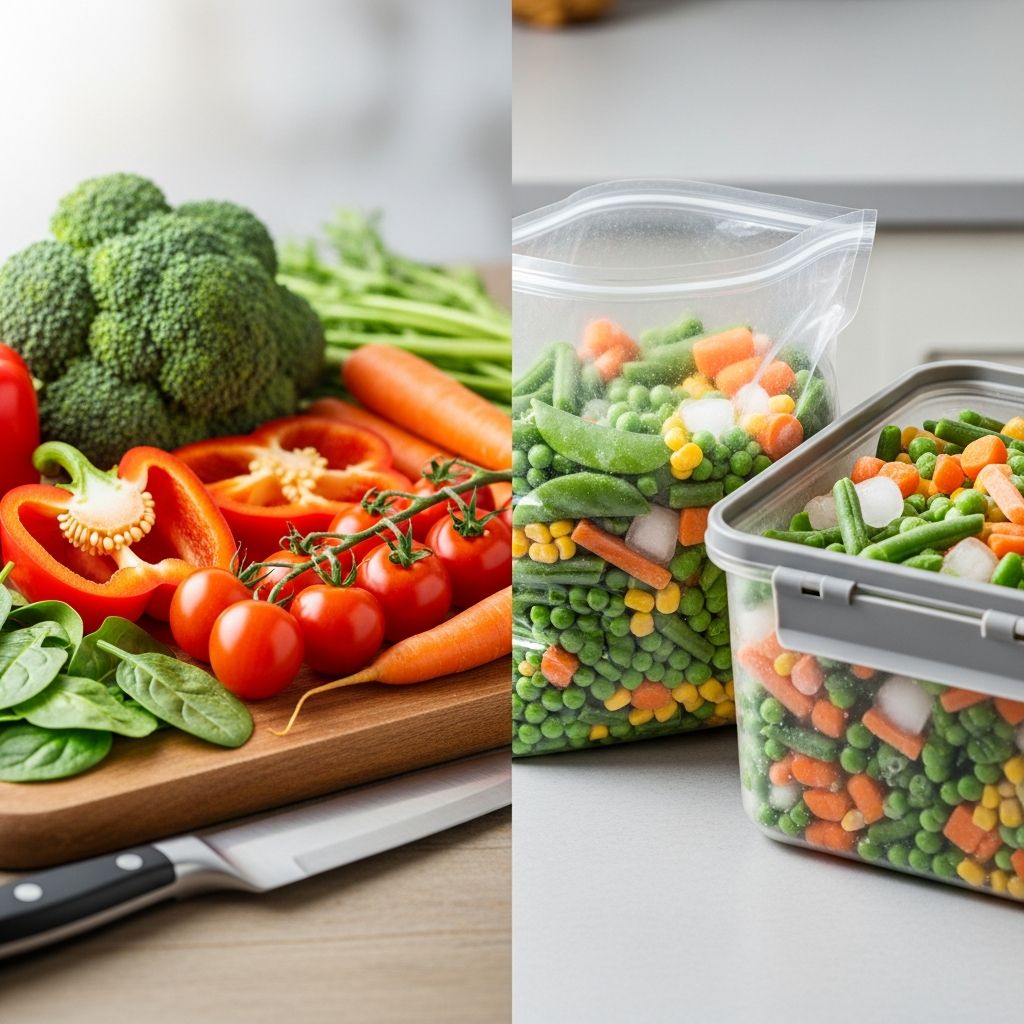
In today’s fast-paced world, convenience often dictates our grocery choices. Fresh vegetables promise vibrancy and flavor, but they come with a short shelf life and higher costs. Frozen vegetables, on the other hand, offer year-round availability, affordability, and ease of use. But at what nutritional cost? Many assume fresh produce is always superior, yet research challenges this notion. Frozen vegetables are often harvested at peak ripeness and flash-frozen, locking in nutrients before significant losses occur during transport and storage. This article dives deep into the science, comparing nutrient retention, practical benefits, and expert insights to help you make informed choices.
How Fresh Vegetables Lose Nutrients on the Way to Your Plate
Fresh vegetables start their journey at peak nutrition when fully ripe, but commercial realities interrupt this. Produce is harvested early to withstand long-distance shipping and display time, preventing spoilage. This premature picking means vegetables haven’t fully developed their vitamins and antioxidants. Once picked, nutrient degradation accelerates.
Vitamin C, a water-soluble nutrient sensitive to air, light, and heat, begins declining immediately. Studies show green peas can lose up to 51% of their vitamin C within 24-48 hours post-harvest. Refrigeration slows but doesn’t stop this; after three days, nutrient levels in fresh produce often drop below those in frozen counterparts. Soft fruits and leafy greens like spinach fare worst, with antioxidant activity declining during chilled storage.
Transportation adds further losses. Fresh produce travels thousands of miles, exposed to ethylene gas from other fruits, hastening ripening and rot. By supermarket shelves, many items have sat for days or weeks, leading to moisture loss, spoilage risk, and diminished value. A University of Georgia study highlights how this contrasts with frozen methods.
- Key factors in fresh nutrient loss: Premature harvest, post-harvest storage (3+ days), exposure to air/light/heat.
- Vitamin C drops rapidly: Up to 50% in peas/spinach after blanching simulation in storage tests.
- Antioxidants like carotenoids may increase slightly due to ripening but overall degrade.
Frozen Vegetables: Picked at Peak Ripeness and Locked In
Frozen vegetables flip the script. Selected for freezing, they are harvested at full maturity when nutrient levels peak. Immediately processed—washed, blanched briefly (for most veggies, not fruits), and blast-frozen at -20°C or lower—freezing halts enzymatic breakdown and microbial growth.
Blanching, a quick steam or boil, inactivates enzymes that degrade quality but causes minor losses: 10-80% of water-soluble vitamins like C and B, averaging 50%. However, levels stabilize during frozen storage, unlike fresh produce. A study on peas and spinach found blanching reduced antioxidants by 30-50%, but they held steady at freezer temperatures.
Comparisons favor frozen: University of Georgia research showed frozen fruits/veggies with higher Vitamin A, C, and folates than fresh counterparts. Beta-carotene was lower in some frozen peas/carrots/spinach, but overall vitamin and mineral profiles (magnesium, zinc, calcium, iron) match fresh. Fiber may even become more bioavailable post-freezing.
| Nutrient | Fresh (Stored 3-7 Days) | Frozen (Peak Harvest) |
|---|---|---|
| Vitamin C | Declines 15-51% | Often higher than stored fresh |
| Vitamin A/Carotenoids | Variable, often lower | Higher in many cases |
| Fiber/Minerals | Stable but overall loss | Similar or enhanced solubility |
| Antioxidants | Decline in storage | Preserved post-blanch |
Nutritional Showdown: Studies Confirm They’re Comparable—or Better
Head-to-head studies vary by methodology—some use farm-fresh vs. supermarket—but consensus emerges: frozen produce is nutritionally similar to fresh, sometimes superior. Supermarket comparisons (peas, beans, carrots, spinach, broccoli) show equivalent antioxidants and nutrients.
Related Stories



Frozen often wins on Vitamin C against home-stored fresh. One analysis found frozen spinach/peas exceeding fresh after days in the fridge. Freeze-drying fruits preserved more C than fresh in some trials. Heart.org notes flash-freezing at peak ripeness preserves optimal nutrition for months.
Exceptions exist: Highly perishable items lose more in processing, but differences are small (e.g., minor beta-carotene dips). Overall, no consistent superiority for fresh when accounting for real-world storage.
Beyond Nutrition: Convenience, Cost, and Waste Reduction
Frozen vegetables shine practically. Picked at peak, they avoid seasonality—available year-round without price spikes. Cost savings stem from efficient supply chains: No rush shipping, longer storage reduces waste. Bulk buying slashes per-serving costs; less spoilage means fuller nutrient use.
- Affordability: Frozen cheaper due to scalable logistics.
- Less waste: Lasts months vs. days; portion control minimizes toss-outs.
- Convenience: Pre-chopped, quick-cook (soften faster in soups/stews).
Health.org advises checking labels: Opt for low-sodium, no-sauce versions to avoid added calories.
Practical Tips for Maximizing Nutrition from Both
Neither is perfect alone—mix them. Eat farm-fresh or home-grown immediately for top quality. For stores, choose frozen if fresh has traveled far or sat long. Store fresh properly: Refrigerate promptly, use within days. Thaw frozen minimally; steam or microwave to retain heat-sensitive nutrients.
- Select vibrant, firm fresh produce; avoid wilted items.
- Buy frozen plain, without additives.
- Incorporate both for variety: Frozen berries in smoothies, fresh salads.
- Aim for 5+ servings daily, regardless of form.
Frequently Asked Questions (FAQs)
Are frozen vegetables less healthy than fresh?
No. They are nutritionally similar, often retaining more vitamins due to peak harvesting and freezing.
Does blanching destroy nutrients in frozen veggies?
Blanching causes 10-80% loss of some vitamins (avg. 50%), but nutrients stabilize in freezing, outperforming stored fresh.
Can frozen vegetables help reduce food waste?
Yes, their long shelf life (months) vs. fresh (days) cuts spoilage significantly.
Are frozen veggies more affordable?
Typically yes, thanks to efficient supply chains and bulk options.
Which is better for cooking: fresh or frozen?
Frozen cook faster and suit soups/stews; fresh hold crunch better for stir-fries.
Conclusion: Choose Based on Your Needs, Not Myths
Fresh vs. frozen isn’t a zero-sum game. Frozen doesn’t sacrifice nutrition for convenience—it often matches or exceeds fresh after real-world delays. Prioritize peak ripeness, quick consumption, and variety. Whether steaming frozen broccoli or chopping fresh carrots, both boost health when part of a balanced diet. Embrace frozen for busy days, savings, and sustainability without guilt.
References
- 4 Reasons to Choose Frozen Vegetables Over Fresh — Florida Freezer. 2023. https://www.flfreezer.com/news/4-reasons-to-choose-frozen-vegetables-over-fresh/
- Fresh vs Frozen Fruit and Vegetables — Which Are Healthier? — Healthline. 2023-10-15. https://www.healthline.com/nutrition/fresh-vs-frozen-fruit-and-vegetables
- What’s Best, Fresh Frozen or Canned Vegetables? — Colorado State University CHHS. 2024-05-20. https://www.chhs.colostate.edu/krnc/monthly-blog/whats-best-fresh-frozen-or-canned-vegetables/
- Are Frozen Vegetables Healthy? Nutrition and More — ZOE. 2024. https://zoe.com/learn/are-frozen-vegetables-healthy
- Fresh, Frozen or Canned Fruits and Vegetables: All Can Be Healthy Choices — American Heart Association. 2023-08-10. https://www.heart.org/en/healthy-living/healthy-eating/add-color/fresh-frozen-or-canned-fruits-and-vegetables-all-can-be-healthy-choices
Similar Articles








Read full bio of medha deb