Friction Blister: Causes, Prevention, And Treatment Guide
Understanding friction blisters: causes from skin friction, symptoms, prevention strategies, and effective treatment options for quick healing.
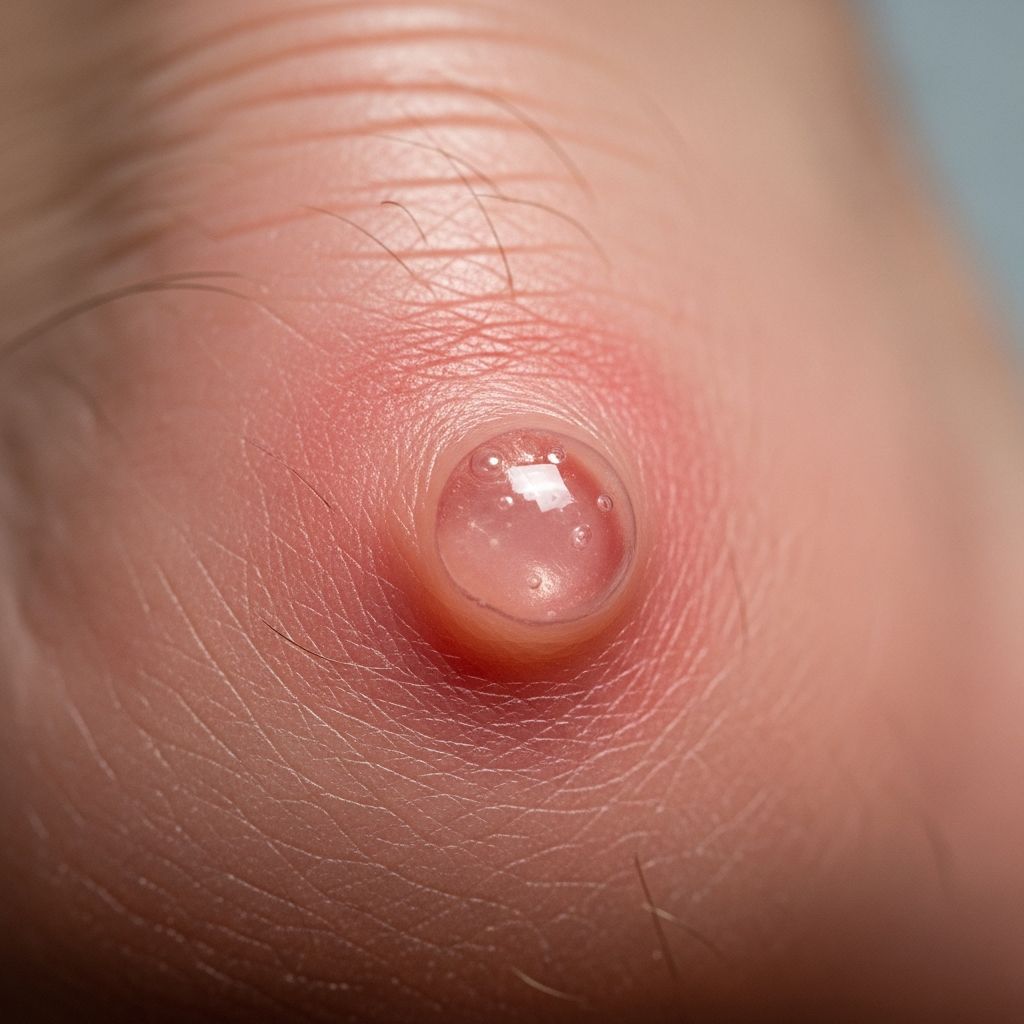
A
friction blister
is a common skin injury resulting from repeated mechanical rubbing between the skin and an external object, such as shoes, tools, or clothing. These blisters most frequently develop on high-pressure areas like the palms, fingers, soles, sides of the feet, and toes, where the skin’s outer layer separates due to shear forces, filling with fluid to protect underlying tissues.What is a Friction Blister?
Friction blisters arise when skin experiences prolonged contact, pressure, and movement against another surface. This mechanical stress causes the outermost skin layer, the stratum corneum, to separate from deeper epidermal layers at the stratum spinosum level. The resulting gap fills with clear serous fluid, similar in composition to plasma but with lower protein content, forming a subepidermal bulla.
In areas with thick skin, such as the soles and palms, blisters form readily because the horny layer adheres tightly to underlying structures. Thinner skin areas, like the top of the hand or foot, may instead suffer abrasions or erosions without blistering. The process accelerates if skin is damp, as moisture increases frictional forces.
Who Gets Friction Blisters?
Anyone engaging in activities involving repetitive motion or pressure is susceptible, but certain groups face higher risk:
- Athletes, hikers, runners, and military personnel due to prolonged footwear use or marching.
- Manual laborers using tools that rub against hands.
- Individuals wearing ill-fitting, new, or tight shoes, especially during break-in periods.
- People in damp climates or those who sweat excessively, as moist skin heightens friction.
- Those with occupations requiring heavy physical activity or carrying loads.
Recent skin exposure to low-intensity friction can lead to adaptations like epidermal thickening, potentially reducing future blister risk.
Causes of Friction Blisters
The primary cause is
shear friction
—a combination of pressure and sliding motion between skin and an object. Key triggers include:- Ill-fitting shoes rubbing heels, toes, or sides of feet.
- Thin or non-moisture-wicking socks that trap sweat.
- Rough tools, gloves, or fabrics during manual work.
- Excessive sweating or damp environments softening skin.
- High activity levels, like running or hiking with heavy packs.
- Extra body weight increasing foot pressure during movement.
Underlying conditions like epidermolysis bullosa or porphyria cutanea tarda can predispose skin to blistering from minor friction. Medications causing photosensitivity may also contribute indirectly.
Friction Blister Process
The development follows a predictable sequence:
- Initial rubbing: Surface cells peel off, exposing sensitive layers.
- Increased pressure: Skin reddens, heats up, and stings due to inflammation.
- Blister formation: Epidermal layers separate; pale blister fills with clear fluid. Bleeding turns it red/brown.
- Potential rupture: Roof may tear in thin-skinned areas, leading to erosion.
Frictional force magnitude and repetition determine onset: higher force needs fewer cycles. Very dry or overly wet skin reduces friction, while optimal moisture maximizes it.
Related Stories



Symptoms of Friction Blisters
Early signs include localized redness, warmth, stinging, and tenderness. Mature blisters present as:
- Fluid-filled bubbles under raised skin.
- Pain ranging from moderate to severe, worsening with pressure.
- Itching or burning sensation.
- Clear fluid; blood-tinged if traumatized.
Infection signs—pus, increased redness, swelling, fever—require prompt attention.
Complications
Most heal uneventfully, but risks include:
- Infection: Bacteria entering ruptured blisters cause cellulitis, needing antibiotics.
- Delayed healing: In high-friction sites, prolonging discomfort.
- Secondary issues: Scarring or recurrent blisters without prevention.
Systemic spread is rare but serious in immunocompromised individuals.
Prevention of Friction Blisters
Proactive measures significantly reduce incidence:
| Strategy | Details | Best For |
|---|---|---|
| Proper Footwear | Wear well-fitted shoes; break in new ones gradually. Use insoles/orthotics for pressure relief. | Feet/Heels |
| Moisture Control | Moisture-wicking socks, talcum powder, antiperspirant on feet. | Sweaty Conditions |
| Lubricants | Petroleum jelly, silicone sprays, or skin adhesives. | High-Risk Activities |
| Protective Gear | Thick gloves for tools; padded insoles for sports. | Hands/Tools |
| Hygiene | Keep skin dry; gradual activity buildup for adaptation. | All |
Evidence for lubricants is anecdotal; no strong trials confirm superiority.
Treatment of Friction Blisters
Focus on protection, pain relief, and infection prevention. Most resolve in 1-2 weeks.
Intact Blisters
- Leave undisturbed; fluid cushions.
- Apply padded bandages, hydrocolloid plasters for moist healing.
- Elevate and rest affected area.
Ruptured Blisters
- Wash with soap/water; apply antiseptic.
- Do not remove roof; trim loose edges if needed.
- Cover with sterile dressing; change daily.
- Use hydrocolloid for pain relief and faster healing.
Avoid popping to minimize infection risk. Antibiotics only for confirmed infection (pus, cellulitis).
Friction Blister in Specific Situations
- Athletes: Tape hotspots preemptively; continue activity with padding if minor.
- Military/ Hikers: Heavy loads amplify risk; use double socks.
- Children: Monitor new shoes closely due to rapid growth.
- Diabetics: Seek medical advice promptly to avoid complications.
Frequently Asked Questions (FAQs)
Q: Should I pop a friction blister?
A: No, popping increases infection risk. Protect with a bandage instead.
Q: How long do friction blisters take to heal?
A: Typically 1-2 weeks with proper care; faster with hydrocolloid dressings.
Q: Can friction blisters get infected?
A: Yes, if ruptured and unclean. Watch for pus, swelling; use antibiotics if needed.
Q: What socks prevent blisters?
A: Moisture-wicking, cushioned socks in proper fit reduce friction.
Q: Are friction blisters dangerous?
A: Usually not, but infections or underlying conditions warrant medical review.
References
- Causes and Prevention of Friction Blisters — Port Jefferson Podiatry. 2023. https://www.portjeffersonpodiatry.com/blog/causes-and-prevention-of-friction-blisters
- Friction blisters: Causes, symptoms, and treatment — Medical News Today. 2023-10-12. https://www.medicalnewstoday.com/articles/friction-blisters
- Friction blisters — DermNet NZ. 2024. https://dermnetnz.org/topics/friction-blister
- Friction blisters. Pathophysiology, prevention and treatment — PubMed (Knapik JJ et al.). 1995-12. https://pubmed.ncbi.nlm.nih.gov/8570998/
- Blisters: Causes, Treatment, Prevention — Cleveland Clinic. 2023-08-01. https://my.clevelandclinic.org/health/diseases/16787-blisters
- Blisters: First aid — Mayo Clinic. 2023. https://www.mayoclinic.org/first-aid/first-aid-blisters/basics/art-20056691
Similar Articles








Read full bio of medha deb